

Asbestos Removal
Asbestos Removal in Toronto
If you own a home in Toronto built before 1986, you should prioritize professional asbestos removal. This is especially important before starting any renovation project. Many older Toronto homes contain asbestos in materials like ceiling tiles, insulation, floor tiles, and pipe wrap.
Left undisturbed, asbestos can remain hidden for years. But when disturbed, it releases tiny fibers. These fibres can cause serious health problems, like mesothelioma, lung cancer, and asbestosis.
Between the 1950s and 1990s, builders widely used asbestos in construction across Toronto. As a result, thousands of residential properties in the city still contain asbestos-containing materials (ACMs).


Asbestos testing in Toronto usually costs between $300 and $800. Full Toronto asbestos removal can cost from $1,500 to over $30,000. The price varies based on a few factors.
It depends on the size of the property. It also depends on the level of contamination. Lastly, the ease of accessing the affected materials influences it. Although these costs may seem high, they’re far lower than the long-term health and legal risks of improper handling.
How Dangerous is Asbestos?
Why is Asbestos a Threat to Homes?
Asbestos creates a unique danger by breaking down into microscopically thin fibers that you can’t see. These fibers can float in the air for days after someone disturbs them. You won’t notice any immediate symptoms because you can’t feel, taste, or see asbestos fibers entering your lungs. The biggest problem with asbestos lies in its latency period – people get sick 10 to 50 years after exposure. The fibers damage lung tissue slowly without showing any signs. Asbestos exposure kills more than 200,000 people globally each year. These deaths make up over 70% of work-related cancer deaths. Any building built or renovated before 2000 might contain asbestos. When people drill, saw, or sand these materials during renovations, they release deadly fibres into the air.


Long-term health risks from exposure
Asbestos exposure often leads to severe and fatal health problems. Mesothelioma, a rare but aggressive cancer, attacks the lung’s lining and abdominal cavity. Almost all cases link to asbestos exposure, and doctors usually find it too late to treat.
Asbestos also causes other serious conditions:
- Lung cancer (one case occurs for every mesothelioma death)
- Asbestosis (severe lung scarring that makes breathing harder)
- Pleural thickening (lung lining swells and causes discomfort)
- Cancer of the larynx and ovary
Your risk depends on exposure time, fiber concentration, and personal health factors. Smoking makes things much worse – it multiplies your lung cancer risk when combined with asbestos exposure. Family members face risks too from fibers that workers bring home on their clothes. Health authorities say there’s no safe level of asbestos exposure. Each time you expose yourself, you increase your risk of getting sick. Most severe cases come from heavy, long-term exposure, but even short, intense exposures can make you ill.
Inspectors Reveal When to Test for Asbestos in Toronto
Toronto property inspectors stress that knowing how to test for asbestos plays a vital role in keeping residents safe. Asbestos becomes dangerous if someone disturbs it. Learning if asbestos is present before starting renovations is important. This is especially true if you are considering asbestos removal services in Toronto. Signs your home may contain asbestos:
Your property’s age gives the first clue about possible asbestos presence. Buildings constructed before 1985 have a substantially higher chance of containing asbestos-based materials. The construction industry used this mineral a lot from the 1960s to the 1990s. Professional inspectors often find asbestos in:
- Building infrastructure: Insulation around pipes and boilers, sprayed-on fireproofing, thermal/acoustic insulating boards
- Visible materials: Popcorn ceilings, vinyl floor tiles, cement sheets, weathered siding
- Hidden components: Pipe wrap, loose-fill attic insulation, drywall compound, roofing materials

When testing is legally required
Ontario regulations provide clear guidelines about mandatory asbestos testing. The Ontario Occupational Health and Safety Act requires testing before construction or renovation work that could release asbestos fibers. This rule applies especially to properties built before 1990. Building owners must complete a Designated Substance Survey (DSS) before starting construction or renovation projects. Construction contractors have the right to ask for DSS documentation before they begin work. Testing becomes mandatory in these specific cases:
- Property sales of older buildings to avoid liability issues
- After water or fire damage that might loosen asbestos fibers
- During building expansions or additions that affect existing structures
- Commercial buildings and residential buildings larger than multi-family triplexes
The law requires air quality testing after a Type 3 asbestos removal that covers over 100 square feet.
Experts Compare DIY vs Professional Toronto Asbestos Removal
Contractors and health experts strongly advise against removing asbestos yourself. The risks go far beyond immediate health concerns. A look at professional versus amateur removal shows clear differences in safety, legality, and long-term protection.
Why DIY Removal is Risky and Often Illegal
Removing asbestos yourself creates serious hazards because improper handling releases tiny fibers into the air. Homeowners don’t have the expertise to spot all materials containing asbestos. Yes, trying to remove asbestos on your own indeed puts you and your family at a much higher risk. Toronto and many other regions have strict laws against DIY asbestos removal. Most homeowners don’t have the required permits, training certificates, or proper disposal arrangements. Your home insurance policies might become void, and you’ll face problems when trying to sell your property. The biggest problem is that homeowners don’t have the right equipment. You need HEPA-filtered vacuums, negative air pressure systems, and special respiratory protection to remove asbestos safely. Without these safety measures, asbestos fibers spread to other parts of your home and create risks everywhere.
What Professionals do Differently
Asbestos removal services in Toronto use certified technicians with extensive training in safe handling methods. These experts follow strict protocols set by regulatory authorities. Here’s what makes professional removal different:
- They set up sealed containment zones to stop fiber spread
- They employ negative air pressure systems with HEPA filtration
- They wear specialized respirators and full-body protective gear
- They use specific removal methods that keep fiber release minimal
- They do a complete decontamination after the job
Licensed professionals start with a detailed assessment to find all materials containing asbestos. They create specific removal plans based on the type and condition of the asbestos. DIY removers often miss hidden asbestos, which leaves dangerous materials in place.
2025 Asbestos Removal Costs in Toronto: What You Need to Know
Knowing the asbestos removal price in Toronto is important for homeowners. This is especially true for those planning a renovation or repair project in homes built before 1986. Pricing depends on several key factors, including the type of material, location, asbestos concentration, accessibility, and labour requirements. Here’s a breakdown of what to expect for asbestos abatement and removal costs in 2025.
Cost to Remove Asbestos by Material Type: The type of asbestos-containing material (ACM) plays a major role in the overall price:
- Drywall removal: $14–$21 per sq. ft.
- Plaster removal: $28–$35 per sq. ft.
- Flooring (on concrete): $35 per sq. ft.
- Flooring with subfloor removal: $49 per sq. ft.
Chrysotile (white asbestos) is cheaper to remove than amosite (brown asbestos). Amosite has finer and more dangerous fibres. Amosite removal can increase prices by 5–10%.
Cost to Remove Asbestos by Location and Accessibility
The location of the asbestos directly impacts labor time and safety setup.
- Pipe insulation: $49–$63 per linear foot
- Attic insulation: $21–$35 per sq. ft. (cost depends on attic height and access)
- Roof or siding removal: Up to $170 per sq. ft.
Tight spaces like crawl spaces and high ceilings require extra safety precautions, increasing the total cost.
Cost to Remove Asbestos by Project Size: The size of the contaminated area directly affects the final cost:
- Small projects (100 sq. ft.): Starting from $1,750
- Larger projects (1,000 sq. ft.): Can reach $17,500+
Note: Many abatement asbestos removal contractors in Toronto have a minimum fee. This applies even for small jobs because of the time and setup needed.
Containment, Labor & Safety Costs
Labour and setup often account for 60–70% of total project costs. Key price points include:
- Labour: $105–$280 per hour per technician
- Average crew: Minimum of 2 workers for at least 8 hours
- Specialized equipment: HEPA vacuums, negative air machines, containment barriers, protective suits, and respirators
Projects are classified into three risk categories:
- Type 1 (Low-risk): Basic PPE, minimal setup
- Type 2 (Moderate-risk): Full enclosures and HEPA filtration
- Type 3 (High-risk): Full containment, negative air pressure, air monitoring ($560), and clearance testing ($980)
Disposal and Permit Costs in Toronto
Asbestos disposal is tightly regulated across Ontario. Disposal costs in Toronto include:
- Permits: $70–$140
- Disposal fees: $14–$70 per cubic yard
- Regulatory requirements: Waste must be double-bagged, labeled, and taken to approved disposal sites
Get a Certified Asbestos Removal Quote in Toronto
Removing asbestos in Toronto is not a DIY job. It needs trained and licensed professionals who follow Ontario Regulation 278/05. Costs vary, but the price of professional removal is nothing compared to the health risks of asbestos exposure.
Whether you’re renovating a bathroom, removing popcorn ceilings, or updating your attic insulation, contact a certified asbestos removal company in Toronto for a full asbestos inspection Toronto and detailed quote.
Companies Share How to Choose the Right Asbestos Removal Service
Choosing the right professionals for “asbestos removal near me” needs careful research and fact-checking. You need to understand what makes a company trustworthy to protect your family’s health and stay compliant with regulations.
What certifications to look for
Licensed abatement asbestos removal contractors must meet strict requirements. Ontario companies should have:
- Type 3 asbestos supervisor license for supervisors
- Type 3 asbestos worker license for all team members
- Certified asbestos abatement workers
- Asbestos liability insurance or pollution liability insurance
Quality companies employ technicians who know how to handle asbestos removal in homes and businesses of all sizes. These certifications show that the company follows proper safety protocols and has qualified professionals on their team
How It Works
Enter Details
Please provide as much information as possible about your emergency service and answer a few questions. Within minutes, we will be able to provide you with an expert. It’s easy and quick!
Book Assessment
Hire Us
We are the best restoration company in the GTA. We are continually working to improve our processes and remain updated on new techniques and methodologies.
– The factors include the level of contamination.
– They also consider the size of the property.– The type of material is important too.
– Lastly, accessibility to the asbestos-containing materials matters.
No, it is not legal or safe for homeowners to remove asbestos themselves in Toronto. DIY asbestos removal is risky, often illegal, and can lead to severe health consequences and legal penalties. You need professional, licensed asbestos removal services to ensure safety and compliance with regulations.
24/7 Asbestos removal Service
Contact Us Today








Why Choose Us

Appointments

Fast Service

Experience

Certified Mold Removal & Remediation Company

Workmanship

Approved Pricing
Contact Us Now
Featured CPR24 Restoration Projects
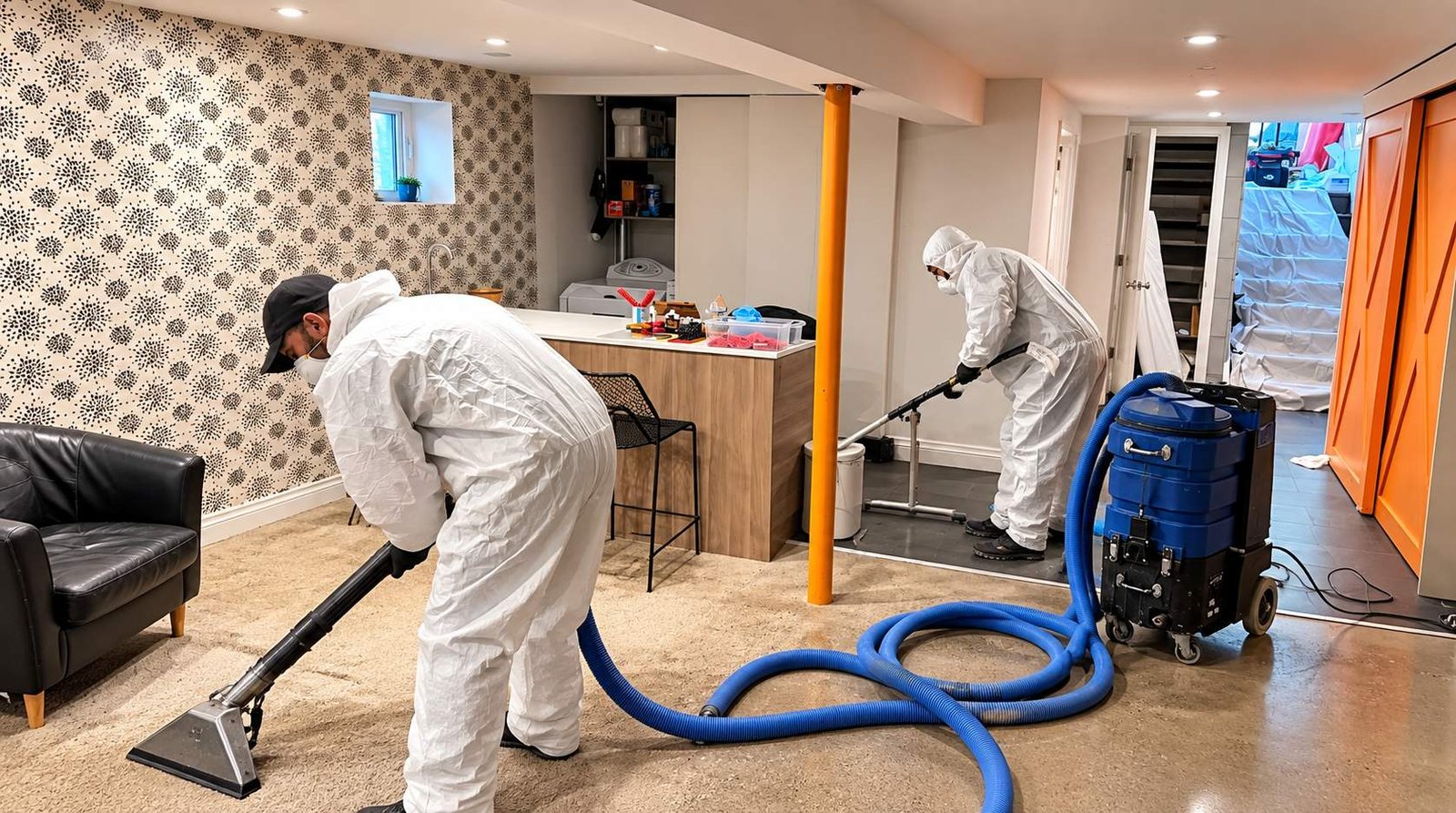
At CPR24 Restoration, we take pride in delivering high-quality restoration services that help homeowners and businesses recover from disasters. Our featured projects showcase real-life examples of water damage restoration, mold removal, fire damage recovery, and more. Each project highlights our expertise, rapid response, and commitment to restoring properties efficiently and safely. From minor repairs to full-scale restorations, we ensure every job is completed with precision and care.




What Our Clients Are Saying


 Trustindex verifies that the original source of the review is Google.
 Trustindex verifies that the original source of the review is Google.
 Trustindex verifies that the original source of the review is Google.
 Trustindex verifies that the original source of the review is Google.
 Trustindex verifies that the original source of the review is Google.
 Trustindex verifies that the original source of the review is Google.
 Trustindex verifies that the original source of the review is Google.
 Trustindex verifies that the original source of the review is Google.
 Trustindex verifies that the original source of the review is Google.
 Trustindex verifies that the original source of the review is Google.
Related Blog Posts
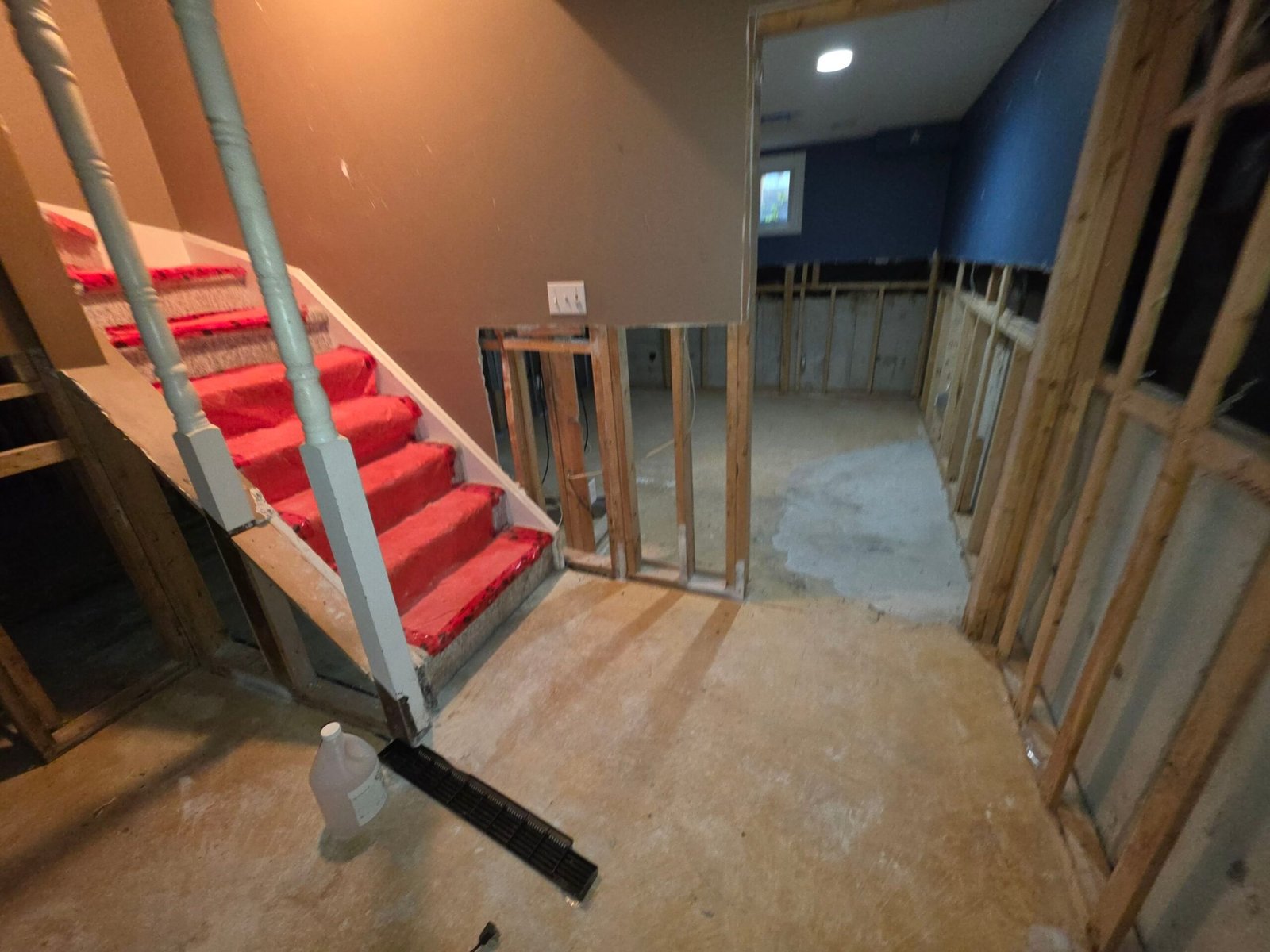
A flooded Toronto home calls for three priorities: stay out of electrical danger, report the flooding, and arrange safe cleanup. Once the immediate risk is controlled, documenting the damage and identifying how water entered will help guide your insurance claim and repairs. This article explains what to do first, what
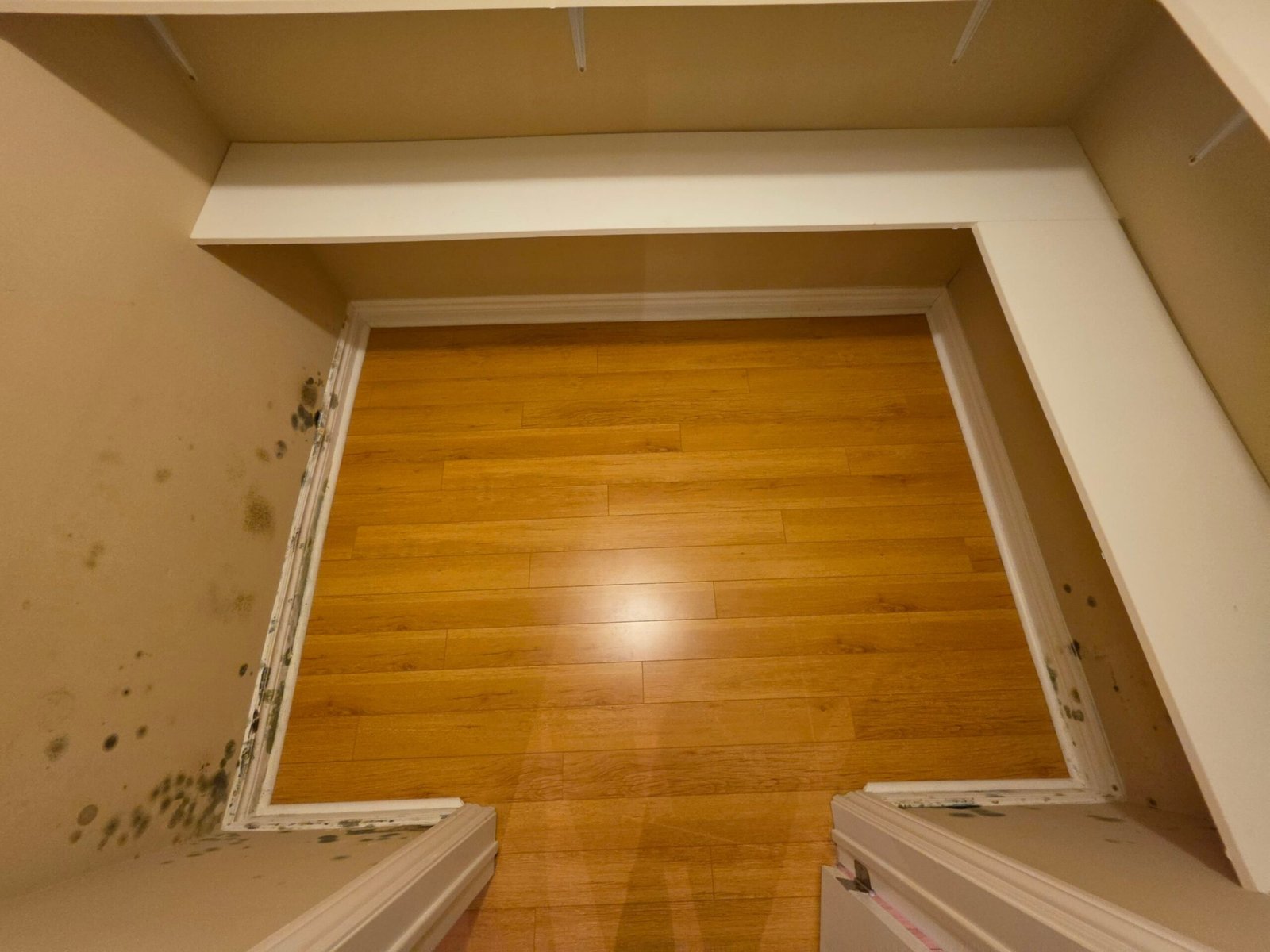
Professional mold removal addresses contaminated materials and the moisture conditions that allow mold to grow. For Midtown Toronto homeowners, tenants, and property managers, the priority is a clear assessment followed by appropriate cleanup—not simply covering stains. This article explains when to seek help, what to ask contractors, and how to
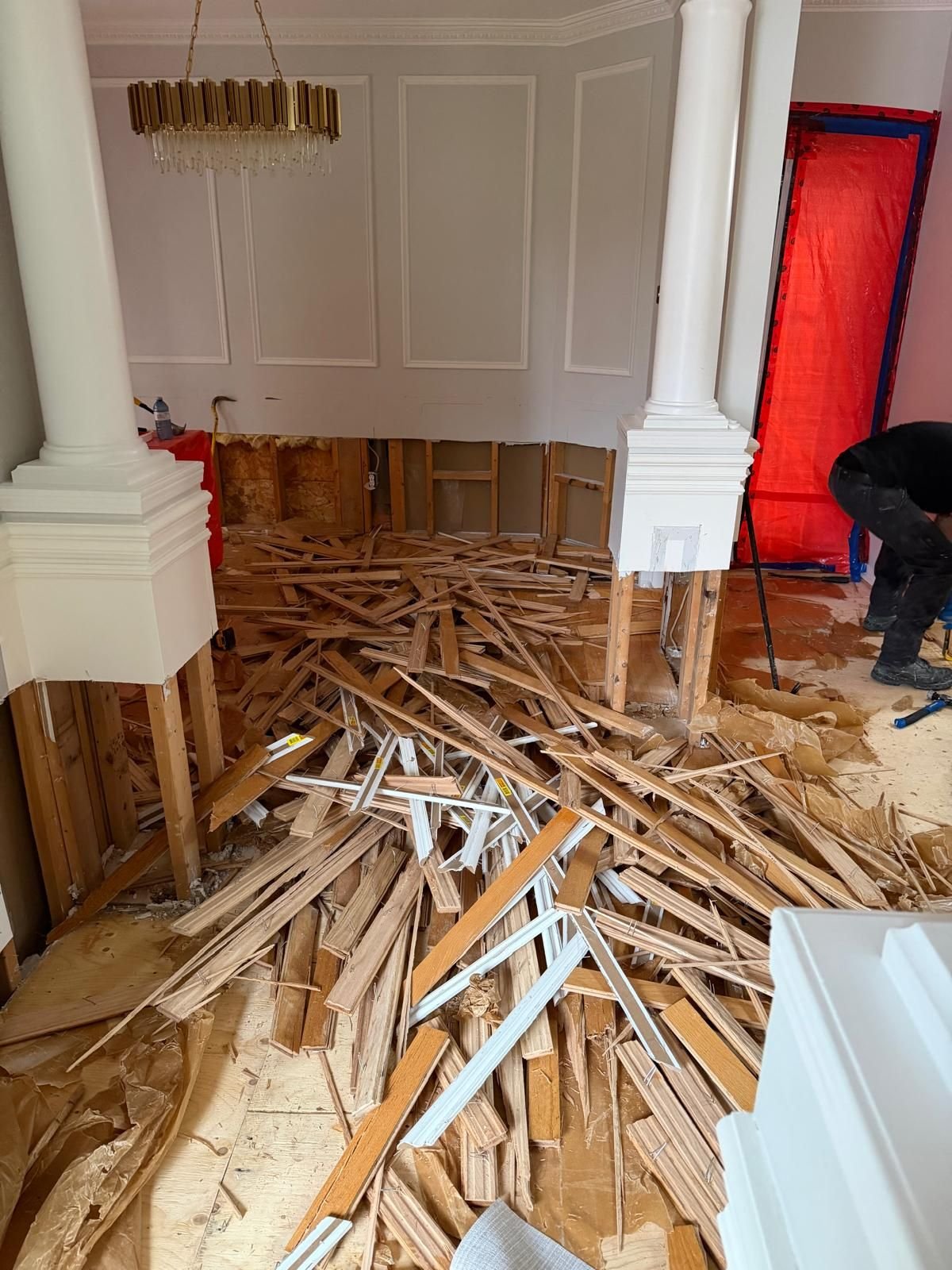
Published: November 2026 Basement flooding in Toronto is a growing concern for many homeowners. Heavy rain in Toronto can cause serious problems for homeowners. This is worse when stormwater overwhelms drains. It can also happen when sump pumps fail. Water may also enter through foundation cracks. Even minor basement flooding
Basement flooding can turn a familiar storage space into a dangerous emergency within minutes. We understand the urge to rush in and save your belongings, but standing water can conceal electrical, gas, sewage, and structural hazards. If your basement is flooding, first protect people and pets. Identify the source only
Water damage services in downtown Toronto address unwanted water, wet building materials, and the moisture problems left behind after leaks or flooding. Effective recovery involves more than removing puddles: affected materials need assessment, drying, cleaning, and sometimes replacement. When it comes to water damage restoration downtown Toronto, it’s important to
Mold removal becomes urgent when a musty smell fills a room. That odour traces back to wet basement foundation walls 99% of the time. Downtown Toronto’s crowded buildings and concrete surfaces put pressure on city sewers, forcing moisture into condos and older homes. We have seen this hidden growth become