

Attic Mold Removal
Attic Mold Removal in Toronto & the GTA
CPR24 Restoration provides professional attic mold removal in Toronto and the GTA, helping homeowners address mold on roof sheathing, rafters and other affected attic materials. Based in North York, our team assesses visible growth and moisture conditions, then prepares a written scope for attic mold remediation. Whether the concern was discovered during a home inspection, after a roof leak or while investigating attic condensation, we explain what needs cleaning, what may require removal and which moisture problems need correction.
Our attic remediation work may include protective containment around the access area, HEPA air filtration, HEPA vacuuming and detailed cleaning of suitable wood surfaces. We use Benefect products where appropriate as part of the cleaning process. Wet or contaminated insulation may require removal, while deteriorated roof sheathing may need further assessment and repair. Each recommendation reflects the condition of your attic rather than a standard treatment applied to every property.
Concerned about mold in your attic? Call 416-551-8287 to discuss your concerns and arrange an attic mold inspection.
Last updated: October 2026


What Causes Mold in an Attic?
Attic mold develops when moisture conditions support growth on building materials. Cleaning the affected surfaces is only part of addressing the problem.
Possible moisture sources include:
Roof leaks around damaged roofing, flashing or penetrations.
Bathroom or kitchen exhaust ducts releasing moisture into the attic.
Warm indoor air leaking through ceiling openings or an inadequately sealed attic hatch.
Condensation on cold roof sheathing.
Restricted ventilation paths, including blocked soffit vents.
Adding ventilation alone may not resolve moisture introduced by air leakage or a roof leak. The recommended correction should follow an assessment of the actual conditions.
Signs Your Attic May Need an Assessment
Reasons to arrange an inspection include visible growth on wood surfaces, water staining, damp insulation, persistent musty odours or a roof leak.
Discolouration alone does not establish the cause, mold species or condition of the wood. An assessment helps distinguish the cleaning requirements from any damage that may need repair.
If a home inspector has identified attic mold, send us the report and clear photographs. These can help us understand the concern before confirming access and inspection requirements.


What Is Toronto Attic Mold?
Mold in Toronto is a natural part of our environment. However, we all want it to grow somewhere other than our homes!
Mold exposure can be harmful and dangerous to both human health and the health of your home. It can create health problems such as allergic reactions and immune system issues. It can weaken materials like studs and drywall. It can also damage furniture, papers, and stored items. Mold can spread fast and is not always easy to see. This is why quick attic mold removal in Toronto is important. It can save homeowners time, money, and worry.
CPR24 Restoration is the best mold remediation company in Toronto that specializes in mold removal and cleanup services. We can handle all types of mold, from white mold to toxic black mold. This includes cold room mold, ceiling mold, and black toxic mold. Toronto attic mold can appear in many ways. To find it, you should hire our experts for a quick and complete mold inspection process in Toronto. We will collect samples to help decide the best way to remove the mold for good.
What Causes Attic Mold in Toronto?
Mold can grow in many areas of your home. At CPR24 Restoration, we usually start our mold inspections in two places: the attic or the basement. The attic is often one of the least visited parts of your home. This causes the mold to grow and go unnoticed for a long time. Mold often grows in attics for many reasons. We need to remove mold from attics in the GTA.
The main reason that causes attic mold is water damage in Toronto. Whether it’s a roof leak or major water damage, it can easily cause mold growth. Excess moisture buildup is nearly often the source of mold spores in an attic. This can enter your attic in different ways. Poorly connected bathroom, kitchen, or dryer fans can cause it. If these fans vent into the attic, they can cause further moisture problems.
Condensation on your roof sheathing can cause serious damage. This is especially true in winter. The temperature difference between warm indoor air and cold outdoor air can be too high. We may come across different types of mold. Moisture is important to stop mold growth. However, mold also needs two other key things to grow in your attic. Most attics have plenty of these two components. The first factor is temperature. Mold grows best in temperatures between 0 and 50 degrees Celsius. It thrives in places with little air movement, like an attic.


Our Attic Mold Removal Process
Inspection and Written Scope
We assess accessible roof sheathing, rafters, insulation and other areas of concern. Moisture readings and thermal imaging may help investigate moisture conditions where appropriate.
Thermal imaging identifies temperature patterns; it does not directly detect mold or see through building materials. Our on-site inspection is $250 plus HST and includes a visual assessment, moisture checks, thermal imaging where applicable, a written and photo report, and an estimate for recommended work. The inspection fee is deducted from the final invoice if you proceed with CPR24 Restoration.
Laboratory sampling and exploratory openings are separate services unless expressly included.
Containment and Air Filtration
Attic access often opens into a hallway, bedroom or closet. Protecting this access route is an important part of planning the work.
Where required, we install polyethylene containment with controlled access to separate the work area from adjoining spaces. HEPA air filtration and negative pressure are used as appropriate to help limit the movement of dust and airborne particles during remediation.
The setup depends on the attic layout, access and extent of the work.
Insulation and Affected-Material Removal
Not every attic mold project requires complete insulation removal.
We assess whether insulation is wet, affected by contamination or obstructing access to surfaces that require cleaning. Material that cannot be retained is removed and bagged for disposal under the agreed scope.
Replacement insulation is identified separately where required.
Cleaning Roof Sheathing
Wood that remains suitable for retention may be cleaned using HEPA vacuuming and additional surface-cleaning methods appropriate to its condition.
CPR24 uses Benefect products where suitable as part of the cleaning scope. Applying a treatment does not replace physical cleaning or correcting the moisture problem.
Deteriorated wood or suspected structural damage may require further assessment and repair rather than cleaning alone.
Moisture Corrections and Completion Review
We explain observed moisture concerns and recommended next steps. These may involve roofing repairs, exhaust-duct corrections, air sealing, insulation or ventilation work.
Your estimate identifies which services CPR24 will perform and which require a separate scope or qualified trade.
Completion review and documentation follow the agreed project requirements. Independent clearance assessment or testing, when required, is arranged separately.
Reducing the Risk of Mold Returning
Mold can return when moisture conditions persist or a new leak develops. Remediation should therefore be considered alongside the underlying moisture problem.
Relevant measures may include repairing roof leaks, correcting exhaust ducts, sealing air leakage paths and maintaining appropriate insulation and ventilation.
The right approach depends on the building. We provide recommendations based on observed conditions rather than promising that one treatment will prevent every future mold problem.


What Affects Attic Mold Removal Costs?
Attic remediation pricing depends on:
The area and surfaces requiring cleaning.
Attic height, access and working space.
Containment and air-filtration requirements.
Insulation removal and disposal.
The condition of affected materials.
Moisture-source corrections and separately quoted repairs.
Any additional assessment or testing.
CPR24 provides an estimate based on the assessed conditions. If concealed damage changes the proposed work, we explain the findings and discuss scope changes before proceeding.
Attic Mold Removal FAQs
Can you provide a quote from attic photographs?
Photographs and an existing inspection report can help us discuss the likely work. A firm estimate may require an on-site assessment because photographs cannot establish moisture levels, access conditions or the full extent of affected materials.
Does all attic insulation need to be replaced?
Removal depends on its condition, contamination and whether it obstructs remediation access. Your estimate identifies the proposed removal and any replacement insulation.
Can you clean mold from roof sheathing?
Suitable wood surfaces may be retained and cleaned. Deteriorated materials or suspected structural damage require a different assessment and may need repair or replacement.
Is air testing required before removal?
Air testing is not automatically required to address visible mold. Any proposed sampling should have a defined purpose, with the scope and fees explained before proceeding.
How long does attic mold remediation take?
The schedule depends on attic size, access, affected surfaces, insulation removal and additional repairs. We provide an expected schedule after assessing the work.
Can occupants remain in the home?
This depends on the scope, containment arrangements, access route and occupants’ circumstances. We discuss occupancy requirements before work begins.
Can mold return after remediation?
Yes, if moisture problems remain or a new leak develops. Correcting the source and maintaining suitable attic conditions are essential parts of reducing recurrence.


Does Attic Mold Mean the Roof Must Be Replaced?
Not automatically. Mold on the underside of roof sheathing does not, by itself, establish that the entire roof needs replacement.
The decision depends on the condition of the wood and roofing system. Suitable retained surfaces may be cleaned, while deterioration, persistent leaks or structural concerns may require repairs.
We explain the assessed conditions and any further evaluation needed before recommending the scope.
Attic Mold Removal Costs in Toronto
The cost of professional Toronto attic mold removal can vary widely depending on several factors:
- Extent of Mold Growth: Larger affected areas of mold infestation will naturally require more time and resources to remediate, increasing the overall cost.
- Type of Mold: Some types of mold are harder to remove. They can also pose bigger health risks. This can affect the cost of mold removal and attic mold mitigation.
- Accessibility: Attics that are hard to reach or have little working space may need extra tools or help. This can raise the cost.
- Structural Damage: If mold has caused serious damage to the attic, you will need to consider repair and replacement costs.
- Prevention Measures: Finding long-term solutions to stop mold from growing again can increase the total project cost. This includes improving ventilation and fixing leaks.


Book an Attic Mold Inspection
Send us the property address, a description of the concern and any available photographs or inspection report. We will explain the assessment process and confirm the next available appointment.
Call 416-551-8287 or email info@cpr24restoration.ca.
Explore our mold removal services and mold inspection services for further information.
Why Choose CPR24 Restoration for Toronto Attic Mold Removal
When you hire CPR24 Restoration to remove mold from your attic, you can trust our results. We serve Ajax, Aurora, Etobicoke, Hamilton, Mississauga, North York, Richmond Hill, Vaughan, and more. You can count on the quality of our service. Every member of our expert team gets thorough training and certification.
CPR24 Restoration uses advanced tools to inspect your home for mold. This includes mold that may grow behind walls or in hard-to-reach places. These modern tools let us evaluate your home without drilling holes. We can use cameras and other equipment without making a mess. This way, your home stays just as it was when we arrived.
Our mold removal company has a skilled team. We have the right tools to handle any emergency and prevent further mold growth in Toronto. We serve both commercial and residential clients in Toronto and the GTA. Mold prevention is vital, and our professionals will provide recommendations to address the main cause of mold growth.


If you notice the first signs of mold on your property, you should immediately call us. We will arrive at your location within 45 minutes. Please get in touch with us at (416) 551-8287 or send us an email at info@cpr24restoration.ca.
When looking for Toronto attic mold removal companies nearby, check that they have the right certifications and experience. Also, read their customer reviews to see if they are positive. If you need help with attic mold, CPR24 Restoration is here for you. We will check the problem, fix the source of the mold, and make sure it doesn’t come back.
If you have black mold in your attic or want to keep it mold-free, contact local mold removal companies. An inspection is a great first step. Let me know if you need help finding reliable professionals near you!
How It Works
Enter Details
Please provide as much information as possible about your emergency service and answer a few questions. Within minutes, we will be able to provide you with an expert. It’s easy and quick!
Book Assessment
Hire Us
We are the best restoration company in the GTA. We are continually working to improve our processes and remain updated on new techniques and methodologies.
Professional mold removal typically costs between $1,800 and $3,800 for smaller, contained areas, while larger or more extensive remediation projects may range from $4,000 to $10,000 or more. The final cost depends on the size of the affected area, severity of contamination, accessibility, and whether damaged materials require removal. Pricing may include containment, HEPA air filtration, antimicrobial treatment, and disposal. CPR24 Restoration provides professional mold inspections and detailed remediation estimates. Drywall replacement, painting, and reconstruction are generally quoted separately.
Small patches of mold on accessible, washable surfaces can sometimes be cleaned safely with appropriate protective equipment. However, professional mold removal is recommended for extensive contamination, recurring mold growth, sewage-related contamination, or mold affecting drywall, insulation, and concealed areas. Improper removal can spread mold particles and leave contamination behind. CPR24 Restoration follows IICRC S520 remediation practices, using containment barriers, HEPA air filtration, and professional cleaning procedures to help prevent contamination from spreading.
Black mold refers to mold with a dark appearance and does not necessarily identify a particular species. Exposure to indoor mold can cause allergic reactions, respiratory irritation, and worsening asthma symptoms in susceptible individuals. Mold colour alone cannot determine its health risks. Any visible indoor mold should be investigated, especially when it covers a large area or repeatedly returns. Professional mold remediation may be recommended depending on the extent of contamination and affected building materials.
Common signs of hidden mold include persistent musty odours, water stains, peeling paint, warped baseboards, damp drywall, and previous water damage. Mold can develop behind walls, beneath flooring, above ceilings, and inside concealed cavities where moisture remains trapped. CPR24 Restoration uses moisture meters, thermal imaging, and visual inspections to identify suspicious moisture conditions. These tools help locate potential moisture problems but do not directly confirm mold growth. Additional investigation or selective removal of building materials may be necessary to identify concealed contamination.
Professional mold remediation typically takes one to several days, depending on the size of the affected area, contamination levels, and materials requiring removal or treatment. Smaller projects may be completed within one day, while larger projects may require additional time for containment, demolition, cleaning, drying, and verification. HEPA air scrubbers may remain operating after active remediation when appropriate. Drywall replacement, painting, and other reconstruction work are generally scheduled separately
Professional mold remediation typically includes assessing the affected area, installing 6-mil polyethylene containment barriers when required, using HEPA-filtered air scrubbers and negative air pressure where appropriate, removing contaminated materials, HEPA vacuuming, and detailed surface cleaning. CPR24 Restoration follows IICRC S520 practices and uses Benefect antimicrobial treatment when suitable. Moisture assessments, dehumidifiers, and additional drying equipment may also be required. The exact scope depends on the extent of contamination, affected building materials, and property conditions.
Mold-contaminated drywall often requires removal because drywall is a porous material that can absorb moisture and support mold growth beneath its surface. Surface cleaning or antimicrobial spraying alone may not adequately address contamination within the material. When mold affects drywall, insulation, or concealed wall cavities, professional remediation may involve controlled demolition, HEPA vacuuming, detailed cleaning, and appropriate antimicrobial treatment. CPR24 Restoration evaluates affected materials to determine whether cleaning is sufficient or selective removal is necessary. Drywall replacement and reconstruction are quoted separately.
Yes, mold can return after professional remediation if the underlying moisture problem has not been corrected. Common causes include plumbing leaks, roof damage, condensation, high humidity, and inadequate ventilation. Professional mold remediation removes or cleans contaminated materials, but preventing future growth also requires moisture control. Repairing leaks, improving ventilation, maintaining appropriate indoor humidity, and promptly drying water-damaged materials can significantly reduce the likelihood of mold returning.
A professional mold inspection is recommended when the extent, location, or cause of contamination is unclear. However, air quality testing is not always necessary when visible mold is already present. Testing may be useful when there are persistent musty odours without visible growth, concerns about hidden contamination, or a need for independent post-remediation verification. CPR24 Restoration offers mold inspections, moisture assessments, and air quality testing to help evaluate property conditions and determine appropriate remediation recommendations.
Homeowners insurance may cover mold remediation when the contamination results from a sudden and accidental water damage event covered by the policy. Mold caused by long-term leaks, excessive humidity, condensation, or inadequate maintenance is often excluded. Coverage depends on the insurance provider, policy wording, and cause of damage. CPR24 Restoration assists homeowners with inspection reports, photographs, remediation estimates, and supporting documentation for insurance claims. Homeowners should confirm their specific coverage with their insurance provider.
CPR24 Restoration has office locations in North York, Richmond Hill, Vaughan, Aurora, Etobicoke, Mississauga, and Oakville. Our team provides on-site mold inspections and professional mold removal across Toronto and the GTA, including Scarborough, Woodbridge, Maple, Markham, Stouffville, Newmarket, King City, Bradford, Bolton, Caledon, Brampton, Burlington, Milton, Pickering, Ajax, Whitby, Oshawa, and Uxbridge. Services include attic, basement, bathroom, and other residential and commercial mold remediation. Call 416-551-8287 to confirm availability and arrange an assessment at your property.
24/7 Water Damage and Mold Removal Services
Contact Us Today







Why Choose Us

Appointments

Fast Service

Experience

Certified Mold Removal & Remediation Company

Workmanship

Approved Pricing
Contact Us Now
Featured CPR24 Restoration Projects
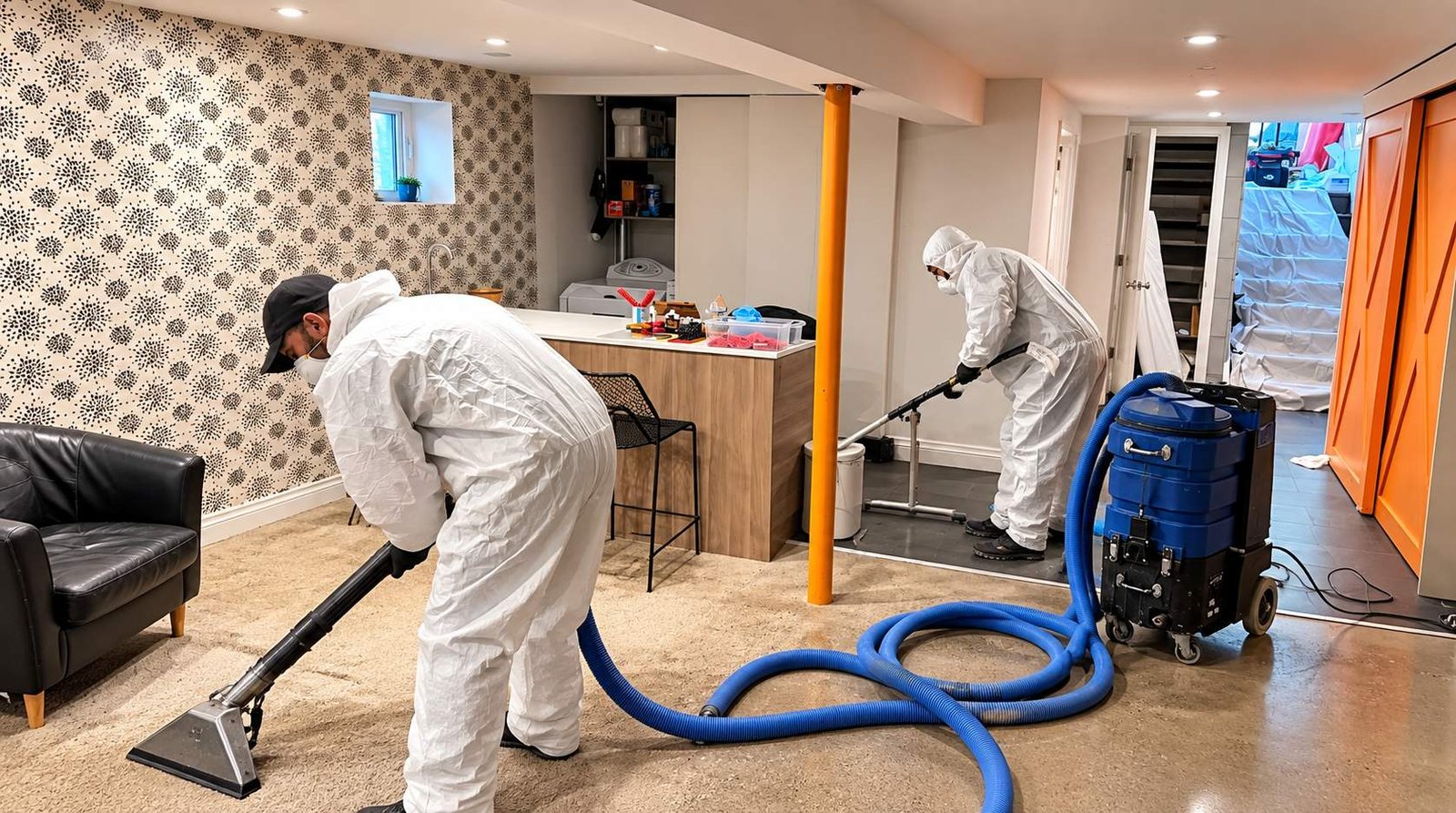
At CPR24 Restoration, we take pride in delivering high-quality restoration services that help homeowners and businesses recover from disasters. Our featured projects showcase real-life examples of water damage restoration, mold removal, fire damage recovery, and more. Each project highlights our expertise, rapid response, and commitment to restoring properties efficiently and safely. From minor repairs to full-scale restorations, we ensure every job is completed with precision and care.




What Our Clients Are Saying


 Trustindex verifies that the original source of the review is Google.
 Trustindex verifies that the original source of the review is Google.
 Trustindex verifies that the original source of the review is Google.
 Trustindex verifies that the original source of the review is Google.
 Trustindex verifies that the original source of the review is Google.
 Trustindex verifies that the original source of the review is Google.
 Trustindex verifies that the original source of the review is Google.
 Trustindex verifies that the original source of the review is Google.
 Trustindex verifies that the original source of the review is Google.
 Trustindex verifies that the original source of the review is Google.
Related Blog Posts
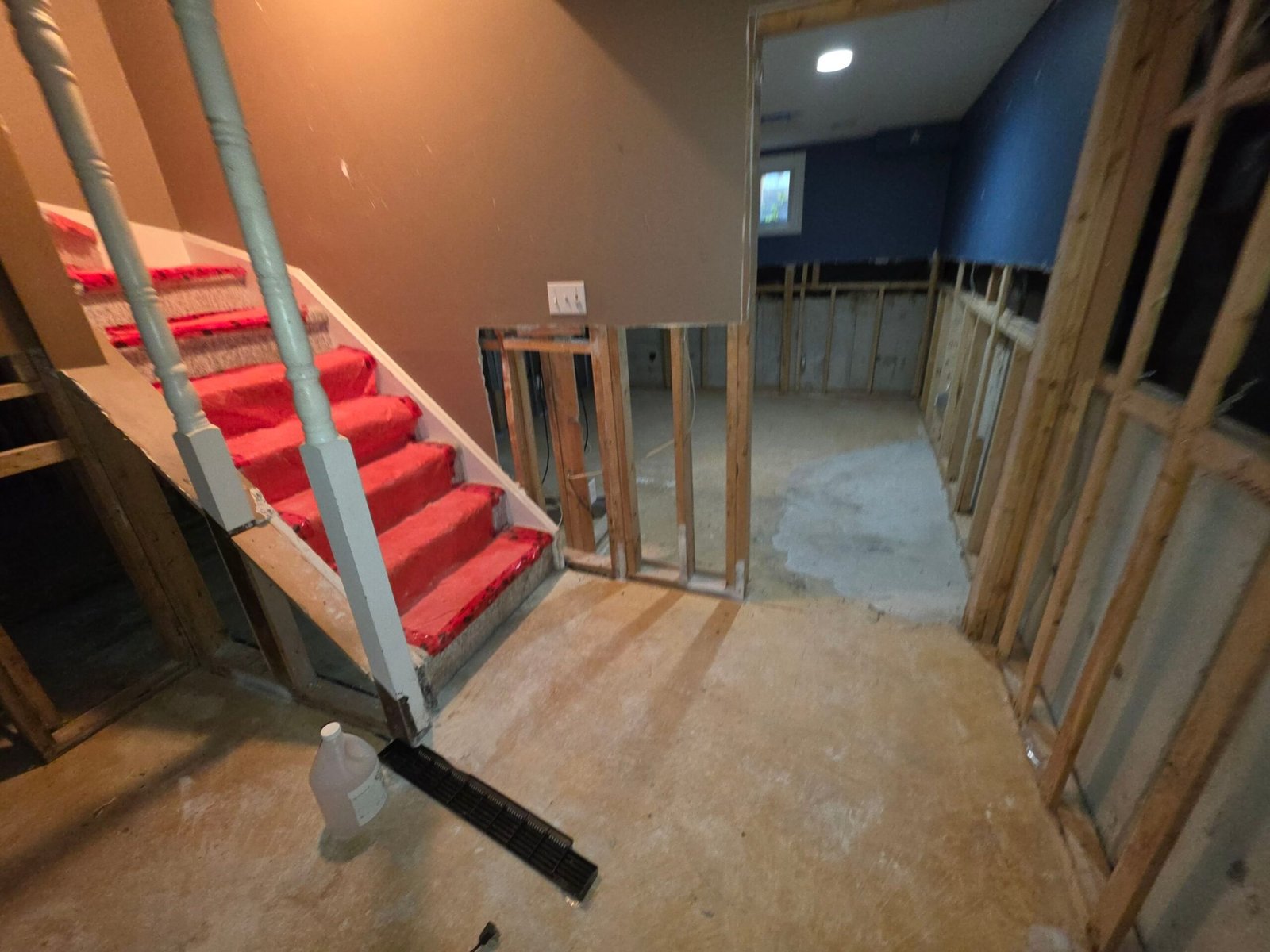
A flooded Toronto home calls for three priorities: stay out of electrical danger, report the flooding, and arrange safe cleanup. Once the immediate risk is controlled, documenting the damage and identifying how water entered will help guide your insurance claim and repairs. This article explains what to do first, what
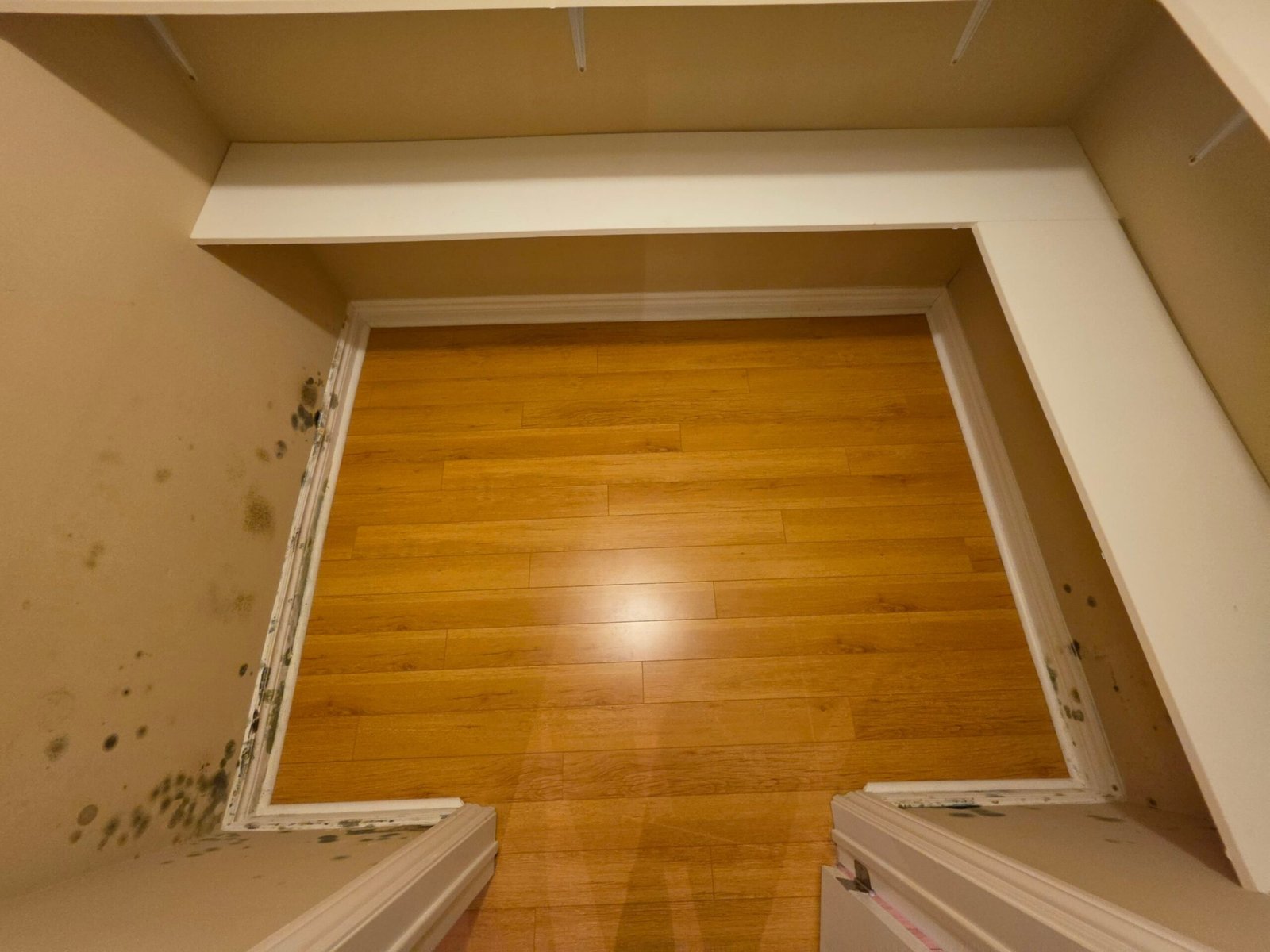
Professional mold removal addresses contaminated materials and the moisture conditions that allow mold to grow. For Midtown Toronto homeowners, tenants, and property managers, the priority is a clear assessment followed by appropriate cleanup—not simply covering stains. This article explains when to seek help, what to ask contractors, and how to
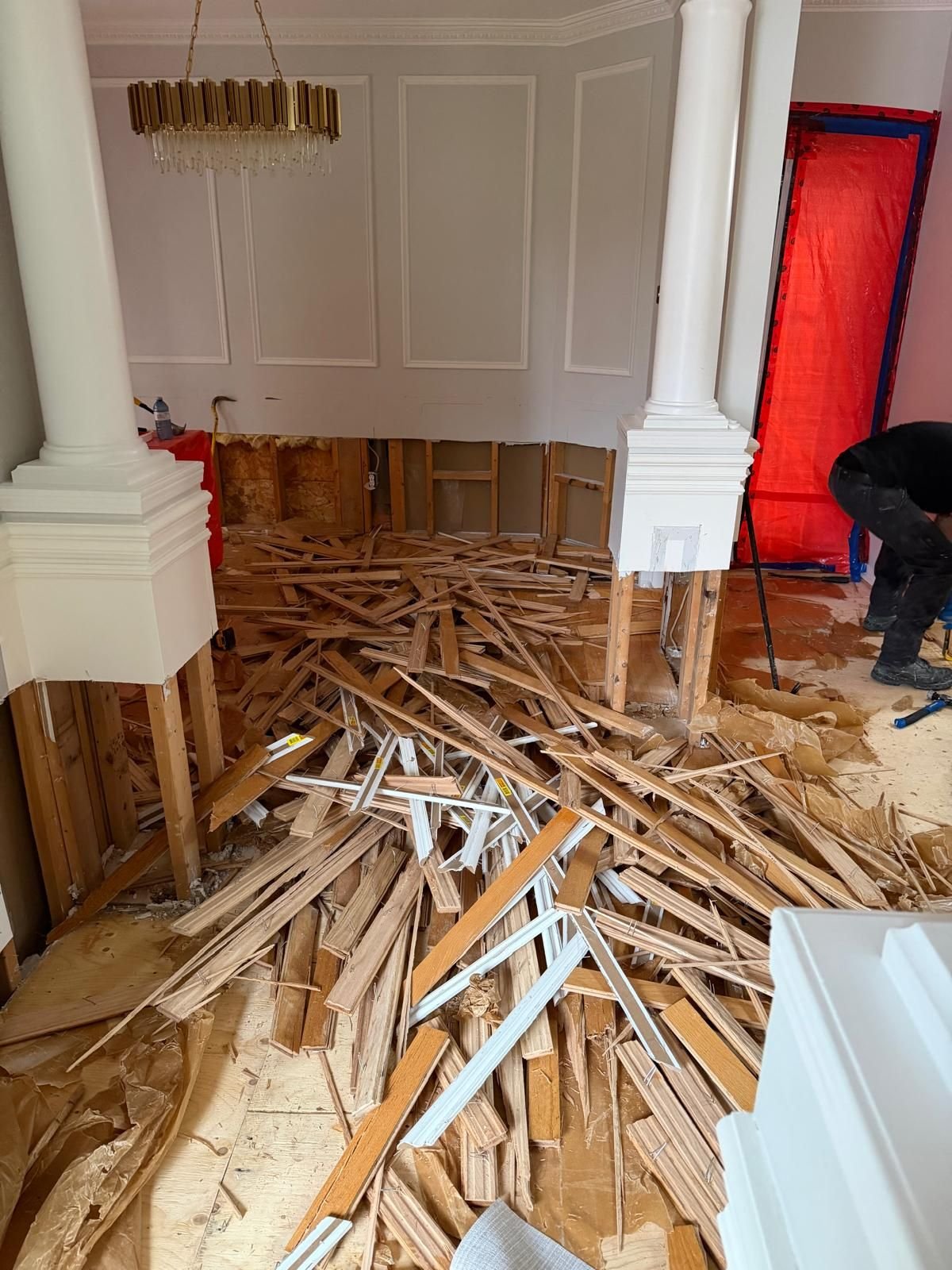
Published: November 2026 Basement flooding in Toronto is a growing concern for many homeowners. Heavy rain in Toronto can cause serious problems for homeowners. This is worse when stormwater overwhelms drains. It can also happen when sump pumps fail. Water may also enter through foundation cracks. Even minor basement flooding
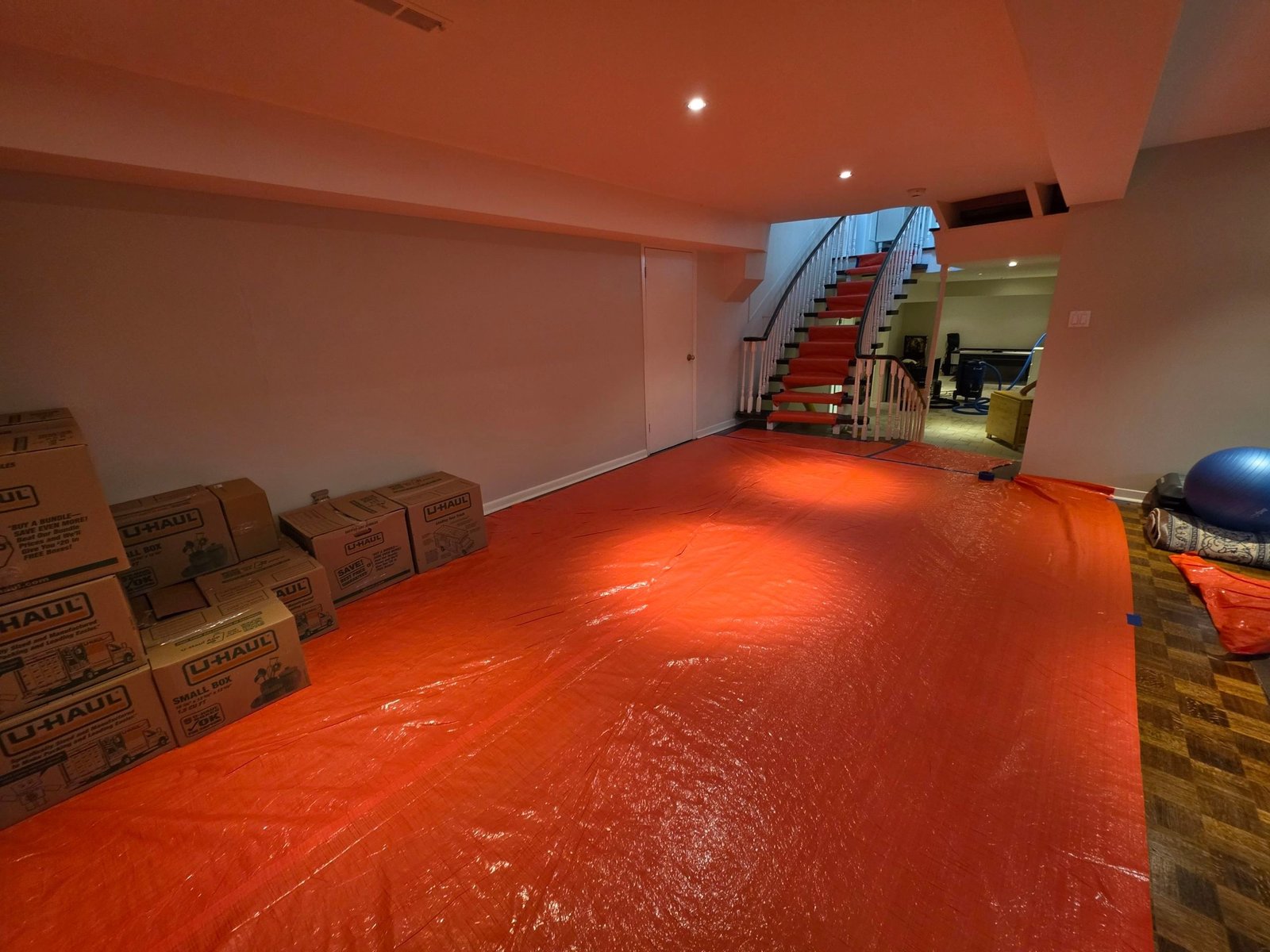
Basement flooding can turn a familiar storage space into a dangerous emergency within minutes. We understand the urge to rush in and save your belongings, but standing water can conceal electrical, gas, sewage, and structural hazards. If your basement is flooding, first protect people and pets. Identify the source only
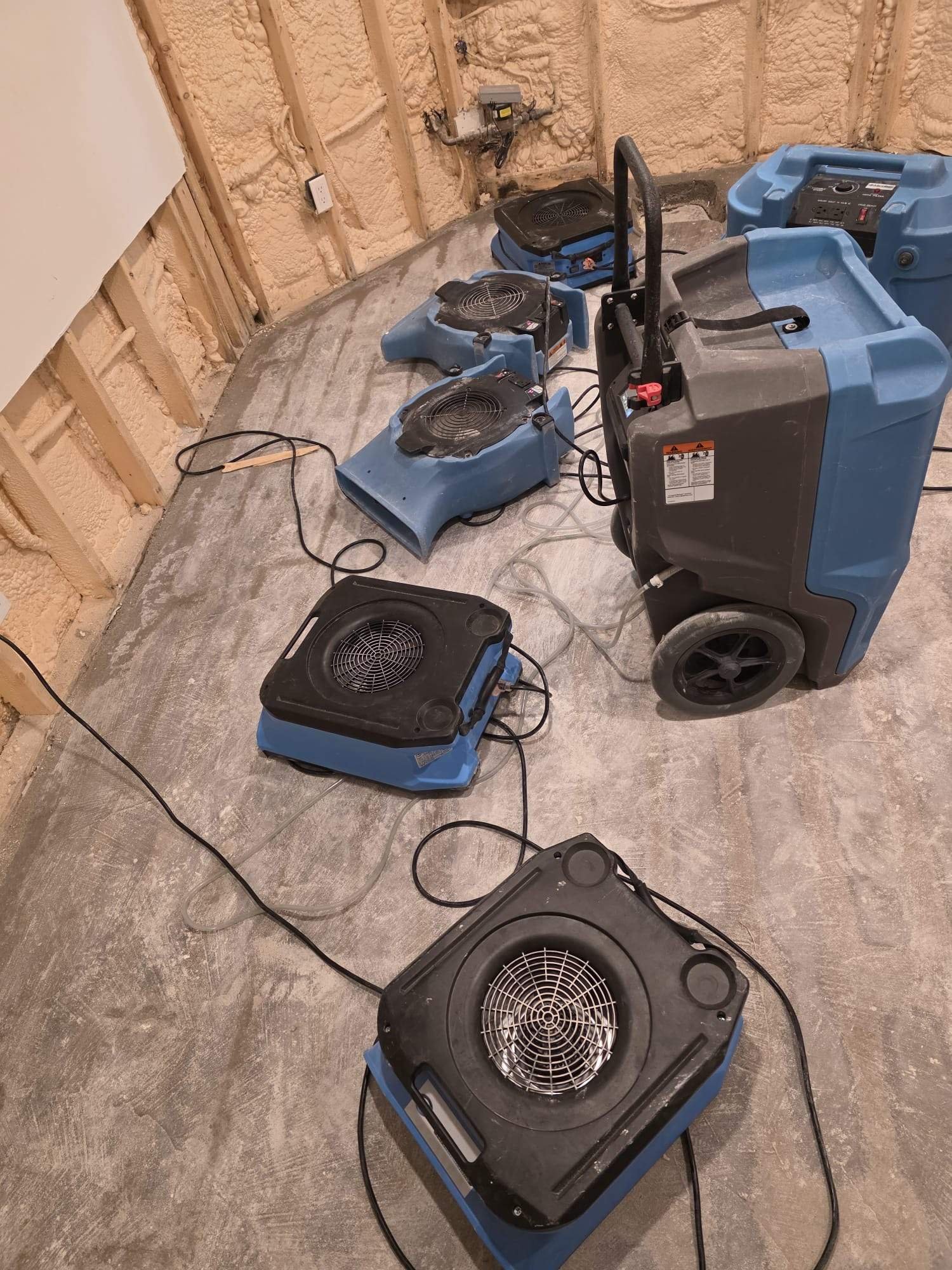
Water damage services in downtown Toronto address unwanted water, wet building materials, and the moisture problems left behind after leaks or flooding. Effective recovery involves more than removing puddles: affected materials need assessment, drying, cleaning, and sometimes replacement. When it comes to water damage restoration downtown Toronto, it’s important to
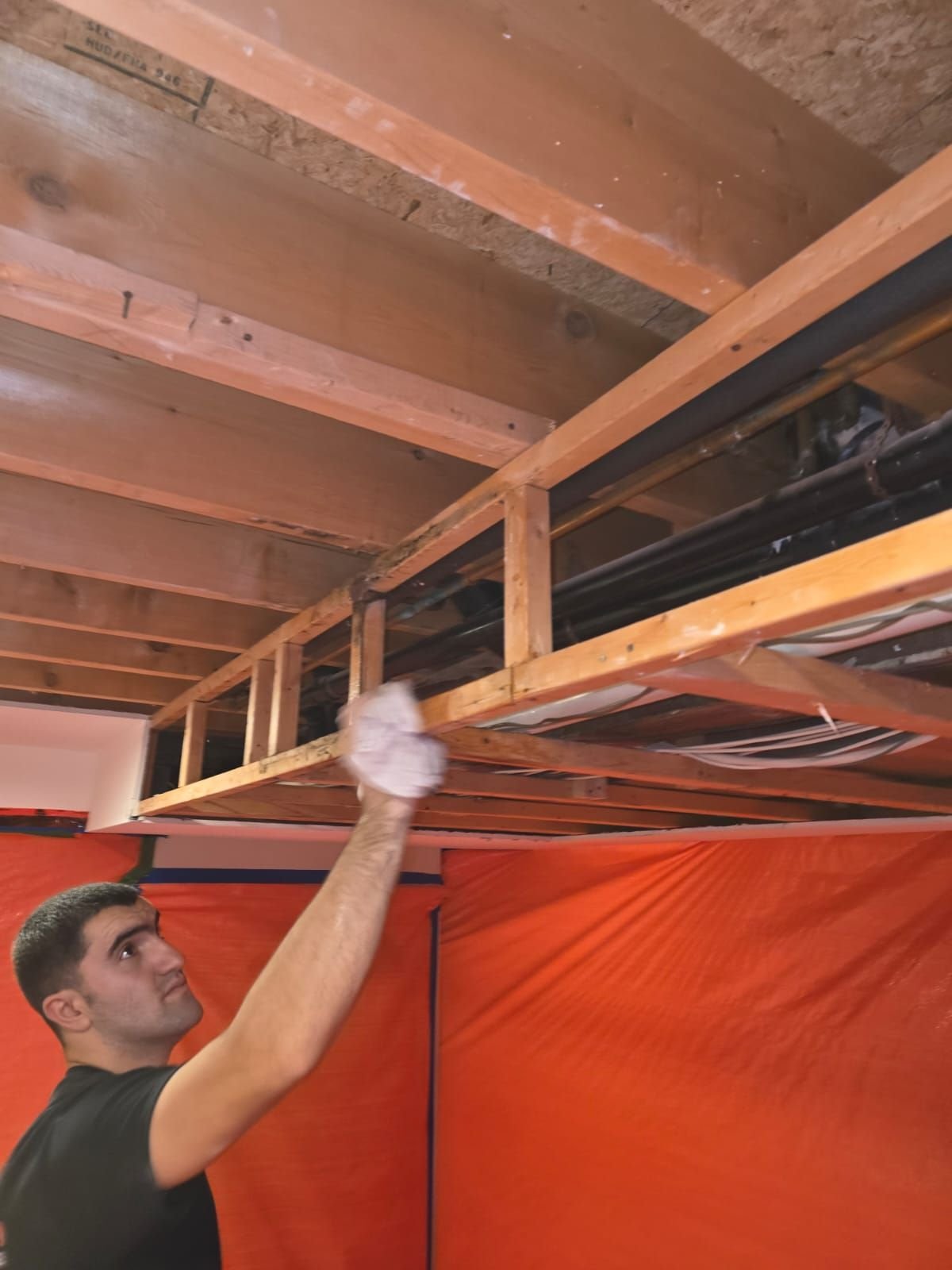
Mold removal becomes urgent when a musty smell fills a room. That odour traces back to wet basement foundation walls 99% of the time. Downtown Toronto’s crowded buildings and concrete surfaces put pressure on city sewers, forcing moisture into condos and older homes. We have seen this hidden growth become