

Reconstruction Services
Property Reconstruction & Water Damage Repairs in Toronto
CPR24 Restoration provides property reconstruction and water damage repairs in Toronto and the Greater Toronto Area. We restore affected interiors after leaks, flooding, and mold remediation, with services including drywall replacement, painting, flooring installation, baseboards, doors, and kitchen or bathroom repairs.
Our team helps homeowners, condo owners, and commercial property managers move from emergency cleanup to completed repairs. We assess the materials removed or damaged, prepare an itemized repair estimate, and coordinate the work around material selections and property access requirements.
Reconstruction begins once the moisture source has been addressed, necessary remediation is complete, and affected materials have reached appropriate drying goals. Call 416-551-8287 to discuss your property and arrange a repair assessment.
Last updated: October 2026
Repairs After Water Damage and Mold Remediation
Emergency mitigation and reconstruction serve different purposes. Water damage restoration addresses extraction, necessary material removal, cleaning, and structural drying. Reconstruction replaces the building materials and finishes needed to make the affected space usable again.
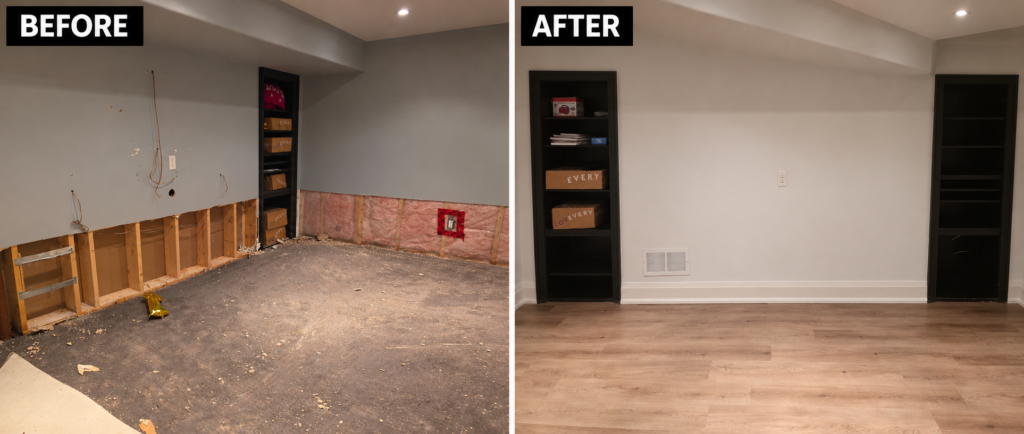
After mold remediation, repairs may include replacing removed drywall and insulation, reinstalling baseboards, painting, or restoring affected flooring and cabinetry. The repair scope depends on what was removed and the condition of the remaining materials.
CPR24 Restoration generally estimates mitigation and reconstruction separately. This allows the repair proposal to reflect the damage identified during removal and drying, with the included materials, quantities, and finishes explained before work begins.
Our Reconstruction and Interior Repair Services
Drywall, Insulation and Ceiling Repairs
We replace drywall and insulation removed during mitigation, including partial wall sections, full wall areas, and damaged ceilings where required. Finishing work may include taping, joint compound, sanding, priming, and painting, according to the approved scope.
Flooring Replacement
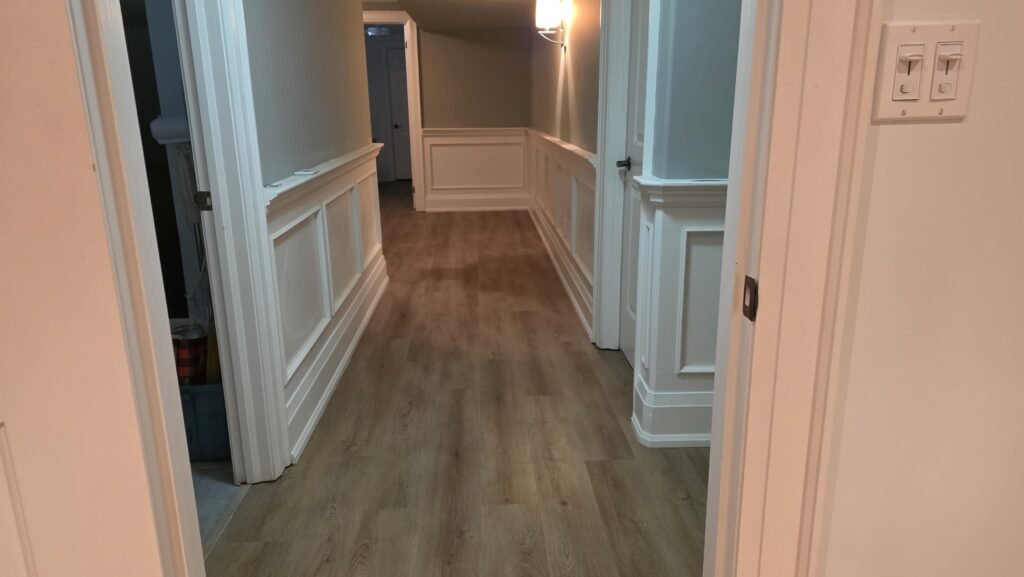
We install replacement flooring appropriate to the property and agreed estimate, including vinyl, laminate, engineered hardwood, hardwood, tile, and carpet. The scope identifies the flooring area, required preparation, applicable underlayment, and transitions.
Baseboards, Trim and Doors
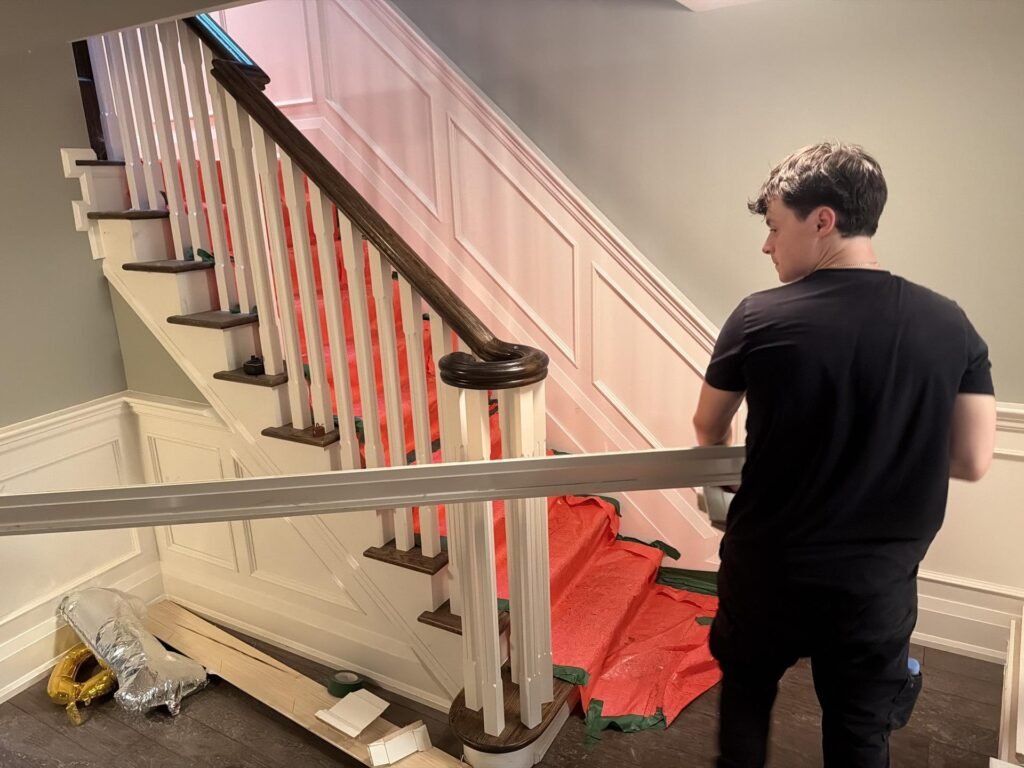
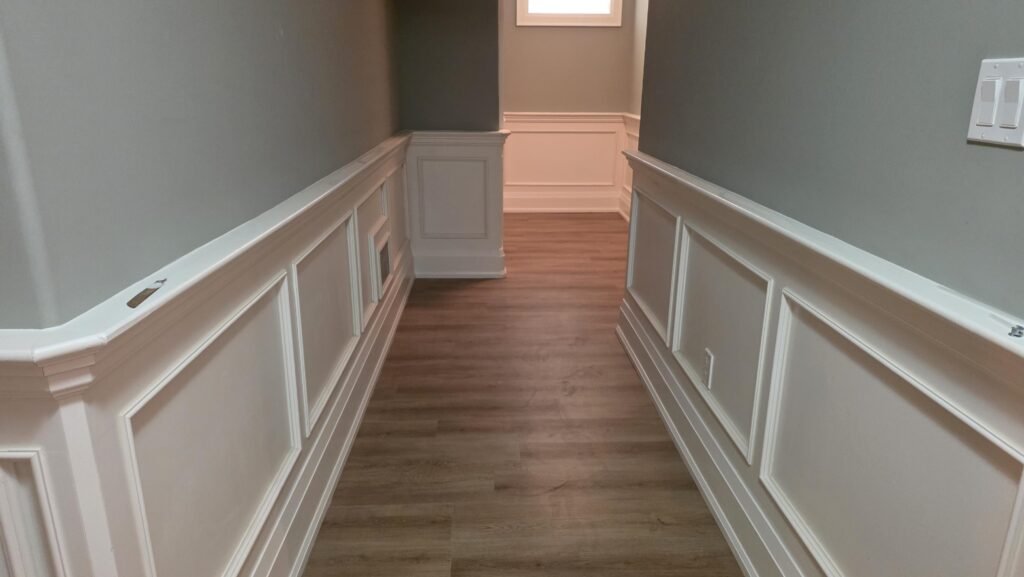
Repairs may include replacing damaged baseboards, door casing, interior doors, and related trim. Profiles, sizes, and finishes are reviewed when preparing the scope, particularly where new materials need to coordinate with retained finishes.
Kitchen and Bathroom Repairs
Following a leak or remediation, repairs may involve affected cabinets, vanities, countertops, backsplashes, wall finishes, or flooring. The proposed work depends on the materials removed, the condition of retained components, and the access required for installation.
Painting and Finishing
We prepare repaired surfaces and apply the specified primer and paint. The estimate identifies whether painting covers repaired sections, complete walls, ceilings, or a broader area needed to achieve the agreed finish.
Reconstruction for Homes, Condos and Commercial Properties
Repair planning depends on how the property is used and what access is available. For occupied homes, we discuss work areas, contents protection, and the order of repairs so you can plan around the project.
For condo and high-rise properties, scheduling may involve management approval, permitted work hours, elevator bookings, and material deliveries. These requirements should be confirmed before a start date is finalized.
For commercial properties, we discuss access restrictions and operational requirements when developing the repair schedule. Whether affected spaces can remain in use depends on the work and site conditions.
Our Reconstruction Process
1. Assess the Repair Area
We review the affected rooms, available mitigation records, and materials requiring reinstatement. Measurements and photographs help establish the repair scope. Concealed conditions or specialist assessments may need to be addressed before the estimate can be finalized.
2. Prepare an Itemized Estimate
The estimate identifies the proposed repairs, quantities, and material allowances or specifications. We distinguish included work from exclusions and optional upgrades so you can review the proposal before authorizing construction.
3. Confirm Materials and Scheduling
We discuss flooring, trim, paint, and other finish selections relevant to the project. Scheduling considers material availability, property access, building requirements, and the sequence of trades. Necessary approvals are confirmed before the affected work proceeds.
4. Complete Repairs in Sequence
Work is organized around the approved scope, from required preparation and material replacement through drywall finishing, painting, flooring, and trim installation. If additional damage is discovered, we explain the findings and proposed changes before proceeding with additional work.
5. Review the Completed Work
We review the completed repairs with you and identify any outstanding items within the agreed scope. Final documentation and any applicable workmanship warranty terms are provided according to the project agreement.
Initial Assessment and Emergency Response
The reconstruction process begins immediately after a disaster strikes. Emergency response teams are often the first on the scene, focusing on:
- Ensuring the safety of occupants and responders
- Assessing immediate risks and hazards
- Implementing temporary protective measures (e.g., board-ups, roof tarping)
- Documenting initial damage for insurance purposes
This rapid response helps prevent further damage and sets the stage for more comprehensive reconstruction efforts.
Water Extraction and Removal Services
Detailed Damage Evaluation
Once the immediate emergency has passed, reconstruction experts conduct a thorough evaluation of the property. This detailed assessment involves:
- Structural integrity checks
- Identification of salvageable elements
- Documentation of all damage through photos, videos, and written reports
- Preliminary cost estimates for reconstruction
The information gathered during this stage is crucial for developing an effective reconstruction plan and working with insurance providers.
Drying and Dehumidification
Developing a Reconstruction Plan
Based on the damage assessment, reconstruction professionals create a comprehensive plan outlining the scope of work required. This plan typically includes:
- Prioritized list of repairs and rebuilding tasks
- Timeline for completion of each phase
- Budget estimates for materials and labor
- Identification of any necessary permits or code compliance upgrades
- Strategies for minimizing disruption to occupants (if applicable)
Property owners work closely with the reconstruction team to review and approve the plan before work begins.
Cleaning and Sanitizing
Systems Installation and Interior Work
Once the basic structure is in place, attention turns to the property’s internal systems and finishes:
- Electrical wiring and fixtures
- Plumbing and HVAC systems
- Insulation and drywall installation
- Flooring installation
- Cabinetry and built-in elements
This stage brings the property closer to a functional, habitable state.
Restoration and Repairs
Final Inspections and Occupancy Approval
Before the reconstruction process is complete, the property must pass various inspections:
- Building code compliance checks
- Electrical and plumbing inspections
- Fire safety evaluations
- Final walk-throughs with property owners
Once all inspections are finished and any issues get fixed, the authorities can grant occupancy approval for the property. This lets residents or businesses return.
How Much Do Water Damage Repairs Cost?
Water damage repair costs depend on the area affected, materials requiring replacement, finish selections, and the preparation needed before installation. A localized drywall and baseboard repair requires a different scope from replacing flooring, ceilings, and cabinetry across several rooms.
Other factors include access restrictions, underlayment or subfloor preparation, trim matching, and the extent of painting. Condo work hours, elevator bookings, and multiple trade visits can also affect scheduling and labour requirements.
CPR24 Restoration prepares an itemized reconstruction estimate based on the assessed damage and agreed finishes. Emergency mitigation, repairs, and optional upgrades are identified separately so you can understand what each stage includes.


Repair Estimates and Insurance Documentation
For insurance-related projects, CPR24 Restoration can provide an itemized repair estimate, photographs, and explanations of the proposed work. With your authorization, we can communicate with your adjuster about quantities, materials, and the repair scope.
Replacement materials are reviewed against the existing finishes, availability, and the agreed estimate. Where an exact match is unavailable, we explain the available options and any proposed change in scope.
Your insurer determines coverage and payment approval. Before scheduling, we clarify the work you are authorizing and any outstanding estimate revisions, material selections, or approvals that could affect the project.
Plan Your Property Repairs with CPR24 Restoration
Working with a company that provides both mitigation and reconstruction can help maintain continuity between the initial damage assessment and the repair stage. Our repair planning considers what was removed, the condition of retained materials, and the finishes required to complete the affected areas.
CPR24 Restoration provides reconstruction services across Toronto, North York, Etobicoke, Scarborough, Mississauga, Brampton, Vaughan, Richmond Hill, Markham, Oakville, and surrounding GTA communities.
Call 416-551-8287 or email info@cpr24restoration.ca to discuss your repairs. If available, provide photographs, the mitigation report, room measurements, and any existing insurance repair estimate to help us review the project.
✅ Licensed, Insured & IICRC-Certified
✅ Available 24/7 for Emergencies
✅ Smooth Insurance Claim Assistance
✅ Modern Tools & Moisture Detection Equipment
✅ Before/After Project Walkthroughs
✅ Local Expertise Across Toronto & the GTA
We’re proud to serve Toronto, Etobicoke, North York, Mississauga, Brampton, Vaughan, Oakville, and surrounding areas.

How It Works
Enter Details
Please provide as much information as possible about your emergency service and answer a few questions. Within minutes, we will be able to provide you with an expert. It’s easy and quick!
Book Assessment
Hire Us
We are the best restoration company in the GTA. We are continually working to improve our processes and remain updated on new techniques and methodologies.
If your home experiences water damage or flooding, stop the water source if it is safe to do so and avoid areas with potential electrical hazards. Move valuable belongings away from the affected area when safe, take photographs for insurance purposes, and contact a professional water damage restoration company as soon as possible. Avoid entering sewage-contaminated water or using household vacuums to extract standing water. CPR24 Restoration provides 24/7 emergency water damage services, including water extraction, moisture assessments, structural drying, and cleanup.
The cost of water damage restoration depends on the size of the affected area, water contamination category, severity of damage, and materials requiring drying or removal. Smaller, localized water losses generally cost less than extensive basement flooding, sewage backups, or multi-room water damage. Pricing may include emergency water extraction, air movers, commercial dehumidifiers, antimicrobial cleaning, equipment monitoring, and demolition. CPR24 Restoration prepares detailed estimates based on the property’s condition, with reconstruction and finishing work generally quoted separately.
Professional structural drying commonly takes approximately 3–5 days, although smaller losses may dry sooner and extensive damage can require additional time. Drying duration depends on the amount of water, affected materials, humidity, temperature, and how deeply moisture has penetrated walls and flooring. CPR24 Restoration uses commercial dehumidifiers, air movers, moisture meters, and drying equipment to support and monitor the process. Equipment remains in place as needed until the affected materials reach appropriate drying goals.
Homeowners insurance often covers sudden and accidental water damage, such as certain burst pipes, plumbing failures, or appliance leaks, depending on the policy. Sewer backups and overland flooding may require additional coverage, while gradual leaks and maintenance-related damage are commonly excluded. CPR24 Restoration works with insurance companies and provides photographs, moisture readings, detailed restoration estimates, and supporting documentation to assist with the claims process. Coverage, deductibles, and payment approvals are determined by the insurance provider and the homeowner’s policy.
Professional water damage restoration typically includes an initial damage assessment, moisture detection, standing water extraction, removal of unsalvageable materials, structural drying, cleaning, and ongoing moisture monitoring. CPR24 Restoration follows IICRC S500 water damage restoration practices and uses commercial air movers, dehumidifiers, moisture meters, and thermal imaging equipment to assess and dry affected areas. HEPA air filtration and appropriate antimicrobial treatments may also be used when conditions require them. The restoration plan depends on the water source, contamination level, and affected building materials.
Yes. Mold can begin developing within approximately 24–48 hours under favourable moisture conditions, especially when drywall, insulation, carpeting, or other porous materials remain damp. However, visible mold does not necessarily appear within that timeframe. Prompt water extraction, professional structural drying, and moisture monitoring help reduce the risk of mold growth after flooding or leaks. CPR24 Restoration uses moisture detection equipment, air movers, and commercial dehumidifiers to address excess moisture. Existing mold contamination may require separate professional remediation.
Some water-damaged drywall and flooring can be dried and restored, depending on the water source, contamination level, exposure duration, and material condition. Clean-water damage may allow certain materials to be salvaged, while sewage-contaminated drywall, insulation, carpeting, and other porous materials often require removal. Hardwood, laminate, vinyl, and subflooring assemblies may also trap moisture beneath their surfaces. CPR24 Restoration evaluates moisture levels and material conditions to determine whether professional drying is appropriate or controlled removal and replacement are necessary.
Signs of hidden water damage include musty odours, bubbling paint, discoloured drywall, warped flooring, swollen baseboards, and unexplained dampness. Water can travel behind walls, beneath flooring, and into insulation or structural cavities without leaving obvious surface damage. CPR24 Restoration uses moisture meters, thermal imaging, and visual inspections to identify suspicious moisture conditions and assess affected materials. Thermal imaging can indicate temperature differences associated with potential moisture but does not directly measure water content. Additional investigation may be required to confirm concealed damage.
Whether a property is safe to occupy after flooding depends on the water source, contamination level, electrical hazards, and extent of damage. Clean-water incidents may allow occupants to remain in unaffected areas, while sewage backups, heavily contaminated floodwater, or extensive structural damage may require restricted access or temporary relocation. Sewage-contaminated water can contain harmful microorganisms and should not be handled without appropriate precautions. CPR24 Restoration provides professional sewage cleanup, contaminated-material removal, cleaning, and drying services based on the property’s conditions.
Water damage restoration generally begins with emergency mitigation, including water extraction, removal of damaged materials, cleaning, and structural drying. Once the affected areas have reached appropriate drying goals, reconstruction can begin. CPR24 Restoration also provides repair and reconstruction services, including drywall replacement, taping, sanding, painting, flooring installation, baseboards, and other necessary finishing work. Emergency water damage mitigation and reconstruction are typically estimated separately, allowing the final repair scope to reflect the damage identified during cleanup and drying.
CPR24 Restoration has office locations in North York, Richmond Hill, Vaughan, Aurora, Etobicoke, Mississauga, and Oakville. Our team provides on-site water damage restoration across Toronto and surrounding communities, including Scarborough, Woodbridge, Maple, Markham, Stouffville, Newmarket, King City, Bradford, Bolton, Caledon, Brampton, Burlington, Milton, Pickering, Ajax, Whitby, Oshawa, and Uxbridge. Services include emergency water extraction, flooded basement cleanup, sewage backup cleanup, structural drying, and water damage repairs. Call 416-551-8287 for 24/7 emergency assistance and to confirm availability at your property.
24/7 Water Damage and Mold Removal Services
Contact Us Today







Why Choose Us

Appointments

Fast Service

Experience

Certified Mold Removal & Remediation Company

Workmanship

Approved Pricing
Contact Us Now
Featured CPR24 Restoration Projects
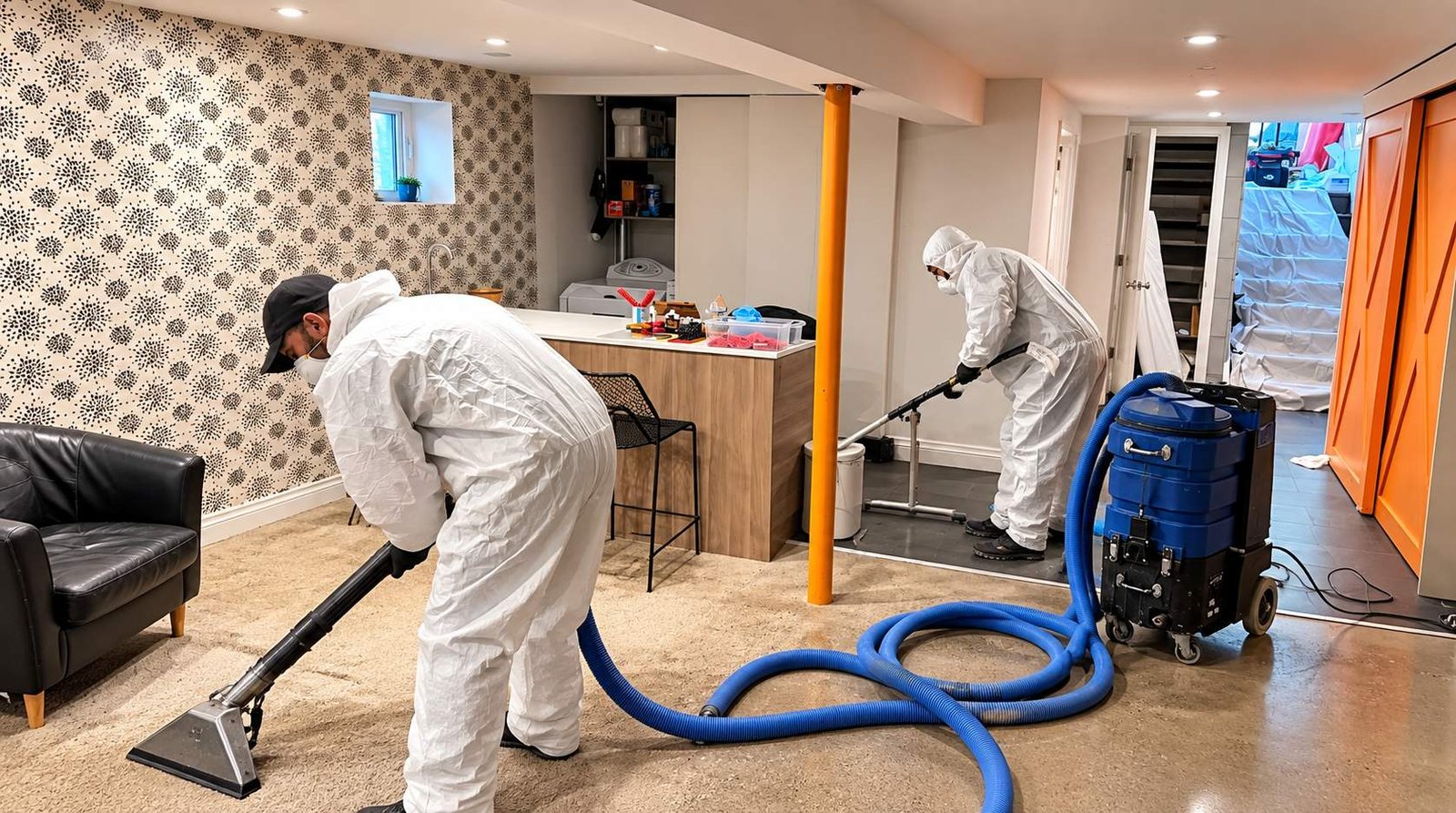
At CPR24 Restoration, we take pride in delivering high-quality restoration services that help homeowners and businesses recover from disasters. Our featured projects showcase real-life examples of water damage restoration, mold removal, fire damage recovery, and more. Each project highlights our expertise, rapid response, and commitment to restoring properties efficiently and safely. From minor repairs to full-scale restorations, we ensure every job is completed with precision and care.




What Our Clients Are Saying


 Trustindex verifies that the original source of the review is Google.
 Trustindex verifies that the original source of the review is Google.
 Trustindex verifies that the original source of the review is Google.
 Trustindex verifies that the original source of the review is Google.
 Trustindex verifies that the original source of the review is Google.
 Trustindex verifies that the original source of the review is Google.
 Trustindex verifies that the original source of the review is Google.
 Trustindex verifies that the original source of the review is Google.
 Trustindex verifies that the original source of the review is Google.
 Trustindex verifies that the original source of the review is Google.
Related Blog Posts
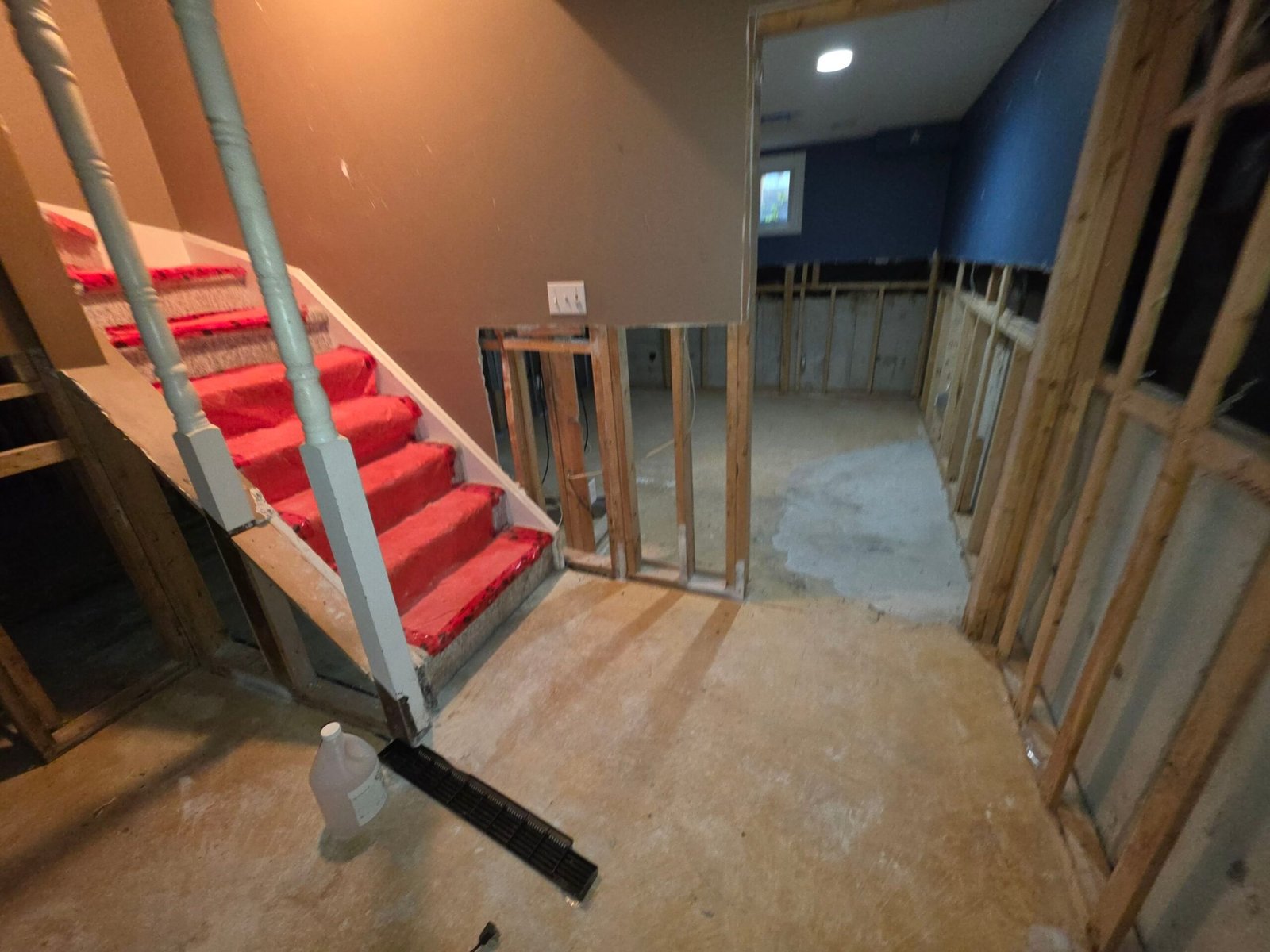
A flooded Toronto home calls for three priorities: stay out of electrical danger, report the flooding, and arrange safe cleanup. Once the immediate risk is controlled, documenting the damage and identifying how water entered will help guide your insurance claim and repairs. This article explains what to do first, what
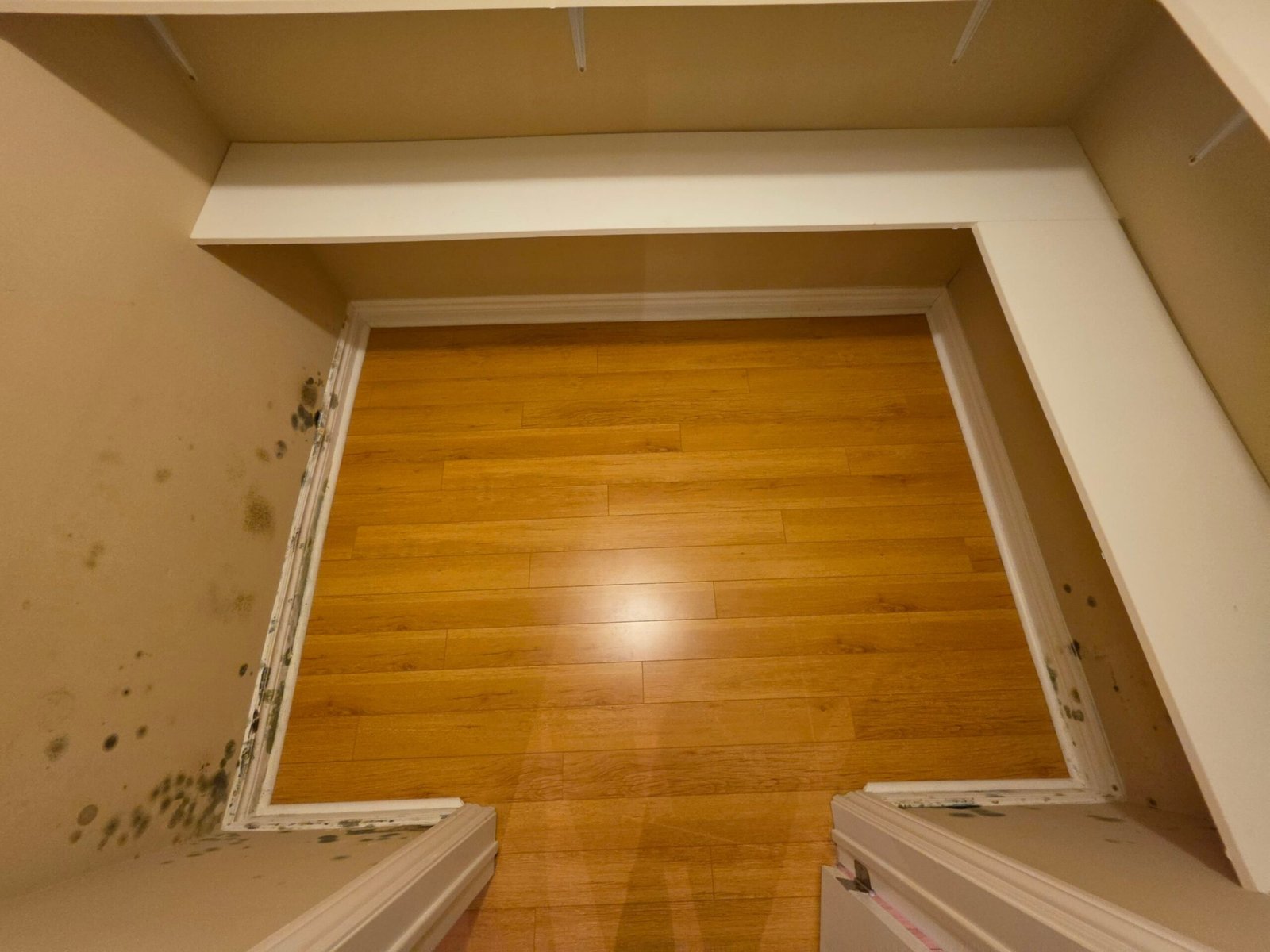
Professional mold removal addresses contaminated materials and the moisture conditions that allow mold to grow. For Midtown Toronto homeowners, tenants, and property managers, the priority is a clear assessment followed by appropriate cleanup—not simply covering stains. This article explains when to seek help, what to ask contractors, and how to
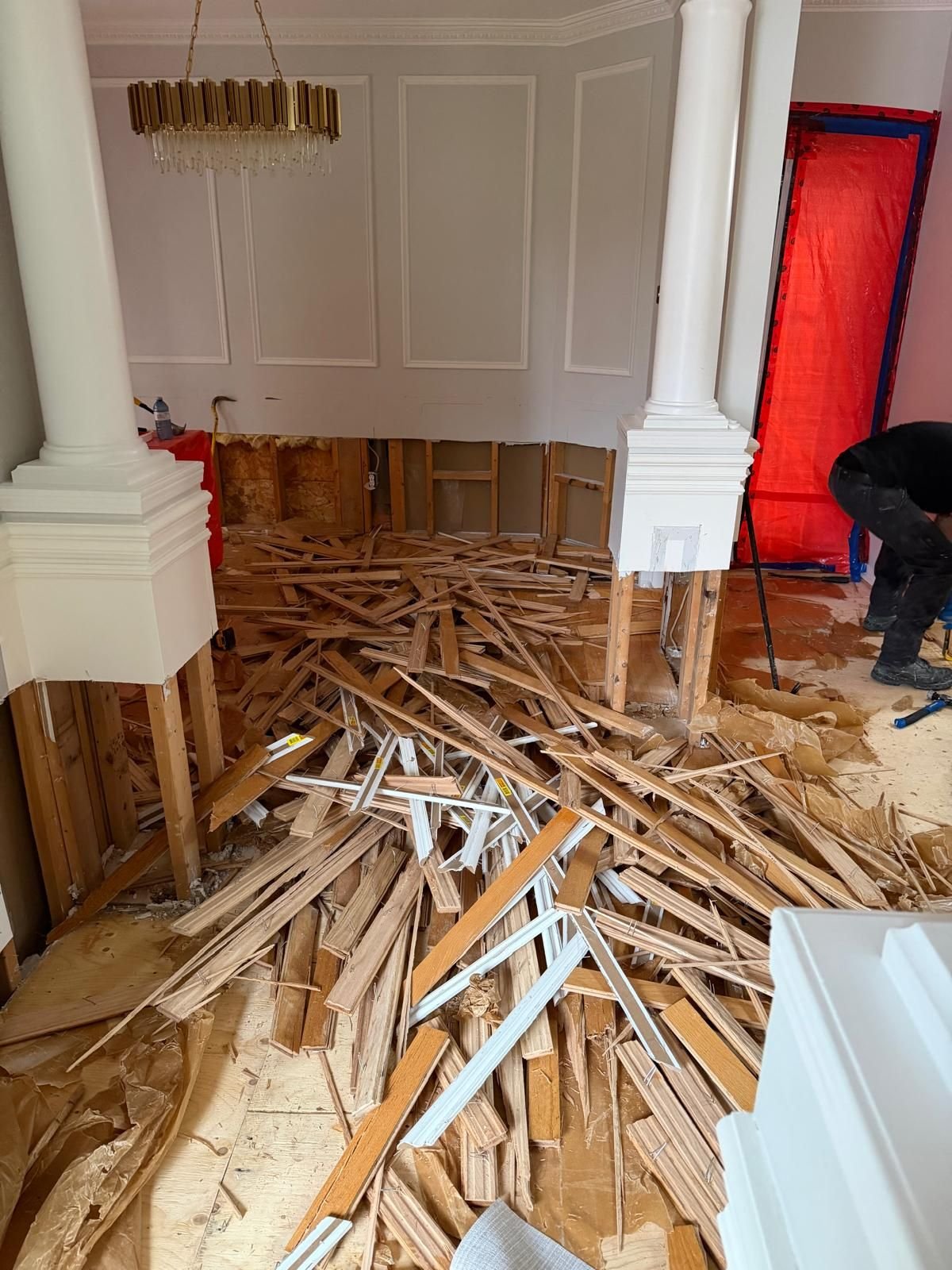
Published: November 2026 Basement flooding in Toronto is a growing concern for many homeowners. Heavy rain in Toronto can cause serious problems for homeowners. This is worse when stormwater overwhelms drains. It can also happen when sump pumps fail. Water may also enter through foundation cracks. Even minor basement flooding
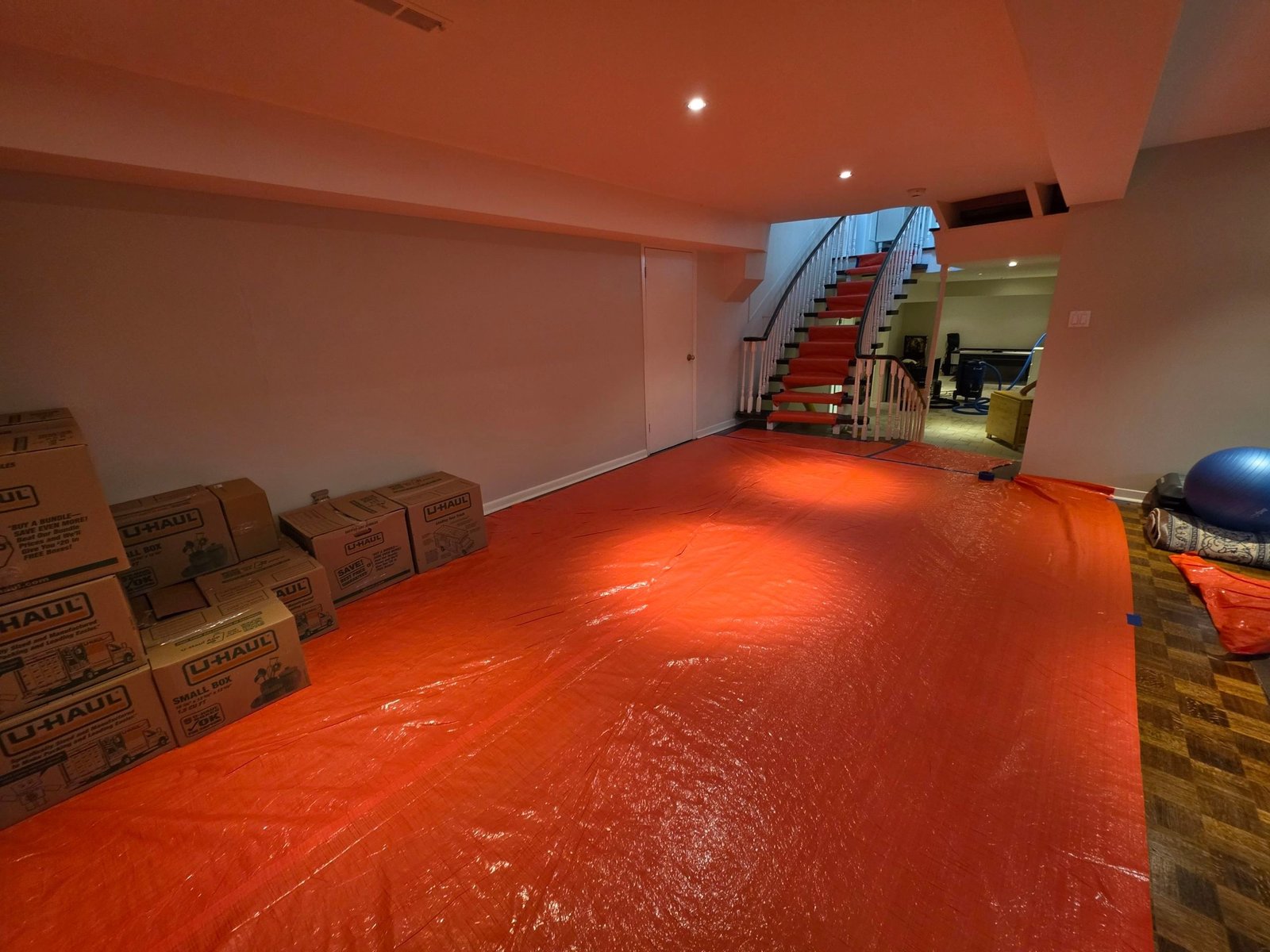
Basement flooding can turn a familiar storage space into a dangerous emergency within minutes. We understand the urge to rush in and save your belongings, but standing water can conceal electrical, gas, sewage, and structural hazards. If your basement is flooding, first protect people and pets. Identify the source only
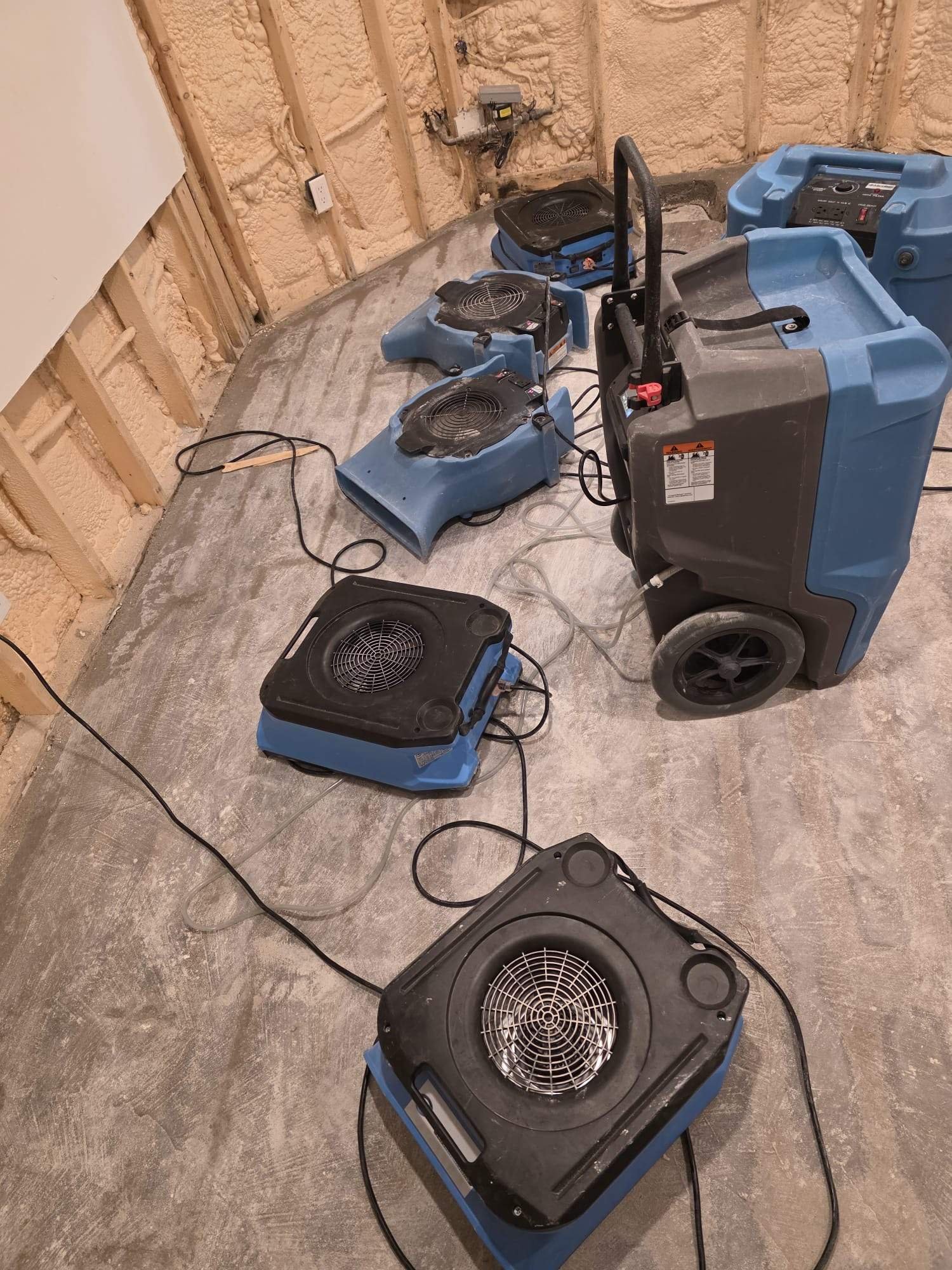
Water damage services in downtown Toronto address unwanted water, wet building materials, and the moisture problems left behind after leaks or flooding. Effective recovery involves more than removing puddles: affected materials need assessment, drying, cleaning, and sometimes replacement. When it comes to water damage restoration downtown Toronto, it’s important to
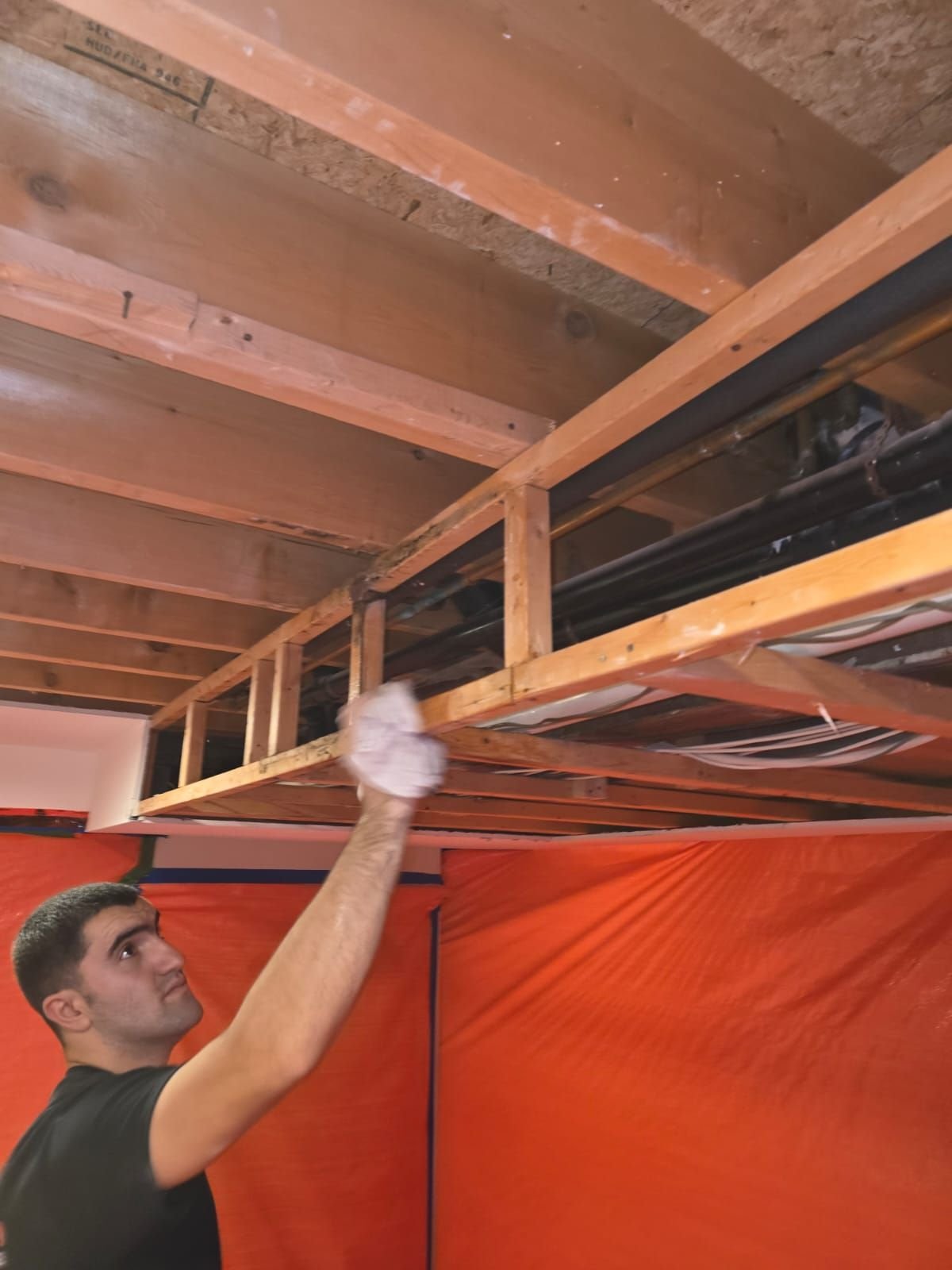
Mold removal becomes urgent when a musty smell fills a room. That odour traces back to wet basement foundation walls 99% of the time. Downtown Toronto’s crowded buildings and concrete surfaces put pressure on city sewers, forcing moisture into condos and older homes. We have seen this hidden growth become