

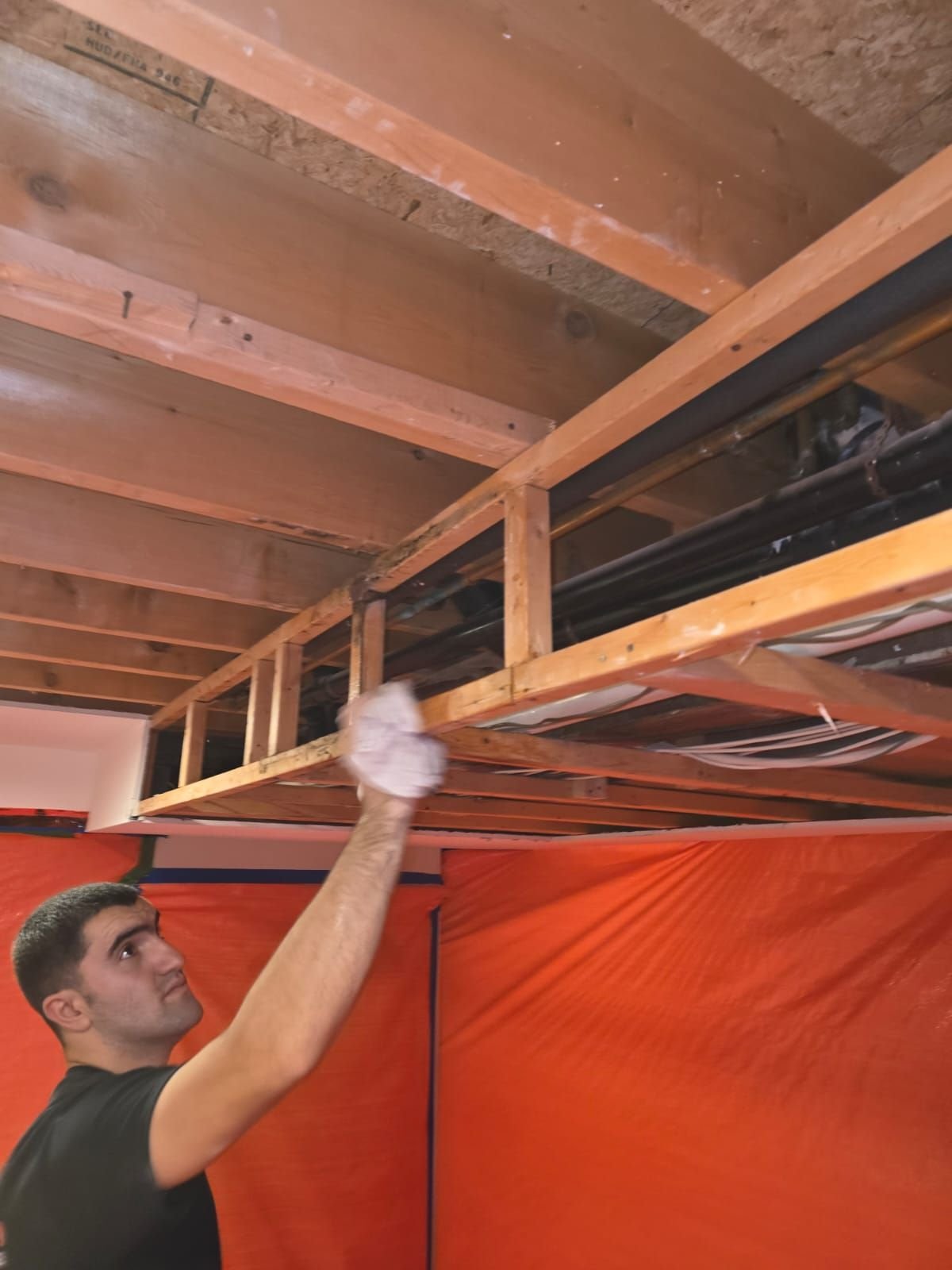
Mold removal becomes urgent when a musty smell fills a room. That odour traces back to wet basement foundation walls 99% of the time. Downtown Toronto’s crowded buildings and concrete surfaces put pressure on city sewers, forcing moisture into condos and older homes. We have seen this hidden growth become a health concern quickly for residents with allergies or asthma.
CPR24 Restoration handles mold inspection downtown Toronto, black mold removal, and certified mold removal downtown Toronto.
When You Need Mold Removal in Downtown Toronto
Knowing when to call for help starts with recognizing the signs your property shows. I look for patterns that reveal whether discolouration is a quick fix or a sign of a larger issue behind the walls.
Visible growth, musty smells, and water damage
Visible mold growth is the clearest sign that you need to act right away because mold can spread fast once it takes hold. A musty odor without visible staining often means mold is active somewhere I can’t see yet. Water stains, peeling paint, warped baseboards, and previous flooding also point to an active moisture problem. A small spot that you noticed recently on a hard surface may, in stark comparison to this, not require professional help.
Bathroom mold around showers, walls, and ceilings
Bathrooms are among the most common places for mold in Toronto homes because showers create constant humidity and steam. Mold often appears behind walls, under vanities, around tubs, on ceilings, and near exhaust fans. Steam rises and makes ceilings especially vulnerable. Poorly vented exhaust fans, hidden plumbing leaks, and condensation that does not dry can all contribute to the problem. I treat mold that covers more than 10 square feet or returns after cleaning as a professional job, not a weekend project.
Hidden mold in basements, attics, and condo units
Hidden mold can develop behind drywall, beneath flooring, above ceiling tiles, and inside wall cavities where moisture becomes trapped. Persistent musty smells, damp drywall, and past water damage often suggest a concealed problem rather than no problem at all. Moisture meters and thermal imaging can help identify suspicious conditions in these cases, although they cannot confirm mold growth on their own. The same concern applies to condo units, attics, and basements throughout Toronto, including the downtown core.
Mold exposure concerns for people with asthma or allergies
Mold exposure can cause real health effects in sensitive people, including sneezing, a runny nose, red eyes, and skin rashes. If you have asthma, mold can trigger wheezing, shortness of breath, and chest tightness. Indoor humidity above 50% increases the risk of mold growth. Children, seniors, and people with weakened immune systems may be more sensitive to prolonged exposure. Anyone who notices these symptoms at home should inspect the property rather than assume they are dealing with seasonal allergies.
Choosing a Mold Removal Service and Comparing Costs
Hiring the right contractor matters as much as identifying the problem itself. Ontario does not regulate mold inspectors or remediators, so anyone with business cards can call themselves a specialist. You need to vet contractors before work begins.
Check training, insurance, and local reviews
Look for IICRC certification, particularly Applied Microbial Remediation Technician (AMRT) training, which confirms inspection and removal skills. Confirm that the contractor carries liability insurance that specifically covers mold removal, rather than only general contracting or cleaning. Ask whether the company supports third-party clearance testing instead of inspecting its own work. A conflict of interest can arise if the same firm inspects an area it remediated. Cancel the appointment if a technician arrives without a moisture meter, respirator, or proper gear.
Compare written quotes, cleanup plans, and exclusions
A fair quote identifies the affected materials, containment method, HEPA filtration, disposal plan, and moisture-source correction in writing. Ask what happens if workers find more mold after opening a wall, and confirm whether reconstruction is included or billed separately. Quotes that omit containment or moisture correction often allow mold to return within months.
How Professional Mold Remediation Works
Once a contractor confirms that the problem needs professional attention, the mold remediation process follows a clear sequence instead of relying on guesswork.
Inspect the property and find the moisture source
A full visual inspection is more reliable than air sampling when identifying mold problems. I inspect ceiling tiles, walls, floors, window sills, insulation, carpet, furniture, and areas behind ductwork. A mirror helps when I cannot access those spaces directly. Moisture meters identify damp conditions that can stimulate mold growth, even when surfaces look dry.
Decide whether mold testing is needed
Visible mold does not need testing because sampling adds cost without changing the treatment plan. Testing can help identify hidden growth, resolve disputes, or confirm that completed work was successful. Health Canada and similar public health organizations do not recommend air testing because results cannot predict health effects or identify the moisture source.
Fix the water problem before cleanup
Cleanup is not complete until the water issue is resolved. Mold will return if its moisture source remains. Wet materials need to dry within 24 to 48 hours after a leak or spill to prevent mold from taking hold.
Contain the work area and control airborne dust
I seal floors, vents, and other openings with plastic sheeting. I may also shut down the HVAC system to prevent spores from moving through the building. HEPA-filtered exhaust fans create negative pressure in larger contaminated areas and keep spores inside the active work zone.
Remove damaged materials and clean affected surfaces
Porous materials like drywall, carpet, and ceiling tiles often need disposal because mold can enter crevices that scrubbing cannot reach. Workers can scrub non-porous surfaces, such as metal, glass, and concrete, with detergent. Those surfaces must dry completely before reuse.
Check that the area is clean and dry before repairs
I revisit the site after cleanup to confirm that no water damage or mold growth remains before repairs begin or anyone moves back in.
How to Prevent Mold From Returning
Mold stays away only when moisture remains under control, and that responsibility doesn’t end after the remediation crew leaves. Fixing visible damage without addressing the cause means the mold removal work won’t last.
Control indoor humidity and improve ventilation
Keep indoor relative humidity between 30% and 50%, since higher levels give mold spores the moisture they need to grow. A humidity or moisture meter from most hardware stores makes tracking levels easy. Use the bathroom fan for at least 30 minutes after a shower, and run kitchen range hoods while cooking. Clothes dryers should vent outside to reduce trapped moisture. Basements benefit from a dehumidifier that runs year-round, and windows should stay closed while it operates. Avoid hanging wet laundry indoors because it can raise humidity without notice.
Check plumbing, roofs, and windows for new leaks
Repair plumbing leaks immediately, and clean gutters regularly so water flows away from the roofline. Grade the ground away from the foundation to prevent water from pooling near the building [162]. Condensation on windows or pipes signals a moisture problem that needs attention before mold can return.
Contact CPR24 Restoration for Downtown Toronto Mold Removal today!
Mold removal in downtown Toronto depends on spotting warning signs early, hiring a certified contractor, and correcting moisture issues permanently. Skipping containment or failing to fix the source can cause mold to return within months. I recommend getting written quotes and independent testing, along with year-round humidity control. Homeowners who watch for leaks and maintain proper ventilation can keep their properties mold-free long after remediation ends.
Key Takeaways
• Act quickly on musty odors, visible growth, water stains, or recurring bathroom mold—especially when affected areas exceed 10 square feet.
• Hire certified, insured remediation professionals and compare written quotes covering containment, HEPA filtration, disposal, moisture repairs, and reconstruction exclusions.
• Fix leaks and moisture sources before cleanup; drying wet materials within 24–48 hours helps prevent mold from taking hold or returning.
• Prevent recurrence by maintaining 30–50% indoor humidity, ventilating bathrooms and kitchens, and checking plumbing, roofs, windows, and foundations for leaks.
FAQs
Q1. How much does professional mold removal cost in Downtown Toronto?
Small jobs on hard surfaces may cost about CAD 700–2,100, while larger remediation projects can reach CAD 20,900. The affected area, hidden damage, and repair needs influence the price.
Q2. How can I find a reliable mold removal company in Toronto?
Look for IICRC-certified professionals with mold remediation training, mold-specific liability insurance, and good local reviews. Compare written quotes covering containment, cleanup, disposal, and moisture correction.
Q3. What can I do if professional mold removal is too expensive?
Compare written quotes and check whether repairs are included. A small, recent spot on a hard surface may not need professional removal, but recurring mold or growth covering more than 10 square feet warrants professional help.
Q4. Is a mold inspection worth getting?
An inspection can help when you notice persistent musty smells, damp walls, or previous water damage. It helps locate moisture problems and possible hidden growth. Visible mold usually does not need testing before removal.
Q5. How can I stop mold from returning after cleanup?
Fix leaks, keep indoor humidity between 30% and 50%, and improve ventilation. Run bathroom fans for at least 30 minutes after showers, and dry wet materials within 24–48 hours.