
Basement flooding is a pressing concern for homeowners, particularly in regions like Ajax, Ontario. This area is close to water bodies and has changing weather patterns. It faces special challenges with water intrusion.
Whether caused by heavy rains, melting snow, or plumbing failures, the consequences of a flooded basement can be devastating. Understanding the causes, prevention strategies, and remediation options is crucial for homeowners to safeguard their properties.
People in the Durham Region often deal with basement flooding. This is common in areas with bad drainage or old infrastructure. If you’re in Ajax and dealing with a basement flood, you’re not alone—and help is available.
One of the most important tips is to identify the cause of the water intrusion. To fix basement flooding in Ajax, it is important to find the problem.
This could be a cracked foundation, a failed sump pump, or a backed-up drain. Identifying the issue helps prevent future problems. To prevent flooding in Ajax homes, waterproof your basement. Install a backup sump pump and clean eavestroughs regularly.
Many homeowners feel scared and ask, “What should I do about my flooded basement?”
First, take pictures of the damage. You will need them for your insurance company. Then, contact a professional who specializes in basement flooding repair. Ajax has several experienced restoration companies ready to assist with flood in my basement.
If your basement floods, it is important to act within the first 24 to 48 hours. This helps reduce damage to the structure and prevents serious mold problems.
Understanding Basement Flooding
Basement flooding occurs when water accumulates in areas that are typically dry. This can happen because of several factors, including:
1. Natural Causes
- Heavy Rainfall: Intense storms can overwhelm drainage systems, causing water to seep into basements.
- Snow melt can rapidly increase water flow, especially if the ground remains frozen.
- Flooding from Nearby Water Bodies: Proximity to rivers or lakes increases the risk of flooding during heavy rains.
2. Structural Issues
- Poor Grading: If the land around a home slopes towards the foundation, it can direct water into the basement.
- Foundation Cracks: Even small cracks in the foundation can allow water to seep in during heavy rains.
- Sump pump failures can still cause flooding in homes equipped with sump pumps if the owner fails to maintain the pump properly.
3. Plumbing Failures
- Burst Pipes: A sudden pipe burst can release a significant amount of water into the basement.
- Sewer Backups: Blockages in sewer lines can cause wastewater to back up into the home.
Understanding these causes is the first step toward effective prevention and remediation.
Basement flooding in Ajax is a common problem for homeowners. It often happens during heavy rain, quick snowmelts, or plumbing issues. If you have a flooded basement in Ajax, knowing what to do right away can save you time and money. It can also help prevent long-term damage to your home.
The first step when dealing with basement flooding is safety. Turn off the electricity and do not enter the water until it is safe. Then, assess the extent of the water damage restoration services and begin the process of flooded basement cleanup.
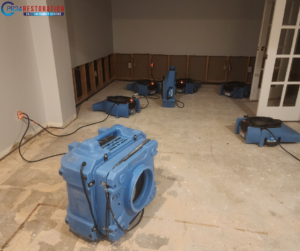
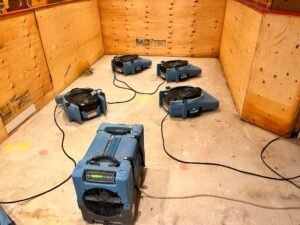
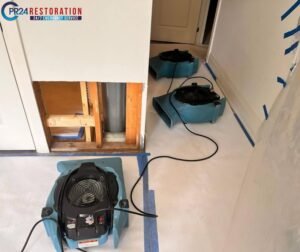
When wondering what to do if your basement floods, quick action is key. Start by removing standing water using pumps, wet vacuums, or calling professionals. Next, dry out the area thoroughly with dehumidifiers and fans to prevent mold growth.
To clean a flooded basement, always wear protective gear. Remove soaked materials like carpets and drywall. Disinfect all surfaces to get rid of bacteria and mold spores.
Signs of Ajax Basement Flooding
Recognizing the signs of basement flooding early can help mitigate damage. Homeowners should be vigilant for:
1. Water Buildup
- Standing Water: Puddles or pools of water in the basement are clear indicators of flooding.
- Dampness or Moisture: Even if there is no visible water, damp walls or floors can signal a problem.
2. Musty Odours
- Mold Growth: A musty smell often accompanies mold growth, which thrives in damp environments.
3. Structural Damage
- Peeling Paint or Wallpaper: Water damage can cause paint and wallpaper to peel or bubble.
- Warped Flooring: Wood floors may warp or buckle when exposed to excessive moisture.
4. Increased Humidity
- High Humidity Levels: A sudden increase in humidity can indicate water intrusion.
By being aware of these signs, homeowners can take swift action to address potential flooding issues.
The Importance of Immediate Action
When faced with a flooded basement, immediate action is vital. The longer water remains in the basement, the more damage it can cause. Here are key reasons to act quickly:
1. Prevent Structural Damage
- Foundation Compromise: Prolonged exposure to water can weaken the foundation, leading to costly repairs.
- Damage to Electrical Systems: Water can damage electrical systems, posing safety hazards.
2. Health Risks
- Mold Growth: Mold can begin to develop within 24-48 hours of water exposure, leading to health issues.
- Contaminated Water: Floodwater can carry harmful bacteria and pathogens, especially if it originates from sewage.
3. Cost Implications
- Increased Repair Costs: The longer the delay in addressing flooding, the higher the repair costs can escalate.
- Insurance Complications: Delays may complicate insurance claims, potentially leading to denied coverage.
Understanding the urgency of the situation can help homeowners prioritize their response efforts.
Ajax Emergency Response Steps
If a basement flood occurs, taking the right steps can minimize damage and facilitate recovery. Here’s a structured approach to managing a flooded basement emergency:
1. Safety First
- Turn Off Power: If safe to do so, switch off the power supply to the basement to prevent electrical hazards.
- Evacuate: Ensure that all occupants leave the area to avoid exposure to contaminated water.
2. Assess the Situation
- Identify the Source: Determine whether the flooding is because of natural causes or plumbing failures.
- Evaluate Damage: Assess the extent of the flooding and any immediate threats to safety.
3. Start Water Removal
- Use Pumps: If the water level is significant, employ submersible pumps to remove water quickly.
- Wet/Dry Vacuums: For smaller amounts of water, wet/dry vacuums can be effective.
4. Dry the Area
- Dehumidifiers: Utilize dehumidifiers to reduce humidity levels in the basement.
- Fans: Set up fans to promote air circulation and expedite the drying process.
5. Clean and Sanitize
- Disinfect Surfaces: Clean and disinfect all surfaces that came into contact with floodwater to prevent mold growth.
- Remove Damaged Items: Discard any items that are beyond repair, including carpets, drywall, and furniture.
6. Document Damage
- Take Photos: Document the damage for insurance claims by taking photographs of affected areas.

Our expert team in Ajax will remove all standing water in your flooded basement.
Professional Ajax Flood Basement Restoration Services
While homeowners can take initial steps to address flooding, professional restoration services are often necessary for comprehensive recovery. These experts provide:
1. Water Extraction
- Advanced Equipment: Restoration companies utilize powerful pumps and vacuums to remove water quickly and efficiently.
2. Mold Remediation Services
- Mold Assessment: Professionals conduct thorough assessments to identify and address mold growth.
- Safe Removal: They employ safe and effective methods for mold removal, ensuring a healthy environment.
3. Structural Repairs
- Foundation Repair: Experts can address any structural damage caused by flooding, restoring the integrity of the home.
- Waterproofing Solutions: They may recommend waterproofing measures to prevent future flooding.
4. Insurance Coordination
- Claims Assistance: Restoration companies can assist homeowners in navigating the insurance claims process.
Engaging professional services ensures that experts address the flooding comprehensively and effectively.
Preventive Measures for Homeowners
To prevent basement flooding in Ajax, ensure your downspouts are directed at least six feet away from your home’s foundation. Regular maintenance of your sump pump, checking your home’s grading, and sealing cracks in your foundation are proactive steps you can take. In areas of the Durham Region that are prone to floods, think about installing a backwater valve. This can help stop sewage backups, which often cause basement flooding.
Preventing basement flooding is always more cost-effective than dealing with the aftermath. Homeowners can take several proactive measures to safeguard their basements:
1. Regular Maintenance
- Gutter Cleaning: Ensure gutters and downspouts are clear of debris to facilitate proper water drainage.
- Foundation Inspections: Regularly inspect the foundation for cracks and address them promptly.
2. Improve Grading
- Landscaping: Ensure that the landscaping around the home slopes away from the foundation to direct water away.
3. Install Sump Pumps
- Backup Systems: Consider installing a sump pump with a backup power source to prevent failures during heavy storms.
4. Waterproofing Solutions
- Sealants: Apply waterproof sealants to basement walls to prevent moisture intrusion.
- Interior Drainage Systems: Installing an interior drainage system can help redirect water away from the foundation.
5. Regular Inspections
- Professional Assessments: Schedule regular inspections with a plumbing professional to identify potential issues early.
By implementing these preventive measures, homeowners can significantly reduce the risk of basement flooding.
Understanding the Ajax Costs of Flooding
The financial implications of basement flooding can be significant. Homeowners should be aware of the various costs associated with flooding, including:
1. Cleanup and Restoration Costs
- Water Removal: Costs can vary depending on the extent of flooding and the methods used for water removal.
- Repair Expenses: Structural repairs, mold remediation, and replacement of damaged items can add up quickly.
2. Insurance Deductibles
- Policy Limits: Homeowners should review their insurance policies to understand coverage limits and deductibles.
- Potential Out-of-Pocket Expenses: Depending on the extent of damage, homeowners may face significant out-of-pocket expenses.
3. Increased Premiums
- Long-Term Impacts: Filing a claim for flood damage may lead to increased insurance premiums in the future.
Understanding these costs can help homeowners make informed decisions regarding flood prevention and response.
The Role of Local Authorities
Local authorities play a crucial role in managing flood risks and providing resources for residents. Homeowners should be aware of:
1. Floodplain Management
- Zoning Regulations: Local governments often have regulations in place to manage development in flood-prone areas.
2. Emergency Services
- Response Teams: If there is severe flooding, local emergency services can provide assistance and resources.
3. Community Resources
- Information Centers: Many municipalities offer information centers with resources on flood prevention and recovery.
Engaging with local authorities can provide homeowners with valuable insights and support during flooding emergencies.
CPR24 Restoration – Flooded Basement Service in Ajax
Basement flooding is a serious concern for residents in Ajax, Ontario. Understanding the causes, recognizing the signs, and taking prompt action can make a significant difference in mitigating damage. Homeowners should implement preventive measures, engage professional services when necessary, and stay informed about local resources.
By being ready and taking action, people can protect their homes. This helps them recover quickly if there is a flood.
In conclusion, basement flooding—what to do isn’t just a question; it’s a call to action. If you’re experiencing a flooded basement in Ajax, don’t delay.
Act quickly, know what to do next, and hire skilled experts for flooded basement cleanup. This will keep your home safe, dry, and protected from future water damage. With the right knowledge and support, you can face basement flooding in the Durham Region. This will help protect your property for years.










Appointments

Fast Service

Experience

Certified Mold Removal & Remediation Company

Workmanship