

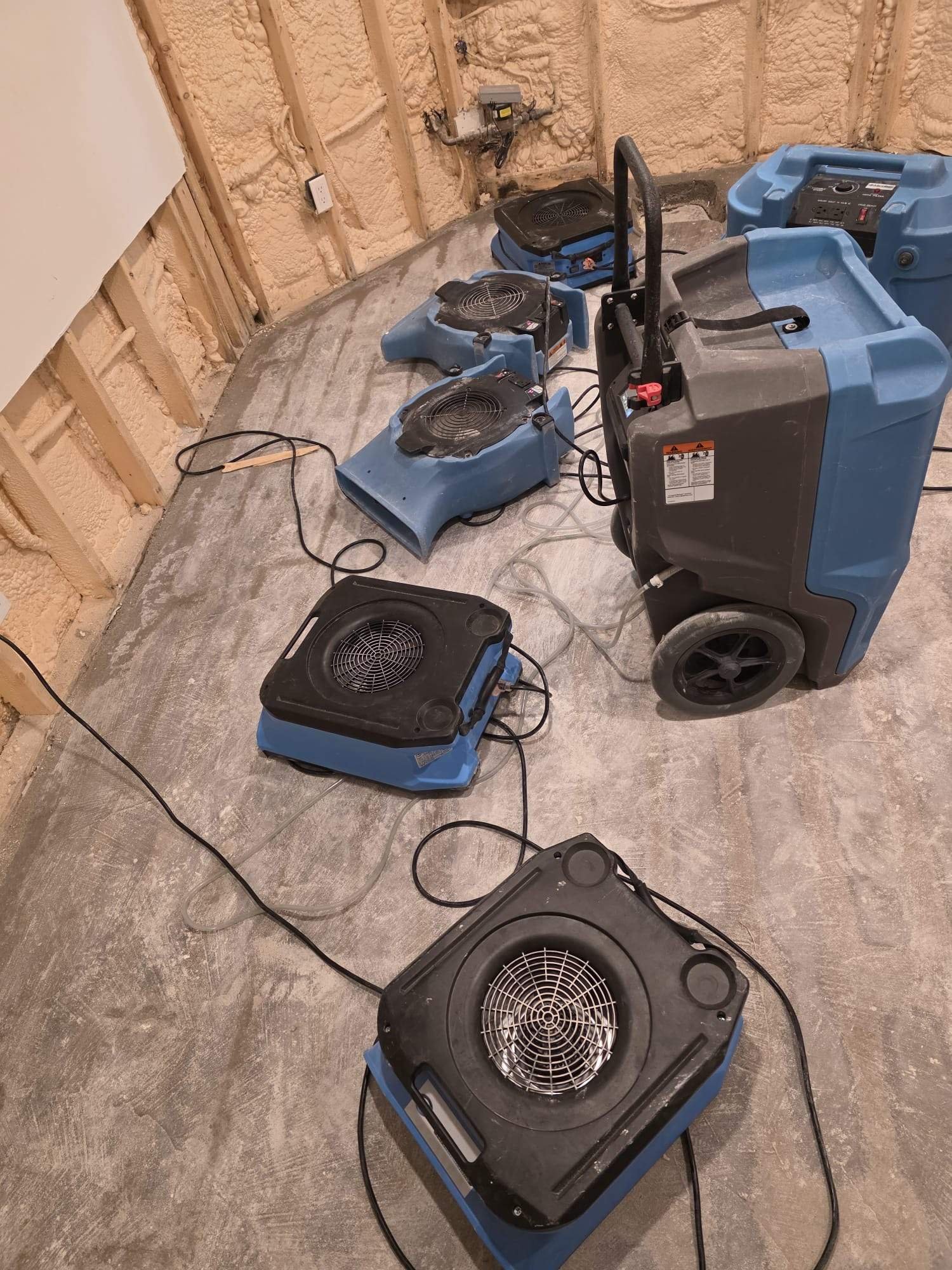
Water damage services in downtown Toronto address unwanted water, wet building materials, and the moisture problems left behind after leaks or flooding. Effective recovery involves more than removing puddles: affected materials need assessment, drying, cleaning, and sometimes replacement. When it comes to water damage restoration downtown Toronto, it’s important to understand immediate precautions, cleanup expectations, and questions to ask when arranging help for a downtown property.
What do water damage services in downtown Toronto include?
Water damage services include assessing affected areas, extracting water, drying salvageable materials, removing materials that cannot be recovered, and addressing contamination where necessary. The work should also address the moisture source; otherwise, cleanup alone leaves the underlying problem unresolved. The appropriate treatment depends on the materials involved and whether the water is contaminated.
Water damage cleanup means removing unwanted water and cleaning affected spaces. Structural drying focuses on moisture remaining in building materials, including flooring and wall assemblies. Neither should be confused with cosmetic repairs: covering a stain does not establish that the material underneath is dry.
When requesting an assessment, describe the source if known, when the problem started, and which rooms are affected. Ask the contractor to separate emergency work, drying, disposal, and rebuilding in the proposed scope. That makes it easier to understand what is included before authorizing work.
Immediate precautions before cleanup begins
Stay out of standing water if electrical equipment, outlets, or the electrical panel could be affected. Toronto advises contacting Toronto Hydro when floodwater rises above outlets or approaches the panel, and having electrical hazards assessed by a licensed electrical contractor. Do not enter a hazardous area to reach a breaker. (toronto.ca)
Use this initial checklist:
- Restrict access: Keep children and pets away from affected areas.
- Document safely: Photograph visible damage and keep emergency repair and cleanup receipts.
- Notify your insurer: Report property damage promptly and ask about documentation requirements.
- Report basement flooding: Contact Toronto’s 311 service to request investigation.
- Treat suspected sewage cautiously: Avoid unnecessary toilet and sink use until the backup is resolved, and consider professional contaminated-water cleanup. (toronto.ca)
A practical water damage cleanup process
Ask prospective contractors to explain how their proposed work addresses these stages. Treat the list as a discussion framework, not a do-it-yourself procedure for contaminated water or unsafe buildings.
- Identify and control the source. Establish whether moisture is still entering and who will complete the necessary repair. Cleaning without correcting the source can leave the conditions for recurring mould.
- Assess materials and hidden moisture. Request an explanation of which walls, floors, and contents need further investigation. Materials may contain enough moisture to support mould without looking visibly wet.
- Extract water and assess salvageability. Suitable extraction equipment removes water, while damaged materials require individual decisions. Sewage-contaminated drywall and insulation should be removed and discarded.
- Dry and check affected areas. Depending on the material and contamination conditions, drying may involve dehumidifiers and air movement. Ask how underflooring and enclosed areas will be checked before repairs proceed.
- Confirm the repair scope. Request a written record of completed work, outstanding moisture-source repairs, and materials awaiting replacement. Keep that record alongside photographs and receipts.
Planning service across downtown and nearby neighbourhoods
Give the provider your exact address rather than relying on “downtown” as a service-area description. For every location below, confirm coverage, access arrangements, and the proposed arrival window directly. These are planning examples, not claims that a particular company serves each neighbourhood.
| Location group | Details to discuss when arranging an assessment |
|---|---|
| Financial District, Entertainment District, Yonge-Dundas Square | For an office or commercial appointment, identify the building contact, entry point, and permitted work hours. |
| Harbourfront, CityPlace, King West, Liberty Village | For a condominium appointment, ask management about elevator bookings, equipment routes, and access to affected units. |
| St. Lawrence, Distillery District, Corktown, Regent Park | Describe affected finishes and ask whether adjoining spaces need inspection. |
| Church-Wellesley Village, Yorkville/Bloor-Yorkville, The Annex, Rosedale | Specify whether the affected space is a home, apartment, business, or shared building area. |
| Kensington Market, Chinatown, Queen West, Little Italy, Trinity-Bellwoods | For mixed-use premises, identify separate residential and business contacts and access points. |
| Cabbagetown, Leslieville | For a house or basement appointment, describe the affected level, entry route, and visible water source. |
Do not assume a nearby crew can enter immediately. Ask who must authorize work, where equipment can be placed, and how occupants will receive updates. Resolve those practical details when booking rather than after equipment arrives.
When are mold remediation services needed?
Mold remediation services—usually called mould remediation in Canada—address mould-contaminated materials and the moisture conditions supporting growth. Health Canada recommends professional assessment and cleanup for large mould problems, and professional help when mould returns after cleaning. Hidden growth can occur behind walls or above ceiling tiles.
Report musty odours, visible growth, and previous leaks during the assessment. Do not paint over mould as a substitute for removal: Health Canada notes that painting only hides the problem temporarily. Ask how the work will control the spread of contaminated dust and address the underlying moisture source.
Homes and furnishings are less likely to develop mould when dried within 48 hours after flooding; that is a prevention target, not a guarantee that every material can be saved.
Choose a clear recovery plan
When comparing providers, request a written scope rather than accepting a vague promise to “dry everything.” Ask who handles source repairs, what documentation you will receive, and which costs require further approval. Choose a plan that explains the work, responsibilities, and next steps before cosmetic restoration begins.