

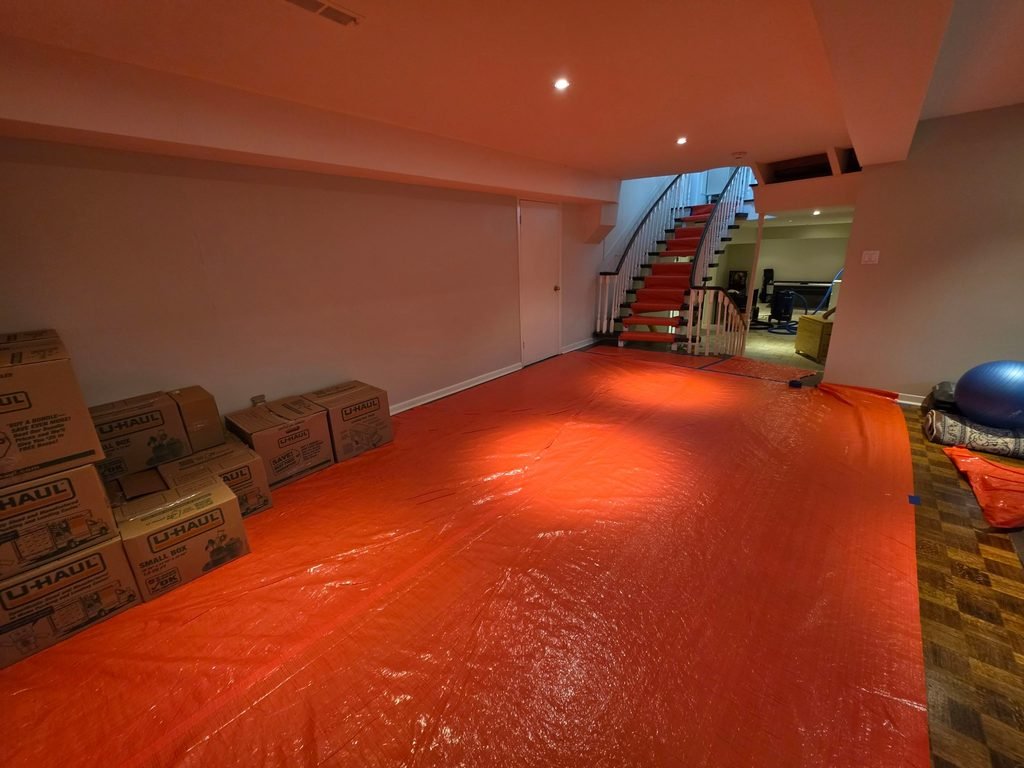
Basement flooded: what to do
Basement flooding can turn a familiar storage space into a dangerous emergency within minutes. We understand the urge to rush in and save your belongings, but standing water can conceal electrical, gas, sewage, and structural hazards. If your basement is flooding, first protect people and pets. Identify the source only if it is safe, and document the basement’s water damage. Then contact your insurer and a qualified professional to repair the basement flooding. Dry affected materials within 24 to 48 hours, if possible, to help limit mold growth. Let’s walk through what to do during a basement flood. Step 1: Check Whether Your Flooded Basement Is Safe We assess the area before we touch the water, move belongings, or try to identify the cause of basement flooding. Standing water can carry electricity from wet outlets, appliances, cords, or wiring. It can also contain sewage, chemicals, sharp objects, and germs. A few minutes spent checking the conditions can tell us whether it is safe to enter or whether we need qualified help. Keep people and pets out of standing water We keep children, pets, and other household members away from the basement and block access to the stairs. A closed door, stair gate, or clear instruction can stop someone from stepping into the water without understanding the risk. We stay out if the water is deep, moving, or rising fast. Do not enter the water to rescue stored items, retrieve a pump, or inspect an appliance. Water can hide damaged flooring, loose objects, and electrical hazards. We think over the source from a dry location. Water from a visible burst supply pipe may be fairly clean, but water entering through a floor drain, toilet, or laundry fixture may contain sewage. If we cannot identify the source, we treat the water as contaminated until a qualified professional assesses it. If we have already touched floodwater, we wear rubber boots, gloves, safety glasses, protective overalls, and a face mask before we return to the affected area. We wash well after touching floodwater or belongings exposed to it. Clean-looking water does not mean it is safe to handle during basement flooding. Have power shut off without entering the water We check for outlets, extension cords, baseboard heaters, appliances, the electrical panel, and gas-fired equipment near the waterline before entering. We stay out of the basement if water has reached any of these items. We turn off the power only if we can reach the main breaker panel from a completely dry area. This step reduces the risk of electrical shock while we assess the basement’s water damage. We do not walk through water, stand on wet flooring, or touch wet equipment to reach the panel. If the panel is in the flooded area or we cannot tell whether electricity is present, we contact the electric utility or a licensed electrician to shut off the power. Keep extension cords out of the water. Flooded appliances and electrical equipment need inspection before reuse. Leave the home if you smell gas A rotten-egg odour, hissing sound, or concern about a gas leak requires immediate action. We leave the home and contact the gas utility or emergency services from outside. We do not turn lights or switches on or off, use a phone indoors, smoke, light a match, or use anything that could create a spark as we leave. Floodwater can extinguish a pilot light, and gas appliances exposed to water need professional inspection before use. Get expert help for sewage or signs of structural damage Sewage backup changes what we should do if the basement floods. We stop using toilets, sinks, washing machines, dishwashers, and other drains because extra water can worsen the backup. We arrange qualified cleanup instead of handling sewage-contaminated water ourselves. Children, pregnant people, and people with respiratory problems should not handle affected water or materials. We leave the area and call qualified help if walls, ceilings, floors, or the foundation show cracks, sagging, changes, or other damage. Flooding can weaken building materials in some conditions. Deep water, water that is still entering the basement, or an unknown source also requires a professional assessment before we begin basement flood repair. Step 2: Find and Stop the Water Source if Safe Once we control the immediate hazards, we identify the water’s path from a dry, well-lit location. The pattern matters because a pressurized pipe needs a shutoff, while wastewater, rain entry, and groundwater require different responses. This check helps us prevent further basement water damage without disturbing the source. Shut off the main water valve for a burst pipe If a visible supply pipe bursts or a major plumbing leak causes basement flooding, we close the main water valve if we can reach it without entering the affected area. The valve usually sits near the point where the supply pipe enters the home. Homes in cooler climates often have it indoors, such as in the basement. Homes in warmer areas may have it outside or in an underground box. We first check whether a nearby fixture shutoff can isolate the leak. If it cannot, we shut off the main supply. A wheel-style gate valve closes after several clockwise turns. A lever-style ball valve closes when its handle sits perpendicular to the pipe. After closing the valve, we open a faucet to relieve pressure in the lines. We also follow the water heater manual and turn off power to an electric water heater while its water supply is off. A plumber or water provider should handle a seized or leaking valve because forcing it with a pipe wrench can break it. Stop using drains and toilets during a sewer backup Water that rises through a floor drain, toilet, tub, or utility sink may indicate a sewer backup. We immediately stop all activities that send water into the drainage system, including toilet flushing, tap use, showers, laundry, and dishwashers. This reduces the risk of more wastewater returning through low fixtures. Heavy rain or rapid snowmelt can