
Uncategorised

Uncategorised

Will Insurance Cover Water Damage?

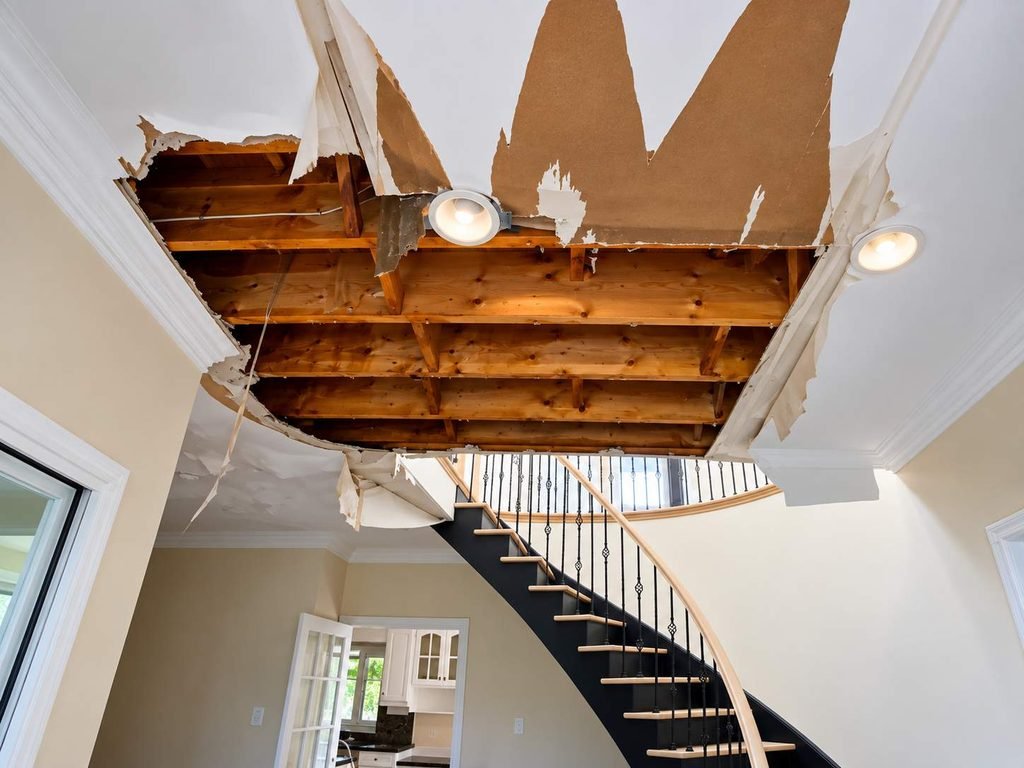
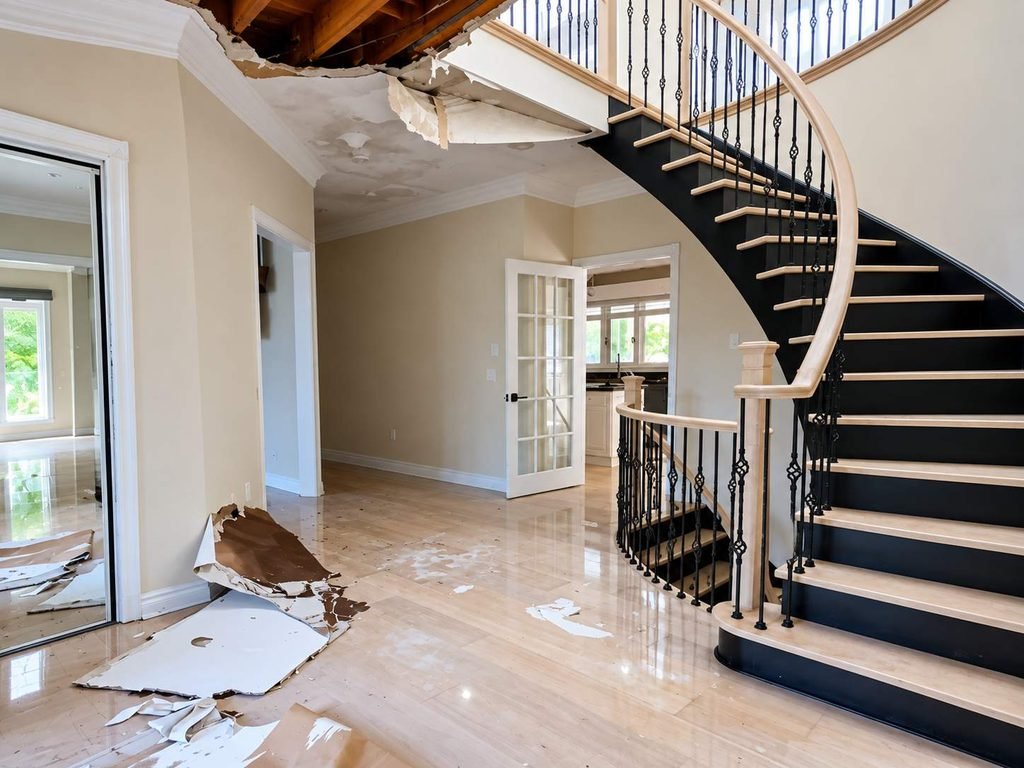
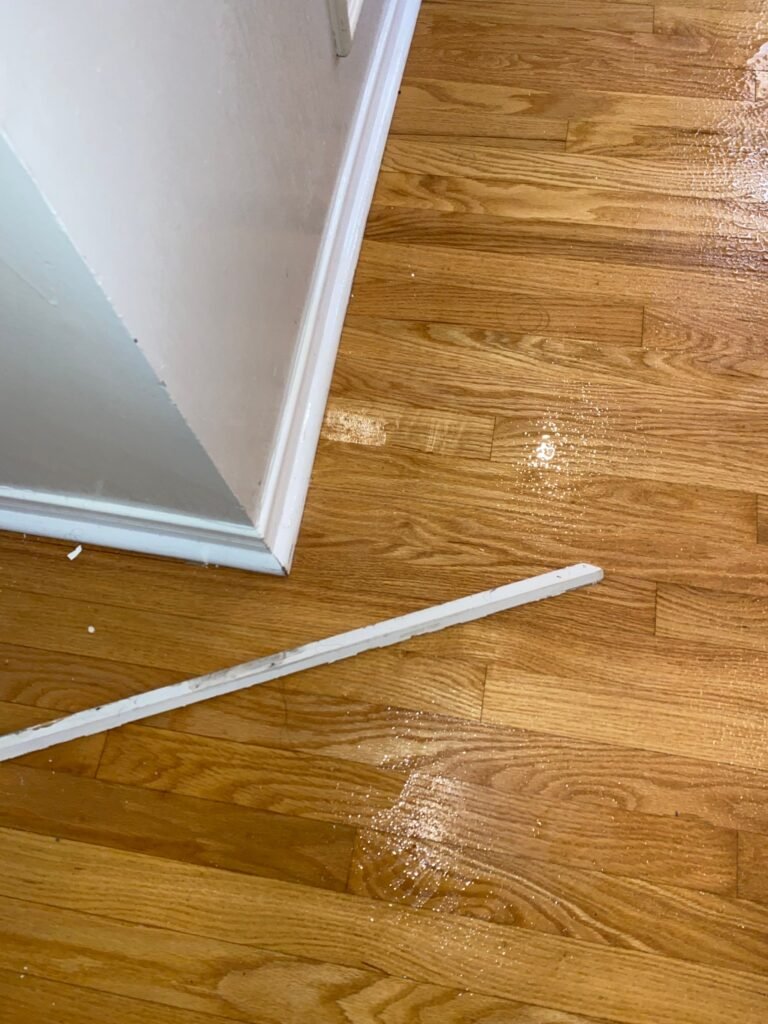
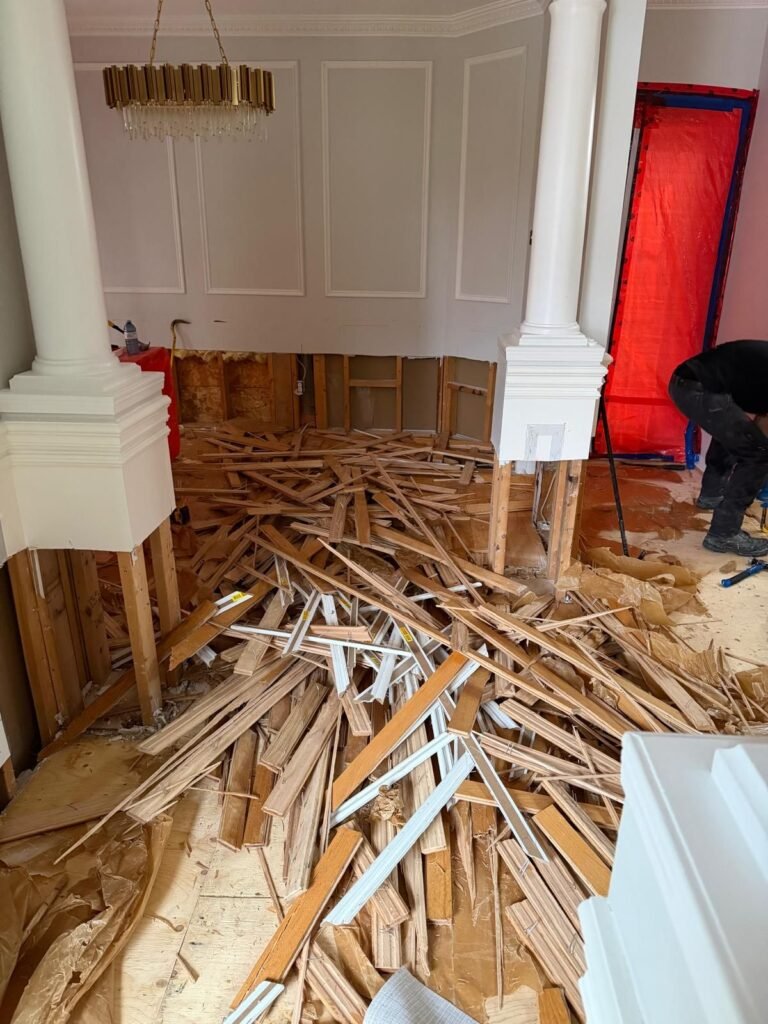
Water damage is the most common cause of property damage in Canada. Understanding how insurance and water damage are connected is important for homeowners. In fact, water-related damage made up the majority of insured extreme weather and catastrophic claims in 2023 alone. Water damage ranks as one of the problems that can get pricey for Canadian homeowners. So, does home insurance cover water damage? The answer depends on the source and circumstances of the damage. We’ll explain home insurance water damage coverage. We’ll cover what it includes, what it excludes, and extra coverage options. Your water damage coverage helps you protect your home and avoid unexpected costs when you understand it. What Does Home Insurance Cover for Water Damage? Most standard home insurance policies cover sudden and accidental water damage. Water damage accounts for 50% of home insurance claims costs. Understanding your coverage is significant. Burst Pipes and Plumbing Failures Home insurance water damage coverage typically has burst pipes and sudden plumbing failures. Your policy helps pay to repair or replace damaged drywall and ceiling. This applies if an upstairs pipe bursts. It also applies if water soaks the ceiling below. Coverage applies if a pipe cracks from ice during winter, despite taking reasonable precautions. But the policy won’t cover the damage source. You’ll receive coverage for the water-damaged ceiling and walls, but not for repairing or replacing the burst pipe itself. Also, poor maintenance excludes more damage. Homeowners insurance likely won’t pay for repairs if you fail to repair a leaky toilet and subsequent damage occurs. Appliance Leaks and Malfunctions Your policy covers accidental leaks from appliances like washing machines, dishwashers and water heaters. Insurance helps cover the damaged floor if your washing machine supply hose suddenly breaks and ruins your flooring. Coverage kicks in for the property damage if your water heater ruptures and drenches the surrounding area. The key difference stays the same: your policy covers water damage to floors, walls, and belongings. It won’t pay to replace the broken dishwasher or washing machine that caused the leak. We exclude damage that results from continuous leaking near a faucet or from unresolved maintenance issues. Roof Leaks from Covered Perils Your policy may help pay for repairs if water enters your home. This can happen when a covered peril damages your roof. Covered perils include storms, falling trees, or hail. Wind tearing off shingles or debris breaking through the roof during a storm qualifies for coverage. Roof leaks from aging shingles, wear and tear or poor maintenance fall outside standard coverage. The interior water damage might receive coverage in some cases, but repairing the deteriorated roof itself remains your responsibility. Types of Water Damage Covered by Homeowners Insurance Standard homeowners’ insurance policies categorize covered water damage into three primary types. Specific conditions in each category determine whether they approve your claim. Sudden and Accidental Water Events This coverage type is the foundation of standard water damage protection. Your policy covers sudden water escaping from plumbing, heating, and air conditioning systems. Hot water tanks fall under this protection as well. The coverage extends to domestic appliances, including dishwashers, washing machines, and refrigerator ice makers. The “sudden and accidental” requirement means the damage doesn’t happen over and over. Your dishwasher hose bursts and floods your kitchen? CPR24 Restoration is here for you 24/7! Water-damaged flooring and cabinets receive coverage, though the failed appliance itself doesn’t. Storm-Related Water Damage Heavy rainfall, hail, and ice dams that cause water to enter your home may receive coverage. Rain enters through a roof opening caused by wind or hail? We protect your ceilings, walls, and belongings. Water coming through an opening created suddenly and accidentally by another covered cause qualifies for compensation. Ice damming creates complications. Most providers think about ice damming as preventable and classify it as a maintenance issue. Regular gutter cleaning and proper roof ventilation help prevent backups and leaks. Heating and Sprinkler System Failures Heating system ruptures fall under standard coverage. Sprinkler leakage coverage protects against property damage caused by accidental discharge or leakage of water from automatic sprinkler systems. Most property insurance policies include this coverage. Which types of water damage does insurance not cover? Standard policies contain major gaps. You need to understand these exclusions to prevent claim denials and secure appropriate additional coverage. Flooding and Overland Water Home insurance policies exclude water damage from sources outside your home. This has heavy rainfall over the ground, overflowing rivers and lakes, melting snow, and rising groundwater. Coverage for basement flooding and overland water damage is optional. Coastal flooding from saltwater remains excluded even with optional endorsements in most cases. Insurers may not offer you coverage at all if you live in a high-risk flood area. Insurance companies determine premium amounts by flood risk level in your area for those eligible. Sewer Backup Without Additional Coverage Standard home insurance policies in Canada do not include coverage for sewer backup. Damage from sewer backups, sump pump failures, or clogged drains requires optional coverage. The cost ranges from CAD 209 to CAD 418 per year. Backup or overflow water from sump pumps, septic tanks, or weeping tiles remains uncovered without this endorsement. Gradual Leaks and Poor Maintenance Insurance covers sudden and accidental events, not slow leaks or long-term water damage from poor maintenance. We exclude continuous or repeated leakage from plumbing fixtures or appliances. Water damage from failure to perform routine maintenance or repair falls outside coverage. Dripping pipes and unnoticed roof leaks can cause rot and mold. The insurer may deny claims because regular home maintenance could prevent the damage. Groundwater Seepage Seepage or influx of water from underground natural sources through basement walls, foundations, or floors requires specialized coverage. Standard policies exclude water entering through foundation cracks or compromised waterproofing. Even with additional endorsements, the policy doesn’t cover continuous or repeated seepage. Vacant Home Water Damage Water damage to a home vacant for 30 days or more isn’t covered. Some policies exclude water escape or rupture after just five consecutive days of vacancy. Vacancy means all residents have moved out with no intention of returning, and whatever furnishings are present. Additional Water Damage Insurance Coverage Options Optional

Uncategorised

Hidden Water Damage Signs Toronto

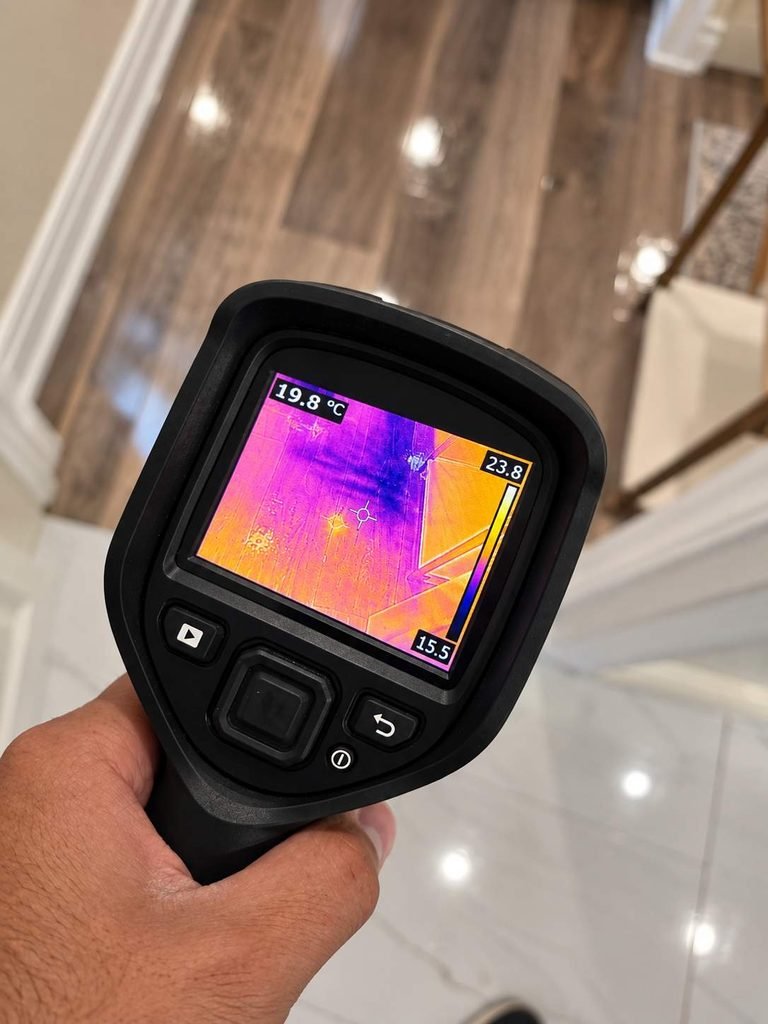
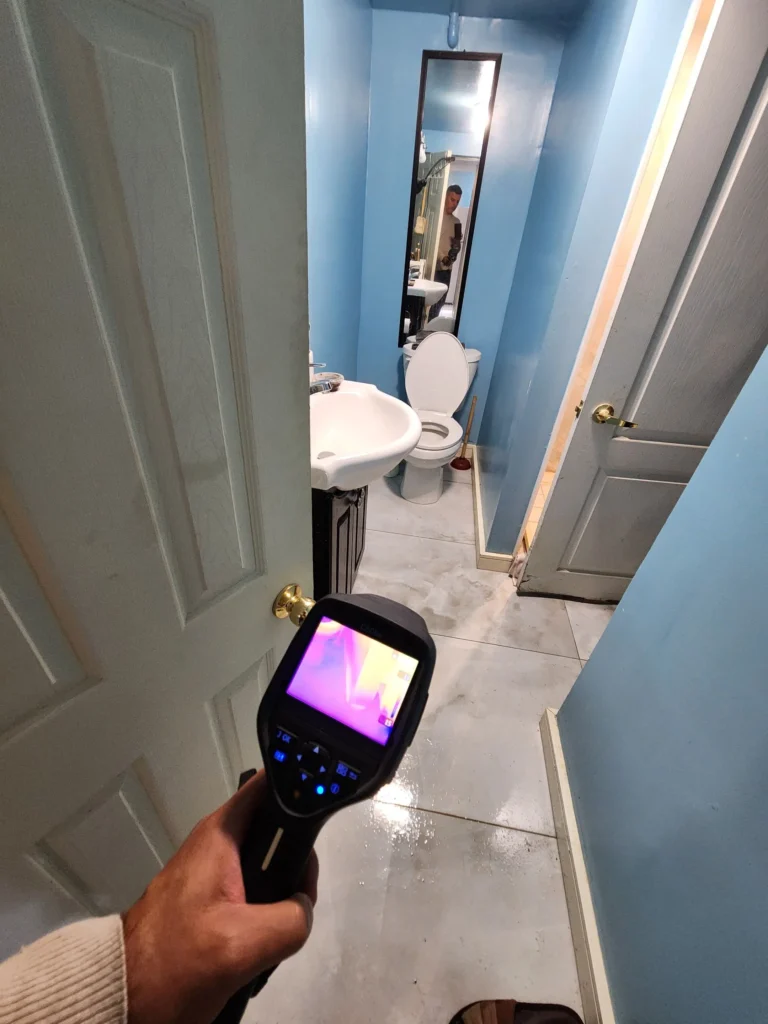
Spotting signs of water damage in walls before visible stains appear can save you thousands in repair costs. The difference between a minor repair and a major reconstruction project comes down to early water damage detection. Hidden moisture is one of the most dangerous issues a home can face because it goes unnoticed until damage has occurred. Many Toronto homeowners notice a problem only after materials start warping. Hidden water damage Toronto can then grow into costly emergencies. This piece walks you through the early signs of emergency water damage in walls and effective detection methods. We’ll also cover location-specific water damage signs Toronto homeowners should watch for and when to call professional help. Common Signs of Water Damage in Walls and Ceilings Walls and ceilings telegraph hidden problems caused by water damage through several distinct indicators that become apparent well before structural failure occurs. Discoloration and Water Stains Water stains show as yellow, brown, or rust-colored spots on walls and ceilings. These stains form when water soaks into drywall or plaster. After the water dries, it leaves minerals and tannins from building materials. The stains often feature uneven, map-like edges called water rings. Ceilings reveal these stains starting at the leak source and expanding outward. A water stain on your ceiling points to a roof leak, an upstairs bathroom issue, or attic plumbing problems. Brown rings or faded yellow patches don’t appear without cause. Moisture is the reason, and once discoloration settles in, the underlying damage has already begun. Peeling Paint or Bubbling Drywall Paint bubbles form when moisture infiltrates behind the paint film and creates pockets trapped between the paint and wall surface. Water weakens the bond that keeps paint attached to drywall, causing the loss of adhesion. You might notice bubbling, blistering, peeling, or cracking paint where moisture has compromised the surface. Wallpaper seams begin to lift under similar conditions. These bubbles signal more than cosmetic problems. Water has penetrated the wall structure, causing the drywall to expand and push the paint layer away. Walls soften after severe leaks, and paint bubbling becomes widespread, leaving surfaces blemished and structurally weakened. Musty Odours A persistent musty, damp, or earthy smell indicates hidden moisture issues behind walls or ceilings. This distinctive odour comes from Microbial Volatile Organic Compounds released by mold and mildew growth. Mold doesn’t need flooding to develop. It requires moisture and organic material, both present inside wet walls. Mold growth can begin within 24 to 48 hours under certain conditions. The musty smell often appears before you see visible mold, making it a critical early warning sign. Trapped moisture is feeding microbial growth in concealed spaces if a room smells damp even when surfaces appear dry and clean. Soft or Warped Wall Surfaces Drywall isn’t designed to flex. Moisture absorption is the culprit when it does. Press on suspected areas. Emergency water damage Toronto can be inside even if the outside looks normal. This can happen when the wall sinks inward, feels spongy, or becomes depressed. Walls can warp because of the weight of absorbed water and appear caved in or swollen. You might notice sagging sections where excess water weight compromises structural integrity. Materials like gypsum board, wood framing, and insulation behind your paint start weakening once water enters that space. Wet wood expands over time, and drywall softens first, creating the telltale spongy texture that signals active water intrusion. Hidden Water Damage Toronto Detection Methods Professional detection equipment reveals moisture hidden inside walls long before surface damage becomes apparent. The techniques we use combine non-invasive scanning technology with precise measurement tools. Checking Moisture Levels Behind Walls Moisture meters measure water content in building materials through two distinct methods. Pin-type meters use small probes to measure electrical resistance between two points. They detect moisture by how current flows through the material. These devices require only light surface contact and leave barely noticeable marks rather than destructive holes. Pinless meters employ electromagnetic signals to scan beneath surfaces without any penetration. Search mode detects moisture from 1/2-inch to 3/4-inch deep and remains unaffected by surface moisture. Dual-depth models compare shallow readings up to 9 mm with deep readings up to 30 mm. They remove substrate interference when testing floor or wall coverings. Drywall moisture readings that exceed 0.5% indicate problems requiring investigation. Mold growth begins at approximately 20% moisture content. Pin-type meters show results as wood moisture equivalencies. They convert readings from any material into wood-based values. Using Thermal Imaging for Detection Thermal cameras detect temperature differences caused by moisture, not the water itself. Water evaporates from saturated materials and creates cooling effects that produce visible temperature variations on thermal displays. Moisture spreads in clear patterns. Walls often show triangles that start at the top and point downward. Ceilings often show uneven wet areas. Flooding often causes moisture to wick upward. Camera thermal sensitivity determines detection capability. Models with 30mK sensitivity excel at moisture applications, while 100mK sensitivity suits industrial temperature detection. Moisture problems appear clearest when thermal images use 10°C to 20°C temperature spans. Thermal imaging cannot confirm water presence alone. You should always verify suspected areas with moisture meters. Inspecting Hard-to-Reach Areas Borescopes allow visual inspection inside wall cavities, beneath cabinets, and behind fixtures through small access points. Professionals scan from top to bottom and move steadily to capture subtle temperature details. Certified Water Damage Assessment Tools Professional equipment like the Tramex ME5 detects moisture through paint, wallpaper, ceramic tiles, and floor coverings. It uses electrical impedance measurements. These tools create moisture maps that document damage extent and monitor progressive drying conditions. Water Damage Signs in Toronto Homes Different areas in Toronto homes show distinct water damage patterns based on their function and exposure to moisture sources. Basement Water Damage Indicators Standing water or persistent dampness on basement floors signals drainage problems from heavy rain, snowmelt, or foundation cracks. White, chalky deposits appear on concrete walls as efflorescence where water moves through masonry and leaves mineral residue behind. Musty odours indicate mold growth thriving in damp conditions. Foundation walls or floors with cracks wider than 1/8 inch

Uncategorised

Do I Need Mold Removal or Just Cleaning?

You spot mold in your home and face a key choice. Do you need professional mold removal, or can simple cleaning fix it? Mold can begin spreading within 24 to 48 hours after water intrusion. Quick action becomes essential. This blog walks you through what mold remediation versus mold cleaning means. You’ll learn about DIY mold removal sufficiency and professional mold remediation services timing. This helps you make the right decision for your situation. What is Mold Cleaning vs Mold Remediation Toronto Understanding the difference between these two approaches affects your treatment strategy and long-term results. Mold Cleaning: Surface-Level Treatment Mold cleaning focuses on removing visible growth from surfaces using simple methods. We scrub mold off hard surfaces with detergent and water, then dry the area completely. This approach works on non-porous materials such as glass, metals, leather, plastics, vinyl, window sills, wood, and tiles. Surface cleaning typically involves wiping or scrubbing away visible mold with household cleaners or mild disinfectants. But this method rarely tackles why it happens, which is moisture. The treatment doesn’t address potential areas where spores may have become trapped or any issues that allowed growth in the first place. Mold returns after cleaning when you haven’t addressed the moisture source. Porous materials present a different challenge. Absorbent materials, like ceiling tiles and carpet, may need disposal if they get moldy. Mold can grow in their empty spaces and crevices. Complete removal becomes difficult or impossible. Mold Remediation: Complete Restoration Mold remediation is a detailed process that addresses all procedures to eliminate harmful mold growth. Microscopic mold spores exist naturally everywhere, making complete removal impossible. Remediation focuses on getting mold levels back to normal, natural levels, known as the point of healthy fungal ecology. The remediation process includes inspection and assessment to find the growth type and source. It also includes containment to prevent spores from spreading. Air filtration uses HEPA equipment to remove particles. The process removes mold-infested materials. It cleans and sanitizes all affected items. Finally, it restores damaged structures. Specialists use biocide, a strong cleaning agent that kills common fungi at the source. Regular household cleaners only treat the top layer. A post-remediation inspection and detailed testing provide quality assurance and confirm that technicians completed the repairs correctly. Why the Difference Matters Cleaning gives temporary relief by targeting only visible mold. Remediation offers lasting results by reducing mold risks at the source and preventing future outbreaks through moisture control. Mold can start growing again within 48 hours after water intrusion if you do not fix the water or moisture problems. Remediation preserves your investment by stopping damage before it starts. It improves air quality by protecting your family from recurring exposure. When DIY Mold Cleaning is Enough Certain conditions allow you to tackle mold cleaning yourself without professional mold mitigation services. Understanding these specific scenarios helps you make the right choice for your situation. Small Surface Areas Under 10 Square Feet The EPA states that moldy areas less than about 10 square feet (roughly a 3 ft. by 3 ft. patch) can be handled yourself most of the time. Health Canada defines small areas as one square meter or less. It allows up to three mold patches. Their total combined area must stay within one square meter. Areas smaller than 10 square feet are safe for DIY mold removal Toronto. Larger areas require professional intervention because of increased health risks and the complexity of proper containment. Non-Porous Materials Like Tile or Glass The surface type determines whether you can clean it or need disposal. You can clean non-porous materials like glass, metals, leather, plastics, and vinyl properly. Washable surfaces include window sills, wood, hard surfaces, and tiles. We scrub these surfaces using a cloth with a soap solution and dry them completely and quickly. Porous materials like ceiling tiles and carpet may need disposal if they get moldy. Mold can grow in and fill their pores and cracks. No Water Damage or Moisture Issues You must fix the water or moisture problem completely before cleanup can be finished. The mold problem will most likely return if you clean up the mold but don’t fix the water problem. Successful mold removal Toronto must address the moisture problems that allowed growth to occur initially. Cleaning visible mold without eliminating moisture sources guarantees the problem will return, often more extensively than before. No Health Symptoms Present You can attempt mold removal yourself only if you have no respiratory conditions or chemical sensitivities. Wear at least an N95 respirator to protect your mouth and nose against breathing mold. Protective gloves (non-latex, vinyl, nitrile, or rubber) protect your skin. Goggles that fully cover your eyes keep out dust and small particles. When You Need Certified Mold Remediation Professional mold mitigation becomes needed when the situation exceeds safe DIY parameters or involves complex contamination. Large Contaminated Affected Areas The EPA recommends hiring a professional for any contaminated space greater than about 10 square feet. Health Canada advises that areas larger than three square meters require qualified professional involvement. Medium remediation jobs range from 10 to 100 square feet of mold, while large jobs exceed 100 square feet. These thresholds exist because larger infestations indicate most important moisture problems and pose greater health risks during cleanup. Persistent Musty Odors Without Visible Mold You smell musty odors but can’t locate visible mold, and hidden contamination exists. Mold can hide behind walls, above ceilings, inside air vents, or within HVAC systems. The microbial volatile organic compounds that mold spores release cause these distinctive odors. Professionals use indoor air quality testing and moisture detection equipment to locate hidden colonies. Mold on Porous Materials Small areas of mold on porous materials like drywall, ceiling tiles, carpet, or upholstery require professional assessment. Contamination extends beyond what’s visible on the surface. Mold infiltrates porous substances and grows on or fills empty spaces. Complete removal becomes difficult or impossible without proper techniques. Wet insulation and contaminated porous materials often need disposal. Prevent Mold Growth Mold that returns after cleaning indicates the moisture source hasn’t been addressed. This situation requires professional intervention to identify and eliminate underlying water problems. DIY mold removal

Uncategorised

Certified Flood Assistance Toronto

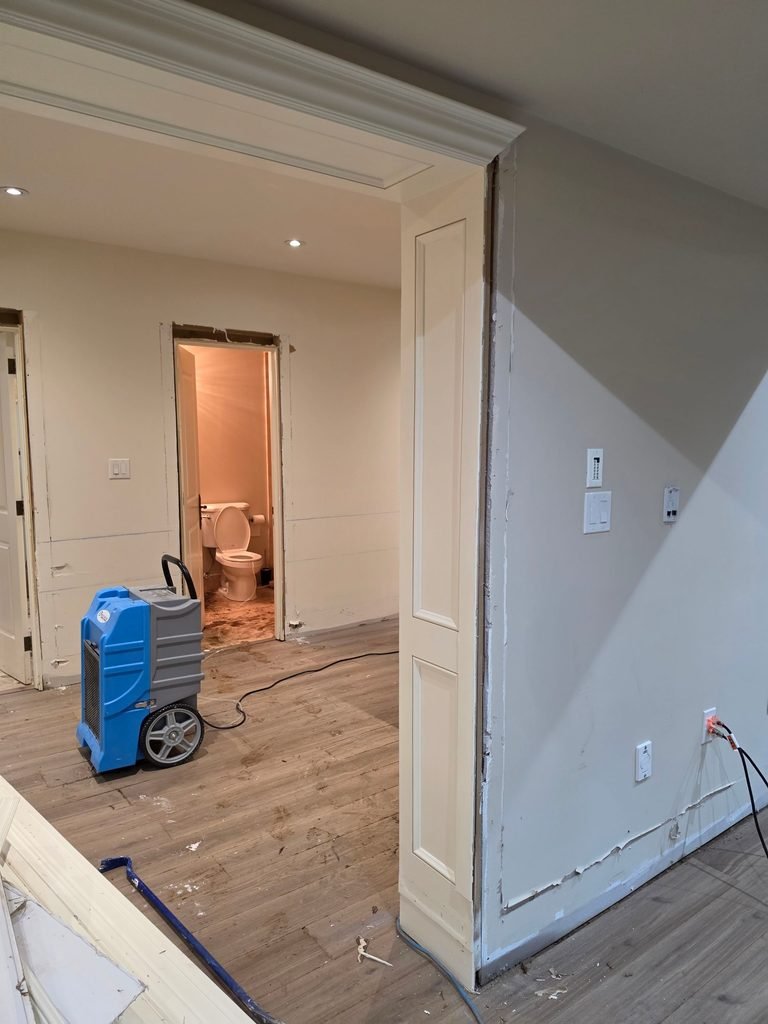
Did you know that water damage causes the majority of property damage cases in the Greater Toronto Area (GTA)? If you ever find yourself in need of flood assistance, it’s important to act quickly and call CPR24 Restoration! Time is critical if flooding hits your home or business. Serious issues like mold and structural damage can start within just 48 hours of the whole ordeal. Our emergency flood services give you the fast response you need during these crucial moments. CPR24 Restoration provide certified 24/7 emergency flood and water damage restoration services throughout Toronto and the GTA. Our team’s commitment as a prominent water damage restoration company helps homeowners and businesses bounce back from water-related emergencies quickly and professionally. Years of hands-on experience have prepared our team to handle any water damage issue. We support single homes and large commercial buildings. Standing water poses serious health risks by carrying waterborne diseases. Our detailed flood damage restoration process fixes immediate damage and stops long-term health and structural problems from developing. Our advanced technology supports our certified technicians. They use industrial pumps, dehumidifiers, and moisture detection tools. This ensures complete water removal and structural drying. This blog will guide you through our certified flood assistance in Toronto. It covers emergency response, full repairs, and insurance support. Certified Emergency Response in Toronto Floods top the list of natural disasters in North America and cost billions in damages every year. Quick access to certified help and knowing what makes an emergency can make a huge difference in recovery. What qualifies as a flood emergency Water levels rising above channel banks and putting lives or property at risk create a flood emergency. Toronto faces these emergencies mostly during major rain storms. Flash floods hit low-lying areas without warning as streams overflow. Heavy rainfall often leads to sewer backups, which create dangerous indoor flooding. The Toronto and Region Conservation Authority (TRCA) keeps an eye on conditions around the clock. They send out warnings when floods are about to hit or have already started. These alerts kick off emergency response protocols citywide and get certified flood teams moving. Why certified flood assistance matters Flood assistance professionals earn their certification through specialized training. They stay current with regulations through ongoing education. This system makes sure qualified people can tackle the rising number of disasters. These certified experts work by industry standards for water damage restoration. They know how to handle everything from clean water to dangerous black water situations safely. Their skills help them spot structural risks, find weak points where water can get in, and create the right fix-it plans. These professionals connect policy, engineering, and community work to build stronger defences against floods. They know flood patterns inside and out, which helps them assess damage, document everything for insurance, and fix things the right way. How fast a response reduces damage Acting fast after a flood saves money and prevents bigger problems down the road. Data shows emergency teams save nine minutes per response using real-time flood updates. This might not sound like much, but cutting response time by just one minute saves up to CAD 69.67 million yearly. Time matters because problems like mold start growing 24-48 hours after water gets in. Every hour saved means lower repair costs and fewer health risks. Toronto’s professional flood services work 24/7 and many teams can get to you within 45 minutes. This quick action stops buildings from getting worse, prevents electrical dangers, and saves money on extra damage. Step-by-Step Flood Damage Restoration Process Our science-based flood restoration process helps prevent further damage to your property while ensuring a full recovery. Our certified technicians follow proven protocols backed by years of restoration experience. Original assessment and safety checks Our emergency team starts with a complete evaluation of affected areas. We disconnect all electrical systems to remove shock hazards. Our team identifies the water source and determines contamination levels (Category 1, 2, or 3). This helps us choose the right safety measures and restoration methods. CPR24 Restoration takes detailed photos and prepares reports to help with your insurance claims. Your safety is our top priority. Our technicians wear protective gear like rubber boots, gloves, and respirators based on contamination levels. We carefully check buildings with major structural issues to ensure safe working conditions before we begin. Water extraction and moisture detection CPR24 Restoration start removing standing water right away once the area is safe. This vital step must happen within 24-48 hours to stop mold from growing. We choose equipment based on water levels: We find hidden moisture using advanced technology. Our thermal imaging cameras and specialized moisture meters detect water trapped in walls, under floors, and structural spaces. These readings create a detailed “moisture map” that shows affected materials and current moisture levels. Drying and dehumidification techniques Our drying process controls the environment with precision. We place air movers to create steady airflow across wet surfaces. We also use industrial dehumidifiers to remove moisture from materials and the air. Each material needs its own approach. To name just one example, see our specialized methods: Our team checks moisture levels regularly with hygrometers and moisture meters. We adjust the equipment until the materials match the dryness of unaffected areas in your home. Disinfection and mold prevention Every affected surface needs proper disinfection. Category 2 or 3 water damage requires professional antimicrobial treatments to kill harmful bacteria and pathogens. Our cleaning process has three steps: Mold prevention plays a vital role in our work. Mold starts growing 24-48 hours after water exposure. We take early action by removing damaged materials and applying preventive treatments where needed. Full-Service Repairs and Property Restoration The detailed rebuild process starts after the original water removal phase. This process returns your property to its pre-loss condition. Our full-service restoration approach fixes every damaged component with precision and expertise. Drywall, flooring, and insulation replacement CPR24 Restoration begins by removing unsalvageable materials after structural drying finishes. Water-damaged drywall needs replacement when it becomes soft, starts sagging, or shows signs of mold growth. Quick action is significant for insulation since wet materials lose up to 80% of their effectiveness. Our team removes damaged insulation

Uncategorised

Professional Mold Assistance Toronto

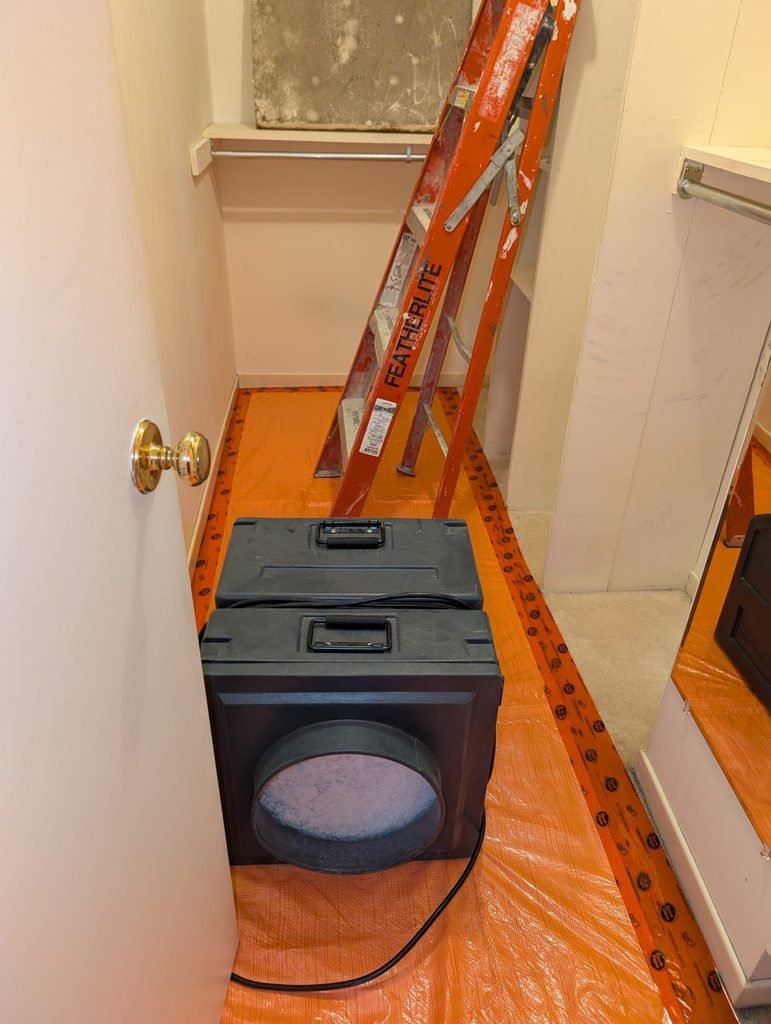
Mold can spread through your entire home in just 72 hours. If you need mould assistance Toronto specialists are available to help. You need professional mold removal services in Toronto. This will stop the quick spread that harms your property. It also releases harmful allergens and irritants into the air. Our company takes mold infestations seriously. Toronto’s professional mold removal services have cleared about 1.87 million pounds of mold-affected debris since 2002. This shows how significant the problem truly is. Our mold inspection experts use advanced tools and tested methods to find the source of the mold and remove it completely. This blog covers everything about mold remediation in Toronto. You’ll learn about the risks, removal process, choosing the right company, and preventing future mold growth. Understanding Mold and Its Risks Mold is a natural type of fungi that helps break down organic matter outdoors. But inside our homes, these microscopic organisms become unwanted guests that need quick mold removal Toronto services. What is mold and how it spreads Tiny mold spores float through the air, too small for us to see. These spores surround us and have existed on Earth for millions of years. Spores begin to grow on damp surfaces when they find three key things: moisture, oxygen, and food. Food sources include drywall, paper, or wood that has cellulose. Mold runs on temperatures between 40-100°F (4.4-38°C). Mold starts growing in just 24-48 hours after finding moisture and spreads within 72 hours. You might not see it for about 20 days, but the damage starts much earlier. Health risks of mold exposure Your home’s mold can cause different health problems based on how sensitive you are. These common reactions happen often: Research links indoor mold to upper respiratory problems even in healthy people. Kids who might develop asthma face bigger risks from early mold exposure. The risks increase if you have: – Babies – Young kids – Older family members – Pregnant women – Allergies – Breathing problems – A weak immune system Common places mold grows in Toronto homes Toronto’s climate creates perfect conditions for mold growth. Basements top the list of problem areas because of the city’s clay-heavy soil. This soil holds moisture and pushes against foundation walls. Bathrooms and kitchens become trouble spots when poor ventilation meets high moisture. Toronto’s significant temperature fluctuations between seasons make attics easy targets. This happens when warm air from living spaces hits cold roof surfaces in winter. Mold often appears on window frames, sills, and nearby walls during cold Toronto winters. The indoor heat meets cold surfaces and creates condensation. Our Certified Mold Remediation Process Professional mold remediation uses a step-by-step approach to safely remove mold from your property. Certified mold removal Toronto professionals use specialized equipment and techniques that DIY methods can’t match. 1. First Contact and Emergency Response You need quick action once you find mold. Professional remediation companies provide 24/7 emergency services and respond within 2-4 hours for urgent cases. Toronto mold specialists can reach you within 30 minutes after your first call. Quick response helps prevent more damage, especially after water emergencies that create perfect conditions for mold to grow. The specialist will ask you specific questions to figure out what equipment and resources your situation needs. 2. Mold Inspection and Damage Assessment Certified technicians start with a visual check of all areas, including basements, attics, and crawl spaces. They use advanced tools like thermal cameras and moisture meters. These help find hidden water problems in walls, floors, and ceilings. Air sampling measures airborne mold spores and compares indoor levels to outdoor measurements. Labs analyze these samples within 24-48 hours to identify specific mold types and contamination levels. You’ll get a detailed report that shows the full picture and recommended cleanup strategies. 3. Containment and Air Filtration Professionals set up containment barriers based on how extensive the affected area is: The containment area stays under negative pressure with specialized equipment so contaminated air can’t flow into clean areas. HEPA air scrubbers and filtration devices catch tiny mold spores while all HVAC systems stay off during the process. 4. Mold Removal and Cleaning Technicians use antifungal and antimicrobial treatments to kill existing colonies and stop new growth. They need to completely remove heavily infested porous materials like drywall, carpeting, and insulation. The team uses specialized cleaning techniques for items they can save, including HEPA vacuuming, damp wiping, and foam cleaning. 5. Restoration and Repairs The last step brings your property back to its pre-mold condition. This might mean new drywall, fresh paint, new carpet, or bigger reconstruction projects. Many Toronto remediation companies work with insurance providers and give them all the documentation needed for claims. Preventing Future Mold Growth Your top priority shifts to preventing regrowth after professional mold assistance Toronto. The experts put it simply: “The key to mold control is moisture control”. You need an all-encompassing approach that focuses on moisture management and constant watchfulness to prevent mold effectively. Fixing moisture and ventilation issues First, spot and repair all moisture sources in your home. You should check and fix your home’s plumbing, roof flashing, and air conditioning joints if they leak. Bathroom and kitchen exhaust fans must vent directly outside—not into attics or wall cavities. These fans should run during moisture-generating activities and continue for 30 minutes afterward. The ground around your foundation should slope away from your house. Clean gutters will stop water from seeping into your basement. Regular inspections and maintenance tips A regular inspection schedule helps you track vulnerable areas. Watch out for: Your indoor relative humidity should stay between 30-50%. A moisture meter ($14-$70) helps you track levels throughout your house. Basements and bathrooms need extra attention. Using dehumidifiers and air purifiers Dehumidifiers play a crucial role in controlling indoor moisture levels, especially when you have damp areas like basements. They maintain ideal humidity and quickly dry wet areas after water problems. HEPA air purifiers trap airborne mold spores before they can settle and grow. The best results come from systems that combine both technologies—they remove moisture while cleaning the air. Contact CPR24 Restoration for Mold Assistance in Toronto! Mold infestations pose a real threat to

Uncategorised

Flood in my Home: What to do

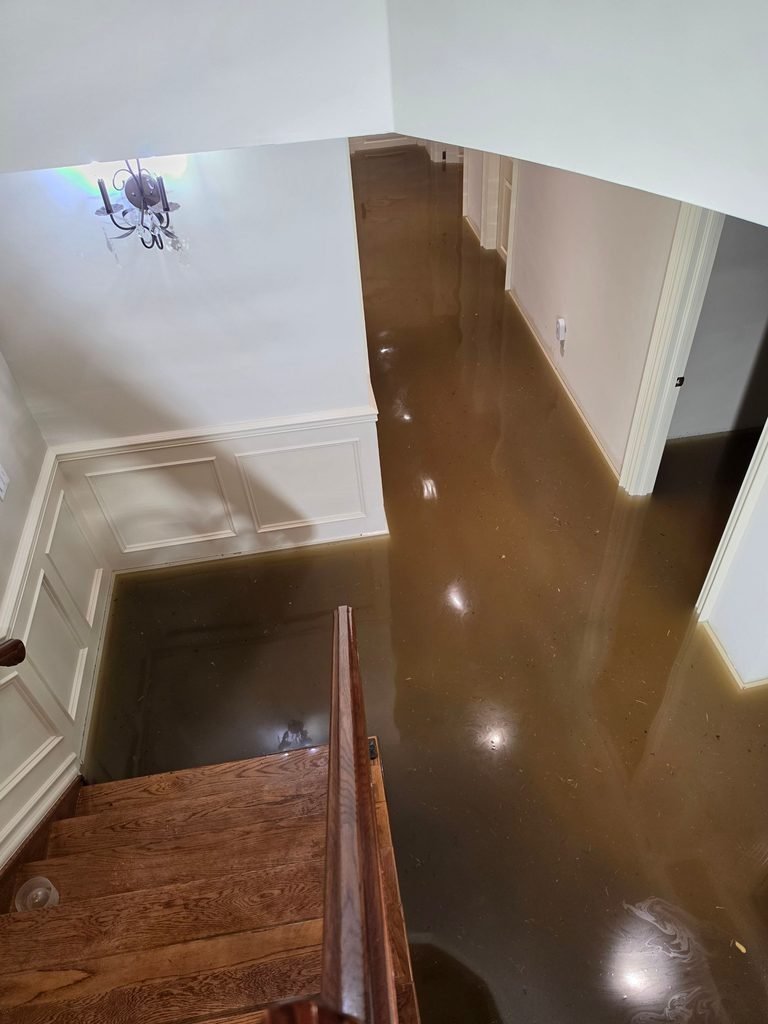
A house flood ranks as Toronto’s most common natural disaster and can get pricey fast. If you’ve ever experienced a flood in your home, you know water damage can cost homeowners thousands of dollars in mere minutes. This blog covers everything about handling a house flood in Toronto. From preparation to response and recovery, CPR24 Restoration helps you create a flood emergency plan and show you exactly what to do if water starts coming into your home. Understand the Risks and Prepare Your Home A flooded home Toronto can cost thousands in damages. You need to understand flood risks and strengthen your home’s defences to protect against flooding. Know if your area is flood-prone Floods can happen any time of year because of heavy rainfall, melting snow, ice jams, or coastal storm surges. Canadian homes, property, and infrastructure face direct damage worth over CAD 1.39 billion each year from flooding. Flood maps help identify areas at risk during severe storms. These maps show potential water levels during specific flood events. This information helps you make smart decisions about emergency preparedness, property flood-proofing, and insurance needs. Your local municipality might have flood mapping resources available for your area. Check your home’s grading and drainage The slope of the ground around your property, called grading, is your first defence against house floods. Your ground should slope away from the foundation at least 15-20 cm over the first 2-3 meters from your exterior wall. This directs rainwater away from your home. Soil settles and changes water flow patterns over time. Look for low spots where water collects after heavy rainfall. These spots need filling to fix drainage issues. Make sure drainage features like swales (shallow channels) and catch basins stay clear of debris. Install sump pumps and backflow valves Your basement needs a sump pump for flood protection, particularly during power outages or main pump failures. A battery-operated backup pump adds security when storms knock out electricity. A backwater valve on your sewer line stops sewage from backing up into your home during heavy storms. These valves let wastewater flow out but close automatically if water tries to flow back in. Check your backwater valve every 2-3 months and before expected heavy rainfall. Seal cracks and waterproof basement walls Houses settle and create foundation cracks where water seeps through in saturated soil. Look for wet streaks on your foundation after heavy rain. These indicate water entry points. Use hydraulic cement to fill cracks – it expands while setting to create a watertight seal. You can add protection by applying quality masonry waterproofing to bare interior basement walls. Window wells often leak without proper drainage, so check them regularly. Create a Flood Family Emergency Plan A family emergency plan could save your life when a house flood hits. Disasters can strike without warning, so a detailed plan will give everyone clear directions on what to do. Build a 72-hour emergency kit Your household needs enough supplies to stay self-sufficient for at least 72 hours. Here’s what your emergency kit should have: Pack these items in a waterproof, portable container you can grab quickly during an emergency. Make a communication and evacuation plan Pick a family meeting spot that everyone knows well and can find easily. Your contact list should include someone who lives in another area. This person can help coordinate communication if local networks get overwhelmed. Text messages often work better than phone calls during emergencies. Everyone in your home should know the evacuation routes. They should also know how to safely turn off utilities like water, electricity, and gas. Regular practice of your emergency plan with all family members makes a significant difference. Store important documents safely A fireproof and waterproof container should hold paper copies of your important documents. You might want to digitize records and save them on password-protected drives or secure cloud services. Your critical documents should include identification, insurance policies, property deeds, medical information, and financial records. Know your insurance coverage Check what your home insurance covers for flood damage. Standard policies might not protect you from overland flooding. Your insurance can help with extra living costs if you can’t stay in your flood-damaged home. Talk to your insurer about your specific situation and keep all policy details and contact information handy. What to Do During a Flood A flooding home demands immediate action. Every second counts as flood conditions can get worse faster. Shut off power only if safe You should turn off your home’s electricity only if you stand on a dry surface without touching water or metal objects. Water in your basement means you should not try to reach electrical panels! Call your utility provider right away to cut power at the source. Electric current travels through water and creates deadly shock hazards. Move to higher ground immediately Don’t wait for someone to tell you what to do if water levels rise quickly. Leave basements or low-lying areas right away and find higher spots inside or outside your home. You should follow evacuation orders right away—take time to lock your home if possible. Avoid contact with floodwater Floodwater carries sewage, chemicals, debris, and possibly live electrical wires. Moving water poses dangers even when shallow—6 inches (15 cm) can sweep you off balance. Cars float away in just 12 inches (30 cm) of water, so avoid driving through floods. Rubber boots, gloves and eye protection are essential if you must enter floodwater. Listen to local emergency alerts Local radio, television, internet sources, and emergency notification systems provide vital updates. Keep track of changing conditions and follow official guidance about evacuation routes or safety measures. Steps to Take After the Flood Recovery from a house flood takes patience, and you need to be careful about safety. Going back too soon could put you at risk from hidden dangers that stay around long after the water goes down. Wait for official clearance before returning Stay away from your property until authorities tell you it’s safe to go back. You should never enter buildings that still have floodwater around or inside them. Buildings with buckled walls or floors could be structurally unsafe, so avoid

Uncategorised

Basement Flooding in Winter: What to Do Right Now

A tiny crack, just an eighth of an inch in your pipe, can leak 250 gallons of water into your basement each day. This is especially concerning during the winter months, when basement flooding in winter can lead to significant damage. The winter season creates ideal conditions for basement floods. Ontario residents faced over $1 billion in insured flood damage during 2024 alone. Water entering your home can lead to mold growth within 24-48 hours, transforming a simple problem into a major health risk. Your home faces serious risks from the winter freeze-thaw cycle. Water expands during freezing, putting enormous pressure on pipes and creating foundation cracks. Rapid temperature changes cause melting snow to refreeze before it drains properly away from your house. You’re at the right place if your basement has flooded or you want to prevent future flooding. This piece explains what to do right away for basement floods. It shares effective cleanup strategies and ways to protect your home during winter. These helpful tips will protect your property and give you peace of mind. You can use them for emergencies now or to prepare for future weather changes. Why Winter Causes Basement Flooding Toronto Your basement faces unique flooding risks when winter arrives. The cold season combines several risk factors that can lead to water damage in your lower level. Melting snow and ice around the foundation Heat from your basement melts snow that piles up around your foundation walls. Temperature changes create a cycle where snow melts in warmer periods and saturates the soil around your home. The moisture then creates hydrostatic pressure against foundation walls and forces water through tiny cracks. The situation becomes worse during rapid thaws because the frozen ground can’t absorb water properly. Frozen or burst pipes in cold weather Frozen and burst pipes are the second most common cause of home damage in North America, right after hurricanes. Water expands as it freezes and puts massive strain on plumbing systems. A tiny 1/8-inch crack in a pipe can release up to 250 gallons of water daily and flood your basement quickly. The most vulnerable pipes are in unheated basements, outside walls without good insulation, and older homes with old plumbing. Clogged gutters and downspouts Your foundation damage and basement flooding often start with clogged gutters. Gutters collect leaves, ice, and debris throughout winter and block proper drainage. Blocked gutters overflow and dump water right next to your foundation instead of directing it away. This water finds its way into basements through foundation cracks or window wells. Water that collects near your home’s base adds pressure to the soil and creates seepage pathways over time. Poor grading and drainage issues Your yard’s grading plays a crucial role during winter. Melting snow naturally flows toward your basement if your property slopes toward your foundation. The soil that workers dug up during construction can settle over time. This can create uneven spots next to your house. Neighbourhoods with many concrete or paved surfaces have bigger problems. Less ground soaks up rainwater. This means more water flows toward building foundations. What to Do Immediately When Your Basement Floods Water in your basement needs quick action to limit damage and keep your family safe. These vital steps could save lives and property. Turn off the electricity if it’s safe Water and electricity make a deadly combination. Your basement becomes dangerous when water rises above electrical outlets, baseboard heaters, the furnace, or near your electrical panel. You risk electrocution if you stand on wet floors while reaching for electrical components. Turn off the main breaker from a dry location if possible. Stop the water source if possible The source of water determines what you need to do next. A burst pipe means you should shut off your main water valve quickly to stop more damage. Sewage backups require you to avoid flushing toilets or running appliances with drains that will make flooding worse. Different approaches, like emergency pumping, may help address external flooding from snowmelt. Move your family to a safe area Get everyone out fast, including pets, and head to higher ground. Dangerous contaminants like sewage and chemicals often lurk in floodwater. You need protective gear if you enter a flooded area, even for a short time. Wear rubber boots, gloves, safety glasses, and a mask for safety. Children should stay away from flooded areas until professionals complete the cleanup. Emergency flood damage services CPR24 Restoration works 24/7 and has specialized equipment to remove water effectively. Quick expert help can substantially reduce your property’s long-term damage. These professionals know how to check electrical hazards safely, remove water, and start the vital drying process. Document the damage for insurance Take detailed photos and videos of all damaged areas before moving anything. Make sure to capture water levels, damaged walls, floors, furniture, and electronics with their serial numbers where you can. Your insurance company needs this documentation right away to support your claim. Keep every receipt from the cleanup process because you will need them for reimbursement. How to Clean and Restore a Toronto Flooded Basement in Winter Safety comes first, then you can start cleaning up your flooded basement. You need to act quickly because mold starts growing within 24-48 hours after water exposure. Start water extraction and drying You should remove standing water right away with the right tools. A wet/dry shop vacuum works well for small floods, but deeper water needs a sump pump or professional equipment. If you clean up by yourself, protect yourself with rubber boots, gloves, and a mask to stay safe from contaminants. Take photos of all damaged areas for your insurance claim before you begin. Use dehumidifiers and fans The next step is thorough drying after removing standing water. Set up fans around your basement to boost airflow and speed up evaporation. Your dehumidifiers should be at least six inches from walls and run non-stop for about 48 hours. You can open windows if the weather outside helps and the outdoor humidity stays lower than inside. Most spaces take 3-5 days to dry completely. Remember that concrete and masonry might hold moisture longer.

Uncategorised

Heavy Rain Basement Flooding Toronto

Basements naturally face flooding risks because they sit at a building’s lowest level, below ground level. Heavy rains create multiple water intrusion paths through foundation cracks, overwhelmed drainage systems, and sewer backups. Your basement needs quick action, whether you’re dealing with current flooding or want to prevent future problems. We must identify the source of the water problem first. Quick solutions prevent damage to your home’s structure and your belongings. This blog explains why basements in Toronto flood during heavy rain. It also covers emergency steps and ways to protect against future storms. Why Basements Flood During Heavy Rain in Toronto Toronto creates perfect conditions for basement flooding because of its climate, geography, and infrastructure. You need to learn about several factors that cause water to get into your basement. Water pressure and soil saturation Water from heavy rainfall soaks the ground around your home and creates hydrostatic pressure. This invisible force pushes water through tiny cracks or porous areas in your basement walls and floors. Toronto faces these challenges: Clogged gutters and downspouts Your gutters should collect rainwater and move it away from the foundation. But this system often becomes the hidden cause of basement flooding: When gutters get clogged, water overflows next to your foundation. This soaks the soil around your basement. When downspouts are too close to your home, thousands of litres of water pour beside your foundation walls. Your downspouts should extend at least 6 feet from your home. If you have clay soil, they should extend 10 feet. Poor grading and landscaping Rainwater flows toward your home instead of away from it when your property isn’t graded properly: Water collects near the foundation instead of draining away because of poor grading. The ground should slope down at least 5%, which is about 6 inches over 10 feet. Natural drainage areas in Toronto have shrunk because of urban development. Sewer backups and municipal overload Toronto’s sewer system struggles during heavy rainfall: About 23% of Toronto still uses combined sewers. These sewers carry both sewage and stormwater in one pipe. During heavy storms, wastewater can back up into basements. Combined sewer overflows act like “relief valves” to stop flooding. However, they can push water back through your drains. Aging infrastructure is under more stress because climate change has made rain heavier. What to Do When Your Basement Floods Water in your basement needs quick action to limit damage and health risks. Quick steps now can save thousands in repair costs and keep you safe. Turn off electricity and gas if needed Your safety comes first – disconnect power to your basement right away. Many Toronto homes have electrical panels in the basement, so never enter a flooded area with live power.  Remove standing water safely The area needs to be safe before you start removing water. Your approach depends on how bad the flooding is: You need protective gear. Wear rubber boots, gloves, long clothing, protective eyewear, and masks. This is important if you think there is sewage contamination. Dry and disinfect affected areas High-velocity fans and industrial dehumidifiers should run for 48-72 hours to reach 30-50% humidity. Fresh air helps, so open your windows and doors. You will also need to take out soaked materials. This includes carpets, drywall up to 2 feet above the waterline, and insulation. Hot water and liquid detergent will clean all surfaces. A bleach solution works well to sanitize walls and floors – mix 1 cup of bleach with 5 gallons of water. Bleach and ammonia or other cleaning products should never mix. Document damage for insurance Clear photos and videos of all damage from multiple angles help before cleanup starts. Make sure to show water levels, damaged belongings, and serial numbers on damaged appliances. Every receipt from cleanup and repairs matters. Your insurance company needs to know about the whole ordeal right away – give them all the details. A detailed list of damaged items helps, especially with proofs of purchase. Keep damaged items unless they’re health hazards. How to Prevent Basement Flooding During Heavy Rain You can protect your basement better by acting before floods happen. Simple steps around your home will reduce water damage risks by a lot, even during Toronto’s heaviest downpours. Clean and extend downspouts Dirty gutters and downspouts often cause basement flooding. Your eavestroughs need cleaning at least twice a year to remove leaves and debris that block water flow. Water should discharge 6-10 feet away from your foundation through extended downspouts. Toronto homeowners must disconnect their downspouts from the city’s sewer system to prevent overloads during heavy rain. The sewer connection needs a cap after disconnection, and splash pads should protect discharge points from erosion. Regrade your yard away from the foundation Your yard’s slope creates natural protection against water damage. The ground should slope away from your home’s foundation at a 2% minimum grade. Many experts suggest a 5% grade, which means about 6 inches over 10 feet. This slope will make water flow away from your house instead of collecting near the basement walls. Any low spots within 10 feet of your foundation need filling to prevent water pooling during storms. Install or maintain a sump pump Sump pumps stand as your best defence against basement flooding. These systems collect groundwater near your foundation and pump it safely away. A battery backup system helps protect your home during power outages. Your sump pump needs monthly testing – just pour water into the pit to make sure it works right. Seal cracks in walls and floors Even tiny cracks let water seep through your foundation. Regular checks of walls and floors help spot openings that need waterproof sealing. Active leaks might need polyurethane or epoxy injection systems that flex with your foundation’s movement. Use window well covers and check drainage Basement windows create weak spots for water entry. Clear covers keep out rain, snow, and debris while letting natural light through. Good window well drainage systems stop water from building up and leaking through basement windows. Regular cleaning of window wells prevents blockages that lead to flooding. Long-Term

Uncategorised

Pink Mold Removal Toronto

That pink mold you spotted in your Toronto home isn’t actually mold at all. The strange pink substance is a type of bacteria called Serratia marcescens. For effective pink mold removal, it’s important to address it promptly as it thrives in warm, moist places like your humidifier. A pinkish film has probably appeared in your shower or bathroom. Pink mold appears in showers and bathrooms across Toronto homes because these spaces create perfect breeding conditions. But this is more than just looks. Pink mold can cause health problems. This is especially true for people with weak immune systems, allergies, or asthma. Many homeowners ask if pink mold is dangerous. The answer is yes, it can harm you, especially if you have a vulnerable immune system. In this piece, we’ll explain why pink mold appears and help you spot it in your home’s different areas. You’ll learn effective removal techniques that work. We will share ways to prevent pink mold in your Toronto home. We will also help you know when to call for professional help. What Is Pink Mold and Why Does It Grow in Toronto Homes? That pink stuff growing in your bathroom isn’t actually mold at all. The rosy-colored buildup you’ll find in Toronto bathrooms comes from bacterial growth, specifically Serratia marcescens or Aureobasidium pullulans. This difference is vital to know how to treat and prevent it properly. What causes pink mold in humid environments Bacterial growth runs on specific conditions that often appear in residential bathrooms. When moisture levels climb above 60%, bacteria find their perfect breeding ground. Growth speeds up when temperatures hit between 68-86°F (20-30°C). These bacteria enjoy eating organic matter. This includes soap scum, skin cells, and leftover personal care products that collect on surfaces. Your bathroom becomes a bacteria magnet when it lacks proper airflow. Bathrooms without good exhaust fans or closed windows after showers give these bacteria the perfect home. Puddles of water sitting in shower corners, sink basins, or toilet bowls make the problem worse. Is pink mold dangerous to your health? Pink bacterial growth isn’t as toxic as black mold, but it can still harm your health. Many people develop breathing problems, allergic reactions, and skin irritation from exposure. These bacteria can also cause urinary tract infections, wound infections, and stomach issues. Some people need to be extra careful: Watch out for symptoms ranging from mild coughing and sneezing to serious conditions that need a doctor’s attention. Quick treatment becomes essential if you spot pink growth, especially if vulnerable people live in your home. Why Toronto homes are at higher risk Toronto’s unique climate makes life harder for homeowners fighting pink bacterial growth. Winter indoor heating creates significant humidity differences that lead to wet surfaces. Spring brings its own problems when melting snow can make basements damp. The mix of summer humidity and air conditioning creates condensation throughout Toronto homes. City building standards include vapour barriers and insulation rules. These can trap moisture if not installed or maintained properly. Toronto homes face moisture challenges all year round that make them easy targets for pink bacterial growth. Learning these seasonal patterns helps homeowners develop better prevention strategies that work with our local climate. Common Places You’ll Find Pink Mold Indoors You need to know where pink mold appears to deal with it effectively. This bacterial colonization sets up camp in specific spots around your home that give it perfect growing conditions. Pink mold in the bathroom and shower tiles Bathrooms make a perfect home for pink mold because they stay wet constantly. Pink streaks usually appear first on shower curtains, especially where water collects at the bottom edges. The bacteria love settling in tile grout because its porous surface holds onto moisture long after you finish showering. Poor drainage in corner areas creates perfect breeding grounds for bacterial growth. The problem doesn’t stop at tiles. Pink rings appear at the waterline in toilet bowls, usually within 1-2 weeks if you don’t clean regularly. Your sink’s drains and faucet bases collect minerals and organic matter that feed these bacteria. The pink visitor can even make its home in your toothbrush holders and soap dishes. Growth in humidifiers and air vents Pink mold doesn’t limit itself to bathrooms. Humidifiers create perfect conditions for it to grow. These bacteria thrive in water reservoirs that people don’t clean often enough. Your home’s ventilation system can get pink patches in the air vents. This happens when condensation builds up, especially where warm and cool air meet. The problem affects air conditioning units too, mainly in drain pans and cooling coils that stay wet. Window sills develop pink stains over time when condensation builds up from humidity differences. Kitchen sinks and dishwashers Your kitchen offers another welcoming spot for pink mold. Sink drains make prime growing conditions as they collect food bits and stay moist. Dishwashers clean your plates. However, they can also have pink mold. This mold grows along the door seals and filters. It happens where food residue meets standing water. Pink biofilm often appears in refrigerator drip pans, coffee maker reservoirs, and pet water bowls. Any surface that stays wet and has organic material can become this stubborn bacterium’s new home. How to Remove Pink Mold Safely and Effectively Getting rid of pink mold needs the right cleaning methods and safety measures. Let me show you a proven way to remove pink mold that works great in Toronto homes. Step 1: Wear protective gear You should never clean pink mold without proper protection. Rubber gloves will prevent skin contact with bacteria and cleaning solutions. You’ll also need eye protection and a mask (preferably N95) to stay safe from respiratory exposure. You must cover any open cuts to avoid infections. These safety measures aren’t optional, even for small jobs. Step 2: Use vinegar or hydrogen peroxide Vinegar and hydrogen peroxide both kill pink mold bacteria effectively. Mix equal parts white vinegar and water for a simple solution. A 3% hydrogen peroxide solution works great on pink mold and needs minimal scrubbing. Tough spots might need a

Uncategorised

Is mold in the home dangerous?

Your home might harbour more mold dangers than you realize. Mold spores exist everywhere, including our homes, and they thrive on any surface that provides enough moisture. People who live in moldy, damp homes tend to experience eye, nose, and throat irritation. They also report coughing, wheezing, and their asthma symptoms get worse. This blog will help you understand black mold’s dangers, spot mold in your home, and learn prevention strategies that work. You’ll also learn when to tackle mold removal yourself and when to get help from Toronto mold removal professionals. What is mold? Where does it grow? Mold is part of a large fungi family that helps break down dead organic matter in nature. Outside mold serves an important purpose in our ecosystem, but finding it inside usually means you have moisture problems. These fungi spread by tiny spores that float in the air. You can find them both indoors and outdoors. They start growing when they land in the right conditions. Common indoor mold types You’ll find several mold varieties in homes: Why mold thrives in homes Molds need specific conditions to grow. Moisture is the key factor â€“ mold can’t survive without it. Studies show that damp conditions exist in 33-50% of buildings, creating perfect conditions for mold growth. Mold runs on these conditions: Temperature plays a crucial role too. Most molds thrive between 15-27°C – the exact range we keep in our homes. More than that, molds need organic materials like wood, drywall, and fabrics as food sources, plus oxygen to grow. Is black mold dangerous? “Black mold” or Stachybotrys chartarum has gotten a bad reputation. In stark comparison to this popular belief, exposure won’t make most people severely ill. The health risks from black mold aren’t any worse than other types of mold. In spite of that, living with any type of indoor mold for long periods can cause health issues. People who live in moldy homes often have irritated eyes, noses, and throats. They may also cough, wheeze, and have worse asthma symptoms. The risk increases, especially if you have infants, children, seniors, pregnant people, or anyone with breathing problems at home. Health risks of mold exposure Your body reacts to indoor mold in different ways based on how sensitive you are and how much mold exists. Many people think the type of mold determines your reaction, but your immune response and exposure time matter more. Short-term symptoms to watch for Your original contact with mold often leads to allergy-like reactions. The most common symptoms include: These symptoms usually appear after exposure, but reaction times vary by a lot between people. Some people react right away, while others might notice symptoms hours or even days later. This depends on their sensitivity and how close they are to the mold. Long-term health dangers of mold Living with mold for a long time can cause serious health issues. Research links extended mold exposure to chronic breathing problems like asthma, ongoing sinusitis, and bronchitis. Scientists have also found brain-related effects that include cognitive problems (“brain fog”), memory loss, and trouble focusing. A surprising finding from small studies shows that neurologists couldn’t distinguish between people who had repeated mold exposure and those with mild brain injuries—they expressed similar mental difficulties. Who is most at risk? Some groups face higher risks from mold-related health problems. The people most at risk include: People with compromised immune systems might get serious fungal infections instead of the typical allergic responses others experience. Is bathroom mold dangerous? Bathroom mold can harm your health just like mold found anywhere else. Bathrooms create perfect growing conditions with their warmth, moisture, and organic materials. The mold often comes back within 24-48 hours even after cleaning if conditions stay favorable. Black mold dangers to health Black mold (Stachybotrys chartarum) isn’t more dangerous than other types, despite what many believe. But it can still cause major health issues, especially breathing problems, eye irritation, and skin rashes in sensitive people. Scientists have not found strong evidence that black mold causes serious issues. These issues include memory loss, nosebleeds, or lung bleeding in babies. How to identify mold in your home You need to spot mold in your home before it becomes a serious problem. Quick detection helps you avoid health issues and prevents damage that can get pricey. Visual signs of mold growth Mold appears in different colors and textures. You might see black, green, gray, or white patches that look fuzzy, powdery, velvety, or slimy. Look closely at damp spots, especially when you have bathrooms, window frames, and basement walls. Water stains, warping, cracking, peeling paint, or discoloration on surfaces point to moisture issues that promote mold growth. Musty smells and hidden mold The unique “earthy” or “old wet towel” smell comes from gases called microbial volatile organic compounds (mVOCs). Active mold releases these gases. A lingering musty odour usually means mold hides somewhere. Let your nose guide you to break down spaces behind walls, under carpets, in ceiling cavities, or around plumbing. Is black mold in the shower dangerous? Black mold creates dark green or black slimy patches on shower walls, grout, or ceilings. While not necessarily more dangerous than other types, shower conditions raise additional concerns. Steam opens your skin’s pores, which might let spores enter your body more easily. When to test for mold You should get professional testing if: Remember, visible mold needs removal, not testing. Preventing and removing mold safely A successful battle against mold starts with proper understanding and action. Your home’s safety and health depend on both preventing mold and removing it correctly. Fixing moisture problems first Moisture control is the life-blood of mold control. You need to tackle the water problems to prevent mold effectively. Your plumbing leaks and water damage need fixing within 24-48 hours. A dehumidifier can help maintain indoor humidity between 30-50%. Exhaust fans in kitchens and bathrooms will ensure proper ventilation in areas with high moisture. DIY mold removal tips Most homeowners can clean small mold patches (less than 1m² or 10 sq. ft.) safely by themselves. Before you start cleaning: When to call a mold removal professional You need professional help

Scroll to Top

Water Damage, flooding, or mold issues, our expert team is available 24/7 to restore your property. Contact Us Now!

Call Now