
Author name: CPR24 Restoration

Uncategorised

Flooded Basement Cleanup Toronto | CPR24 Restoration

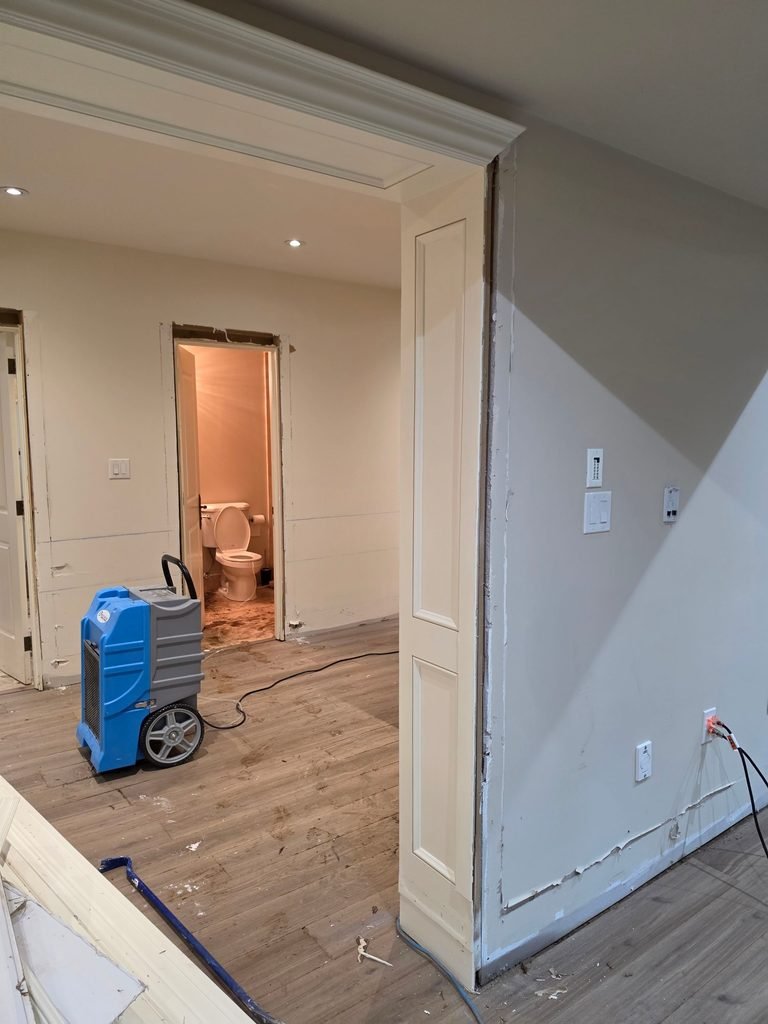
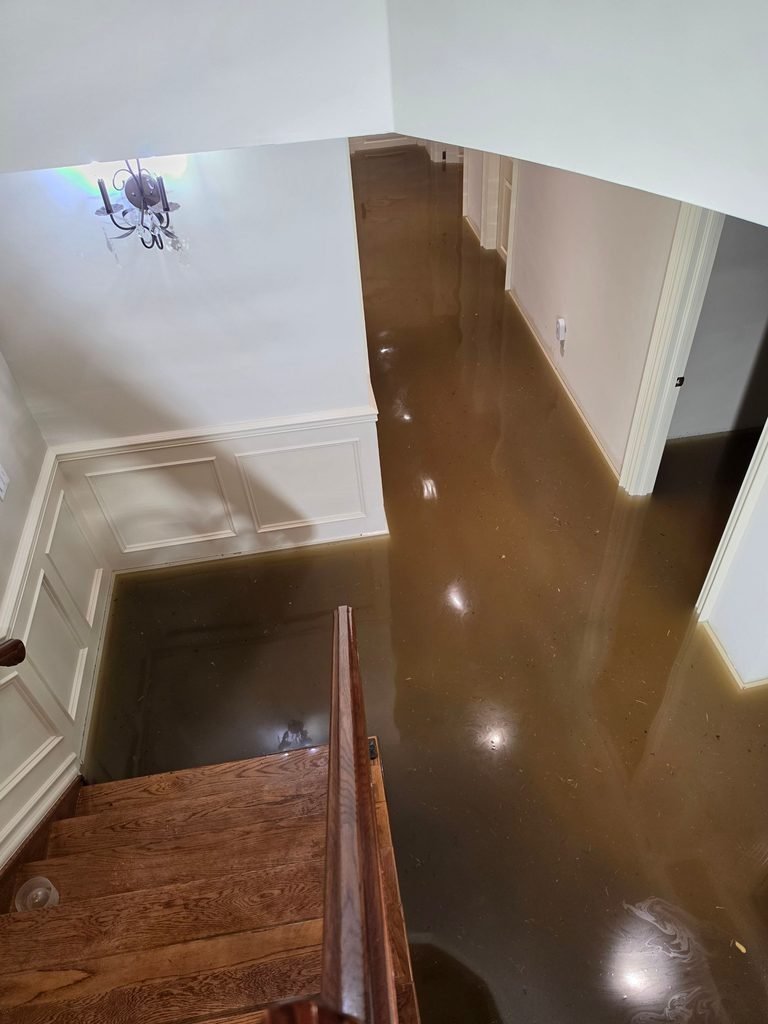
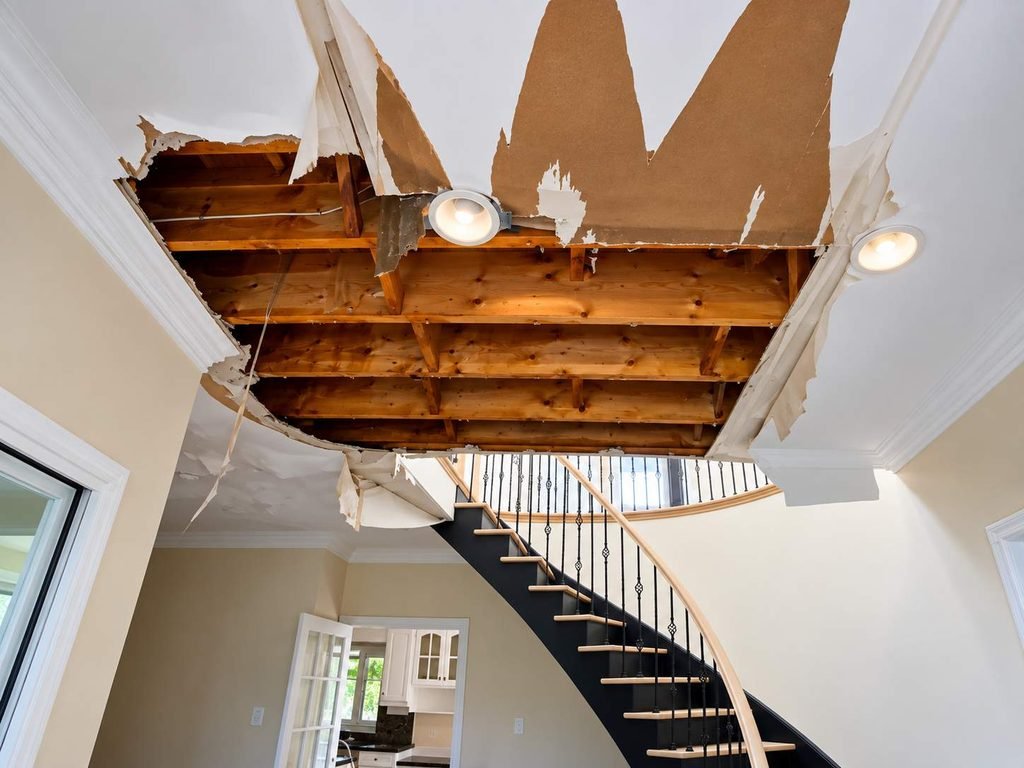
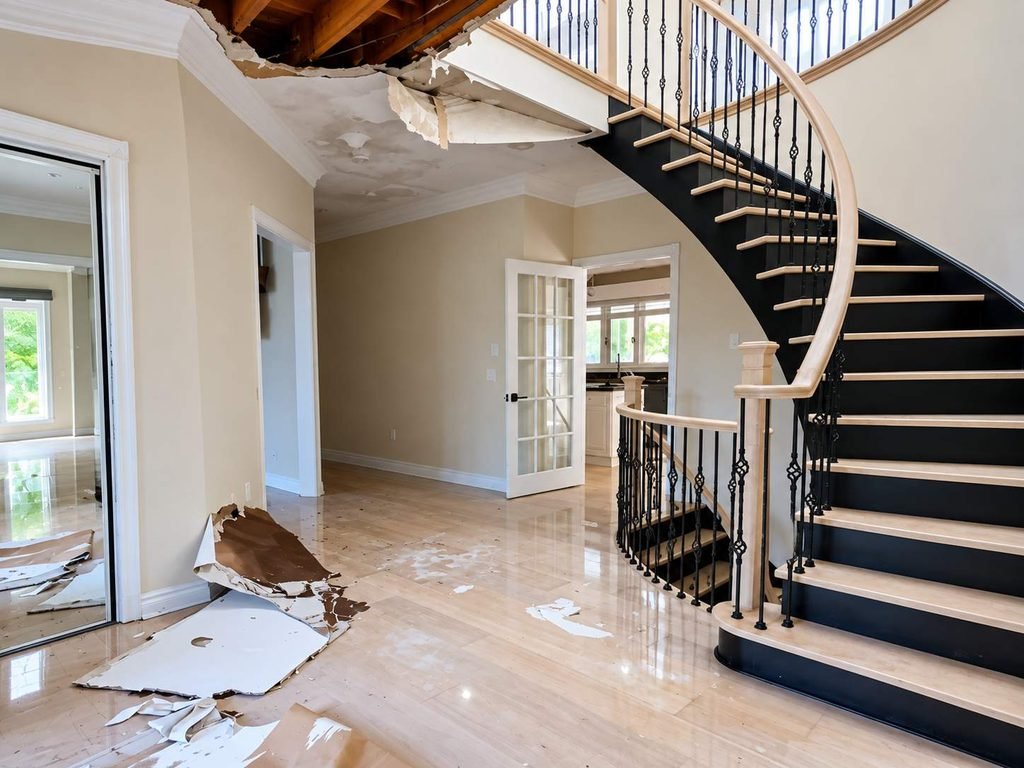
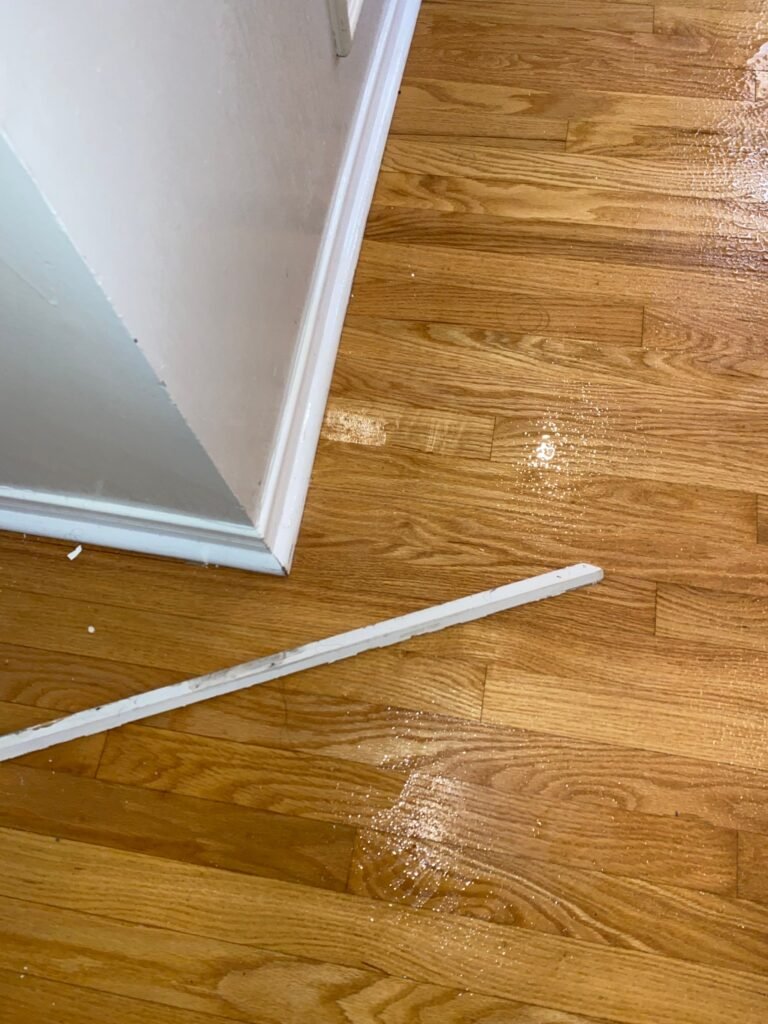
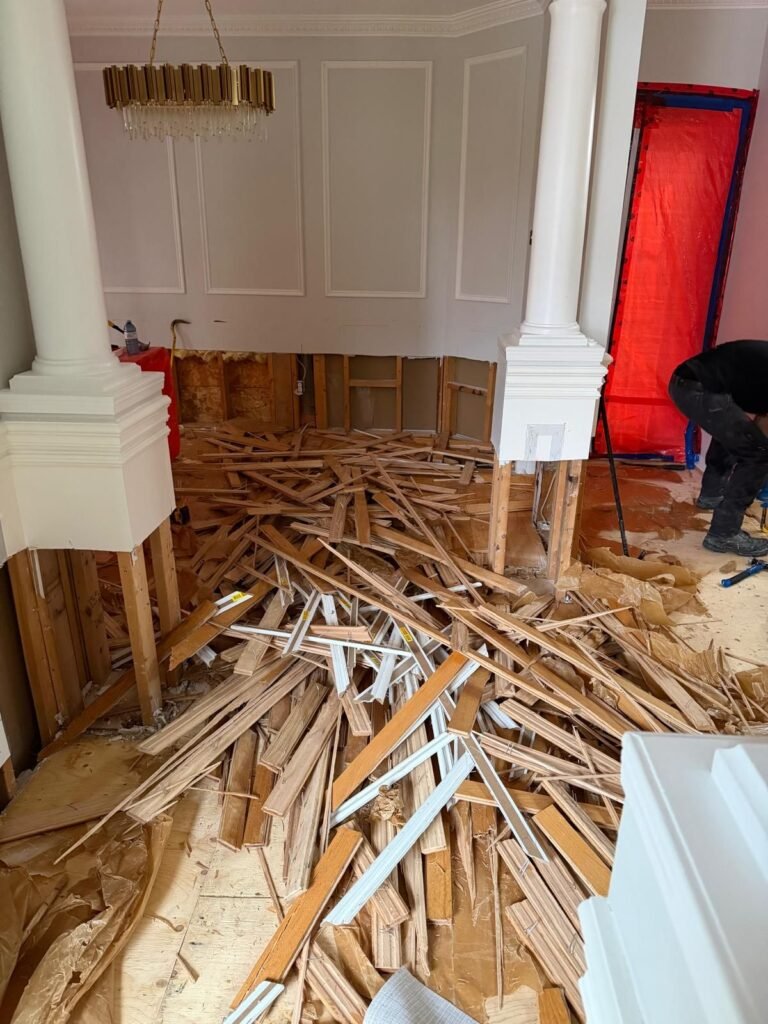
The July 2024 storm caused major damage across the Greater Toronto Area. It reminded homeowners that water can enter their homes easily. Flooded Basement Cleanup Toronto services are vital for anyone facing water issues after heavy rain. Toronto basement flooding is becoming more common, and even homes with no previous issues are at risk. What starts as a small basement leak in Toronto can quickly cause major structural damage if not fixed soon. At CPR24 Restoration, we specialize in flood damage restoration, emergency response, and complete flood clean up Toronto solutions. This guide will show you what to do if your basement floods. It covers the full cleanup process. It also explains when to call a local flood restoration professional to protect your home. Why Basement Flooding Happens in Toronto Understanding the root causes of basement flooding helps homeowners prevent future damage and respond faster when issues occur. Combined Sewer Systems Many older Toronto neighbourhoods still rely on combined sewer systems. During heavy rainfall, these systems become overwhelmed, leading to backups that cause Toronto basement flooding. When pressure builds, water can push back into homes through floor drains and plumbing fixtures. Heavy Rainfall and Climate Change Severe storms are becoming more frequent. With fewer natural drainage areas, water accumulates faster, increasing the risk of a Toronto wet basement. Stormwater systems are often unable to handle the volume, resulting in widespread flooding. Foundation Cracks and Drainage Issues Water finds its way through even the smallest openings. Cracks in foundation walls, poor grading, and failing weeping tiles all contribute to basement flooding. Over time, freeze-thaw cycles worsen these vulnerabilities. Aging Infrastructure Older homes and municipal systems did not anticipate today’s water volumes. As infrastructure deteriorates, the risk of basement flooding and recurring leaks increases significantly. Step-by-Step Flooded Basement Cleanup Process When dealing with basement flood clean up, following the correct process is critical to prevent long-term damage and health risks. Step 1: Safety First and Damage Assessment Before entering a flooded basement, shut off the power at the breaker. Water and electricity are extremely dangerous together. Wear protective gear such as gloves and boots, as floodwater may contain contaminants. Document all visible damage for insurance purposes. Identifying whether the water is clean, grey, or contaminated is essential for proper flood cleanup services. Step 2: Water Extraction and Removal Removing standing water is the first major step in flood cleanup. Workers use pumps and extraction equipment to remove large volumes of water quickly. Avoid removing water too quickly if the surrounding ground is still saturated, as pressure differences can cause structural damage. Step 3: Drying and Dehumidification Proper drying is critical in flood damage restoration. Industrial air movers and dehumidifiers eliminate moisture trapped behind walls and under flooring. Without professional drying, hidden moisture can lead to mold growth and further structural issues. Step 4: Cleaning and Disinfection Once dry, all surfaces must be disinfected. This step is essential in basement cleaning and basement cleaning services, especially if the water involved sewage or contaminants. Porous materials like drywall, insulation, and carpeting often need removal if exposed for extended periods. Step 5: Restoration and Repairs The final phase includes flood damage repairs such as replacing drywall, flooring, and insulation. Experts may also recommend waterproofing measures to prevent future basement flooding. Common Mistakes to Avoid During Basement Flood Clean Up Avoiding these mistakes can save you thousands in repairs and ensure proper flood cleanup in Toronto results. Delaying the Cleanup Waiting too long to start the basement flood clean-up allows mold to grow within 24–48 hours. Immediate action is crucial. Ignoring Hidden Moisture Water can remain trapped behind walls and under floors. Without professional tools, homeowners often miss this, leading to future damage. Skipping Proper Sanitization Basic cleaning is not enough. Proper flood cleanup services include antimicrobial treatments to eliminate bacteria and contaminants. Overlooking Electrical Risks Never enter a flooded basement without confirming power is safely shut off. Basement Flood Clean Up Cost and When to Call CPR24 Restoration Many homeowners ask about how much is basement flood clean up or search for basement flood clean up near me during emergencies. The reality is that costs vary widely depending on the severity of the damage, contamination level, and required repairs. Instead of focusing only on the basement flood clean-up cost, it’s more important to act quickly. Delays can significantly increase the scope of damage and restoration required. DIY vs Professional Flood Cleanup While DIY basement cleaning may seem cheaper, it can miss hidden moisture and leave surfaces not fully sanitized. Professional flood cleanup services like CPR24 Restoration use advanced equipment and proven methods to fully restore your property. Insurance and Flood Damage Restoration Most insurance policies cover sudden water damage, but may require additional coverage for sewer backups or external flooding. CPR24 Restoration works directly with insurance providers to simplify the claims process. Finding Reliable Flood Restoration Near Me When searching for flood restoration near me or flood cleanup Toronto, choose a certified, experienced company. CPR24 Restoration offers: A flooded basement can quickly turn into a serious problem if not handled properly. Knowing what to do if basement floods can make the difference between minor repairs and major restoration. At CPR24 Restoration, we offer fast, reliable, and professional flood clean up. We also provide basement cleaning and full flood damage repairs across Toronto. If you’re dealing with Toronto basement flooding, don’t wait—contact our team immediately for expert help. If you’re searching for basement flood cleanup in Toronto, CPR24 Restoration can help. We respond 24/7 for basement flooding cleanup in Toronto. Our team specializes in full basement flood cleanup in Toronto, restoring your property safely from start finish. Whether it’s emergency water removal or full Toronto flooded basement cleanup, we deliver reliable results when you need them most. FAQs Q1. What should I do if floodwater fills my basement? Start by shutting off electricity and ensuring safety. Remove water as quickly as possible, begin drying, and contact a professional for proper flood damage restoration. Q2. How

Uncategorised

Flood Help Near Me: Fast Emergency Response

When disaster strikes, searching for flood help near me is often the first step homeowners take. In Toronto, basement flooding is a serious and recurring problem. It often happens during heavy rainstorms, snowmelt, and unexpected plumbing failures. A basement can flood suddenly. If you don’t deal with it right away, it can cause serious property damage. It can also lead to mold growth. Repairs can be expensive. Many homeowners in the GTA experience Toronto basement flooding because of aging infrastructure, overwhelmed drainage systems, and foundation issues. A simple basement leak that Toronto residents ignore can turn into a full-scale emergency within hours. In many cases, what starts as a Toronto wet basement becomes a major restoration project requiring professional intervention. That’s why CPR24 Restoration offers fast, reliable, and professional emergency flood services. We also provide basement flood clean-up and full restoration solutions. Whether you face a small leak or major flooding, knowing what to do can reduce damage and protect your home. Understanding Basement Flooding in Toronto Basement flooding Toronto homeowners face is becoming more common because of climate changes and increased rainfall intensity. Toronto has had storms with over 100 mm of rain in one day. This overwhelmed sewer systems and caused widespread flooding. A basement flood doesn’t just damage floors and drywall. It can weaken your home’s structure, ruin personal belongings and create unsafe living conditions. Many people searching for flooding help near me don’t realize how quickly water damage spreads. Water quickly seeps into walls, insulation, and flooring within minutes. Over the next few hours, structural materials can begin to weaken as moisture spreads. If left untreated for 24–48 hours, conditions become ideal for mold growth. This is why immediate action and professional flood cleanup services are critical. Common Causes of Basement Flooding Understanding the causes of basement flooding can help you act faster and prevent future issues. Foundation Cracks and Basement Leaks One of the most common causes is a basement leak Toronto homeowners often overlook. Small cracks in the foundation allow water to seep into your basement during heavy rain. Sewer Backups During storms, municipal systems can become overwhelmed, causing sewage to back up into homes. This leads to contaminated water entering your basement, requiring urgent flood clean up service. Sump Pump Failure A sump pump is your first line of defense against flooding. When it fails, water can quickly accumulate, leading to severe basement flooding Toronto residents frequently experience. Poor Drainage Systems Improper grading around your home or clogged drains can cause water to pool near the foundation, increasing the risk of a Toronto wet basement. Burst Pipes and Plumbing Issues Frozen or aging pipes can burst unexpectedly, causing indoor flooding and requiring immediate emergency flood help. What to Do If Your Basement Is Flooded If you’re searching what to do if basement floods or what to do if your basement is flooded, follow these critical steps: 1. Turn Off Power Safety is the top priority. Never enter a flooded area while electricity is active. 2. Avoid Contaminated Water Floodwater can contain bacteria, sewage, and harmful chemicals. Avoid direct contact. 3. Stop the Source If possible, stop the water source (burst pipe, appliance leak, etc.). 4. Call Professionals Immediately Search for flooded basement help near me and contact CPR24 Restoration for immediate assistance. 5. Document the Damage Take photos for insurance purposes before cleanup begins. Acting fast can significantly reduce repair costs and prevent long-term damage. How to Find Reliable Flood Help Near You When dealing with basement flooding, finding the right company is essential. Many homeowners search for flood services near me, flooding repair near me, or emergency flooding help during emergencies. Choose a Trusted Local Company CPR24 Restoration is a trusted provider of flood cleanup Toronto services, offering fast response times and complete restoration solutions. Look for 24/7 Emergency Services Flooding doesn’t wait. You need a company that provides emergency flooding services around the clock. Check Experience and Equipment Professional companies use advanced equipment for water extraction, drying, and disinfection to ensure proper cleanup. Insurance Support A reliable company will assist with insurance claims and documentation, making the process smoother. What Professional Emergency Flooding Services Include At CPR24 Restoration, we design our flood cleanup services to handle every stage of water damage restoration. Rapid Emergency Response Our team responds quickly to all flood help near me calls, ensuring immediate action to reduce damage. Water Extraction We use high-powered pumps and vacuums to remove standing water efficiently. Drying and Dehumidification Industrial equipment removes moisture from walls, floors, and hidden areas. Cleaning and Sanitization We apply antimicrobial treatments to eliminate bacteria and prevent mold growth. Structural Repairs From drywall to flooring, we provide complete restoration services. Detailed Documentation We provide full reports and photos for insurance claims. Basement Flood Clean Up Process Our proven basement flood clean up process ensures your home is restored properly: If you’re dealing with a flooded basement, our team provides fast and effective basement flooding help near me solutions. Sewer Backup and Contaminated Water Cleanup Not all flooding is the same. Sewer backups introduce hazardous contaminants into your home. This type of basement flooding requires specialized handling. At CPR24 Restoration, we provide: This ensures your home is safe and fully restored after severe flooding events. Flood Recovery and Restoration Services After cleanup, full recovery begins. Our flood service includes the complete restoration of your home. Repairs and Reconstruction We repair all affected areas, including: Timeline for Recovery Our goal is to restore your home as quickly and efficiently as possible. Flood Prevention Solutions for Toronto Homes Preventing future basement flooding Toronto homeowners face is critical. We provide expert flood prevention services to protect your property. Key Prevention Methods These steps reduce the risk of another Toronto wet basement and protect your investment. Why Choose CPR24 Restoration When searching for flood help near me, you need a company you can trust. CPR24 Restoration stands out because we offer: We are the go-to experts for flood cleanup Toronto, basement flood

Uncategorised

Flood in my basement Toronto

Basement flooding in Toronto ranks among the most costly home problems we face. It’s important to know the causes and solutions. It helps when water leaks in after heavy rain. It can guide emergency basement water removal. This blog explains why Toronto basements flood. It covers what to do during an emergency. It also explains how to prevent flooding with maintenance, protection programs, and insurance. What Causes Basement Flooding in Toronto Multiple factors contribute to water damage in basements. Understanding what causes basement flooding helps you address the problem at its source. Sewer Backup Service Toronto During Heavy Rain Storm events overwhelm municipal sewer systems and force water back through floor drains and basement toilets. This contaminated water requires professional attention and poses health risks. Poor Drainage and Yard Grading Improper yard grading ranks among the top causes of water leaking into the basement after heavy rain. Rainwater flows to the basement walls when soil slopes toward your foundation instead of away from it. The soil around your foundation should drop at least 6 inches over the first 10 feet away from your home. Soil settling creates low spots where water pools against your foundation. The backfilled soil used during construction stays more porous than the surrounding earth. It absorbs more moisture near foundation walls. Toronto’s clay-heavy soil retains water and creates constant saturation around foundations. This makes additional drainage solutions necessary. Downspouts dumping water near your foundation compound the problem. A one-inch rainfall drops about 600 gallons of water on an average-sized roof. Extend downspouts 6 to 10 feet away from your home. This keeps the water from soaking the soil under your foundation. Sump Pump Failure Sump pump issues account for most Toronto basement flooding emergency calls. The five common failure points include: Power outages during storms leave standard sump pumps unable to function. An undersized pump cannot handle high water volumes during severe weather, resulting in flooded basements. Foundation Cracks and Water Leaks Toronto Water enters basements through the path of least resistance. Cracks in concrete or mortar joints provide easy entry points. Settlement and ground movement create stress-induced cracks in basement walls. Pipe penetrations and improperly sealed cord or wire openings also allow water seepage. Hydrostatic pressure from groundwater pushes against foundation walls and floors. When rainwater saturates the soil, the resulting pressure forces water through any cracks or gaps in the foundation. Plumbing Failures and Burst Pipes Toronto Internal plumbing issues cause basement water problems. Water heaters last 6-12 years, but system leaks result in water pooling on the basement floors. Worn-out washing machine hoses lead to leaks and appliance malfunctions. Frozen pipes burst during winter and cause water damage, especially when you have preexisting foundation cracks. What to Do When You Have a Flooded Basement Toronto Act fast if you find water on the basement floor. It can prevent major structural damage and limit cleanup. Ensure Safety First Turn off the electricity at the main breaker panel before you enter any flooded area. Water and electrical current create deadly conditions. Wear rubber boots, waterproof gloves and a mask when you enter the space. Floodwater carries sewage, chemicals and harmful bacteria. Children, pregnant women and people with respiratory problems should never handle water and materials that sewage has contaminated. Contact your local public health department if you suspect sewage contamination for proper disinfection procedures. Stop the Water Source Check external sources like foundation cracks, windows or walls where water seeps through. Inspect plumbing fixtures, water heaters and washing machines for leaks during dry weather. Turn off the water at the main supply if a pipe has burst, or use the shutoff valve for specific appliances. Verify your sump pump functions correctly, since pump failure commonly causes basement flooding emergencies. Document the Damage for Insurance Record a video walking through the flooded space before cleanup begins. Narrate what you see: water level, first appearance location, affected belongings and water appearance. Follow with close-up photos of every damaged area and item. Include a ruler for scale where water depth matters. Create an itemized list of damaged contents with descriptions, approximate values and serial numbers for electronics. Save every receipt for cleanup supplies, equipment rentals and emergency repairs. Call your insurer right after documentation. Remove Water and Start Drying Mold grows within 24 to 48 hours, so speed matters. Use a floor squeegee or wet/dry vacuum for small amounts. Deploy submersible pumps for moderate to severe flooding. Remove soaked carpeting, furniture, drywall, insulation and particleboard items that floodwater has exposed. Open windows and doors, run fans to circulate air and operate dehumidifiers continuously until the basement dries. How to Prevent Basement Flooding in Toronto Protect your basement by targeting vulnerabilities before water arrives. The following steps address common failure points that lead to Toronto basement flooding. Install a Backwater Valve A backwater valve prevents sewer water from flowing back into your home during heavy rain. This mechanical device closes when sewage tries to reverse direction through your pipes automatically. One installation addresses the sewer backup problem that overwhelms municipal systems during storms. Maintain Your Sump Pump Test your pump quarterly. Pour water into the pit until it activates. Clean the intake screen and check the discharge line for blockages. Verify the float switch moves freely. A battery backup system keeps the pump running during power outages. Pumps need replacement every seven to ten years before motor failure occurs. Improve Yard Grading and Downspouts Regrade soil to slope away from your foundation and create positive drainage. Downspouts should extend at least six feet from the house to prevent roof runoff from saturating foundation soil. Splash blocks or underground drainage pipes direct water further away. Fill low spots where water pools near the foundation. Waterproof Your Foundation Seal cracks in basement walls and floors with hydraulic cement or epoxy injections. Apply waterproof coating to interior walls in areas prone to seepage. Persistent problems may require exterior waterproofing. This involves excavation around the foundation and application of membrane barriers. Window well covers keep rain out of the basement windows. Regular Inspection and

Uncategorised

Emergency Plumbing Services for Water Damage North York

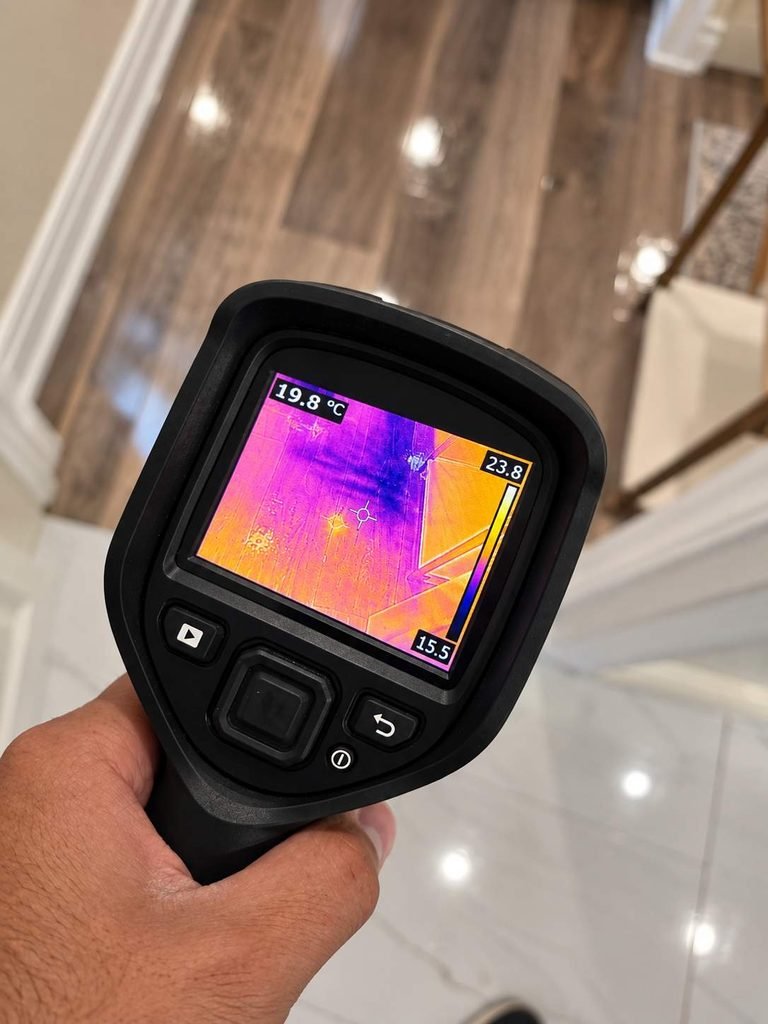
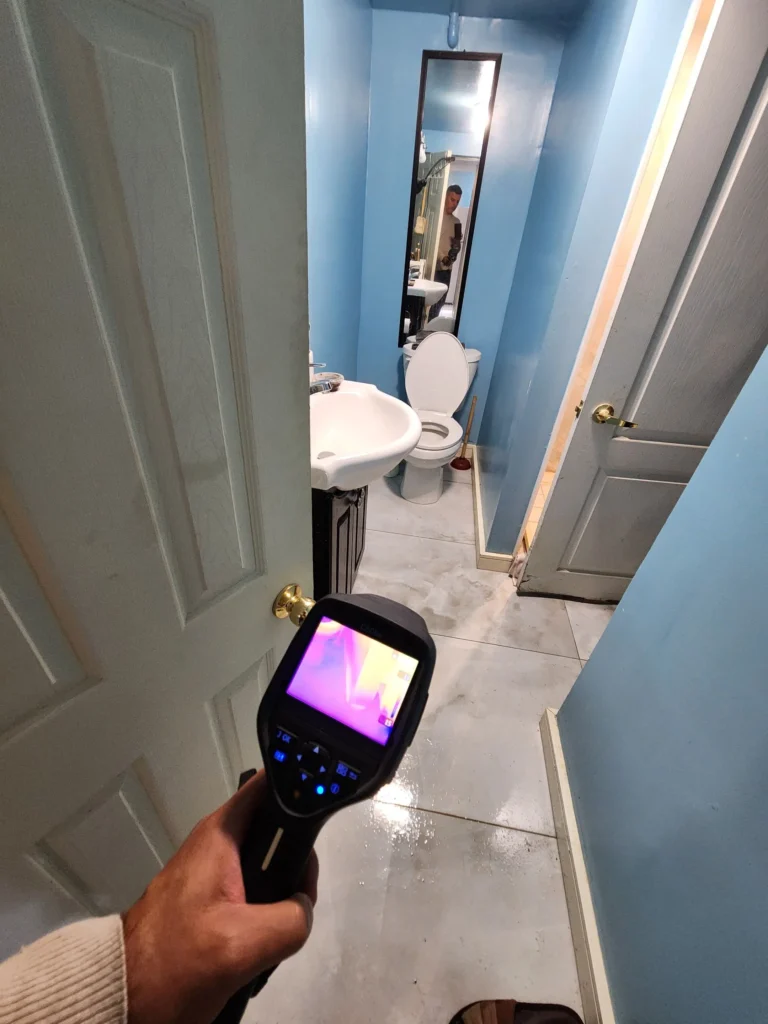
Our North York plumbing services for emergency water damage provide immediate relief at the time disaster strikes your home or workplace. We know plumbing emergencies can happen anytime. So we offer 24/7 emergency plumbing service to limit damage and restore your home fast. Beyond burst pipes and flooding, we handle sewage backups, sump pump failures, and water heater leaks. In this blog, we will cover common water damage emergencies in North York. We will explain our rapid response process and repair steps. You’ll also learn why local property owners trust our emergency plumber services in Toronto. Common Water Damage Plumbing Emergencies in North York North York properties face distinct plumbing challenges that can cause serious water damage. Knowing what you’re dealing with helps you respond faster and protect your home from extensive damage. Burst Pipes and Flooding A burst pipe in your home can lose as much as 400 liters of water an hour. Your average bathtub holds up to 200 liters. This means two full bathtubs of water will enter your house every hour. Freezing temperatures cause most burst pipes during winter months. Water in a pipe freezes and expands. This creates pressure against the inside of the pipe. The increased pressure exceeds the pipe’s strength and causes it to rupture. They don’t detect the rupture until the ice inside the pipe thaws as the temperature rises and water starts flowing. Pipes in uninsulated or poorly insulated exterior walls are most vulnerable. The same applies to pipes above the insulation in attics or in crawl spaces. Aging infrastructure and high water pressure also contribute to burst pipes in North York homes. Corrosion plays a role too. Sewage Backup and Overflow Sewage backups pose severe health risks. Raw sewage contains bacteria such as E. coli and Salmonella. It also has viruses and chemical contaminants. Tree roots and grease can build up in the wastewater connection over time and cause a blockage. Warning signs include gurgling drains and sewage smell in the basement. You may also notice backed-up water in multiple fixtures. The sanitary sewer or plumbing system can backup and flood from floor drains, toilets, sinks and showers. Laundry fixtures located in the basement are also at risk. Sump Pump Failures Sump pumps help keep your basement dry. They protect your home from water damage and foundation problems. Mold growth is another issue they prevent. A failed sump pump can wreak havoc on your property. Major basement flooding is one consequence. Small basement water leaks are another. Common causes include power outages and stuck float switches. Clogged discharge pipes are a problem too. Undersized pumps during severe storms and old neglected pumps also fail. Moisture moves fast and hides easily. Moisture trapped in drywall seams and baseboards can cause mold growth within 24 to 48 hours. The same applies to moisture behind paneling. Permanent structural damage follows. Water Heater Leaks Most water tanks last about 8 to 12 years. Sediment builds up at the bottom and accelerates failure. This is especially true in hard water areas. A water heater leaking from the bottom is more serious than top leaks. Water appearing to come from the tank’s body or seam indicates internal corrosion has caused failure. Ongoing moisture can damage flooring and drywall. 24/7 Emergency Plumbing Response for Water Damage Water won’t wait, and neither do we. You reach a live person who understands your urgent situation. Call CPR24 Restoration at (416) 551-8287 for water damage in North York. Immediate Dispatch and Arrival Times We maintain dedicated on-call technicians every day of the year, including holidays. You explain your problem, and we dispatch the nearest available plumber based on urgency. Serious flooding issues receive priority dispatch over slow leaks. Our 24-hour skilled plumbers in North York arrive within 30-60 minutes for emergency calls. Response times between one and three hours are standard during typical emergency calls.  The middle of the night often has the fastest response times, around 30-50 minutes across most areas. Roads remain clear, and technicians stand ready for emergencies. We provide tracking updates and communicate about technician’s location and expected arrival. You receive accurate information so you can plan while waiting. Fully Equipped Service Trucks Our service trucks carry parts for the most common emergency repairs, which means we fix problems on the first visit. We arrive with vehicles capable of handling 90% of emergencies without return trips for parts. This includes advanced tools like battery-powered sewer augers. They reach and clear clogs in tricky places, even without electricity. Emergency Assessment Process Our technician arrives and assesses the problem to explain what needs fixing. We diagnose first, then provide options with pricing before starting work. Priority one is preventing further water damage or safety hazards. A permanent repair isn’t always practical at 3am. So we make it safe and watertight. Then we schedule follow-up work during regular hours. Our Water Damage Plumbing Repair Process Our residential and commercial plumbing service in North York follows a systematic approach that protects your property and restores it safely. Stopping the Water Source Our first defense against damage is to stop water flow right away. We locate the main shut-off valve, typically in your basement, mechanical room, or near the water meter. Most shut-off valves close by turning clockwise until it stops and cut water to the entire house. For small issues like a leaking toilet, we use the fixture valve at the source. This stops the leak without shutting off your whole home’s water. After shutting off the main valve, we open nearby faucets and release remaining water from pipes. This reduces pressure and slows leaking. We also turn off your water heater if needed to prevent overheating or bursting. Damage Assessment and Documentation We conduct a complete visual survey and pinpoint areas that require testing. We record visible signs like discolouration, bubbling paint, warped flooring and damp patches. Hidden moisture poses one of the most serious threats. We use professional-grade moisture meters and infrared cameras to measure water migration in walls and materials. We compile photos, moisture readings and detailed notes into a complete report. This supports insurance claims

Uncategorised

Attic Mold Removal GTA

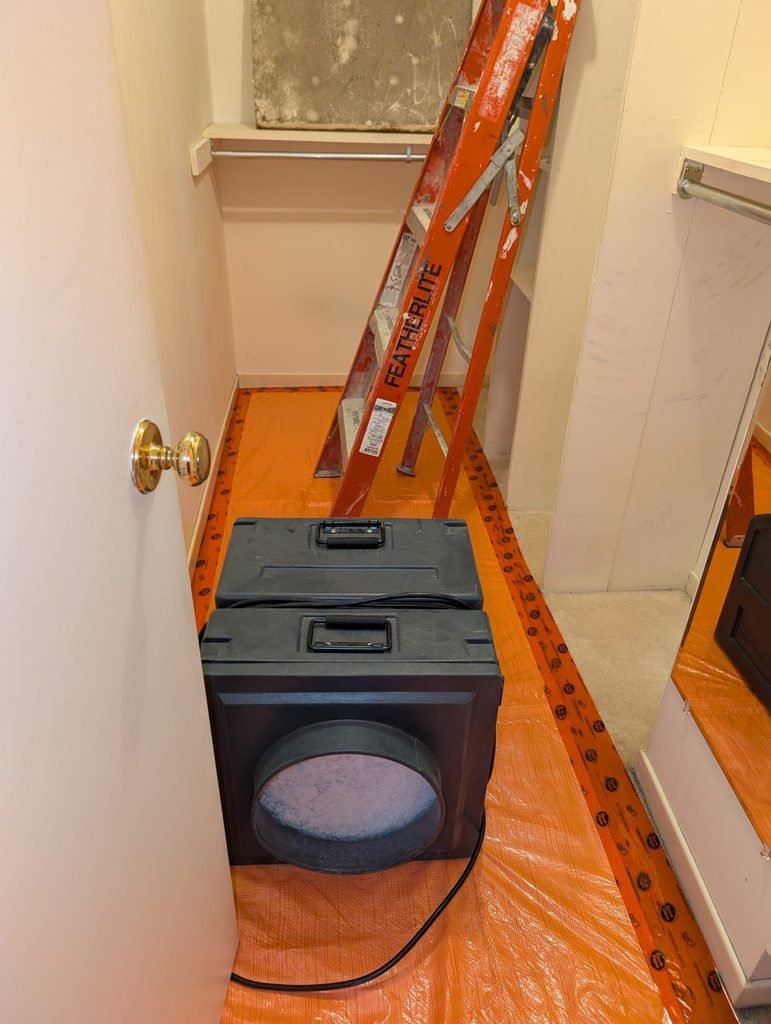
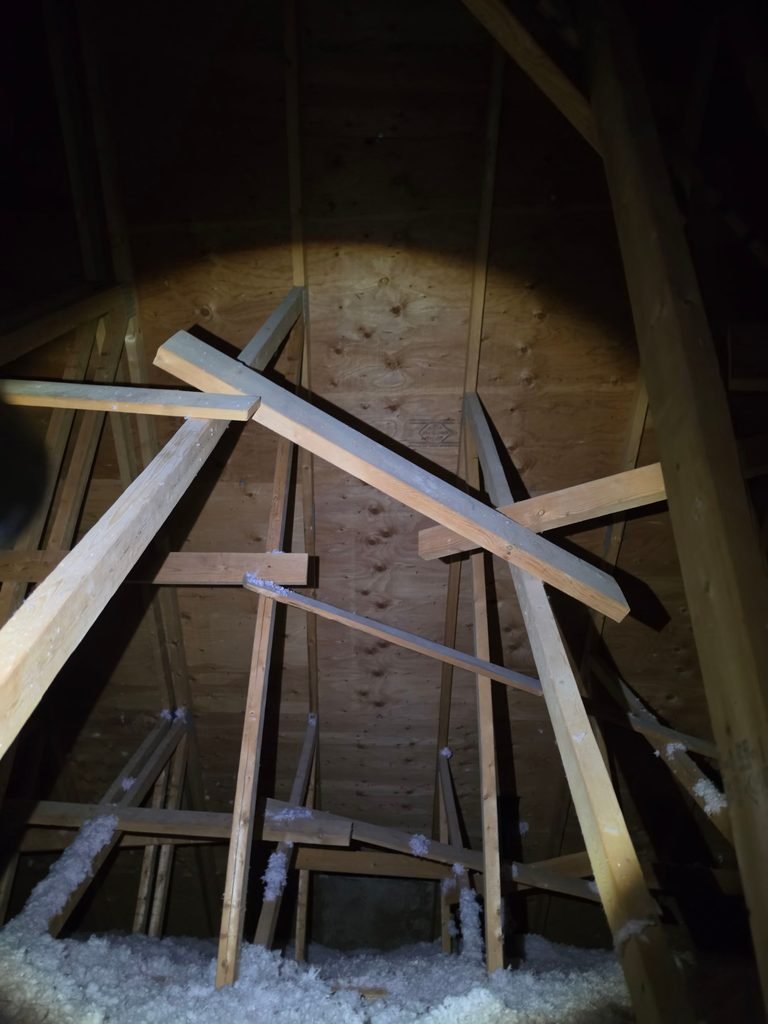
Mold removal Toronto homeowners need is not just about looks. The city’s humid summers and cold, damp winters can cause attic mold to grow. Mold growth can occur in just 12 to 48 hours when conditions line up. What starts as a minor issue can grow into serious health risks. These risks include allergies and breathing problems, especially for children and seniors. Ignoring attic mold can lead to pricey repairs ranging from $5,000 to $20,000. We’ve created this complete guide to help GTA residents with attic mold removal. It explains the causes and warning signs. It also covers professional mold removal services in Toronto. This guide helps you protect your home and family. Why Attic Mold Removal Is Critical in the GTA Attic mold removal in the GTA isn’t something you can postpone. The consequences extend way beyond surface-level concerns and affect multiple aspects of your home and well-being. Health Risks from Mold Exposure Mold spores don’t stay confined to your attic. They travel through your HVAC system and air ducts and circulate throughout your entire home. Symptoms may start when you breathe in these tiny particles. You may cough or wheeze. You may have nasal congestion. Your eyes may itch or water. You may get headaches. You may feel chronic fatigue. Many homeowners find these symptoms mimic a cold or flu that never seems to improve. The risks intensify if you have vulnerable family members. Children, elderly relatives, and immunocompromised individuals face dangers that are by a lot higher. Research shows that children living in homes with mold have triple the risk of low IQ scoring. Residential dampness or mold could account for 8-20% of respiratory infections in both children and adults. Certain molds produce mycotoxins, toxic compounds that cause more severe health implications. Prolonged exposure leads to neurological symptoms including memory loss, dizziness, depression, and slower reaction times. We’ve seen cases where adults exposed to mycotoxins exhibit disordered brain function and changes in balance. Structural Damage to Your Home Mold attacks the structural integrity of your home beyond health concerns. It feeds on wood and weakens rafters, beams, roof sheathing, and support structures. Wood rot often accompanies mold growth since both thrive in damp conditions and accelerate the deterioration process. Mold doesn’t stop at wood. It destroys insulation by trapping moisture and reducing effectiveness while compromising your home’s energy efficiency. Mold spreads to other areas through floors and ceilings once it takes hold in the attic. The more extensive and expensive repairs become the longer you wait. Effect on Property Value Buyers avoid properties with mold history, even after remediation. You must disclose mold-related issues during the selling process, and that disclosure delays or prevents sales. Home attic mold inspections reveal mold problems and give buyers negotiating power to demand price reductions. Investing in professional mold removal services Toronto experts provide protects your property value and keeps your home marketable. Common Causes of Attic Mold in GTA Homes Understanding what triggers mold growth helps you prevent it. Several factors can create ideal conditions for attic mold in the GTA. Ventilation issues cause nearly 90% of the cases we see. Poor Attic Ventilation Blocked or insufficient ventilation stands as the leading culprit. Your attic needs passive ventilation. Cool air enters through the soffit vents at the bottom. It warms up and escapes through ridge vents or can vents at the top. The whole system fails when insulation blocks these soffit vents. Warm, humid air stagnates and condenses on cold wood sheathing during winter months. This creates wet surfaces where mold runs rampant. Building codes require one square foot of venting for every 100 square feet of attic space. Many GTA homes fall short of this standard, especially older properties built before current regulations. Roof Leaks and Water Damage Roofing materials deteriorate over time. Damaged shingles, cracked flashing, and poorly sealed vents allow moisture into your attic. These leaks often escape notice for weeks or months because people don’t occupy attics regularly. Mold can begin growing in as little as 24 to 48 hours once water enters. What starts as minor water damage becomes a widespread mold infestation fast. Improper Exhaust Vent Installation Bathroom fans, kitchen vents, and dryer exhausts must terminate outside your home. Many installations route these vents into the attic. This dumps warm, moisture-laden air into an enclosed space where it can’t escape and creates localized mold pockets that spread over time. Insulation Problems Inadequate insulation allows warm air from living spaces to rise into the attic. Condensation forms when this warm air contacts cold roof surfaces. Excessive insulation without proper air sealing can block soffit vents and trap moisture. Installation near vents that cuts off airflow leads to condensation and subsequent mold growth. Condensation from Temperature Changes The GTA’s climate creates perfect conditions for condensation. Warm indoor air rises into cold attic spaces and condenses on the roof decking and framing during winter. Freeze-thaw cycles compound the problem, especially during spring when accumulated frost melts and saturates wood and insulation materials. Certified Attic Mold Removal Process Professional mold removal companies in the GTA follow a systematic approach that will give you safety and lasting results. Each step builds on the previous one to eliminate mold. Mold Inspection and Testing Certified technicians start with a detailed investigation. They use moisture meters and thermal imaging cameras to find water damage. They can check areas where mold is not visible yet. They identify the mold type and determine how far it has spread. Specialized pumps collect air samples. At least two samples are required. One is from your attic. Another is from outside as a control. Accredited laboratories analyze these samples and deliver results within 2-4 days. Technicians also examine ventilation systems, soffits, baffles and exhaust fans to pinpoint the root cause. Containment and Safety Setup The work area gets sealed with thick plastic sheeting and specialized tape before any removal begins. Negative air pressure systems push contaminated air outside. They help stop millions of tiny spores from spreading through your HVAC system. Workers wear protective

Uncategorised

Toronto Basement Flooding in Spring

Spring brings more than warmer weather to Toronto, it brings basement flooding risks that cost homeowners. Over 20,000 homes are at risk annually, and Toronto’s 2024 storms alone led to $940 million in insured losses. Rapid snow melt and overwhelmed sewer systems create perfect conditions for flooded basements in Toronto. We understand how stressful Toronto basement flooding can be, particularly when it damages your finished basement and belongings. Most basement flooding Toronto are preventable with the right preparation and basement flooding solutions. This blog will show you how to prevent basement flooding during heavy rain. We’ll cover warning signs to watch for, practical prevention steps, and what to do if your basement keeps flooding. Why Spring Basement Flooding Happens in Toronto Rapid Snow Melt and Ground Saturation Temperatures spike in spring, and the built-up snow melts faster than the ground can handle. The math works against us: ten inches of snow translates into about one inch of liquid water. On your roof and yard, this represents thousands of gallons directed toward your foundation. The problem gets worse when the ground remains frozen beneath the surface. This creates a pavement effect where snowmelt cannot spread through the soil vertically. Hydrostatic pressure builds as saturated soil pushes against your foundation. A measurable force in pounds per square inch presses against the wall for every foot of water-saturated soil. This pressure exploits hairline cracks, aged mortar joints and any weak points in your foundation structure. Heavy Spring Rainfall Patterns Toronto receives around 800 to 850 mm of precipitation each year. Rainfall events are becoming more intense. Spring storms dump large volumes in short periods and saturate ground already soaked from snowmelt. Soil reaches maximum absorption capacity and additional rainwater pools around foundations rather than draining away. Recent climate data shows extreme rainfall events occur more frequently. Short but heavy storms place enormous pressure on drainage systems and surrounding soil. Water damage now accounts for about 48 per cent of home insurance claims. Spring contributes substantially to these numbers. Overwhelmed Sewer Systems Municipal sewer systems can take on much more water than they were built for. This happens during fast snowmelt and heavy spring rains. Sanitary sewers fill past capacity and water travels backwards through service lines into homes. This surcharging happens when the water level in sewers rises above the basement floor levels. Storm and sanitary systems struggle at the same time. Heavy rainfall combined with ground thaw creates peak loads that overwhelm aging infrastructure. Sewage can flow directly into your basement when systems reach capacity if you don’t have a backwater valve. Foundation Vulnerabilities in Toronto Homes Toronto homes built on clay soil face a higher settlement risk. Clay holds water longer than other soil types and keeps pressure elevated for days after storms. This prolonged exposure weakens foundations and allows moisture through small openings. Freeze-thaw cycles expand cracks each winter. Moisture seeps into small foundation cracks, freezes and widens those openings. This repeated expansion creates entry points for water over time. Older foundations without modern waterproofing become especially vulnerable as materials degrade and drainage systems fail. Signs Your Toronto Basement is at Risk of Flooding Spotting warning signs early can save you from basement flooding repair that might get pricey. The American Society of Home Inspectors reports that over 60% of basements in existing homes have a moisture problem. You gain time to act when you catch these indicators before water enters. Damp Walls and Musty Odours Your nose often detects problems before your eyes do. A musty smell signals excess moisture and mold growth, even when surfaces appear dry. Fungi in damp spaces release microbial volatile organic compounds that create this odour. The smell worsens after rain or during humid weather, which confirms moisture infiltration. Water seeping through your foundation appears as damp basement walls. High humidity guides condensation and mold growth. Look for white, chalky deposits on concrete walls. Water evaporates and leaves mineral salts behind. This creates efflorescence. It shows moisture has moved through your foundation materials. Water Pooling Near Your Foundation Standing water near your home creates a serious risk. Water that pools for more than 24 hours after storms signals drainage problems. This moisture increases hydrostatic pressure against foundation walls and guides basement leaks, cracks and mold issues. Watch for mulch or dirt washed away after storms and downspouts dumping water less than 4 feet from your house. These signs mean water flows toward your foundation instead of away from it. Slow Drains and Plumbing Backups The problem goes beyond a simple clog when multiple fixtures drain slowly at the same time. This indicates a main sewer line issue that can guide basement flooding. Gurgling sounds from toilets or drains signal trapped air in your plumbing system, a common result of sewer line problems. Keep in mind that water backing up in unused or lower-level drains means wastewater cannot flow out. Basement drains often show the first signs when sewer systems become overwhelmed. Cracks in Foundation Walls Foundation cracks provide direct entry points for water. Hydrostatic pressure from water-saturated soil causes walls to crack. Horizontal cracks prove more concerning than vertical ones because they indicate pressure from water pushing against your foundation. Cracks with white mineral deposits around them signal active water problems. How to Prevent Basement Flooding During Spring Prevention requires specific actions taken before spring storms arrive. It helps homeowners install protective measures. Install and Test Your Sump Pump for Basement Flooding Your sump pump removes water that accumulates around your foundation. Test it monthly if it handles washing machine drainage or quarterly otherwise. Pour a bucket of water into the sump pit to verify that the float activates and the pump clears water quickly. The discharge location should sit at least 20 feet away from your home to prevent water from draining back toward the foundation. Install a battery backup since spring storms often cause power outages when you need the pump most. Add a Backwater Valve to Stop Sewer Backups A backwater valve prevents sewage from flowing backwards into your basement when municipal sewers reach capacity. The device allows wastewater

Uncategorised

Emergency Water Damage in Toronto: What to Do After a Flood

Water damage restoration becomes critical once you find flooding in your Toronto property. Mold can start developing within 24 to 48 hours, so every minute counts to protect your home and health. Water damage spreads quickly. Professional response time is essential to prevent structural damage and pricey complications. In this piece, we’ll walk you through the immediate safety steps to take and how to document damage for insurance claims. You’ll learn when to call emergency water damage restoration services. We’ll also show how certified water damage restoration toronto teams prevent long-term issues like mold growth. Ensure Safety Before Taking Any Action Flooding creates immediate life-threatening hazards that need careful assessment before you attempt any cleanup. Water and electricity together claim lives every year during flood events. Safety protocols are non-negotiable. Shut Off Electricity in Affected Areas Never enter standing water if electricity hasn’t been shut off. Electricity travels through water and creates severe shock risks that can prove fatal. Your main electrical panel needs attention right away. The biggest issue is this. Most Toronto homes have breaker panels in basements. This creates a dangerous situation when basements flood. Do not wade through water to reach your breaker panel if it sits in the flooded area. Call Toronto Hydro or your local electrical utility to disconnect power at the meter. Most utilities provide emergency disconnection services for flood situations. If you can reach your breaker panel safely without entering floodwater, shut off all basement circuits first. Then shut off the main breaker. Hire licensed electricians to inspect all electrical systems before restoration once you remove the water. Submerged electrical equipment requires replacement, not just drying. Stop the Water Source if Possible The first step during any water emergency involves stopping the flow. Locate your home’s main water shutoff valve and turn it off right away. You need to know this valve’s location before an emergency strikes. This proves critical to minimize damage. You must also shut off water to specific appliances that might be leaking. This helps control the situation. Protect Yourself from Contamination Floodwater contamination poses serious health hazards that extend well beyond visible water. Not all floodwater carries equal risks. Clean water from broken pipes presents minimal contamination concerns. Gray water from washing machines or dishwashers contains some contaminants and requires caution. Black water from sewage backups or soil organisms poses serious health hazards and requires specialized handling. Toronto’s combined sewer system means storm flooding often brings sewage contamination into basements. This black water contains bacteria, viruses, parasites and toxic substances. These cause illness through skin contact, ingestion, or inhalation of contaminated mist. Floodwater rarely consists of “just rainwater.” It mixes with sewage, household chemicals, bacteria, debris and mold spores once it enters your property. Protective equipment is mandatory for anyone entering flood-affected areas: Thoroughly wash any skin that contacts floodwater with soap and clean water. Do not smoke, eat, or touch your face while in flooded areas. Seek immediate medical attention if contaminated floodwater exposes cuts or wounds. Serious infections develop faster. Assess Whether It’s Safe to Enter Walk around the perimeter and note electrical wiring, any gas smell, or debris that could fall before you enter. Floodwater exerts tremendous pressure against foundation walls and potentially causes structural damage that compromises your home’s safety. Warning signs of flood-related structural damage include new or wider foundation cracks. They also include bowed or shifted walls. Doors and windows may no longer close properly. Separated seams where walls meet ceilings or floors also indicate damage. Evacuate the affected area. Consult structural engineers before you start cleanup if you see any of these conditions. Do not touch any electrical fixtures, telephones, or switches if a gas odour is present. Any spark may ignite the gas. Document the Damage for Insurance Claims Documentation is the foundation of successful insurance claims. Grab your phone and start capturing evidence before moving a single item. Record video as you walk through each affected room and narrate what you see and when the flooding occurred. Wide-angle shots establish the overall scope of damage and prove you haven’t exaggerated the situation. Take Photos and Videos of All Affected Areas Photograph entire rooms from doorways first to capture context. These complete shots show insurance adjusters the full extent of flooding. Move closer once you have overall room documentation to capture detailed images of specific damage points. Photograph water stains on walls and ceilings, bubbling or peeling paint, warped flooring, and damaged drywall. Capture any visible mold growth or discoloration. Multiple angles of the same damage provide adjusters with the complete visual information they need for assessment. Good lighting makes the difference between useful evidence and rejected claims. Natural light works best. Bright artificial lighting is enough when daylight isn’t available. Avoid using flash, which creates glare and obscures critical details. Blurry or poorly lit photos won’t support your case. Damage might as well not exist if adjusters can’t see it. Record Time and Source of Water Damage Toronto You need to find and document where water entered. This proves whether damage qualifies as sudden and accidental, which insurance covers, versus long-term neglect, which doesn’t. Photograph the exact entry point, whether it’s a burst pipe, roof leak, window breach, or appliance failure. Capture any visible damage surrounding the source and evidence of what caused the intrusion. Photograph water meter readings if you can safely access them to prove the volume of water loss. This is helpful for pipe bursts. Time-stamped photos establish clear timelines of when damage occurred and how it progressed. Enable timestamp features on your camera or note dates and times somewhere visible in pictures. This documentation becomes critical since mold develops within 24 to 48 hours. List Damaged Items and Property Create an inventory of every damaged item with detailed descriptions, brand names, purchase dates, and prices. Include current condition and photos. Dig up receipts whenever possible to validate values. Photograph serial numbers and model information for electronics and appliances. These specifics are a great way to get your claims filed properly. Organize items into groups such as furniture, electronics, and clothing. Don’t discard anything before your adjuster

Uncategorised

Toronto flood watch issued as rainfall intensifies

Weather conditions in Toronto have triggered a flood watch across the city and the Greater Toronto Area. Heavy rainfall is increasing across the region. Environment Canada has issued warnings for up to 40 mm of rain in parts of southern Ontario. This could nearly match the city’s usual total rainfall for all March. The severe Toronto weather has caused major disruptions so far. Multiple roads are closed because of flooding. In this blog, we’ll walk you through the current weather conditions and safety warnings from authorities. You’ll also learn what to expect as this weather system continues to affect Toronto and the surrounding areas. Flood watch issued for Toronto and GTA Rainfall warning details from Environment Canada Environment Canada issued a yellow-level rainfall warning for Toronto that extends into Wednesday. The alert signals serious weather concerns for Toronto and the region. The federal weather agency warns that heavy downpours can cause flash floods and water pooling on roads. These conditions pose hazards to drivers and pedestrians. This yellow level alert indicates that riverine flooding is possible or expected in the coming hours. The warning states that intense rainfall rates will occur in localized areas rather than across a widespread region. Though not every neighbourhood will face the same level of harm, those that the crisis hits can expect sudden, dramatic effects. Flash flooding can develop in these conditions and catch motorists off guard on major roadways. CPR24 Restoration is here to help with all flooding inquiries including flood damage cleanup, flooded basement Toronto, and emergency flood damage in Toronto! Expected precipitation amounts Toronto can expect between 20 and 40 millimetres of rain during this weather in Toronto event. Environment Canada forecasts up to 60 millimetres for much of Toronto and surrounding areas throughout the day. Rainfall rates of between 20 and 40 millimetres are possible at times during the most intense periods. Southern Ontario regions could see rainfall totals between 15 and 40 mm. Thunderstorms may bring higher amounts locally. The variation in precipitation depends on whether an area falls under the path of the most intense rainfall cells. Several rounds of showers and isolated thunderstorms will continue through the evening. This makes it difficult to predict exact totals for specific neighborhoods. Frozen ground will limit how much water the soil can absorb. Runoff will increase and raise the risk of flooding in low-lying areas. This factor makes even moderate rainfall more dangerous than in warmer months, when the soil absorbs more moisture. Areas affected by the weather Toronto advisory The rainfall warning covers Toronto and most of the Greater Toronto Area. It extends over much of southern Ontario. Parts of the region northwest of Toronto are also experiencing near-zero visibility in fog alongside the heavy rain. The weather system affects both urban centers and surrounding communities. This creates widespread challenges for emergency services and transportation networks throughout the affected zones. Safety warnings and flood outlook from TRCA Watershed conditions statement details Toronto and Region Conservation Authority issued a watershed conditions statement as rainfall intensified throughout the GTA. The TRCA operates a 24-hour flood forecasting and warning program that monitors weather forecasts and watershed conditions. This statement warns that heavy rain from thunderstorms could cause flooding in flood plains and low-lying areas that do not drain well. The forecast suggests a higher potential for flooding from river systems. Intense rainfall within a short period may increase water levels and flow rates within streams and rivers faster. This causes flooding in low-lying areas. TRCA provides local agencies and the public with notice, information and advice so they can respond during severe rainfall events with the potential risks of flooding. Risks from rapid water level changes All rivers and streams within the GTA should be considered dangerous due to slippery river banks and higher water levels and flows. Water levels increase fast and create hazardous conditions that can develop quickly. People near waterways can be caught off guard. Water moving at just 2 meters per second can knock children and many adults off their feet. Even shallow flowing water poses serious risks, especially when carrying debris. An adult can be knocked down by just 6 inches of flowing water. What to avoid during flooding conditions Residents need to exercise caution around all bodies of water. Parents should alert children under their care of these dangers and supervise their activities near any water sources. Avoid crossing flooded areas. Fast water can sweep you away even if it appears shallow. Vehicles can be moved by flowing water of only 1 foot depth. Don’t drive through flood waters or underpasses, as water may be deeper than it looks. Avoid crossing bridges if water is close to or touching the ceiling of the bridge and flowing quickly. Contact CPR24 Restoration for Flood Damage Services Toronto! Toronto’s heavy rain has created dangerous conditions in the GTA. Flooding, power outages, and transit delays now affect thousands of residents. Conditions should improve by a lot by Thursday as the weather system moves out of the region. CPR24 Restoration responds 24/7 and arrives within minutes! Stay away from flooded roads and waterways until the watershed conditions statement expires Thursday evening. Monitor local weather updates and avoid unnecessary travel during peak rainfall periods. Exercise caution near all water sources. This is the most important thing to remember. Flow rates are still dangerously high. FAQs Q1. Which areas of Toronto are most vulnerable to flooding?  Low-lying areas and neighborhoods with poor drainage are particularly susceptible to flooding during heavy rainfall events. Areas near rivers and streams, as well as flood plains, face the highest risk when intense precipitation occurs. Even properties outside official flood zones can experience flooding during severe weather events. Q2. What makes flooding more dangerous during this particular weather event?  Frozen ground conditions significantly limit water absorption, causing increased runoff even from moderate rainfall amounts. This means water accumulates more quickly on roads and in low-lying areas. Additionally, rapid water level changes in rivers and streams create hazardous conditions that can develop suddenly. Q3. How much flowing water does it take to knock someone

Uncategorised

Mold Removal East Gwillimbury

Mold removal East Gwillimbury services matter when toxic black mold threatens your home and health. Toxic black mold contaminates indoor air quality and causes headaches and breathing difficulties. Mold spreads by producing spores that air or water carries to new locations and results in further growth throughout your property. Our team has offered mold inspection and mold remediation services in Toronto since 2002. We have remediated thousands of homes across the GTA. We’ve removed 1.87 million pounds of mold-affected debris. We have handled minor black mold removal projects in East Gwillimbury. We also complete extensive restorations. This piece covers why professional mold removal services are essential and signs you need immediate help. You’ll also learn about our proven remediation process and how to choose the right company. Why Certified Mold Removal Services Are Essential in East Gwillimbury Health Risks of Black Mold Exposure Exposure to black mold triggers allergic reactions and respiratory symptoms that range from mild discomfort to severe health complications. Common symptoms include nasal congestion, coughing, wheezing, eye irritation, throat irritation and skin rashes. Some mold species produce mycotoxins, substances that cause headaches, breathing problems and neurological damage. People with asthma experience severe reactions when exposed to mold spores. Mold can trigger asthma attacks characterized by chest tightness and shortness of breath. If you have a compromised immune system, you face risks of fungal infections in your airways and other body parts. Children, seniors, pregnant women, and people with existing breathing problems face higher risks from mold exposure. Health Canada has concluded that indoor mold growth poses a health hazard. People who live in homes with mold or damp conditions are more likely to have health symptoms. These symptoms can include eye, nose, and throat irritation. They can also include coughing and phlegm build-up. Some people may wheeze or feel short of breath. Asthma symptoms may also get worse. Recent studies show that indoor mold exposure may raise asthma risk in children, especially those with genetic risk. Structural Damage to Your Property Mold consumes the materials it colonizes through a process called biodeterioration. Fungi secrete enzymes that break down cellulose, the main part of wood, drywall, insulation, and paper-based building materials. Mold colonies form thread-like structures called hyphae. These hyphae penetrate deep into building materials. They also produce acids that weaken the material’s molecular structure. Wooden floor joists, ceiling beams, wall studs and roof trusses are susceptible to mold damage. When moisture levels in wood exceed 20%, conditions become ideal for fungal growth. Mold destroys whatever it grows on, and if left unchecked, can weaken floors and walls by feeding on wet wood. Why DIY Mold Removal Often Fails DIY mold removal addresses only surface-level problems while neglecting the moisture issue that causes mold growth. Bleach or store-bought cleaners may remove stains for a short time, but they eliminate mold at the source in rare cases. When you disturb mold without proper containment, you release countless spores into the air. These microscopic particles settle in new areas and create further infestations throughout your home. Without equipment like HEPA-filter vacuums, air scrubbers and sealed enclosures, DIY cleanup worsens the situation. Professional mold remediation Toronto teams use specialized antimicrobial agents and containment methods that prevent cross-contamination through HVAC systems and vents. Signs You Need Mold Removal in East Gwillimbury Detect warning signs early. This helps you decide whether you need a mold inspection in East Gwillimbury. It also helps you know if you need mold removal right away. Visible Mold Growth on Walls and Surfaces Mold appears in various forms throughout your property. Fuzzy or powdery patches range from light green to brown or black in colour. Discolouration and stains on floors, walls, window panes, fabrics, and carpets signal the presence of mold. Dark spots on walls, ceilings, floors, or furniture indicate active growth. Peeling paint, warped wood, wrinkled wallpaper, and cracks in plaster suggest moisture problems that feed mold colonies. Not all mold growth is obvious. You should examine areas behind wallpaper, under flooring, inside wall cavities, and within ductwork. Mold does well in areas with less air flow, such as behind couches and under beds. Musty Odours and Poor Air Quality A persistent musty or earthy smell indicates the presence of mold even when you cannot see it. These odours result from mold releasing spores and microbial volatile organic compounds into your indoor air. Hidden mold contamination is probable if your home smells off despite thorough cleaning. Water Damage and High Humidity Areas Indoor humidity above 50-60% creates ideal conditions for mold growth. Condensation on windows, walls, or pipes signals excessive moisture. Areas near leaking roofs and water pipes need attention, especially those inside wall cavities and locations affected by flooding. Basements, bathrooms, and crawl spaces with poor ventilation are common problem zones. Persistent Respiratory Problems Worsening allergy symptoms, coughing, wheezing, and headaches that improve when you leave your home suggest mold exposure. You may have a mold infestation if symptoms ease at work but worsen at home. Recent Flooding or Leak Issues Mold begins growing within 24 to 48 hours after water exposure. Visible colonies form within 3-21 days depending on moisture levels and temperature. Contact mold removal services Toronto professionals without delay if you’ve experienced recent water damage. The Certified Mold Remediation Process Certified mold remediation teams follow systematic protocols to eliminate contamination and prevent recurrence in your East Gwillimbury property. Mold Inspection and Testing Professional remediation begins with a detailed inspection. Certified technicians assess visible mold growth and hidden mold in walls, attics, or basements. They identify moisture sources and humidity levels. Advanced tools like moisture meters and thermal imaging cameras help find damp areas where mold grows, even when unseen. Infrared cameras detect hidden moisture behind walls, ceilings and floors without destructive testing. Professional mold testing may include air samples to measure mold spore levels in the air. It may also include surface samples taken with swabs or tape lifts. Bulk testing collects pieces of suspected contaminated material. Accredited laboratories receive all samples for examination. Testing provides data regarding cross-contamination in other areas of your building. This helps create a detailed mold removal strategy. Containment and Air Filtration Containment barriers isolate affected areas using

Uncategorised

Water Damage Restoration East Gwillimbury

Water damage spreads in minutes. Mold can begin growing in your property within 24 to 48 hours. For urgent situations like these, professional Water Damage Restoration East Gwillimbury services are essential. Immediate action matters at the time you deal with water damage restoration, East Gwillimbury properties face. The damage worsens faster and creates electrical hazards and structural weakening with every passing hour. Understanding the restoration process and knowing who to call can save you thousands in repairs. We offer full restoration water damage service East Gwillimbury and repair services. Our services include flood cleanup, mold removal, and trusted reconstruction in East Gwillimbury. In this piece, we’ll walk you through the common causes of water damage and our step-by-step restoration process. You’ll also learn about the services we provide and prevention tips to protect your property. Understanding Water Damage in East Gwillimbury Common causes of water damage Burst indoor pipes and faulty toilets, sinks, showers, and washing machines are common causes of indoor water damage. These appliances often seem safe until a malfunction or clogged line causes a leak. The leak can damage nearby walls, floors, and cabinets. Water seepage from heavy rainfall and snowmelt, plus burst sewer pipes, is a common cause of home damage. Water can seep into basements through foundation cracks, window wells, or slab joints. This can happen when too much water saturates the soil. Heavy rain overwhelms storm or sanitary sewers and causes sewer backups. Contaminated water then flows backward into your property. Aging pipes, failed seals, and worn roof systems also add to the water damage in East Gwillimbury properties. A tiny 1/8-inch crack in a pipe can release up to 250 gallons of water per day. Types of water damage Water damage falls into three categories based on contamination level. Category 1 refers to clean water from sanitary sources like broken water supply lines, tub overflows, or appliance malfunctions. This water poses no major health risk at first. It can rise to Category 2 or 3 if left untreated. Category 2, or gray water, contains contaminants that may cause discomfort or illness if ingested. Examples include dishwasher discharge, washing machine overflow, and toilet overflow with urine but no feces. This water contains unsafe levels of microorganisms. Category 3, known as black water, is grossly unsanitary and contains pathogenic agents from sewage or other contaminated sources. Sources include sewer backups, flooding from rivers or streams, and toilet backflows that began beyond the toilet trap. Signs you need water damage restoration Musty smells are often the first indicator of water damage. This odour comes from microbial volatile organic compounds released by mold and mildew. Water stains appearing yellowish or brownish with uneven, map-like edges signal active leaks. Peeling, bubbling, or flaking paint occurs when moisture saturation behind walls stretches and destroys the paint bond. Warped or buckled flooring, soft drywall that sinks when pressed, and visible mold all need professional help right away. An unexplained spike in your water bill indicates a constant leak somewhere in your plumbing system. Standing water requires emergency water damage restoration services near me to prevent structural deterioration and contamination risks. Water Damage Restoration Process Our water damage restoration East Gwillimbury process follows a systematic approach to restore your property and prevent secondary damage. Step 1: Emergency contact and assessment We send technicians to your property within an hour if you are within city limits. Call our emergency line. Our team completes a full inspection on arrival. We use moisture meters and infrared cameras. This helps find hidden moisture behind walls, under floors, and in ceilings. We identify the water source, determine the contamination category and assess structural risks during this phase. This assessment takes a few hours to a full day, depending on severity. We document all findings with photographs and moisture readings to serve insurance purposes. Step 2: Water extraction CPR24 Restoration remove standing water using industrial-grade pumps and vacuums once the assessment is complete. We extract hundreds or thousands of gallons using powerful pumps during the water removal process. The extraction timeframe depends on water volume, affected materials and contamination level. Step 3: Drying and dehumidification We deploy industrial air movers and dehumidifiers to remove moisture from floors, walls and other surfaces after water extraction. Drying takes three to five days for most homes, but extensive water intrusion may require up to a week or more. Our specialists visit daily to monitor moisture levels and adjust equipment performance. We manipulate temperature and relative humidity to remove retained water from porous materials like drywall and wood. Step 4: Cleaning and Disinfection We disinfect surfaces and apply antimicrobial treatments to prevent mold growth during this phase. We use HEPA vacuums, air scrubbers and EPA-approved antimicrobial agents for sanitization. This step takes one to two days depending on contamination levels. Step 5: Repair and restoration The final phase involves repairing or replacing damaged materials, from minor drywall repairs to complete reconstruction. Simple projects take at least 30 days, while complex reconstruction requiring structural repairs can extend to around 90 days. East Gwillimbury Water Damage Restoration Services Our water damage restoration services near me cover every aspect of property recovery. We handle everything from original water extraction to the reconstruction service East Gwillimbury residents rely on. Basement Water Damage Restoration East Gwillimbury Basements remain highly susceptible to flooding. Foundation cracks, sewer backups and groundwater seepage cause most problems. We specialize in emergency basement water damage repair East Gwillimbury and address flooding up to several inches in depth. Our team provides basement waterproofing and wall leak repair. We restore everything to prevent recurring water intrusion. Minor seepage to major flooding events—we handle it all. Flood Damage Cleanup East Gwillimbury We respond within 45 minutes to flood emergencies. Our flood damage cleanup has two main steps. First, we remove standing water using high-powered pumps and wet vacuums. East Gwillimbury Structural Repairs and Reconstruction We provide damage repair that has drywall replacement, flooring restoration and structural board replacement. Our reconstruction services restore your property to pre-damage condition. We handle both minor repairs and extensive remodeling work.

Scroll to Top

Water Damage, flooding, or mold issues, our expert team is available 24/7 to restore your property. Contact Us Now!

Call Now