

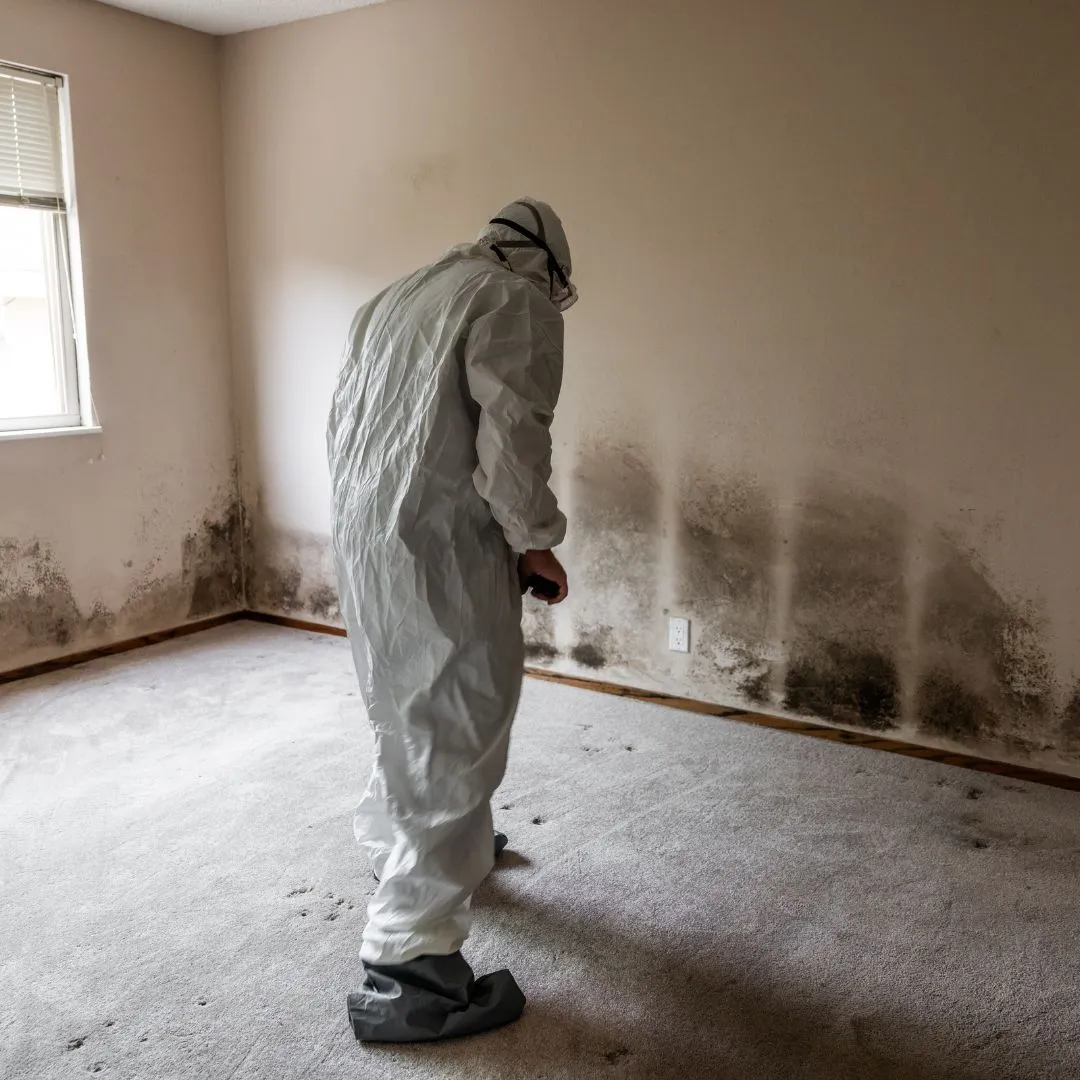
A musty smell after a leak is not a minor nuisance. It is often the first sign that moisture has moved behind drywall, under flooring, or into insulation, where mold can spread long before it becomes visible. That is why mold inspection and mold remediation need to happen quickly and in the right order – not as a surface cleanup, but as a controlled process that finds the source, contains the damage, and restores safe indoor conditions.
For homeowners, condo owners, property managers, and commercial operators, the real risk is not just the mould you can see. It is the hidden growth tied to ongoing moisture, roof leaks, plumbing failures, basement seepage, condensation, or poor ventilation. Left alone, that contamination can affect air quality, damage building materials, and turn a manageable issue into a larger repair project.
Why mold spreads faster than most people expect
Mould needs three things to grow – moisture, an organic surface, and time. In many Toronto-area properties, those conditions appear after flooding, sewer backup, burst pipes, slab leaks, window leaks, or humidity problems in basements, bathrooms, and attics. Drywall paper, wood framing, insulation, ceiling tiles, and dust all provide enough food for colonies to develop.
The timeline is what catches many property owners off guard. Once materials stay damp for more than a day or two, mold growth can begin. If the moisture source continues, the contamination does not stay confined to one corner of a room. Spores can travel through airflow, settle in adjacent spaces, and spread behind finishes where the problem remains hidden.
That is also why bleach or store-bought sprays rarely solve anything. They may lighten staining on a hard surface, but they do not address trapped moisture or contamination inside porous materials. If the source remains active, the mold returns.
What proper mold inspection and mold remediation actually involve
There is a major difference between wiping away visible spots and carrying out a professional restoration process. Effective mold inspection and mold remediation start with identifying where moisture entered, how far it travelled, and which materials can be saved.
Inspection is about more than testing the air
A good inspection begins with evidence, not guesswork. That includes a visual assessment, moisture readings, humidity checks, thermal imaging where appropriate, and a review of the property history. If there was a recent flood, chronic condensation, a plumbing leak, or tenant complaints about odours, that context matters.
Air or surface testing can be useful in some situations, especially when contamination is hidden, liability is a concern, or occupants need documentation. But testing alone does not fix the problem. The priority is locating the moisture source and defining the affected area.
In practical terms, an inspection may reveal issues such as wet insulation inside a wall cavity, mold growth under laminate flooring, attic contamination caused by poor ventilation, or basement colonies tied to foundation seepage. These are all different problems, and they do not call for the same scope of work.
Remediation means controlled removal, not cosmetic cleaning
Once the affected area is identified, remediation focuses on safe containment and removal. Depending on the extent of contamination, that can include isolating the work area, setting negative air pressure, using HEPA filtration, removing unsalvageable materials, cleaning structural surfaces, and drying the area thoroughly before repairs begin.
This step matters because disturbing mold without containment can make conditions worse. Cutting open drywall or pulling out wet material without proper controls can spread spores into clean parts of the property. In occupied homes, multi-unit buildings, offices, and retail spaces, that risk is even more serious.
The goal is not simply to remove what looks bad. It is to return the area to a dry, clean, and stable condition so reconstruction can proceed without trapping contamination behind new finishes.
When to call for a mold inspection
Some situations are obvious. Others are not. If you can see mold growth on walls, ceilings, or around windows, the issue already needs professional attention. But hidden contamination is common after water damage, and the warning signs can be more subtle.
Persistent odours, recurring allergy-like symptoms indoors, staining that keeps returning, bubbling paint, warped baseboards, and damp areas that never seem to dry are all reasons to investigate further. The same applies after basement flooding, roof leaks, appliance overflows, or pipe breaks, even if the area appears dry now.
Property managers and commercial operators often face another layer of risk. If a tenant, employee, or customer has raised concerns about indoor air quality, delay can create larger operational and liability issues. Early inspection helps define the problem before it disrupts multiple units or business operations.
Why moisture control is the real key
Mold is the symptom. Moisture is the cause. If the water source is not corrected, remediation will not hold.
That is why any serious response should include drying and moisture mapping, not just removal. In some properties, the problem is tied to a one-time event such as a burst pipe. In others, it comes from long-term humidity, poor bathroom exhaust, attic frost buildup, building envelope leaks, or groundwater intrusion.
Each scenario changes the remediation plan. A condo bathroom with surface mold from chronic condensation needs a different solution than a flooded basement with saturated drywall and insulation. One may require targeted cleaning, dehumidification, and ventilation correction. The other may require demolition, structural drying, sanitization, and repairs.
The trade-off is straightforward. A smaller intervention completed early usually costs less and finishes faster. Waiting often expands the affected area and increases the amount of material that must be removed and rebuilt.
The risks of delaying remediation
Many owners hesitate because they hope the issue is isolated or cosmetic. That is understandable, especially when the visible area looks small. But the size of the stain rarely tells the full story.
Mold can compromise drywall, wood trim, insulation, and subfloor materials over time. It can also produce odours that linger throughout the property and create uncomfortable indoor conditions. For businesses and rental properties, that can quickly become a tenant retention, occupancy, or reputational issue.
There is also the practical problem of escalation. A minor leak behind a wall may seem manageable until flooring, adjacent rooms, or shared building components become involved. At that point, the job shifts from targeted remediation to a broader restoration project.
In emergency response work, speed protects more than the affected room. It protects the scope of the loss.
What to expect during the remediation process
A professional team should be able to explain the process clearly from the start. First comes the inspection and moisture assessment. Then the affected area is contained, contaminated materials are removed as needed, surfaces are cleaned, and the space is dried with commercial equipment. If required, air scrubbing and HEPA filtration help control airborne particles during the work.
After the area is remediated and dry, repairs can begin. That may include replacing drywall, insulation, trim, flooring, or repainting affected areas. For many property owners, this end-to-end approach matters because it reduces delays and avoids the handoff between multiple contractors.
That is especially valuable after emergencies, when the same event that caused mold may also require water extraction, sanitization, or reconstruction. CPR24 Restoration handles these conditions as part of a full restoration scope, which helps keep the response organized and accountable from inspection to repair.
Choosing the right response for your property
Not every mold issue requires the same level of intervention, but every case does require proper assessment. A small area on a bathroom ceiling may point to a ventilation problem. Repeated mold in a basement corner may indicate hidden seepage behind finished walls. Widespread growth after flooding is a different category entirely.
The right response depends on the source of moisture, the type of materials affected, how long the condition has been active, and whether the property is occupied. In homes, the focus is often health, habitability, and protecting finishes. In commercial buildings, speed, containment, and business continuity may carry equal weight.
What should stay constant is the standard of work. Inspection should define the problem. Remediation should remove contaminated material safely. Drying should verify moisture is under control. Repairs should only begin when the area is ready.
If you suspect mold, acting early gives you more options. It can mean the difference between a contained remediation and a larger reconstruction job, between a short disruption and a drawn-out recovery. When moisture is involved, waiting rarely improves the outcome. A fast, controlled response usually does.