

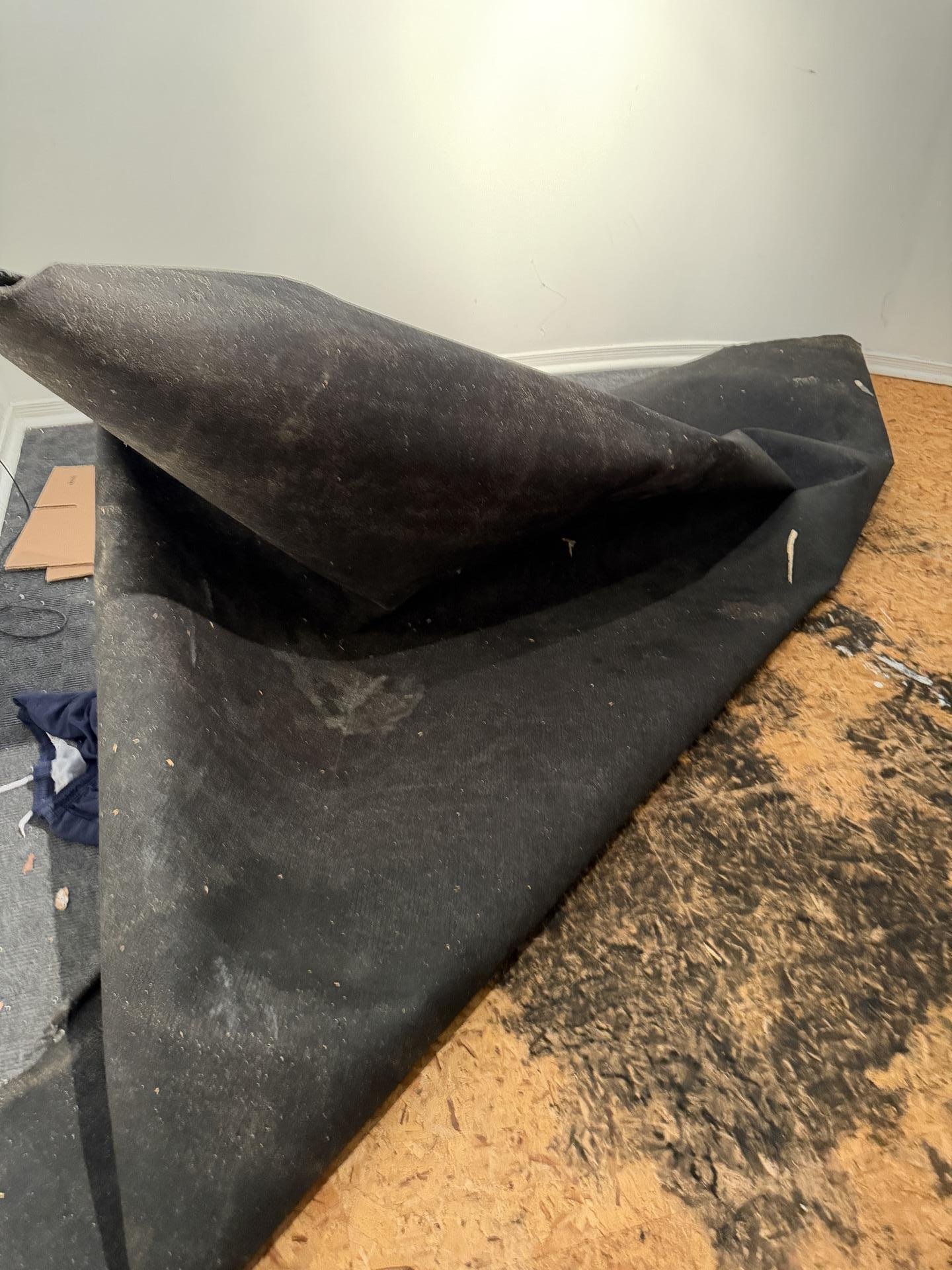
A musty odour is often the first warning sign that moisture is sitting where it should not be. If you are asking why basement smells musty, the answer is rarely just “old basement air.” The smell usually comes from damp building materials, hidden mould growth, poor ventilation, or water entering the space through a leak, foundation crack, drain, or plumbing failure.
In a Toronto or GTA property, basement odours can become more noticeable after heavy rain, spring thaw, a sewer backup, or a small plumbing leak that never fully dries. The longer moisture remains behind walls, under flooring, or inside insulation, the more difficult and costly the repair can become.
Why a Basement Smells Musty
That familiar earthy, stale smell is created by microbial volatile organic compounds, often called MVOCs. Mould and mildew release these compounds as they grow on damp organic materials such as drywall paper, wood framing, carpet backing, cardboard, insulation, and dust.
A musty smell does not automatically confirm a large mould problem. Basements naturally run cooler than upper floors, and cool surfaces can collect condensation when warm, humid air enters the space. Still, an ongoing odour should not be dismissed. It tells you the basement has a moisture condition that needs to be located and corrected.
The source may be visible, such as staining on a wall or a damp carpet edge. More often, it is concealed behind finished drywall, beneath laminate flooring, inside a utility room, or around a floor drain. Sprays, air fresheners, and dehumidifiers may reduce the smell temporarily, but they do not remove contaminated materials or stop water from entering.
Common Causes of Musty Basement Odours
Water intrusion through the foundation
Foundation cracks, deteriorated parging, failed window wells, and gaps around utility penetrations can allow groundwater into a basement. Water may appear only during major rain events, then disappear into wall cavities or beneath finished flooring. Even a minor seepage issue can keep framing and drywall damp enough to support mould growth.
Poor exterior grading can make the problem worse. If soil slopes toward the home, downspouts discharge beside the foundation, or eavestroughs overflow, rainwater is directed toward the basement rather than away from it. Waterproofing and drainage improvements may be required, depending on where the water is entering.
Plumbing leaks and appliance failures
A leaking pipe, failed water heater, washing machine hose, condensation line, or drain connection can cause persistent moisture without creating an obvious flood. Slow leaks are particularly damaging because they can wet insulation, subflooring, and drywall for weeks before anyone notices.
Check beneath sinks, around mechanical equipment, behind washing machines, and at exposed plumbing connections. A warm area of flooring, a stained ceiling tile, peeling paint, or warped baseboards can point to a hidden leak above or behind the finished surface.
Humidity and condensation
Some basement smells are driven by humidity rather than a direct leak. During summer, opening basement windows can bring humid outdoor air inside. When that air touches cool concrete walls, pipes, or floors, condensation forms. The result can be dampness on surfaces and a lingering odour, especially in storage rooms and unfinished areas.
A properly sized dehumidifier can help control seasonal humidity. However, it is not a substitute for repairing a water source. If a dehumidifier runs constantly, fills unusually fast, or cannot keep relative humidity below about 50 percent, the basement should be assessed for active moisture intrusion.
Sewer backup or drain problems
A floor drain that has dried out can release sewer gas, which people sometimes describe as musty, rotten, or stale. Pouring water into an infrequently used floor drain may restore the trap seal, but a strong or recurring sewage odour requires closer attention.
If the basement has experienced a sewer backup, do not treat it as a simple water cleanup. Sewage-contaminated water can affect flooring, drywall, insulation, contents, and HVAC components. Professional extraction, cleaning, disinfection, controlled drying, and removal of unsalvageable porous materials are necessary to return the space to a safe condition.
Hidden mould behind finished surfaces
Finished basements can hide moisture damage for a long time. Mould may grow behind a wall where insulation touches damp concrete, under carpet over a slab, or around wood studs near a foundation wall. The first visible clue may be a small stain, bubbling paint, or a persistent smell that returns after cleaning.
Do not open a large wall area without a plan. Disturbing contaminated materials can spread spores and dust through the property. A qualified assessment can identify the moisture source, determine how far the damage extends, and establish the right containment and removal approach.
When a Musty Smell Needs Immediate Action
Act promptly if the odour appears suddenly after flooding, a burst pipe, heavy rain, or a sewage incident. Moisture can begin affecting building materials quickly, and mould growth may develop within 24 to 48 hours under the right conditions.
You should also arrange an inspection when the smell is persistent, gets stronger after rain, is concentrated in one room, or is accompanied by visible mould, staining, damp drywall, warped flooring, or peeling finishes. For property managers and commercial operators, recurring odours should be addressed before they become tenant complaints, damage claims, or a disruption to operations.
If occupants are experiencing irritation or have respiratory sensitivities, limit time in the affected area until the source is identified. The goal is not to diagnose health effects from an odour alone. The goal is to remove the dampness and contamination conditions that should not be present indoors.
What You Can Check Before Calling for Help
Start by looking for the simplest source without moving or tearing out damaged materials. Inspect visible pipes, the water heater, laundry connections, window wells, exterior downspouts, and the perimeter of the basement floor. Note whether the odour is worse after rain, after the laundry runs, or when the HVAC system is operating.
Move cardboard boxes, fabric items, and stored belongings away from exterior walls. These materials absorb moisture easily and can hold odours even after the original water issue has stopped. Avoid placing furniture tightly against foundation walls, where air cannot circulate.
For a minor humidity issue with no visible damage, run a dehumidifier, keep the basement clean, and monitor conditions for several days. If the smell remains, returns, or you find damp materials, do not rely on bleach or odour treatments. Bleach is not a complete mould remediation method for porous building materials, and it does not correct the underlying moisture problem.
How Professional Restoration Solves the Problem
Effective restoration starts with finding the source, not masking the smell. A proper inspection may include moisture readings, thermal imaging, humidity checks, and assessment of walls, floors, insulation, contents, and drainage conditions. Where mould is suspected, targeted testing or sampling may be appropriate, but visible damage and moisture findings often guide the immediate remediation plan.
The next steps depend on what caused the issue. A clean-water plumbing leak may require extraction, removal of wet materials, structural drying, and repairs. Foundation seepage may call for drying and mould remediation inside, followed by drainage or waterproofing work to prevent recurrence. A sewer backup requires contamination control and more extensive cleaning and disposal procedures.
During mould remediation, trained technicians isolate the affected area, remove contaminated porous materials where required, clean salvageable structural surfaces, and use professional drying and air-control equipment. The area should not be closed back up until moisture levels are appropriate and the original water entry point has been addressed.
CPR24 Restoration provides 24/7 emergency response for water damage, flooded basements, sewer backups, and mould remediation across Toronto and the GTA. For an active leak, flood, or sewage event, rapid extraction and drying can prevent a musty smell from becoming a larger restoration project.
Preventing the Smell From Returning
Once the basement is dry and repaired, prevention comes down to moisture control. Keep downspouts directed away from the foundation, maintain eavestroughs, monitor window wells, and ensure the ground slopes away from the building. In finished basements, use moisture-resistant materials where appropriate and avoid trapping dampness behind walls or under flooring.
Keep indoor humidity under control, particularly through humid summer weather. Store belongings in plastic bins rather than cardboard, maintain plumbing fixtures, and check rarely used floor drains periodically. A basement that smells neutral, feels dry, and remains dry after rain is the standard to aim for.
A musty basement is not something to cover up and revisit later. Find the moisture, stop it at the source, and dry or remove affected materials before a small odour turns into hidden damage.