
If a contractor says they offer mold removal, that can sound like the whole problem disappears in one visit. In practice, the difference between mold removal and mold remediation is the difference between wiping away visible growth and solving the contamination properly. For homeowners, condo owners, and property managers, that distinction matters because mold rarely starts and ends on the surface.
A bathroom ceiling stain, a musty basement, or a tenant complaint about air quality often points to a deeper moisture issue. If the source is not identified and controlled, mold can return fast, sometimes behind drywall, under flooring, inside insulation, or in attic spaces where it spreads unnoticed. That is why the right service is not just about cleaning what you can see. It is about controlling contamination, correcting conditions, and restoring the affected area safely.
What is the difference between mold removal and mold remediation?
The short answer is this: mold removal usually refers to taking mold off affected materials or surfaces, while mold remediation is the full process of assessing the contamination, containing it, removing damaged materials when needed, cleaning and treating the area, drying it properly, and fixing the moisture source so the problem does not keep coming back.
That means mold removal can be one part of remediation, but it is not the same thing as remediation.
This is where property owners get caught off guard. A quick spray-and-wipe job may improve the look of a wall or ceiling, but it does not necessarily address airborne spores, hidden growth, moisture trapped in building materials, or cross-contamination to other rooms. In a small and very localized case, surface cleaning may be enough. In a larger or concealed mold event, it is not.
Why the wording matters during a real property issue
Mold is not like dust that settles in one obvious place. It is a biological contaminant tied to moisture. Once conditions are right, it can colonize porous materials and release spores into the air. That is why terminology matters when you are choosing a contractor or deciding how serious the problem is.
If you are dealing with mold after a leak, sewage backup, roof issue, condensation problem, or basement flooding, the visible patch is often only the symptom. The real issue may be wet drywall, damp framing, poor ventilation, failed waterproofing, or an unresolved plumbing source.
In that context, asking for mold removal alone may lead to an incomplete job. Asking for remediation pushes the conversation toward scope, containment, moisture control, and verification that the area is actually safe to rebuild or reoccupy.
What mold removal usually includes
In common use, mold removal often means physically cleaning mold from a surface or removing a mold-affected item. That might include scrubbing non-porous materials, HEPA vacuuming residue, applying an antimicrobial treatment, or cutting out a visibly contaminated section of drywall.
There is nothing wrong with removal as a task. The issue is when it is presented as the entire solution.
For example, if mold is growing on a bathroom tile surface because of routine humidity and the substrate behind it is dry and intact, surface removal may be enough along with improved ventilation. But if the same visible mold is on painted drywall beneath a chronic roof leak, removal without opening the assembly, drying the area, and repairing the leak is incomplete. The mold may be reduced for a short period, but the building conditions still support regrowth.
What proper mold remediation includes
A true remediation process is broader and more controlled. It starts with inspection and moisture assessment. Technicians identify how far the contamination extends, what materials are affected, and what water source or humidity condition caused it.
Next comes containment. This step is critical when mold has spread beyond a tiny isolated area. Containment helps prevent spores from moving into clean parts of the property during demolition and cleanup. Depending on the severity, that can include sealed work zones, negative air pressure, and HEPA-filtered air scrubbers.
Then comes removal of unsalvageable materials. Porous materials such as drywall, insulation, ceiling tile, and some wood-based products may need to be cut out and disposed of if mold growth is established. Non-porous or semi-porous materials may be cleaned, treated, and retained, but that depends on the material condition and extent of damage.
After that, the area is cleaned in detail. This may involve HEPA vacuuming, damp wiping, antimicrobial application where appropriate, and fine-particle cleanup of surrounding surfaces. Drying is also part of the job. If moisture remains in framing, subfloors, or cavities, the risk is not over.
The final piece is correction of the cause. That can mean fixing a pipe leak, improving drainage, addressing attic ventilation, repairing a foundation seepage issue, or replacing failed caulking and exhaust systems. Without that step, the remediation is only partial.
The biggest misconception about mold removal vs remediation
The biggest misconception is that visible mold equals the full extent of the problem. It often does not.
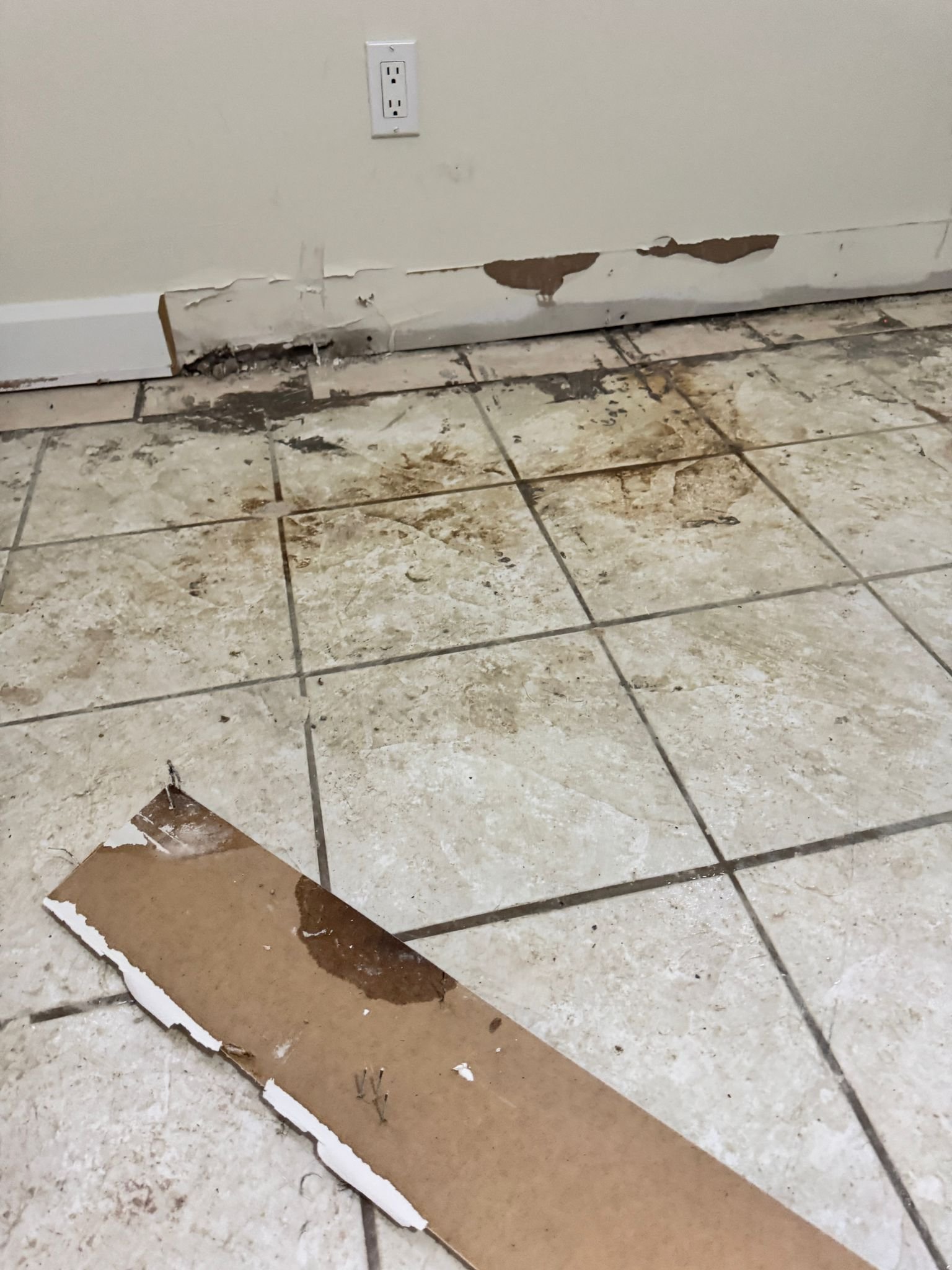
Mold can spread behind baseboards, inside wall cavities, beneath laminate flooring, above ceiling lines, and throughout insulation. In commercial spaces, it can also affect HVAC-related areas and create wider indoor air concerns. A stained patch may be the smallest part of the loss.
That is why professional remediation focuses on conditions, not just appearance. If a property smells musty but there is little visible growth, that still deserves attention. The odour alone can indicate active moisture and concealed contamination.
When mold removal may be enough
There are situations where limited removal is reasonable. If the affected area is very small, the surface is non-porous, the moisture source has already been fixed, and there is no indication of hidden spread, a straightforward cleanup may solve the issue.
Even then, caution matters. Small does not always mean simple. A minor patch on the outside of drywall can still point to larger growth on the back side of the board. The age of the water damage, the type of material, and the location all affect the right approach.
For a property owner, the safest mindset is this: if you do not know where the moisture came from or how far the mold has travelled, assume the problem needs proper assessment before cleanup begins.
When remediation is the right call
Remediation is typically the right call when mold affects porous materials, covers a larger area, follows flooding or chronic leaks, produces strong odours, or appears in hidden spaces like attics, basements, crawl spaces, and inside walls.
It is also the right approach for rental properties, commercial units, and multi-residential buildings where occupant health, liability, and cross-unit spread are concerns. In those cases, a cosmetic cleanup creates risk. Property managers and owners need documentation, controlled procedures, and confidence that the space is fit for use afterward.
In the Greater Toronto Area, this comes up often after basement water intrusion, winter condensation issues, roof leaks, and poorly ventilated bathroom or laundry areas. The climate and housing stock create plenty of conditions where hidden moisture lingers longer than owners expect.
What to ask before hiring a mold contractor
If a company only talks about spraying, wiping, or killing mold, ask what happens next. Ask how they will identify the moisture source, whether containment is needed, what materials may need removal, how they prevent cross-contamination, and what drying or repairs are part of the scope.
You should also ask whether the technicians follow recognized restoration standards and whether they can handle the full chain of work if walls, ceilings, insulation, or finishes need to be opened and rebuilt. That matters because delays between cleanup and repair can leave the property exposed or extend disruption for tenants and occupants.
An experienced restoration company should be able to explain the difference clearly, not blur the terms to make a limited service sound complete. At CPR24 Restoration, that distinction is part of responsible emergency response. Fast action matters, but so does getting the scope right the first time.
The real goal is not to remove a stain
The real goal is to return the property to a safe, dry, stable condition. Sometimes that includes simple removal. Often, it requires remediation with containment, demolition, drying, cleaning, and repair.
If you are deciding between the two, think beyond what is visible today. The better question is not, “Can this be cleaned?” It is, “What caused this, how far has it spread, and what will stop it from coming back?” That is the question that protects the building, the people inside it, and the cost of dealing with the same problem twice.