

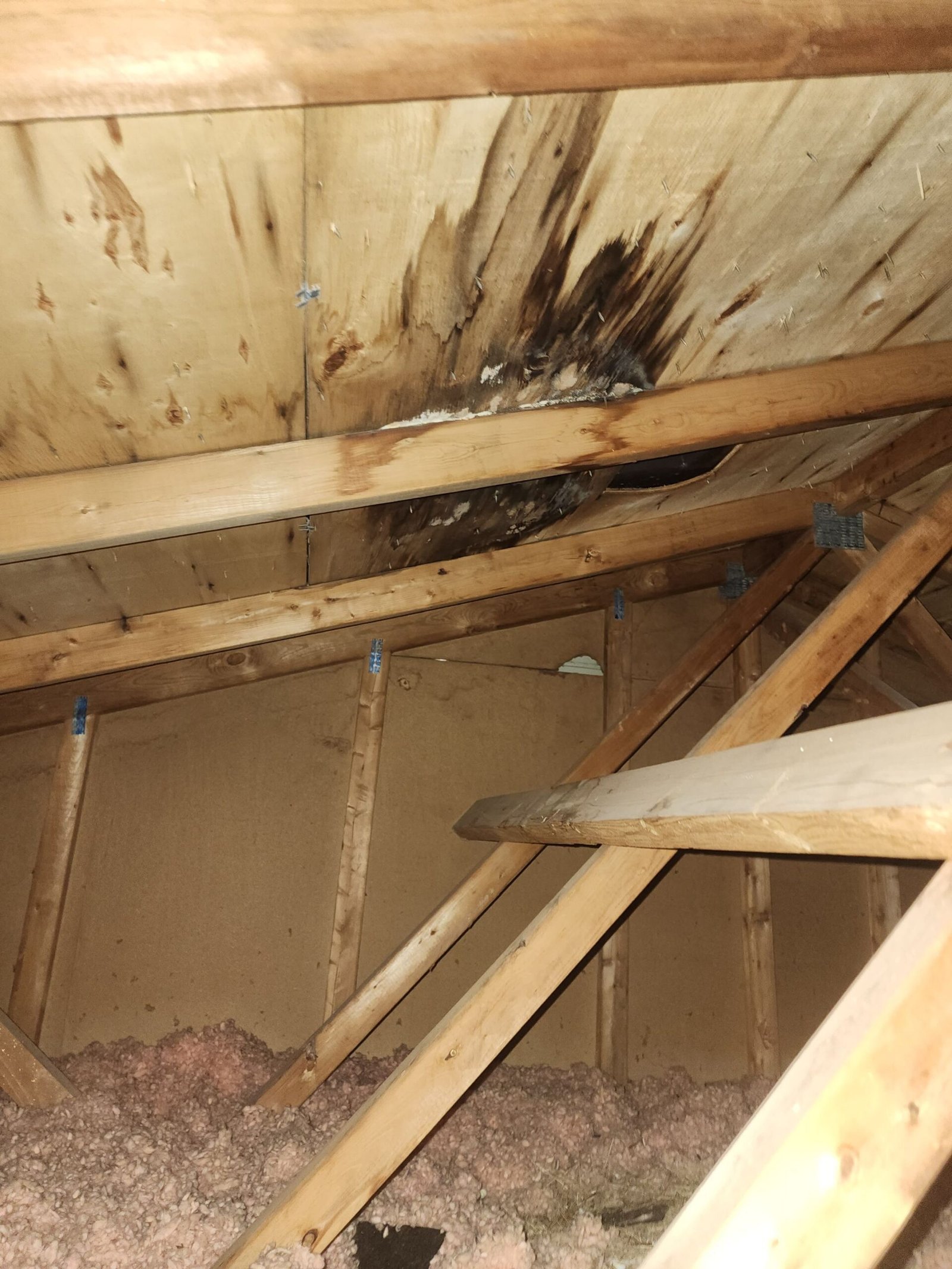
A basement can look dry again within a day of a flood, while moisture remains trapped behind finished walls, under flooring, or inside insulation. That is where a small water event can become a much larger remediation project. Knowing when to test for mold helps homeowners, condo owners, and property managers act before hidden growth affects building materials, indoor air quality, tenants, or business operations.
Mold testing is not necessary for every stain or every minor spill. It is most useful when there is a credible moisture source, evidence of hidden contamination, or a need to document conditions before or after remediation. The key is to assess the water event, the affected materials, and how quickly drying began.
When to test for mold after a leak, flood, or backup
Any water intrusion deserves prompt attention, but some events create a much higher risk of mold growth than others. Mold can begin to grow on wet, organic materials in as little as 24 to 48 hours under the right conditions. Drywall paper, wood framing, carpet backing, insulation, ceiling tiles, and stored contents can all support growth when they stay damp.
Arrange a professional assessment and consider testing if a pipe leaked inside a wall, a roof leak stained a ceiling, a foundation seepage issue repeatedly wet the basement, or a dishwasher, refrigerator line, washing machine, or toilet overflow was not fully dried right away. Floodwater and sewage backups require an even faster response because the issue is not limited to mold. Contaminated water may carry bacteria and other hazards that call for controlled cleanup, removal of affected porous materials, sanitization, and thorough drying.
Testing is especially valuable after a water loss that was discovered late. A supply-line leak behind cabinetry may run for days without obvious puddling. By the time the homeowner notices warped flooring, peeling paint, a musty smell, or a higher water bill, moisture may already have travelled beyond the visible damage.
Signs you should not ignore
Visible growth is an obvious warning sign, but it is not the only one. Mold often develops in concealed spaces first, particularly in basements, attics, laundry rooms, utility rooms, under sinks, and around windows. Pay attention to changes that persist after ordinary cleaning and ventilation.
A persistent musty or earthy odour is one reason to investigate. So are recurring condensation, bubbling paint, discoloured drywall, soft baseboards, warped laminate, rust around vents, and unexplained staining on ceilings or walls. In a commercial property, tenant complaints about odours or damp conditions should be documented and addressed quickly, particularly where multiple suites share plumbing lines or ventilation pathways.
Health symptoms alone cannot confirm mold. Coughing, congestion, eye irritation, and asthma flare-ups can have many causes. However, when symptoms appear or worsen in a particular room and the property also has a known moisture issue, testing and inspection can help identify whether the building environment needs corrective work.
When visible mold does and does not need testing
If mold is clearly visible on a small, isolated, non-porous surface and the moisture source is known, laboratory testing may not change the immediate next step: stop the moisture, clean or remove affected material as appropriate, and dry the area completely. Testing is not a substitute for fixing the cause.
The situation changes when growth covers a larger area, returns after cleaning, appears in several locations, or may be concealed behind walls, beneath flooring, or inside HVAC components. Testing can help define the extent of the issue and guide the remediation plan. It is also useful when a property owner needs objective documentation for an insurer, a condo corporation, a tenant file, a real estate transaction, or a post-remediation clearance decision.
Do not disturb suspect material unnecessarily. Scrubbing a large contaminated area, opening a damp wall, or running fans without containment can spread spores and dust into clean parts of the property. A trained restoration team can inspect the space safely, identify the moisture pathway, and determine whether sampling is warranted before demolition begins.
The timing matters more than most people expect
The best time to investigate is as soon as there is evidence of a moisture problem, not weeks after a room has been repainted. Early detection can limit how much drywall, insulation, flooring, and cabinetry must be removed. It can also reduce downtime for a rental unit, office, restaurant, retail space, or common area.
After an emergency water loss, the first priority is extraction and structural drying. Moisture readings, thermal imaging, and controlled drying equipment are often more immediately useful than air sampling during the first hours of a response. These tools show where water has travelled and whether materials are returning to an acceptable dry standard.
If drying was delayed, materials remained wet beyond 48 hours, or odours and staining continue after drying, mold testing becomes more relevant. The same applies when a property has a history of repeated leaks. A basement that floods every spring or a roof that leaks during heavy rain may look fine between events while supporting concealed growth in wall cavities or insulation.
What professional mold testing can tell you
A qualified inspection begins with the building, not a lab result. The inspector should ask about the history of water damage, inspect likely moisture pathways, measure moisture levels, and look for conditions that support growth. Sampling may then be used to answer a specific question.
Surface samples can help identify material on a visible stain or suspect area. Air samples compare indoor air conditions with an outdoor control sample or with unaffected areas of the building. Cavity or dust sampling may be considered where hidden contamination is suspected. No single test is perfect, and an elevated spore count does not identify every source. Results must be interpreted alongside the inspection findings, material conditions, and moisture data.
This is why low-cost mail-in kits and one-off air tests can be misleading. Mold spores exist naturally indoors and outdoors. A meaningful assessment needs context: where the sample was taken, whether windows were open, whether recent cleaning or construction disturbed dust, what species were detected, and whether moisture remains in the structure.
Test before remediation, after remediation, or both?
It depends on the purpose of the test. Pre-remediation testing is useful when the extent of contamination is uncertain or when documentation is needed before work begins. In many straightforward cases, the visual inspection and moisture assessment provide enough information to start controlled removal and drying without delay.
Post-remediation verification is often more valuable for larger projects. Once affected materials have been removed, the area has been cleaned, and the moisture source has been corrected, an inspection can confirm that containment was effective, surfaces are visibly clean, and the structure is dry. Where appropriate, clearance sampling can add independent documentation before rebuilding begins or occupants return.
For condo units and commercial properties, this step can be particularly useful. It gives owners, managers, tenants, and insurers a clearer record that the affected area was remediated before repairs such as drywall replacement, painting, flooring installation, or cabinet reconstruction proceed.
What to do while you wait for an assessment
Do not wait for test results before stopping active water. Shut off the water source if it is safe to do so, move unaffected belongings away from the area, and avoid using the room if sewage or significant contamination is present. Keep children, pets, tenants, and staff away from visibly contaminated materials.
Avoid painting over stains, spraying fragrances to mask odours, or installing new flooring over a damp subfloor. These steps can hide the evidence while allowing the underlying problem to continue. If water entered from a sewer backup, flood, or major plumbing failure, professional extraction, cleaning, and drying should begin immediately.
For Toronto and GTA properties, fast response matters during basement floods, winter pipe breaks, and heavy-rain events. CPR24 Restoration uses trained technicians and specialized drying equipment to locate moisture, stabilize the loss, and carry the work through remediation and repair when needed.
A mold test should answer a practical question, not create more uncertainty. If your property has had a leak, flood, recurring dampness, or a musty odour that will not go away, treat it as a building issue with a time-sensitive solution. Find the moisture, document the condition, and correct it before hidden damage becomes visible damage.