
Mold Removal Rosedale | CPR24 Restoration
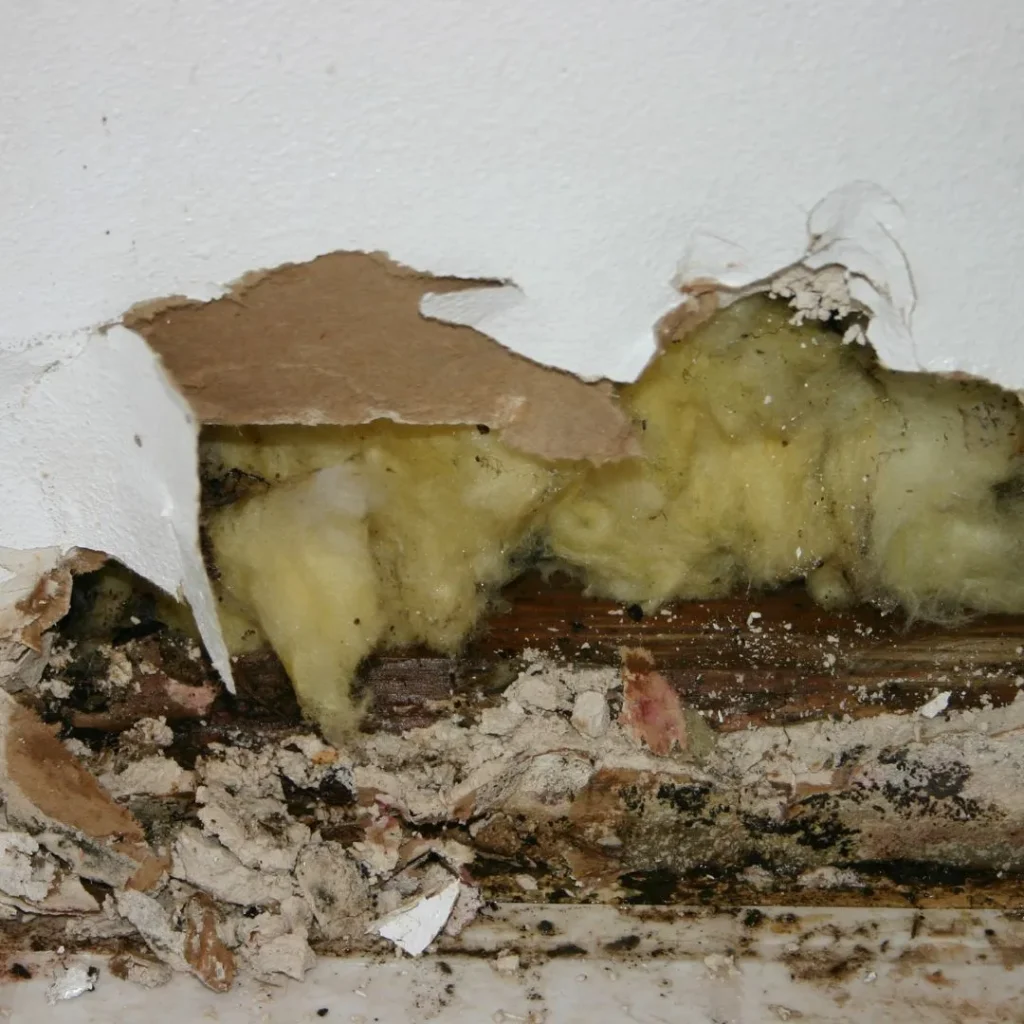
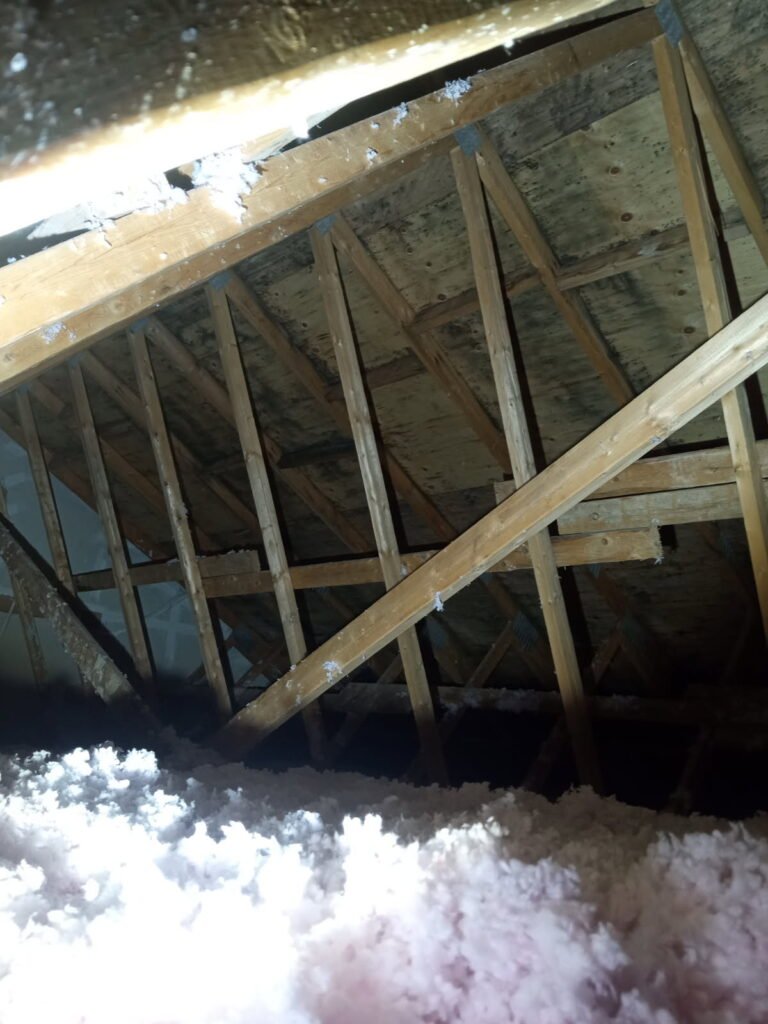
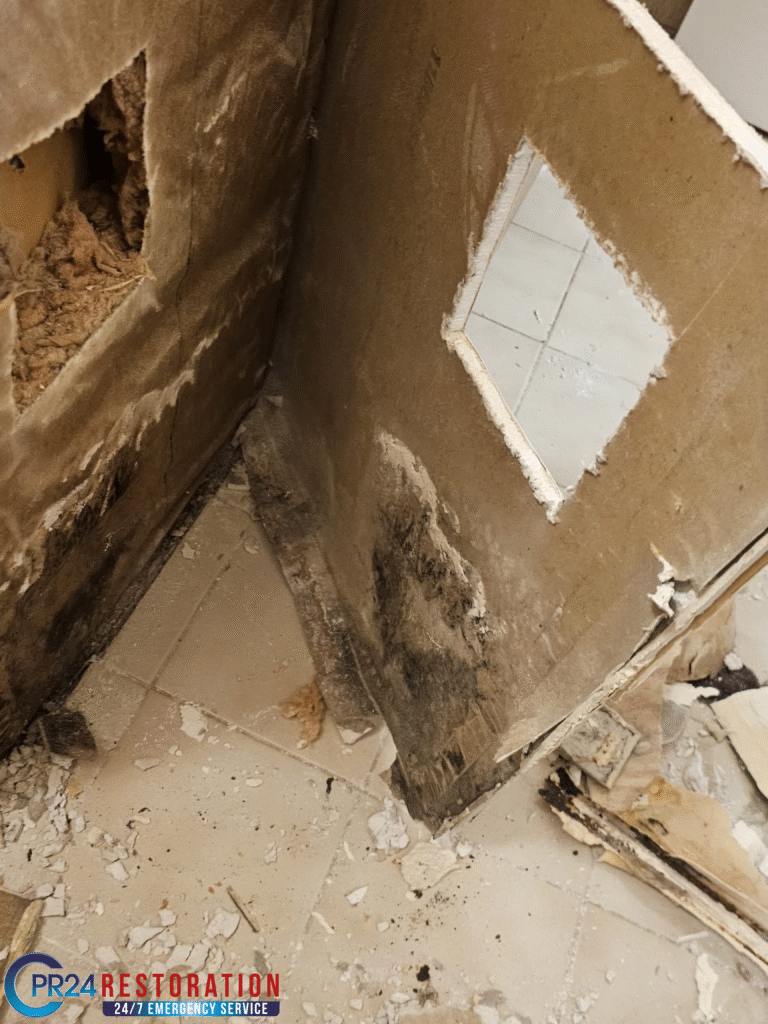
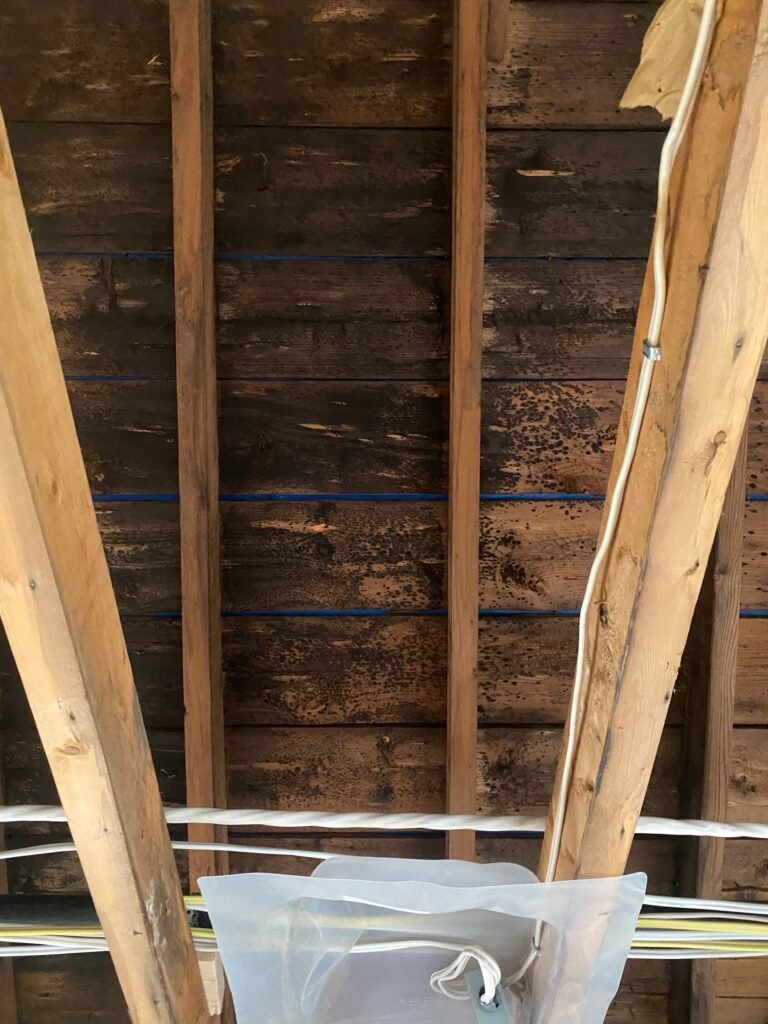
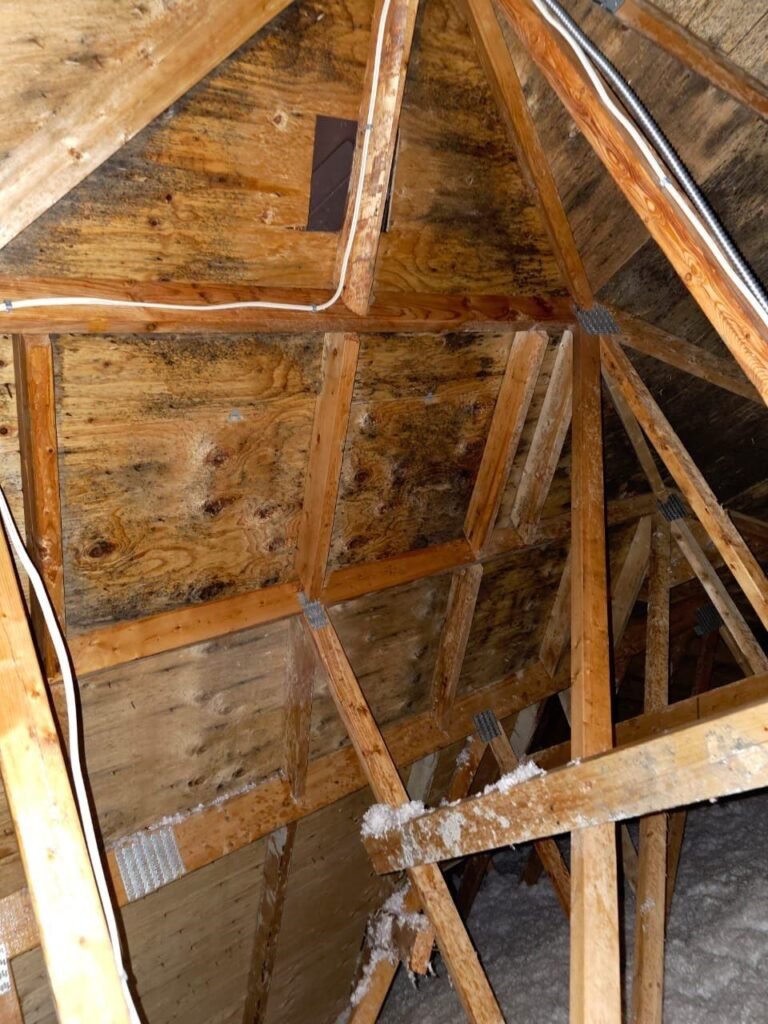
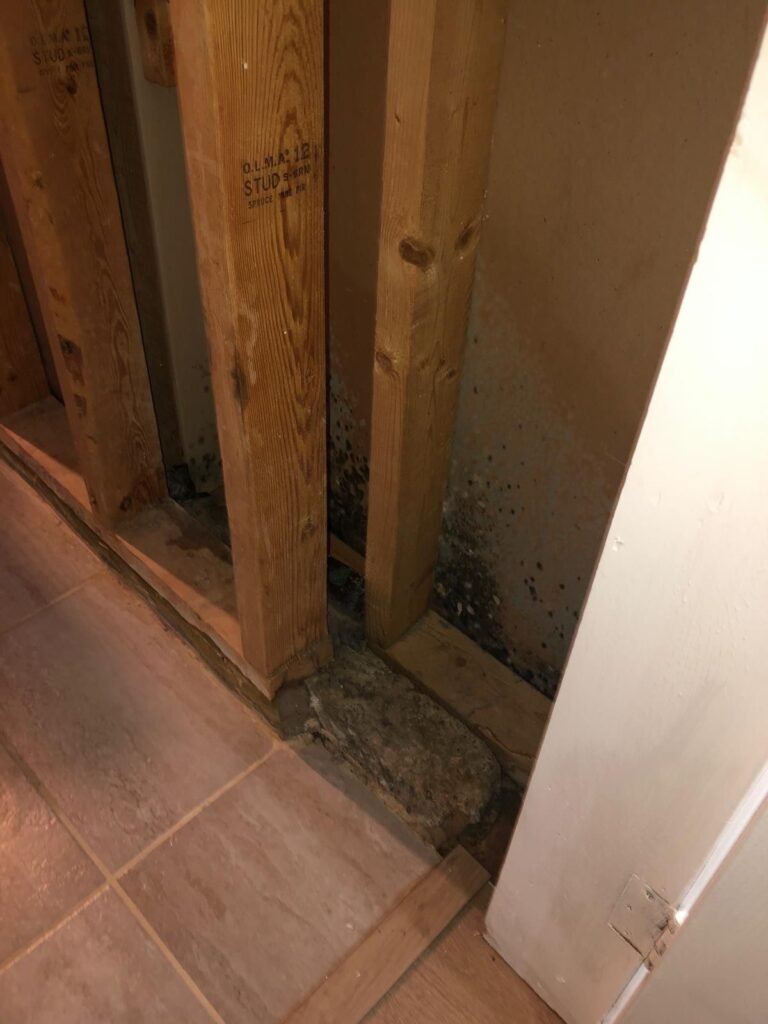
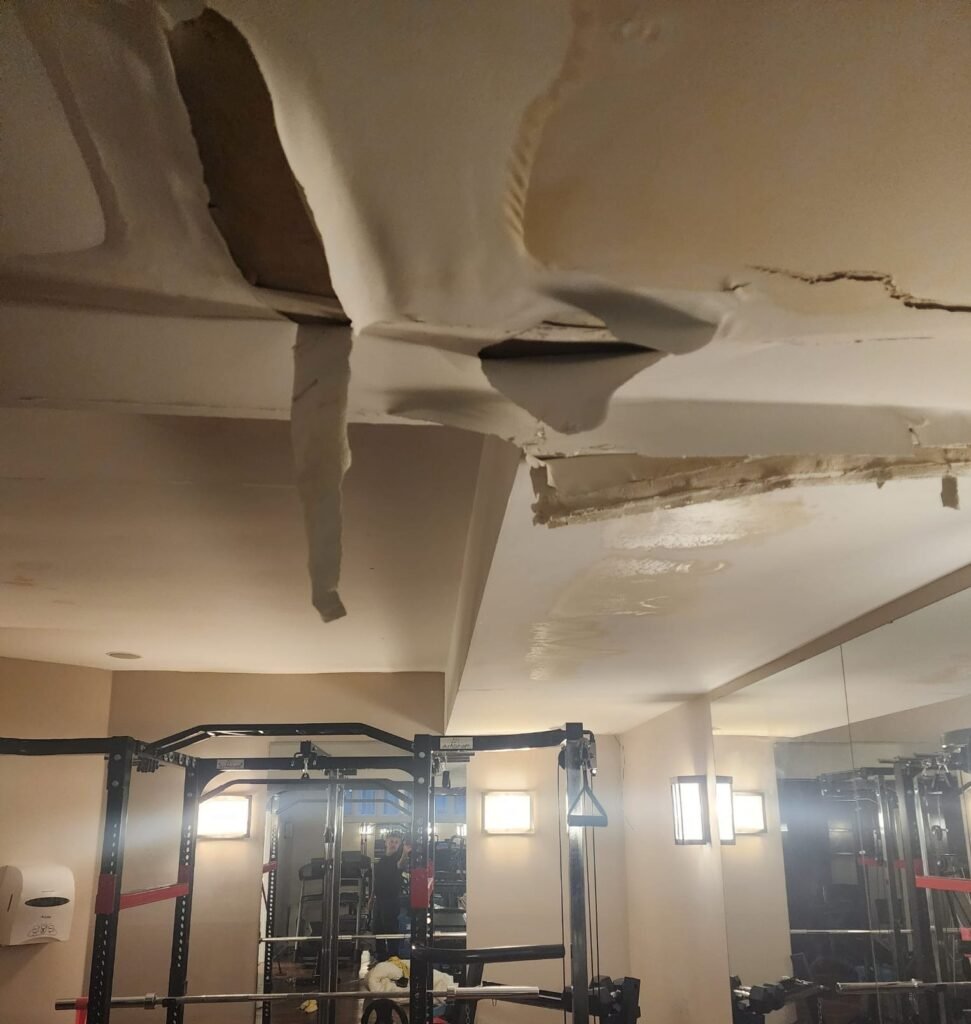
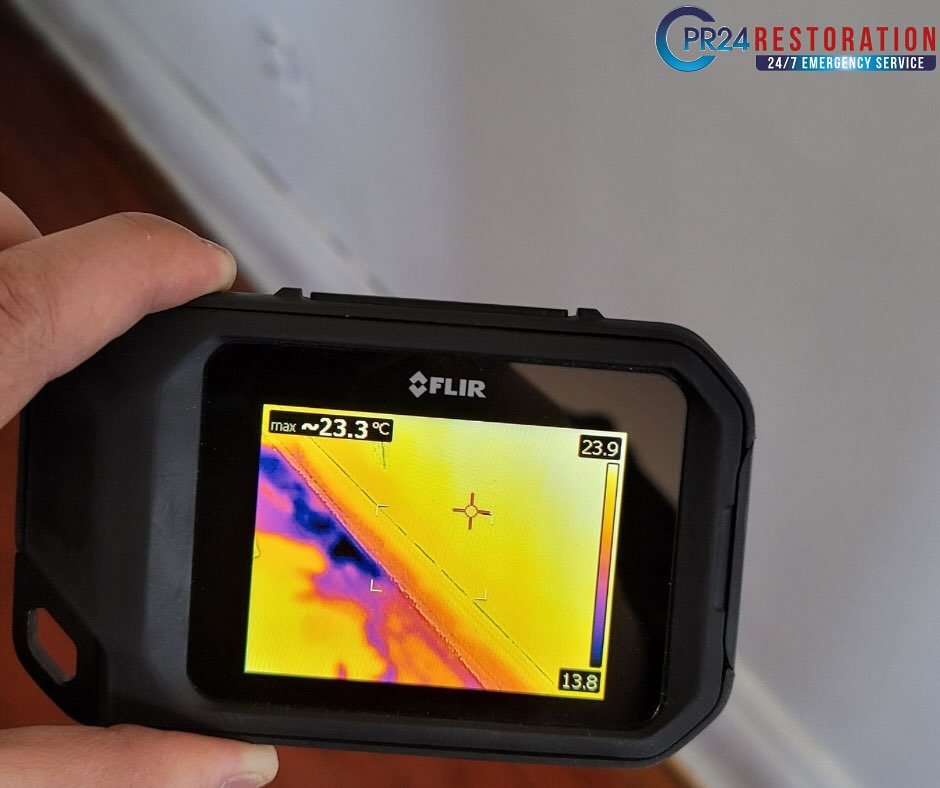
Mold contamination can spread quickly following water damage events. CPR24 Restoration offers Emergency Mold Removal Rosedale Toronto services designed to respond rapidly when moisture-related issues threaten your property. For homeowners in Toronto who need mold removed the same day, our specialists can assess the problem. They can start mitigation quickly. Our team also includes experienced Black Mold Removal Specialists Toronto who can safely address extensive contamination in residential and commercial properties. Last updated: October 8, 2026 Why Rosedale Homes Need Professional Mold Removal Planning Mold Remediation in an Older Rosedale Home In an older home, previous renovations and concealed wall or ceiling cavities can affect inspection access and the proposed remediation work. Original trim, plaster and other finishes should be discussed before any opening or removal is authorized. CPR24 Restoration explains which areas can be assessed, where further investigation may be needed and what materials the proposed scope includes. Where removal is necessary, subsequent repairs are estimated separately. This helps homeowners understand the work before it begins. Climate Factors Contributing to Mold Growth Toronto’s weather patterns create ideal conditions for mold development. High summer humidity levels, frequent rainfall, and freeze-thaw cycles during winter all contribute to moisture accumulation. Mold growth typically occurs when indoor humidity exceeds 60%. During Toronto summers, humidity frequently surpasses this threshold. Condensation forms when warm, humid air comes into contact with cooler surfaces, especially in basements and poorly ventilated areas. Spring snowmelt, summer humidity, and heavy rainfall can all contribute to moisture problems that require professional intervention. This is why Mold Removal Rosedale Toronto remains an essential service for local homeowners. Why Homeowners Choose CPR24 Restoration When searching for the best mold removal company in Rosedale, homeowners need a restoration company with the right expertise. They should understand mold remediation and heritage construction. CPR24 Restoration is a top-rated mold removal toronto service in Toronto. We offer full inspections, advanced remediation, and long-term prevention. Our team provides: As Trusted Mold Removal Experts Toronto homeowners rely on, we find and fix moisture sources, not just visible mold. This approach helps prevent recurring contamination and protects your investment. Common Areas Where Mold Develops in Rosedale Homes Many projects involving Rosedale Toronto Mold Removal reveal hidden mold growth in areas that homeowners rarely inspect. Basement Mold Removal Rosedale Toronto Basements often have mold growth because of foundation leaks, groundwater seepage, and high humidity. Mold often develops behind finished walls, beneath flooring, and inside storage areas. Professional Basement Mold Removal Rosedale Toronto services help identify hidden contamination and restore healthy indoor conditions. Attic Mold Removal Toronto Attics frequently experience mold growth because of poor ventilation, roof leaks, and condensation. Warm indoor air rising into attic spaces creates moisture that accumulates on wood framing and insulation. Our Attic Mold Removal Toronto services remove mold and fix ventilation issues that can cause it to return. Water Damage and Mold Removal Toronto Water damage remains one of the leading causes of mold contamination. Plumbing leaks, flooding, roof damage, and foundation seepage can create ideal conditions for mold growth in 24 to 48 hours. Professional Water Damage and Mold Removal Toronto services help property owners address both moisture issues and mold contamination before significant damage occurs. Signs You Need Mold Removal Services in Rosedale Early detection of mold problems protects both property value and occupant health. Visible Mold Growth Indicators Mold often appears as fuzzy, slimy, or discolored patches on walls, ceilings, wood, drywall, and other surfaces. Common colors include black, green, white, brown, and gray. Visible mold growth ranks among the clearest signs that you need professional remediation. Musty Odours and Hidden Mold A persistent musty odor often indicates mold growth before visible signs appear. Active mold colonies release microbial volatile organic compounds, which cause these odours. Hidden mold frequently develops behind walls, beneath flooring, inside crawlspaces, and within attic cavities. Professional inspections can identify concealed contamination before it spreads further. Signs You Need Mold Removal in Toronto Some of the most common warning signs include: Recognizing early signs that you need mold removal in Toronto can reduce structural damage and protect indoor air quality. Health Symptoms Linked to Mold Exposure Exposure to mold may contribute to: Individuals with allergies, asthma, or compromised immune systems may experience more severe symptoms. Water Damage and Moisture Problems Mold can begin growing within 24 to 48 hours when excess moisture is present. Water stains, warped materials, peeling paint, and recurring dampness often indicate conditions that support mold growth. Prompt action helps reduce the risk of extensive contamination. Our Mold Removal Process for Rosedale Properties Our Mold Remediation Rosedale Toronto team follows a proven process designed to ensure thorough removal and long-term protection. Initial Mold Inspection and Assessment We begin with a comprehensive visual inspection of the property. Our specialists identify visible mold growth, water damage, and moisture intrusion points. We utilize: Homeowners who need a mold inspection in Toronto can trust CPR24 Restoration. They offer detailed assessments and professional recommendations. Mold Testing and Analysis Our Mold Testing and Removal Toronto services help determine contamination levels and identify the specific conditions contributing to mold growth. Professionals may conduct air and surface sampling to evaluate indoor mold concentrations and support remediation planning. Containment and Safety Measures Containment protocols prevent mold spores from spreading to unaffected areas of the property. Our technicians install containment barriers, maintain negative air pressure, and utilize HEPA filtration systems to ensure safe remediation procedures. Professional Mold Remediation and Removal As a Certified Mold Removal Company Toronto, CPR24 Restoration follows industry-approved remediation standards. Our process includes: Whether you need residential mold removal in Rosedale or commercial mold removal in Toronto, our team can help. We provide solutions tailored to your property’s needs. Post-Removal Testing and Verification Completion Checks and Verification At completion, we review the work against the agreed remediation scope and document relevant findings. Where independent post-remediation verification or laboratory testing is proposed, we explain the arrangements and any separate fees. The verification approach depends on the project requirements. Contact Us Today! For mold