Water Damage Restoration Bridle Path
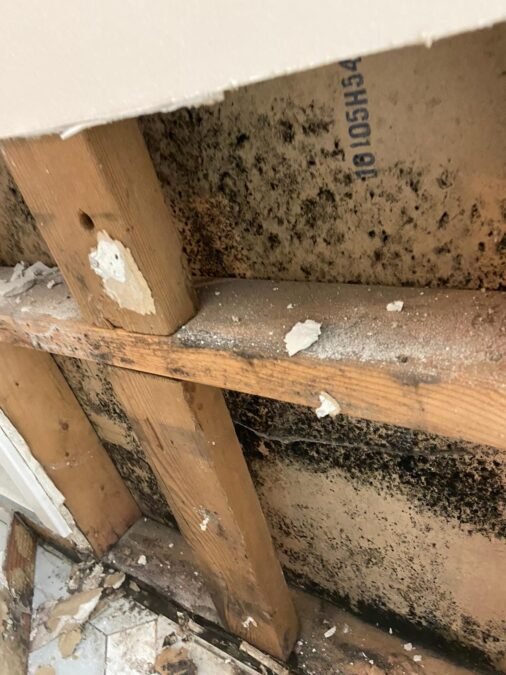
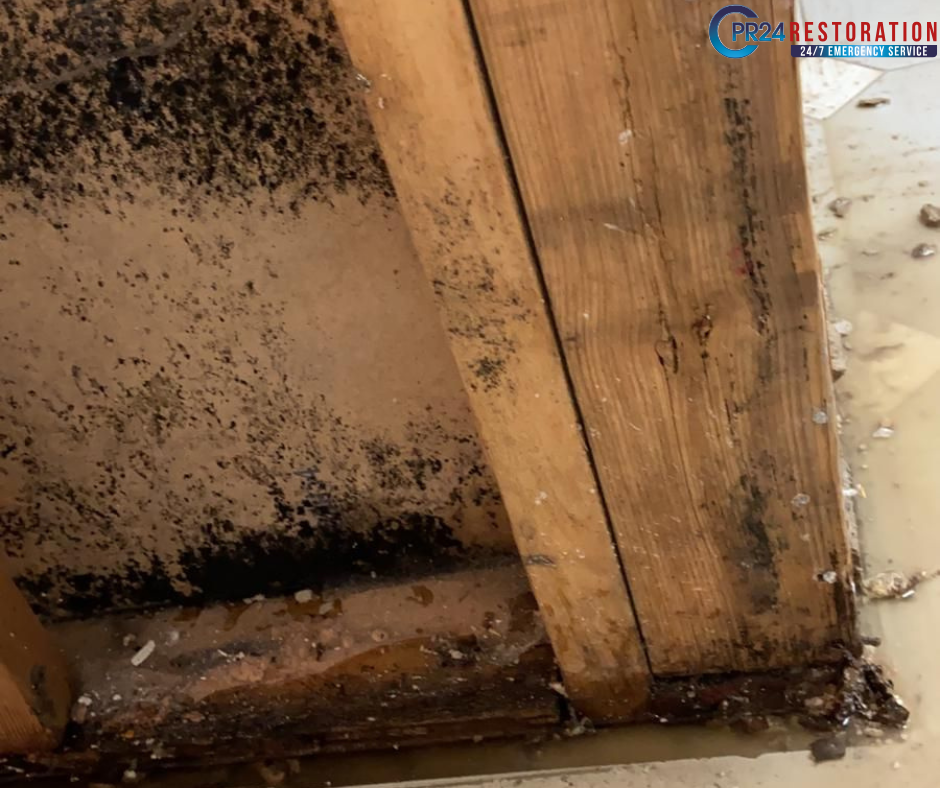
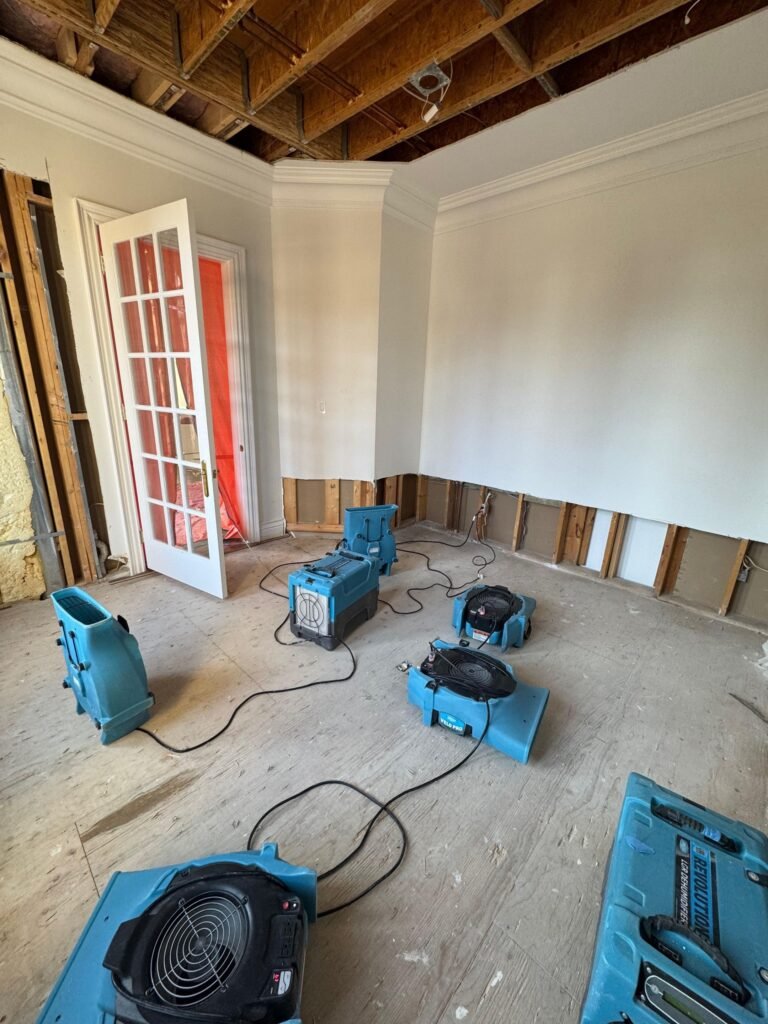
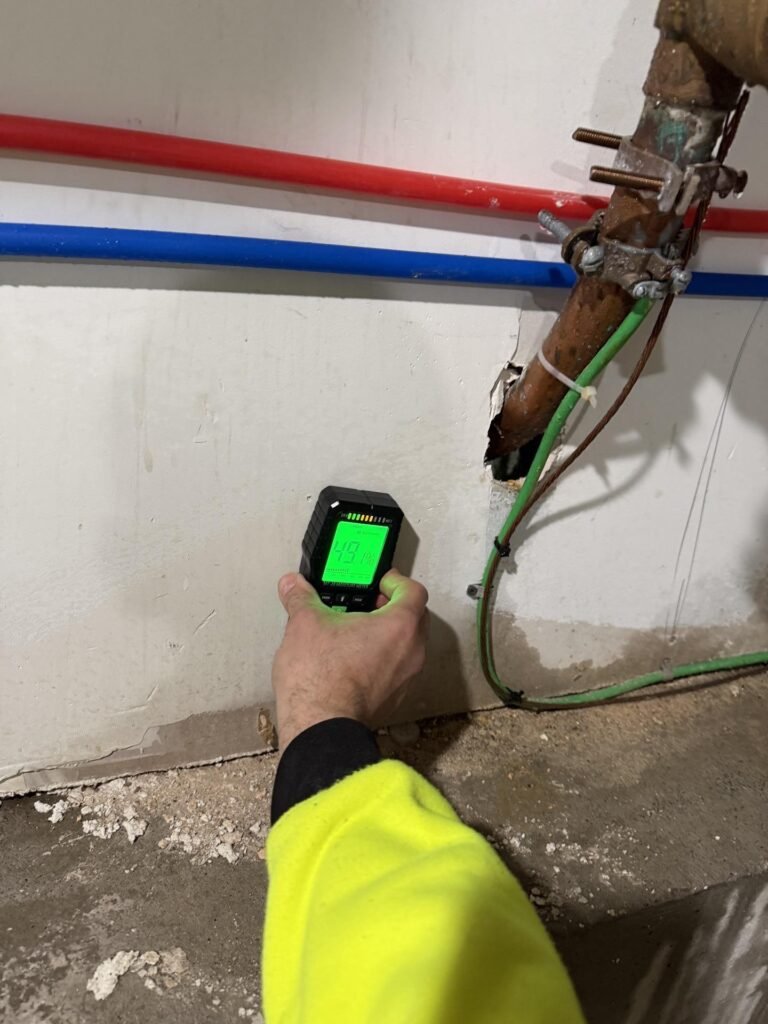
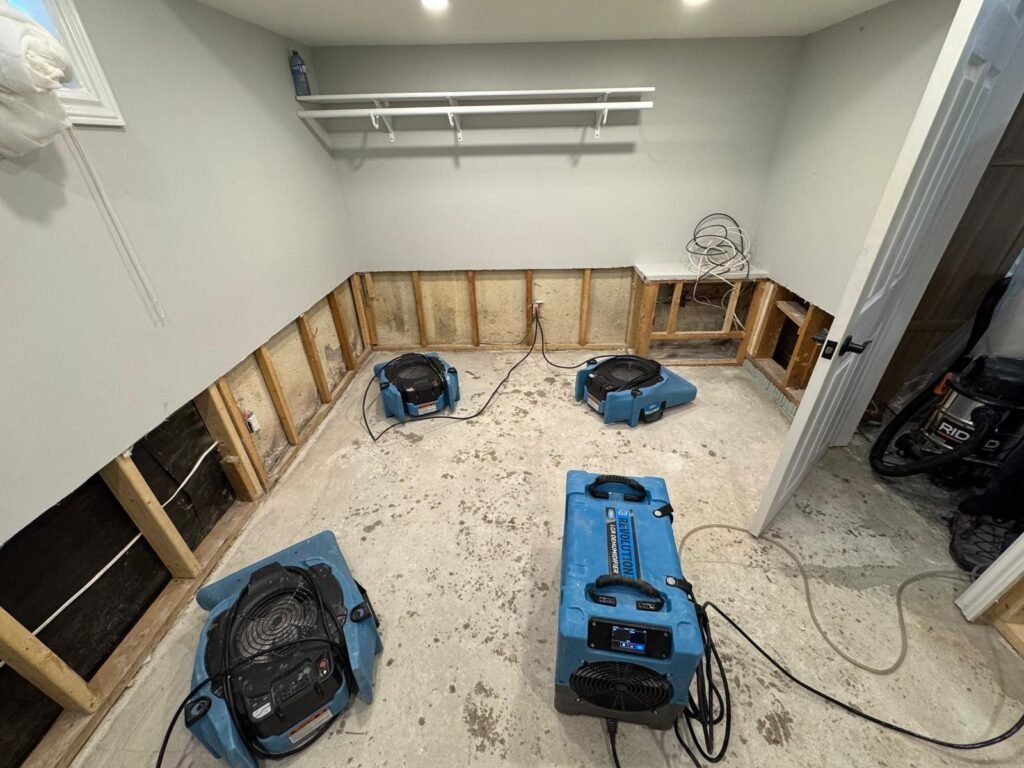
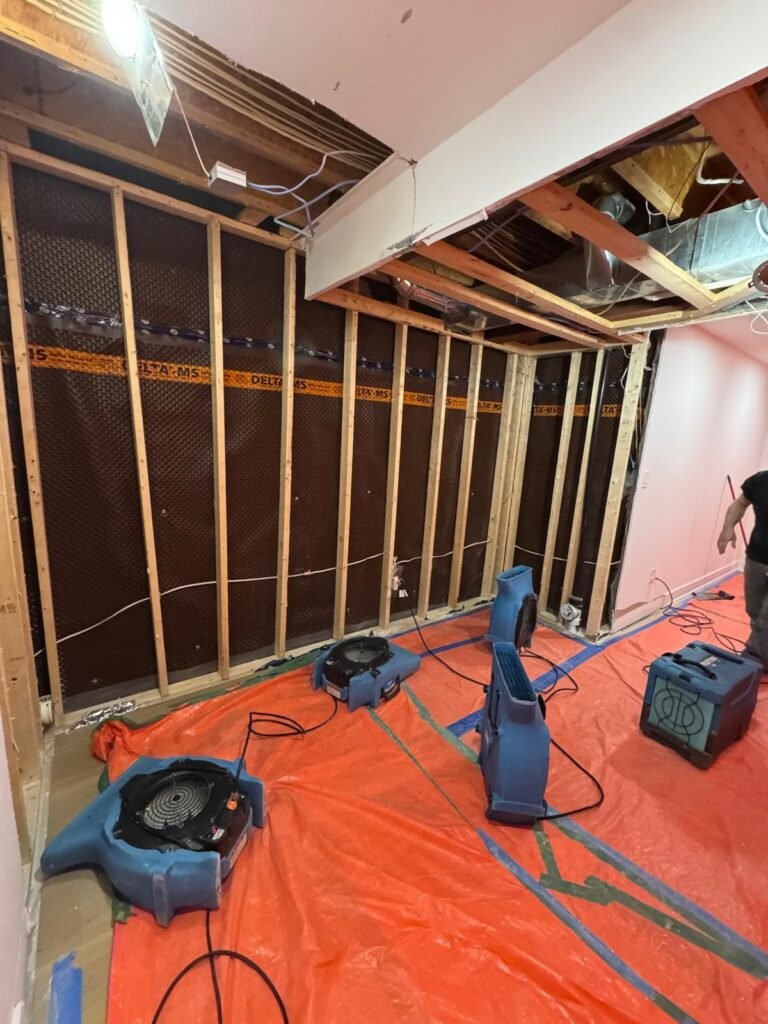
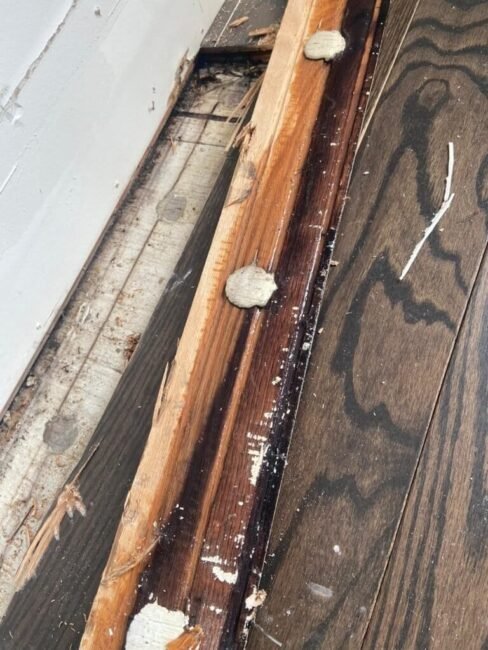
At the time water damage emergencies strike Bridle Path, every minute matters. Our team reaches you within 45 minutes to tackle your water emergency and prevent additional damage to your home. We lead the water damage restoration in Bridle Path with expert cleanup and removal services throughout Toronto and nearby areas. Your water emergency needs immediate attention, and we respond fast. Our professional restoration team stands ready to tackle water disasters of any size. Bridle Path properties receive specialized attention based on their unique requirements. We understand floods and leaks don’t follow regular business hours, so our emergency water damage services run 24/7. We have many years of experience dealing with water damage. In this blog, you will learn all about water damage restoration in Bridle Path. We will cover common causes and insurance company procedures. Understanding Water Damage in Bridle Path The Bridle Path neighbourhood stands out with its luxury homes and beautifully landscaped properties. These homes face unique water damage challenges that need special care and attention. Common causes of water damage in Bridle Path homes Plumbing failures pose the most important threat to Bridle Path properties. Homes built before the mid-1950s typically have lead water services that need special attention and might need replacement. Broken or leaking pipes cause major damage, and they often stay hidden inside walls or under floors. Small drips can create significant structural problems if left unchecked. Faulty appliances create serious risks, too. Your dishwasher, refrigerator, and washing machine can have mechanical problems or get clogged. This can damage nearby walls, floors, and cabinets. Water from overflowing sinks, bathtubs, and toilets can destroy flooring and walls quickly when not fixed right away. Clogged gutters create another headache for homeowners. Water overflows and slowly seeps into homes through roof leaks, damaged siding, or weak foundations. Bridle Path homeowners should keep up with regular maintenance to avoid these issues. How weather and infrastructure contribute to risk Toronto is North America’s fourth-largest city. It has faced serious flooding in recent years. This flooding puts both buildings and residents at risk. Old infrastructure in Bridle Path makes these weather-related risks worse. Many houses have outdated plumbing, cracked foundations, and poor waterproofing. Toronto’s freeze-thaw cycles put extra stress on buildings, which makes them more likely to let water in. Signs of hidden water damage to look for Early detection of water damage saves money on repairs. Here’s what to watch for: Mold growing in the ceiling and floor seams clearly shows moisture problems. These warning signs need quick attention to prevent major structural damage and health risks for people living in the home. Emergency Water Damage Restoration Process Quick reaction to water emergencies is vital to prevent extensive damage to your Bridle Path property. Getting professional help right after you find water damage can lower restoration costs. It can also prevent problems like mold from developing. Step 1: Initial assessment and safety check The restoration starts with a complete inspection to check how bad the water damage is and what type it is. We also evaluate if the structure is stable. Our certified technicians use advanced equipment like infrared technology, electronic moisture detection instruments, and thermo-hygrometers to spot affected areas. This scientific method helps us find hidden moisture spots that you might miss. Safety comes first – we disconnect the power supply to eliminate electrical risks. Our experts identify three types of water damage. 1. Clean water (Category 1) 2. Gray water (Category 2) 3. Black water (Category 3) Step 2: Water removal and drying Our team starts extracting standing water with industrial-grade pumps and vacuums after the assessment. This vital step keeps water from soaking deeper into materials and prevents structural weakness. We place powerful air movers and dehumidifiers strategically to dry affected areas. Different materials need different drying times. Carpets might dry in 24 hours, but hardwood flooring, plaster, and concrete need 7-10 days to dry completely. Our technicians check moisture levels daily to make sure everything dries properly. Step 3: Disinfection and mold prevention Thorough disinfection becomes vital after drying, especially when you have contaminated water. We apply professional-grade antimicrobial and disinfectant solutions to kill bacteria and mold spores. This step matters because mold starts growing just 24 hours after water exposure. We might use special air scrubbers to clean the air and create a healthier space. Good disinfection eliminates both health risks and bad smells that often come with water damage. Step 4: Structural repairs and restoration The last phase brings your Bridle Path home back to its original condition. We replace damaged drywall, flooring, insulation, and other affected building materials. Major structural problems might need temporary support while we replace joists and structural boards. When drywall swells or sags more than 3/8 inch, we replace entire sheets instead of trying partial fixes. Our team documents everything we do to ensure a full recovery of your property. Working with Insurance for Water Damage Claims Dealing with water damage insurance claims for your Bridle Path home can feel like a maze. A clear understanding of your coverage and proper claim documentation will help you get fair compensation. What types of water damage are usually covered Standard insurance policies cover sudden and accidental water damage, such as burst pipes or appliance failures. Your policy won’t cover gradual leaks that result from poor maintenance. Most basic policies protect against: Your standard policy might not cover flooding from external sources unless you’ve added specific coverage. How to document damage for your claim Strong documentation makes your claim more solid. Start by listing all damaged items with their values and sales receipts. Snap plenty of photos and record videos before you start cleanup. The adjuster needs to see the damaged materials, so hold onto them. Make sure you record every expense, from emergency services to temporary housing. Why working with a restoration company helps Restoration companies are a great way for homeowners to get help between themselves and insurance companies. Their expert assessments deliver the technical documentation that insurance companies need. These teams communicate directly