

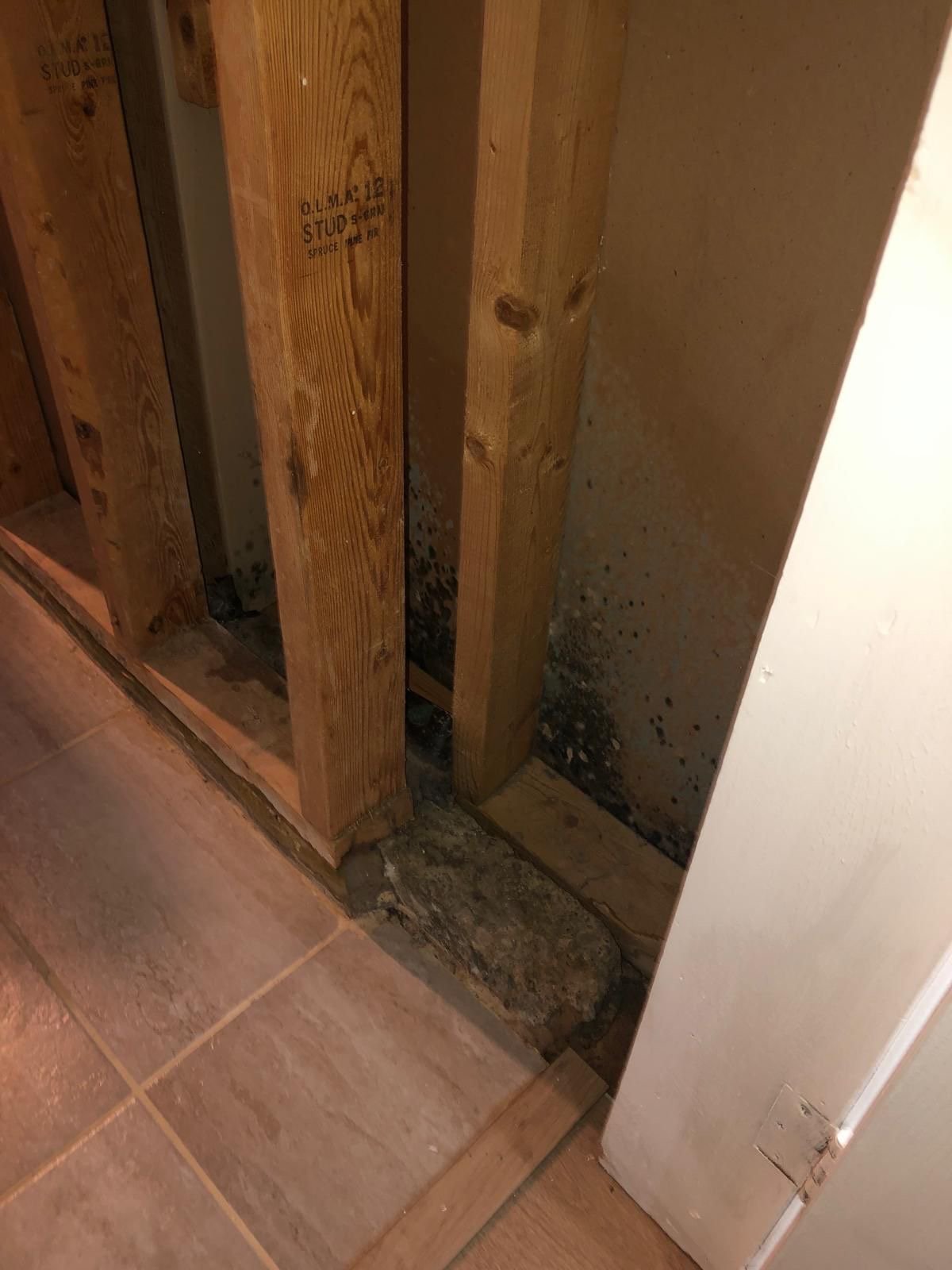
A clean-looking wall does not always mean a mold problem is finished. Can mold return after remediation? Yes – but it should not return simply because mold was removed. Recurring growth usually means moisture is still entering the property, drying was incomplete, contaminated materials were missed, or the original source was never repaired.
For homeowners, condo owners, and property managers, that distinction matters. Mold is not a surface-cleaning issue. It is a moisture-control and building-repair issue. When a basement flood, roof leak, plumbing failure, condensation problem, or sewer backup is handled only at the visible level, spores can find the same damp conditions again and grow back.
Can Mold Return After Remediation?
Mold spores exist naturally in indoor and outdoor air. A professional remediation cannot make a building permanently spore-free, nor is that the goal. The goal is to remove active contamination, contain it during cleanup, dry the affected structure, and correct the water or humidity condition that allowed mould to grow.
When those steps are completed properly, the risk of recurrence drops significantly. However, new growth can occur if moisture returns. That could happen weeks later after another plumbing leak, or months later because a damp basement wall, attic ventilation issue, or hidden roof leak was never fully corrected.
There is also a difference between a true recurrence and a new mould event. Growth in the same area shortly after remediation often points to an unresolved source or incomplete drying. Growth in a different room may be caused by a separate leak, elevated indoor humidity, or a new water-damage incident.
Why Mould Comes Back After Cleanup
The most common reason is simple: water remains available. Mould can begin growing on wet organic materials such as drywall paper, wood framing, insulation backing, carpet, and dust after a relatively short period of dampness. If moisture readings were not brought back to acceptable levels before walls or flooring were closed up, concealed mould may continue developing out of sight.
The leak was treated, but not repaired
Stopping water for the moment is not always the same as fixing the cause. A bucket under a plumbing line, caulking around a window, or drying a ceiling stain may limit immediate damage, but it will not solve a cracked pipe, failed appliance connection, deteriorated roof flashing, foundation seepage, or exterior drainage problem.
This is especially common after intermittent leaks. A roof may only leak during wind-driven rain. A bathroom supply line may drip only when a fixture is used. A basement may stay dry until spring thaw or a severe Toronto rainfall event. If the water source is not identified under the conditions that trigger it, mould can return after the apparent cleanup is complete.
Hidden materials stayed wet
Drywall, insulation, subflooring, baseboards, cabinetry, and framing can hold moisture behind a dry surface. Painting over a stain or wiping visible mould from drywall does not confirm that the cavity behind it is dry or clean.
Professional remediation uses moisture detection and controlled drying to assess the full affected area. Depending on the material and level of contamination, this can involve removing damaged porous materials rather than trying to clean what cannot be reliably restored. The trade-off is that removal can increase the immediate scope of work, but leaving compromised material in place can create a more expensive repeat problem later.
Humidity and condensation were overlooked
Not every mould problem starts with a dramatic flood. In bathrooms, laundry rooms, kitchens, basements, and attics, persistent humidity can create enough condensation for mould to grow. Cold exterior walls, uninsulated pipes, poor air movement, blocked vents, and inadequate attic ventilation can all produce damp surfaces even when there is no obvious leak.
Condensation-related mould often returns in the same pattern: around window frames, on exterior-facing corners, behind furniture, or on attic sheathing. The remediation plan must address the building condition, such as ventilation, insulation, exhaust performance, or air circulation, alongside the cleanup.
Containment or cleaning was incomplete
Improper cleanup can spread spores and debris to nearby areas. Disturbing mouldy drywall, insulation, or carpet without containment may contaminate adjacent rooms or HVAC pathways. A professional crew isolates the work area, uses appropriate air filtration, removes affected materials carefully, and performs detailed cleaning before the area is rebuilt.
This does not mean every small spot requires a major demolition project. The correct approach depends on the size of the affected area, the materials involved, the cause of moisture, and whether contamination is concealed. But widespread growth, recurring mould, sewage-affected water damage, or contamination inside wall and ceiling cavities should be assessed professionally.
Signs Mould May Be Returning
A musty odour is often the first warning, particularly after a flood or leak. It may become stronger when a room is closed, after rain, or when heating or cooling systems are running. New discolouration, peeling paint, bubbling drywall, warped baseboards, or recurring condensation should also be investigated rather than covered up.
Pay attention to the timing. If a stain returns after a storm, the concern may be a roof, window, exterior wall, or foundation issue. If it appears after showers or laundry, ventilation and humidity may be the driver. If it returns after a dishwasher, toilet, refrigerator, or washing machine is used, an appliance connection or plumbing line may be leaking.
For commercial and multi-unit properties, recurring odours or staining in a suite can originate elsewhere. Water can travel along framing, piping, and floor assemblies before it becomes visible. The spot where mould appears is not always the point where water entered.
What Proper Remediation Should Include
Effective remediation is a process, not a single cleaning step. The exact scope depends on the property, but a qualified restoration team should establish the moisture source, identify the affected materials, and prevent contamination from spreading while work is underway.
A complete response generally includes inspection and moisture mapping, water extraction or structural drying where needed, containment of the affected area, removal or cleaning of impacted materials, air filtration, detailed cleaning, and verification that moisture conditions are controlled before reconstruction begins. The water source must also be repaired or a permanent repair plan put in place.
Post-remediation testing can be useful in certain situations, particularly after extensive contamination, in sensitive commercial settings, when occupants need independent documentation, or when there is concern about hidden growth. It is not a substitute for a thorough inspection and moisture assessment. A favourable air sample cannot repair a leaking foundation wall or wet insulation.
How to Prevent Mould From Coming Back
Prevention starts immediately after remediation. Keep indoor humidity under control, use bathroom and kitchen exhaust fans, and address condensation on windows or pipes. Make sure downspouts discharge away from the foundation and that grading does not direct water toward the building. Inspect roofs, plumbing connections, appliance hoses, and basement areas regularly, especially after heavy rain or a freeze-thaw period.
After any water event, speed matters. Clean water from a small, contained spill may be manageable if it is dried quickly and completely. Floodwater, sewage backups, extensive leaks, or water that has entered walls, flooring, insulation, or ceilings require a more controlled response. Waiting can allow damage to spread beyond the original wet area.
If mould has returned after previous work, do not assume the solution is another surface treatment. Ask what caused the first growth, whether all affected materials were assessed, how drying was verified, and what repair will prevent water from coming back. Those answers are more valuable than a cosmetic fix.
For properties across Toronto and the GTA, CPR24 Restoration can assess recurring moisture and mould concerns, complete controlled remediation, and coordinate the repairs needed to restore the affected area. The right next step is to investigate the moisture source while the evidence is still visible – before a small recurring patch becomes concealed structural damage.