
Mold in a home is more than an unpleasant stain or musty smell. For homeowners, landlords, and property managers in Mount Albert, dealing with it properly means removing visible growth. It also means correcting the moisture source and taking steps to stop it from returning. This guide explains what to look for and when to call professional mold remediation services. Moreover, it covers how to make informed choices about mold removal services in a local Ontario home.
When should you worry about mold in your home?
You should take mold seriously whenever you can see it, smell a persistent musty odour, or find damp building materials that are not drying out. Health Canada considers indoor mold growth a potential health hazard. It advises dealing with moisture problems promptly, rather than focusing only on the type of mold present. If anyone in the home has respiratory symptoms or other health concerns they believe may be linked to indoor air quality, they should speak with a healthcare professional.
Mold needs moisture to grow, so the bigger question is often not “what colour is it?” but “why is this area staying wet?” In Mount Albert homes, common triggers can include basement dampness, roof or plumbing leaks, window condensation, poor bathroom ventilation, and past flooding. Health Canada notes that high humidity, leaks, water infiltration, and flooding can all contribute to indoor mold growth.
Warning signs worth checking include:
- A musty smell that returns after cleaning or airing out a room.
- Dark, fuzzy, powdery, or patchy staining on drywall, wood, caulking, ceilings, or stored items.
- Recurring condensation on windows, cold walls, or around poorly ventilated rooms.
- Peeling paint, soft drywall, swollen trim, or warped flooring that may point to hidden moisture.
- Basement humidity that makes cardboard, furniture, or fabrics smell damp.
- Recent water damage from a leak, appliance failure, sump pump issue, or heavy rain.
A small surface spot on a washable area may be manageable with careful cleaning. However, widespread growth, repeated growth, or mold on porous materials usually needs a more thorough plan.
Why mold removal in Mount Albert is often about moisture control
Mold removal in Mount Albert, Ontario, Canada is not just a cleaning task; it is a building moisture problem. Mount Albert is part of East Gwillimbury in York Region. Homes here may include newer subdivisions, older houses, rural properties, finished basements, and utility areas that each handle moisture differently. Local property conditions vary, but the principle stays the same. Mold comes back when the water source remains.
That is why effective remediation starts with investigation. A bathroom ceiling stain may trace back to poor fan use or an attic ventilation issue. Also, mold along basement baseboards may come from foundation seepage, high indoor humidity, or a past flood that never fully dried behind the wall. A musty cold room may need better air movement, sealing, or drainage improvements rather than another round of surface scrubbing.
Health Canada recommends controlling indoor humidity, fixing moisture problems immediately, and keeping relative humidity in the 30% to 50% range to help prevent mold. It also notes that after a flood, drying the home and furnishings within 48 hours reduces the likelihood of mold growth.
What professional mold remediation services usually involve
Professional mold remediation services are designed to remove contaminated materials safely while limiting the spread of spores and dust to clean areas. The exact steps depend on the size of the affected area and the materials involved. They also depend on whether the moisture source has been corrected. Still, a responsible remediation process usually follows a clear sequence.
A typical service may include:
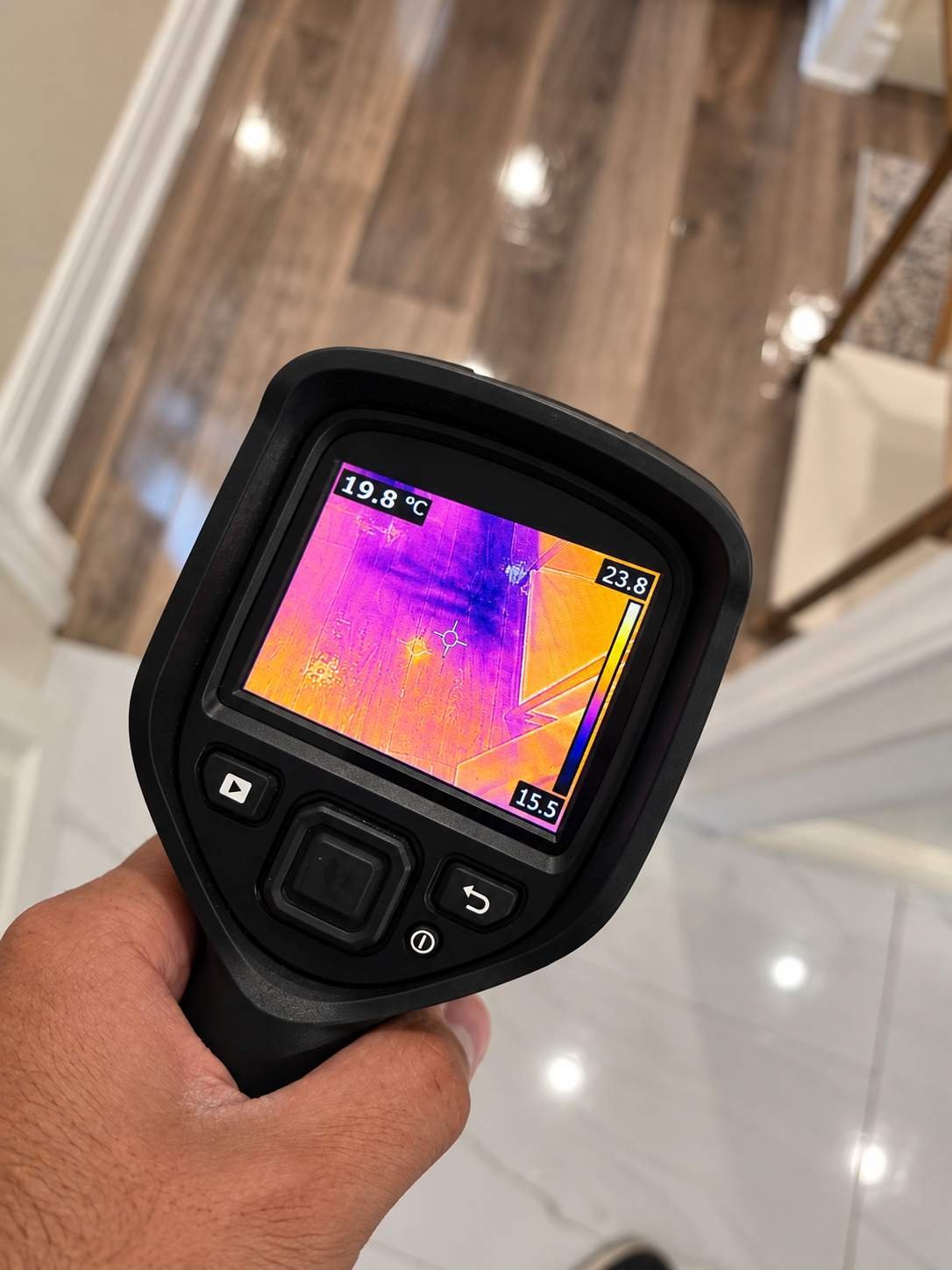
- Assessment of the affected area: The technician looks for visible growth, moisture patterns, building material damage, and possible hidden sources. This may include checking adjacent rooms, unfinished spaces, plumbing areas, and exterior drainage clues.
- Moisture source identification: Removing mold without fixing the leak, humidity, or condensation problem is only a temporary solution. A good assessment should explain what needs to change so the area can stay dry.
- Containment and work area control: For more significant projects, the work area may need to be separated from the rest of the home. This helps reduce cross-contamination while damaged materials are removed or cleaned.
- Safe removal or cleaning of affected materials: Non-porous surfaces may sometimes be cleaned. Porous materials such as drywall, insulation, carpet, ceiling tile, or particleboard may need removal when contaminated or water-damaged.
- Drying and verification: The area should be dried before repairs begin. Rebuilding too soon can trap moisture inside walls or floors and create the same problem again.
- Prevention recommendations: The final step should include practical guidance, such as improving ventilation, repairing grading, using a dehumidifier, replacing damaged caulking, or monitoring humidity.
For large mold areas, Health Canada recommends having a qualified professional assess and clean up the mold. In most situations, it does not recommend air testing as the first response. Instead, finding and fixing moisture and removing the mold are usually more useful.
Can you clean mold yourself?
You may be able to clean a small amount of mold on a hard, washable surface yourself. However, you should be cautious if the area is large, keeps returning, or involves porous materials. Health Canada says small amounts can be cleaned right away with soap and water, while larger amounts may require a professional.
DIY cleaning is most reasonable when the area is limited, the surface is non-porous, and the moisture source is obvious and already fixed. For example, a small patch on bathroom tile grout caused by poor ventilation may be addressed with cleaning and better fan use. But mold behind drywall, under flooring, inside insulation, or across a basement wall is different. In these cases, disturbing those materials without containment can spread debris through the home.
Avoid painting over mold, spraying strong chemicals into wall cavities, or relying on fragrance products to hide odours. Those steps do not solve the moisture problem and can create a false sense of progress. If the mold returns after cleaning, treat that as a sign that the underlying cause has not been found.
Choosing mold removal services with confidence
If you are comparing mold removal Mount Albert options, look for a company that explains its process clearly and does not jump straight to demolition or vague promises. The best mold removal services focus on assessment, containment, safe removal, moisture correction, and prevention. They should be able to tell you what they found and what they plan to remove or clean. Most importantly, they should explain what must happen before repairs begin.
Before hiring a provider, ask practical questions:
- What do you believe caused the mold? A credible answer should connect visible growth to moisture, leakage, humidity, or ventilation.
- What areas will be contained? Larger jobs should include a plan to protect unaffected rooms.
- Which materials can be cleaned, and which should be removed? The answer should depend on material type and contamination level.
- How will you confirm the area is dry before rebuilding? Drying matters as much as removal.
- What steps can prevent recurrence? You should leave with clear next actions, not just a cleaned surface.
- What is included in the written scope? The quote should describe the work area, removal methods, disposal, cleaning, and any limitations.
Price is important, but the cheapest quote may not be the best value if it skips moisture investigation or leaves contaminated material behind. Likewise, the most expensive option is not automatically better. A clear scope, sensible explanation, and safety-focused process are more useful than pressure tactics.
Prevention starts with everyday habits and building maintenance
Once mold is removed, prevention becomes the priority. CMHC explains that mold growth is connected to moisture. It says that keeping a house dry, addressing leaks, and improving ventilation are key prevention steps.
Use this prevention checklist around your home:
- Run bathroom fans during showers and long enough afterward to clear humidity.
- Use kitchen ventilation when cooking, especially when boiling water for long periods.
- Keep indoor humidity in a comfortable, controlled range and use a dehumidifier in damp basements when needed.
- Repair roof, plumbing, foundation, and appliance leaks as soon as they appear.
- Keep downspouts, grading, and drainage moving water away from the foundation.
- Avoid storing cardboard, fabric, or furniture directly against damp basement walls.
- Check under sinks, around windows, behind large furniture, and near exterior walls during seasonal changes.
- Dry water-damaged materials quickly and remove items that cannot be dried properly.
Small habits add up. A bathroom fan that works well, a basement that stays dry, and quick repairs after leaks can make a major difference in preventing recurring mold.
A healthier home begins with the right response
Mold removal is most effective when it treats the whole problem, not just the visible stain. For Mount Albert homeowners, that means noticing warning signs early and fixing moisture sources. It also means choosing qualified help when the job is too large for DIY cleaning, and preventing damp conditions from returning.
If you see mold in your home, start by asking where the moisture is coming from. Then decide whether the situation is small and manageable or whether professional mold remediation services are the safer path. A dry, well-maintained home is the best long-term defence against mold growth in Ontario homes.