

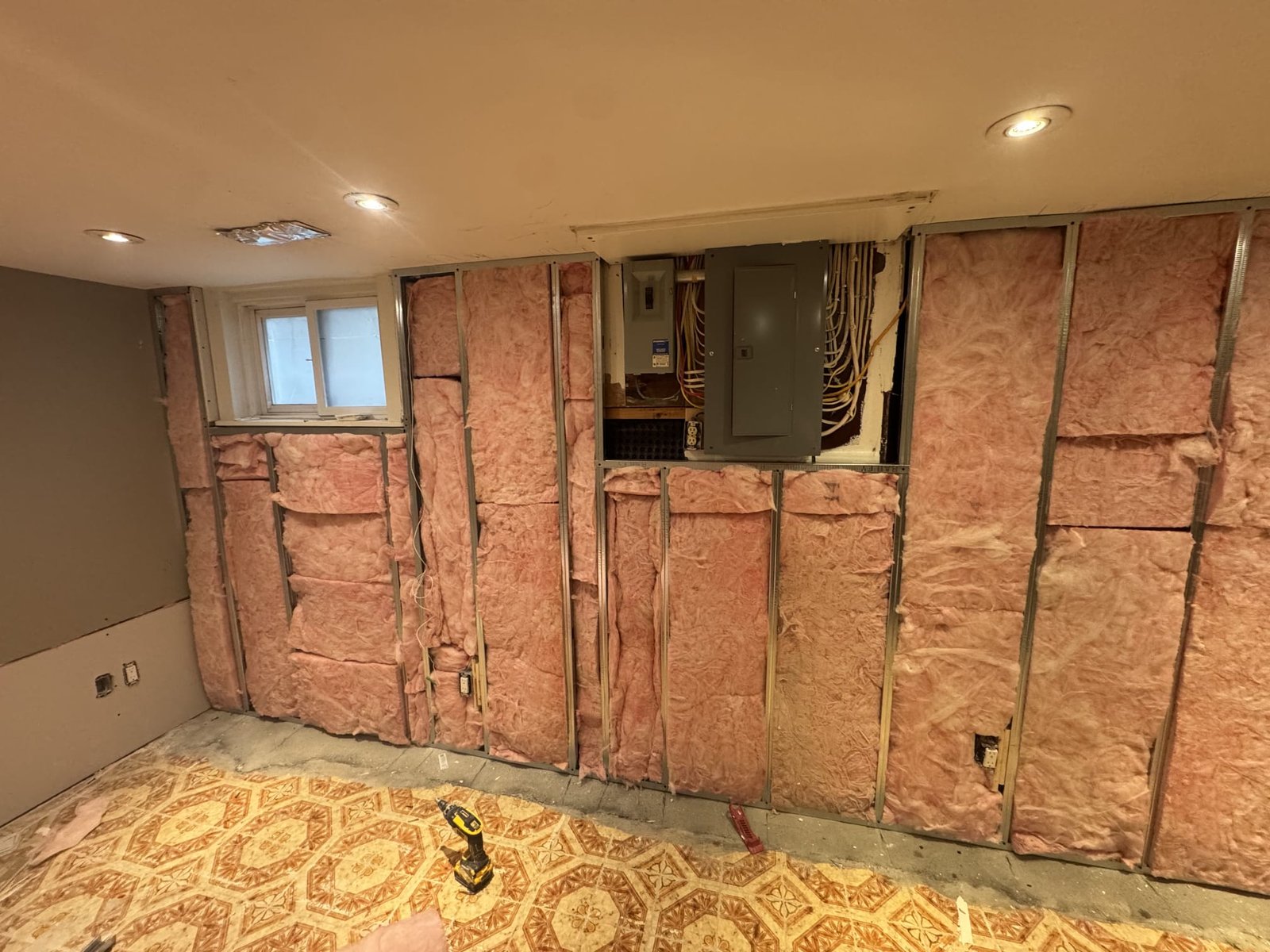
A basement can go from usable space to active damage zone in minutes. Once water gets in, every hour matters. A professional flooded basement cleanup service is not just about removing visible water – it is about stopping structural damage, preventing mould growth, managing contamination, and getting the property back to a safe condition as quickly as possible.
For homeowners, condo owners, property managers, and business operators, the real problem is rarely just the flood itself. It is the chain reaction that starts right after. Drywall wicks moisture upward. Wood framing absorbs water. Flooring traps dampness underneath. Electrical hazards, bacteria, and hidden moisture can turn a straightforward cleanup into a much larger restoration job if the response is delayed or incomplete.
What a flooded basement cleanup service should actually handle
A true restoration response starts with control. That means identifying the water source, assessing safety risks, and stopping the spread before cleanup begins. In some cases, the source is obvious, such as a burst pipe or heavy rain intrusion. In others, the issue could involve a sewer backup, foundation seepage, failed sump pump, or plumbing leak hidden behind finished walls.
The first stage is water extraction. Industrial pumps, truck-mounted systems, and wet vac equipment remove standing water fast. Speed matters here, but so does accuracy. Water often travels beyond the area where it first appears, especially in finished basements with subfloor systems, insulation, storage contents, and partition walls.
After extraction, drying becomes the priority. This is where many cleanup attempts fall short. Surface drying is not enough. Moisture meters, thermal imaging, and professional drying equipment help locate and remove trapped moisture from structural materials. Depending on the extent of the damage, this may involve air movers, dehumidifiers, targeted cavity drying, and controlled demolition of unsalvageable materials.
Sanitizing is another key part of the process. Clean water from a supply line is one thing. Groundwater and sewer-related flooding are another. Once contamination is part of the event, cleanup must include proper antimicrobial treatment, odour control, and disposal of materials that cannot be safely restored.
Why fast response changes the outcome
The difference between a manageable water loss and a major reconstruction project often comes down to response time. Water damage is progressive. Within hours, materials begin swelling, staining, and weakening. Within a day or two, conditions become ideal for microbial growth, especially in enclosed basement areas with poor airflow.
That is why emergency response is not marketing language – it is an operational necessity. A rapid crew arrival can reduce tear-out, shorten drying time, and limit secondary damage. For commercial properties and rental buildings, it can also reduce downtime, tenant disruption, and liability exposure.
In older homes across Toronto and the GTA, basement flooding can be more complex because construction methods vary. Some basements have finished walls over concrete foundations, older drain systems, or signs of prior water entry that were patched rather than properly corrected. In those situations, cleanup and restoration need a more careful assessment. Drying the area without understanding the underlying cause can leave the same property vulnerable the next time heavy rainfall or a plumbing failure occurs.
Floodwater is not always clean water
Not every basement flood carries the same risk. This matters because the cleanup protocol changes depending on the source.
If the basement floods from a broken supply line, the water may begin as relatively clean. Even then, once it contacts flooring, dust, stored contents, and building materials, the condition can change quickly. If the source is stormwater intrusion, groundwater seepage, or an overflowing drain, the contamination risk is higher. If sewage is involved, the hazard level rises significantly.
A professional crew should evaluate the category of water loss before deciding what can be dried, disinfected, or removed. Carpet, insulation, particleboard furniture, and porous finishes often do not recover well after contaminated flooding. Trying to save the wrong materials can create lingering odours, bacteria issues, and hidden mould behind rebuilt surfaces.
The cleanup process from first call to final repairs
When a flooded basement is reported, the response should be immediate and structured. The first step is triage – what happened, when it started, whether power is affected, and whether sewage or stormwater is present. That information helps determine the right equipment and safety measures before arrival.
On site, the area is inspected and documented. This supports both the restoration plan and any insurance-related recordkeeping. Water extraction follows, then removal of affected contents where possible. Salvageable items may be moved, elevated, or separated from damaged materials to limit further loss.
Drying and dehumidification begin as soon as standing water is under control. Technicians monitor moisture levels, not just appearance. A basement can look dry while subfloors, framing, and lower wall cavities still hold damaging moisture.
If demolition is necessary, it should be selective, not excessive. The goal is to remove what cannot be restored while preserving what can. Once the structure is dry and sanitized, repairs can begin. That may include drywall replacement, insulation, painting, trim work, flooring restoration, and in some cases waterproofing or plumbing-related corrections.
This full-service model matters because property owners under stress should not have to coordinate multiple contractors in the middle of an emergency. One provider managing inspection, mitigation, remediation, and repairs keeps the process faster and more accountable.
What property owners can do before the crew arrives
There are a few practical steps that help, but only if conditions are safe. If there is any risk involving electricity, contaminated water, or structural instability, stay out and wait for trained technicians.
If it is safe to enter, shut off the water source if the flooding is plumbing-related. Avoid using electrical devices in wet areas. Move valuable items, documents, and electronics out of harm’s way if they can be reached safely. Take photos for documentation. Do not start tearing out materials without understanding the water source and contamination level, because that can spread hazards and complicate the restoration plan.
Portable fans are rarely enough for a serious basement flood. In some cases they can even make things worse by circulating humid air without proper dehumidification. Effective drying requires the right balance of airflow, moisture removal, and material-specific monitoring.
Choosing the right flooded basement cleanup service
Speed is critical, but it should not be the only factor. The right provider should be equipped for emergency extraction, structural drying, sanitization, mould prevention, and repairs. Certified technicians, commercial-grade equipment, and clear process communication all matter.
It also helps to work with a team that understands local property conditions. In the GTA, flooding events may be linked to sudden storm volume, sewer system overload, frozen pipe breaks, or recurring foundation seepage in older neighbourhoods. A company that regularly handles these conditions can respond with a more accurate plan from the start.
CPR24 Restoration is built around that emergency model – fast arrival, certified restoration procedures, and complete recovery work under one roof. For clients dealing with a flooded basement, that means less delay, fewer handoffs, and a clearer path from damage to repair.
The hidden cost of waiting
Many people hesitate for understandable reasons. They hope the water is minor, they want to avoid a claim, or they assume the area will dry on its own. The problem is that water damage does not stay visible and contained. Moisture moves into wall cavities, under flooring, and into insulation long before obvious staining or odour appears.
Waiting can turn a cleanup job into a mould remediation project. It can also compromise finishes that might have been saved with a same-day response. For landlords and commercial operators, delay may affect habitability, tenant complaints, and operational continuity.
Basement flooding is disruptive, but the cleanup does not have to be chaotic. The right response is fast, controlled, and thorough. When the work is done properly, the goal is not just to remove water – it is to restore safety, prevent recurring issues, and give you back a space you can trust again.
If your basement has taken on water, act while the damage is still containable. The sooner the cleanup starts, the more options you keep open.