

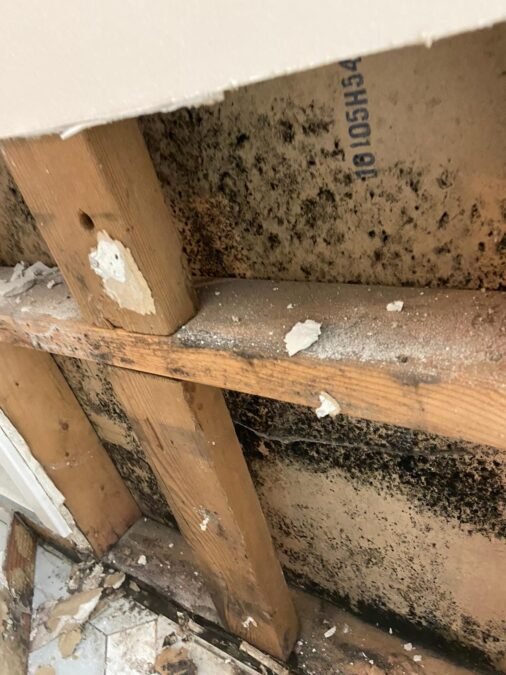
You usually find mold after something else has already gone wrong – a slow leak behind drywall, a flooded basement that never dried properly, or condensation building up in an attic for months. That is why homeowners and property managers often ask what is involved with mold remediation when they are already dealing with musty odours, staining, tenant complaints, or concerns about air quality. The short answer is that proper remediation is not just about removing visible mold. It is a controlled process that identifies the moisture source, contains contaminated areas, removes damaged materials, cleans the structure, and helps prevent regrowth.
What is involved with mold remediation in a real property?
A proper mold remediation job starts with assessment, not demolition. Certified technicians first need to understand how far the contamination has spread, what materials are affected, and why mold started growing in the first place. In some cases, mold is limited to a small surface area near a bathroom exhaust issue. In others, it has moved into insulation, framing, subfloors, or HVAC-adjacent areas after water damage.
That early assessment shapes everything that follows. If the source is still active, such as a plumbing leak, roof penetration, seepage, or high indoor humidity, remediation cannot succeed until the moisture issue is corrected. Removing mold without addressing water intrusion is a temporary cleanup, not a lasting fix.
Inspection, moisture detection, and scope of work
The first operational step is a detailed inspection. Technicians look for visible growth, water staining, warped finishes, soft drywall, and odours that suggest hidden contamination. Moisture meters, thermal imaging, and other diagnostic tools may be used to identify damp building materials behind walls, under flooring, or above ceilings.
This stage matters because mold often extends beyond the area you can see. A black patch in the corner of a basement may be the visible edge of a larger issue inside the wall cavity. In commercial settings, the same problem can affect tenant units, storage rooms, or shared mechanical areas, which changes the containment and remediation strategy.
Air or surface testing is sometimes part of the process, but not always. It depends on the property type, the extent of contamination, whether there is a dispute about indoor air quality, and whether post-remediation verification is needed. Testing can be useful, but remediation decisions are usually driven by visible conditions, moisture findings, and material damage.
Containment is one of the most important steps
Once the affected area is confirmed, the work zone needs to be isolated. This is where professional remediation differs sharply from basic cleaning. Mold spores can spread during demolition or disturbance, especially when drywall, insulation, carpeting, or wood products are removed.
Containment typically involves sealing the affected area with poly barriers and controlling air movement so spores do not migrate into clean parts of the property. Negative air machines with HEPA filtration are often used to pull contaminated air out of the work zone and filter it safely. For occupied homes, condos, or commercial units, this step protects adjacent rooms and reduces cross-contamination.
The level of containment depends on the size and location of the problem. A small isolated area may require limited controls. A larger attic, basement, or multi-room issue calls for more extensive setup, especially if vulnerable occupants, tenants, or business operations are nearby.
What gets removed during mold remediation
Mold remediation is not only a cleaning job. Porous materials that are heavily contaminated or water-damaged often need to be removed and discarded. That can include drywall, insulation, ceiling tiles, carpeting, underpad, particleboard, and sometimes sections of flooring or trim.
The reason is simple. Mold can grow into the body of porous materials, not just on the surface. Wiping or spraying them may improve appearance, but it does not reliably eliminate contamination if the material is compromised. Non-porous or semi-porous structural components, such as concrete, metal, and some wood framing, can often be cleaned and treated if they remain sound.
Controlled demolition is usually done carefully and in stages. Material is bagged, sealed, and removed under containment. In a residential setting, this may mean opening a wall around a plumbing stack. In a larger commercial loss, it may involve selective demolition across multiple affected sections to expose hidden growth and wet assemblies.
Cleaning, filtration, and antimicrobial treatment
After damaged materials are removed, the remaining structure needs to be cleaned in a way that captures spores rather than spreading them. Depending on the surface and extent of contamination, technicians may use HEPA vacuuming, damp wiping, wire brushing, media cleaning, or specialized antimicrobial solutions.
This is another area where shortcuts cause problems. Fogging alone is not remediation. Spraying chemicals into a moldy area without removing affected materials, cleaning surfaces, and correcting moisture leaves the root issue behind. Antimicrobial treatment can be a useful part of the process, but it supports remediation. It does not replace it.
Air scrubbing often continues during and after cleaning. HEPA-filtered equipment helps reduce airborne particles while the work area is being restored. In sensitive environments, this step can be especially important for maintaining acceptable indoor conditions during recovery.
Drying is part of what is involved with mold remediation
If moisture remains, mold can return. That is why drying is built into proper remediation, especially when the mold issue follows a flood, sewer backup, burst pipe, or long-term leak. Wet framing, concrete, subfloors, and wall cavities may need controlled drying with air movers, dehumidifiers, and monitored humidity reduction.
Drying is not guesswork. Moisture readings should be tracked until materials reach acceptable levels for repair and rebuild. This is particularly important in basements, crawl spaces, and attics, where trapped moisture can linger even after surfaces look dry.
Toronto and GTA properties often present added complications because seasonal humidity, older building assemblies, and below-grade moisture intrusion can all contribute to recurring mold conditions. A basement that seems dry in winter may show elevated moisture again during warmer months if the underlying waterproofing or drainage issue was never corrected.
Repairs and reconstruction after remediation
Once the contaminated materials are removed, the area cleaned, and moisture controlled, the property usually needs repairs. That may include replacing drywall, insulation, trim, flooring, or paint. If the source of mold was tied to a building defect, additional corrective work may also be needed, such as plumbing repair, ventilation upgrades, sealing, or waterproofing.
This part is often overlooked when people think about remediation. The job is not fully resolved when the mold is gone from sight. The space has to be returned to a safe, usable condition. For homeowners, that means getting rooms back. For property managers and commercial operators, it means reducing downtime and restoring occupancy with as little disruption as possible.
Working with one provider that can handle remediation and repairs often simplifies scheduling, documentation, and overall recovery. It also reduces the risk of gaps between removal work and reconstruction.
How long does mold remediation take?
It depends on the size of the affected area, the type of materials involved, whether the moisture source is active, and how much demolition is required. A small, contained issue may be addressed in a day or two. A larger loss involving multiple rooms, hidden moisture, or structural drying can take longer.
Access also matters. Mold behind finished basement walls is different from mold on exposed attic sheathing. Occupied buildings may require phased work, off-hours scheduling, or additional containment, especially in condos, offices, and multi-unit properties.
When should you call for professional help?
If mold covers more than a small isolated patch, keeps coming back, appears after flooding, or is tied to hidden moisture, professional remediation is the safer move. The same applies if there is a strong odour, visible growth in HVAC-adjacent spaces, or concern about vulnerable occupants such as children, seniors, or people with respiratory sensitivities.
For property owners in Toronto and the GTA, speed matters. The longer wet materials sit, the greater the chance that mold spreads into cavities and structural assemblies, increasing both health concerns and repair costs. Companies such as CPR24 Restoration are built for this type of response because remediation is rarely just one task – it is inspection, containment, removal, drying, cleaning, and repair working together under controlled conditions.
If you are trying to figure out whether you have a surface issue or a deeper moisture problem, treat mold as a warning sign, not a cosmetic defect. The right next step is not to cover it up. It is to find out why it is there and stop the conditions that let it grow.