

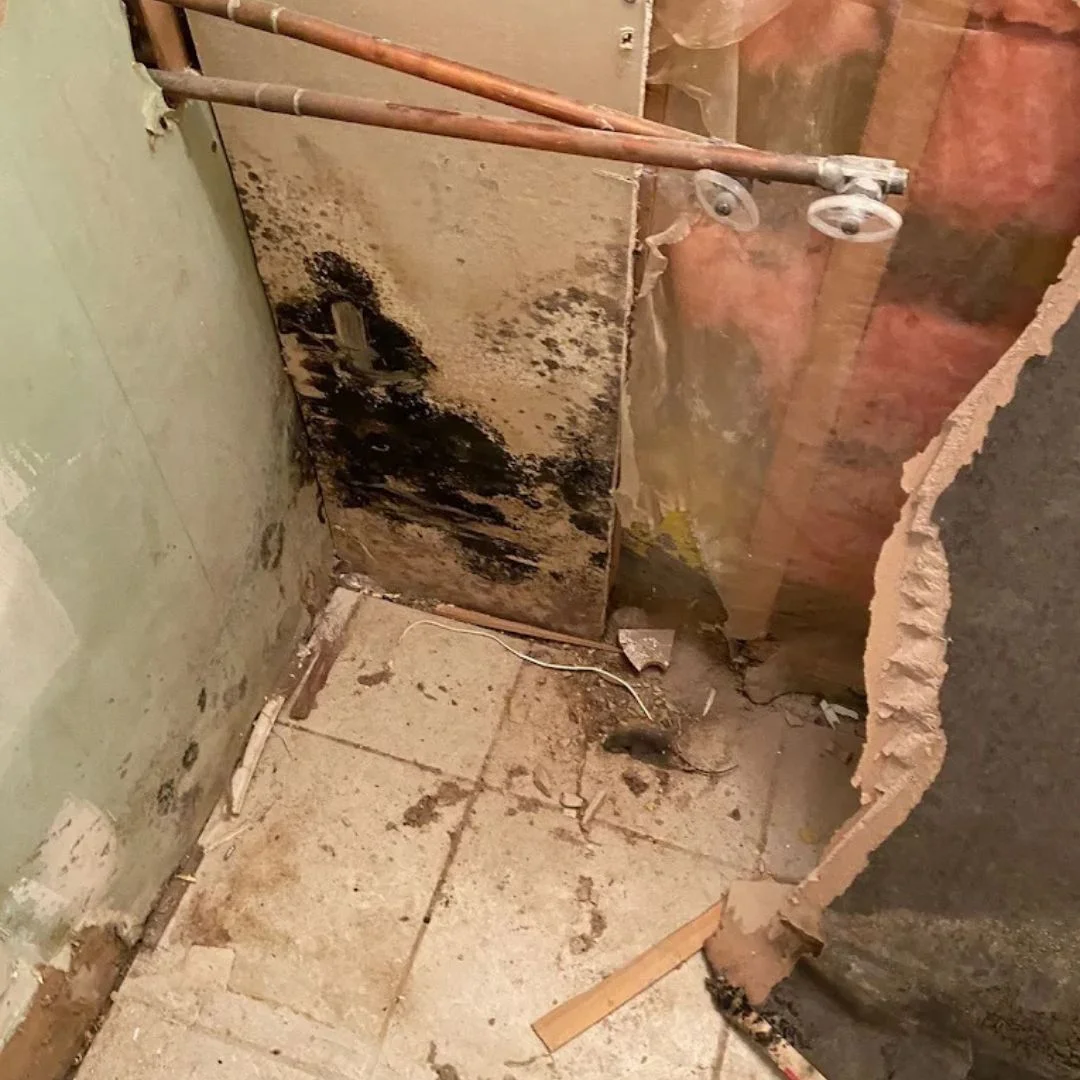
A patch of mould on drywall can look minor until someone starts scrubbing it and spores spread through the room. That is usually when people ask, is mold remediation dangerous? The honest answer is yes – it can be, especially when the contamination is hidden, the affected area is larger than expected, or the cleanup is done without proper containment, PPE, and moisture control.
Mould remediation is not just about removing stains. It involves disturbing active growth, handling contaminated materials, protecting indoor air, and correcting the moisture source that allowed the problem to develop in the first place. If any part of that process is done poorly, the result can be worse air quality, recurring mould, and broader property damage.
Is mold remediation dangerous in every case?
Not every mould issue carries the same level of risk. A very small, isolated patch on a non-porous surface is different from widespread growth behind drywall, in an attic, inside insulation, or after a basement flood. The danger depends on the amount of mould present, the species involved, the materials affected, and the condition of the people in the space.
For healthy adults, brief exposure during a minor cleanup may cause little more than irritation. But that does not mean the job is automatically safe. Once mould is disturbed, spores and fragments can become airborne. In enclosed properties, that contamination can travel into adjacent rooms or HVAC pathways if the work area is not controlled properly.
The risk is higher for children, older adults, people with asthma, anyone with allergies, and occupants with weakened immune systems. In commercial buildings, schools, rental units, and multi-residential properties, that risk also becomes a liability issue. If occupants are exposed because a mould problem was handled casually, the cost of that decision can extend well beyond cleanup.
Why mold remediation can become hazardous
The biggest mistake people make is treating mould like ordinary dirt. It is a biological contaminant tied to moisture and building materials. Cleaning the visible area without managing the airborne spread or wet source is where things go wrong.
When mould is scrubbed, cut, torn, or pulled away from surfaces, microscopic particles are released into the air. Without containment barriers and negative air pressure, those particles can settle elsewhere in the property. A basement removal can affect a stairwell, a nearby storage room, or upper-level living space if air movement is not managed.
There is also the material side of the problem. Mould often affects porous building components such as drywall, insulation, ceiling tiles, carpet underlay, and wood framing. Some of these materials cannot simply be cleaned and kept. They need to be removed, bagged, and disposed of correctly. If that demolition is done without training, people can expose themselves to heavy contamination very quickly.
Moisture adds another layer of danger. Mould growth often points to a leak, past flooding, poor attic ventilation, high humidity, condensation, or a hidden plumbing issue. If the moisture source is still active, remediation work can expose wet structural materials, electrical hazards, and concealed deterioration that were not obvious at the start.
Health risks during mould removal
The health effects of exposure vary, but the risk is real enough that proper precautions matter. During remediation, people may experience coughing, throat irritation, sneezing, watery eyes, headaches, or skin irritation. Those with respiratory conditions can react more strongly, especially in tight indoor spaces where spores become concentrated.
For some occupants, the issue is less about immediate symptoms and more about sustained exposure. If mould has been active behind walls or in a poorly ventilated lower level, the air quality may already be compromised before any work begins. Disturbing the area without professional controls can sharply increase airborne contamination for a period of time.
This is one reason certified technicians use respiratory protection, disposable protective suits, gloves, and controlled removal methods. PPE is not there for appearances. It reduces the chance of inhaling or carrying contamination into clean areas of the home or building.
When DIY mould cleanup is most likely to fail
Small surface mould is one thing. Full remediation is another. DIY attempts usually fail when the visible mould is only part of the problem.
If growth keeps returning, there is almost always an unresolved moisture source. If the wall feels soft, the baseboards are swollen, or there is a persistent musty smell, the contamination may extend behind finished materials. Attics, crawl spaces, basements, and areas affected by previous leaks are especially prone to hidden spread.
Another common problem is using the wrong cleaning method. Bleach is often treated like a catch-all solution, but on porous materials it is unreliable and can leave the underlying issue untouched. Painting over mould is even worse. It hides the staining temporarily while active growth remains in place.
DIY work also tends to skip containment. That means no sealed work zone, no negative air machines, no proper filtration, and no controlled removal of debris. In practical terms, that can turn a local problem into a whole-property problem.
What safe mould remediation should involve
Safe remediation starts with inspection, not demolition. The first job is to determine how far the contamination extends, what materials are affected, and where the moisture is coming from. In some cases, air quality or targeted mould testing helps confirm the scope, especially when the source is concealed.
Once the extent is understood, the work area should be isolated. That typically means physical containment with poly barriers, controlled entry points, and air scrubbers or negative air pressure where needed. This step matters because it protects the rest of the property while removal is underway.
Damaged porous materials are then removed under controlled conditions. Semi-porous or structural materials may be cleaned using industry-accepted methods, depending on the level of damage. The affected area is vacuumed with HEPA-filter equipment, cleaned, and dried thoroughly. If the moisture source is not fixed, the job is not complete.
For larger or more complex projects, post-remediation verification may also be appropriate. That gives property owners confidence that the work area has been cleaned properly and returned to a safe, stable condition.
Why timing matters more than most owners expect
Mould problems do not stay still. The longer moisture remains in place, the more growth can spread into surrounding materials. What begins as a visible patch under a window or beside a bathroom ceiling can become a deeper wall cavity problem, an insulation issue, or a framing repair.
That is where delay becomes expensive. Fast action protects indoor air, limits demolition, and improves the chances of saving unaffected materials. In Toronto and the GTA, this is especially relevant after flooded basements, burst pipes, roof leaks, and winter condensation issues, where moisture can linger in hidden areas even after surfaces appear dry.
Speed also matters for occupied spaces. In rental properties, offices, retail units, and condo buildings, unresolved mould can affect tenant comfort, scheduling, and business continuity. A slow response often means a wider disruption later.
Choosing the right remediation team
If the issue goes beyond a very minor surface spot, this is not the time to guess. Property owners should look for certified remediation professionals who understand containment, safe removal, drying, and reconstruction. The goal is not just to remove visible mould, but to restore the area properly so the problem does not come back.
Ask practical questions. How will the area be contained? What PPE will be used? Will damaged materials be removed? How will moisture be identified and corrected? Is post-remediation verification recommended? A qualified team should be able to answer each of those clearly and without vague promises.
That matters even more when mould follows water damage. The best outcomes usually come from a company that can manage inspection, drying, remediation, sanitization, and repairs in one coordinated process. CPR24 Restoration handles those situations with emergency response, certified technicians, and full restoration support, which helps reduce delays between discovery, cleanup, and rebuilding.
The real answer to the risk question
So, is mold remediation dangerous? It can be, and the danger usually comes from treating it as a cosmetic cleanup instead of a contamination and moisture problem. The risk rises when mould is widespread, hidden, or disturbed without containment and respiratory protection.
If you are dealing with mould in a home, condo, rental unit, or commercial property, the safest move is to respect the problem early. A fast, controlled response protects the building, the people inside it, and your next steps after the cleanup is done.