

Cold Room Mold Removal
Cold Room Mold Removal in Toronto & GTA
CPR24 Restoration provides cold room mold removal in Toronto and the GTA, helping homeowners address mold on cold cellar walls, ceilings, shelving, and affected building materials. Our team assesses visible mold and moisture conditions, then develops a mold remediation plan that may include containment, removal of contaminated materials, HEPA vacuuming, and antimicrobial treatment where appropriate. Whether your cold room has a persistent musty smell, condensation, or recurring mold, identifying the underlying moisture problem is an essential part of preventing its return. Based in North York, CPR24 offers professional mold removal services and practical recommendations tailored to your property.
Call 416-551-8287 to schedule an inspection.
Last updated: October 2026

Why Does Mold Grow In Cold Rooms?
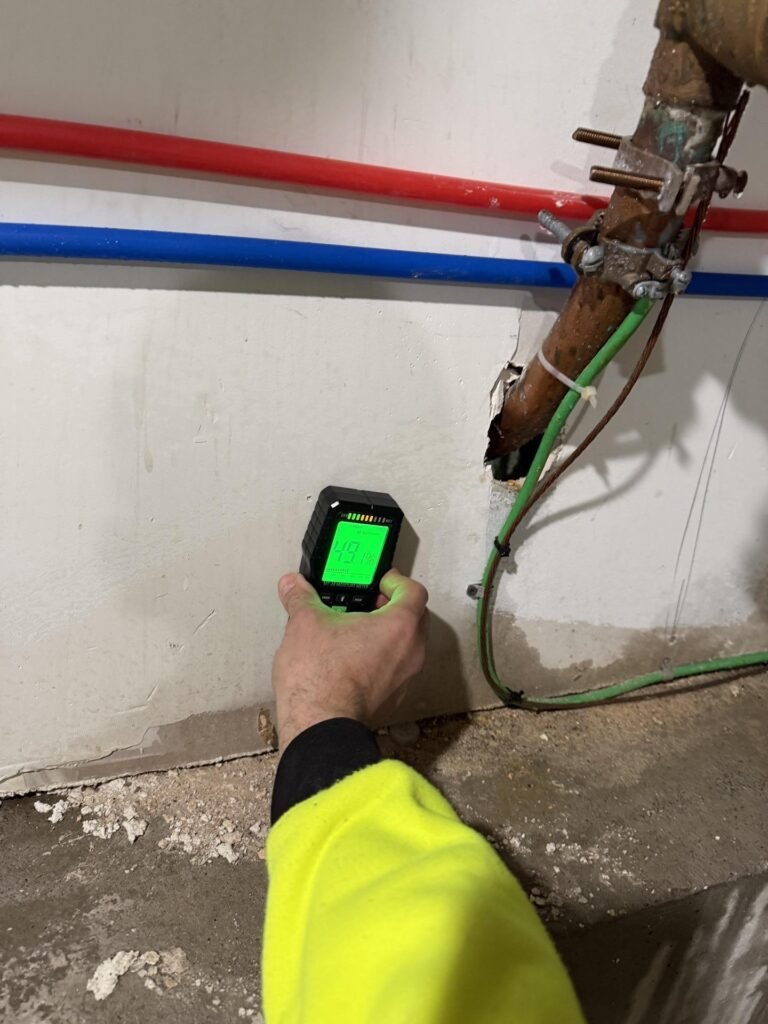
Cold rooms stand out because designers often create them to be cool and dry, yet they also face condensation issues. The temperature differences between the inside of the room and the warm air from outside can create moisture buildup. When warm air touches cold surfaces, like a concrete wall, it cools down. This causes the air to condense and form water droplets that stick to the surfaces. Over time, this moisture encourages mold growth.
Builders commonly construct cold rooms in basements or lower levels of homes, where humidity levels tend to be higher. If someone does not adequately insulate or ventilate the room, they can quickly create a prime environment for mold. Many cold storage rooms do not have the proper airflow, which exacerbates the issue. Poor airflow keeps moisture inside. This lets mold grow in the room and spread to nearby areas like basements or attics.
Some homeowners could create an environment that is more prone to mold without even knowing it. This can happen when they cover vents, insulate walls, or block air circulation. These issues often arise during basement renovations or home remodelling. When fresh air cannot circulate freely, moisture accumulates, leading to mold growth.
The Dangers of Mold in Cold Rooms
Mold in cold storage rooms is not just an aesthetic problem. It can be harmful to your health and potentially ruin the items you are storing. Mold spores can spread easily through the air. This can harm air quality and cause breathing problems for everyone in the home.
For people with breathing problems like asthma, mold can make symptoms worse. This can cause wheezing, coughing, and even serious issues. Mold exposure can cause skin irritation, headaches, dizziness, and allergic reactions. This is especially true for people with weak immune systems.
In addition to health problems, mold can damage the items stored in your cold room. Mold can contaminate food items, wine, and even important documents, making them unsafe or unusable. Mold can also damage the walls and structure of your home over time, leading to costly repairs.


How to Prevent Cold Room Mold Outbreaks in Toronto
Prevention is key to mold. While mold removal in Toronto is essential when it occurs, it is far more effective in preventing mold growth from the outset. Here are several steps you can take to keep your cold room mold-free:
- Ensure Proper Ventilation: The most effective way to prevent mold in cold rooms is to ensure adequate airflow. Proper ventilation prevents moisture from building up on walls, ceilings, and floors. If your cold room has vents, make sure you do not block or seal them off. If your cold room lacks proper ventilation, consider installing an exhaust fan or an additional vent to promote airflow.
- Control Humidity Levels: Excess humidity is a major contributor to mold growth. Using a dehumidifier can help keep humidity levels in check. The ideal indoor humidity level is between 30-50%.
- If your cold room has high humidity, a dehumidifier can help. It removes excess moisture from the air. This prevents mold from growing.
4. Insulate and Seal Properly: Make sure that the cold room is well-insulated to prevent condensation. Insulation helps maintain a stable temperature and prevents warm air from coming into contact with cold walls. If you have recently renovated your basement, make sure you install the insulation correctly.
5. Regular Inspections: Inspect the room for early signs of mold growth. Check for visible mold spots, discoloured areas, or a musty odour. The earlier you catch the issue, the easier it will be to mitigate before it becomes a larger problem.
6. Keep the Walls and Floors in Good Shape: If you see any signs of water damage or leaks in your cold room, fix them right away. Water leaks are a significant cause of moisture buildup, which can lead to mold. Be proactive in sealing any cracks or gaps that could allow moisture to seep into the room.
7. Keep Cold Rooms Clean and Dry: Regular cleaning can help eliminate any organic matter like dust or food particles, that mold can feed on. Make sure to keep the room dry and free from water pooling or spills. You can also use mold-resistant paints or coatings on the walls to create an added layer of protection.

Cold Room Mold Removal FAQs
Why does mold grow in cold rooms?
Mold can develop in cold rooms when condensation, water intrusion, or persistent dampness provides enough moisture for growth. Cold concrete surfaces, seasonal temperature changes, and unsuitable ventilation or insulation can contribute to the problem. Wooden shelves, cardboard boxes, drywall, and accumulated dust can support mold growth when damp. An inspection helps identify the conditions contributing to mold in your cold cellar.
How much does cold room mold removal cost in Toronto and the GTA?
Cold room mold removal costs depend on the room’s size, the extent of contamination, the materials affected, and the containment and cleaning required. Cleaning accessible concrete surfaces involves a different scope than removing contaminated drywall, insulation, or wooden shelving. CPR24 Restoration provides a written estimate following an inspection, with testing, waterproofing, and reconstruction identified separately where applicable.
How much does a cold room mold inspection cost?
CPR24 Restoration charges $250 + HST for an on-site inspection. The assessment includes a visual inspection, moisture measurements, thermal imaging where useful, and a written photo report with a mold remediation estimate. The inspection fee is credited toward the mold remediation project if you proceed with CPR24.
Can mold be removed from concrete cold room walls and ceilings?
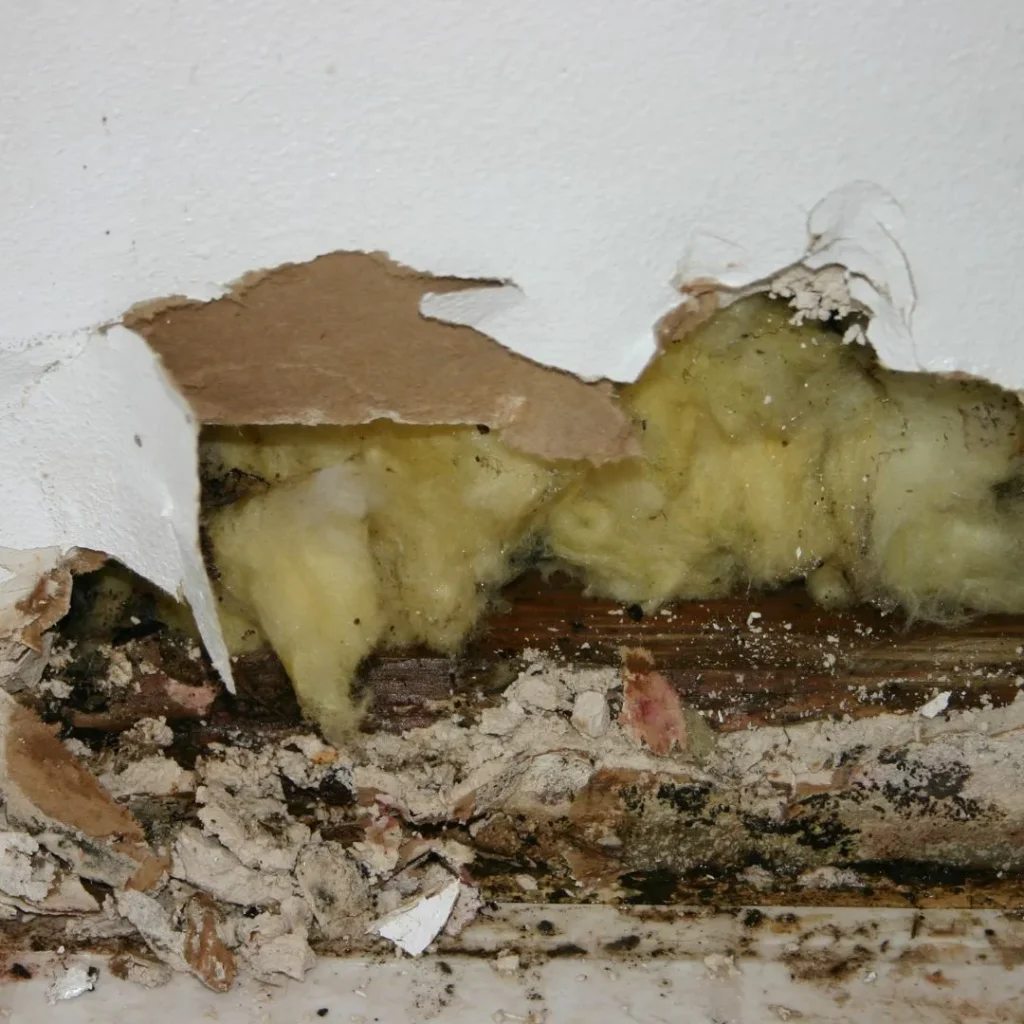
Mold growth on accessible concrete walls and ceilings can often be addressed through appropriate surface cleaning and remediation. The required method depends on the surface condition, coatings, contamination, and access. Contaminated porous materials, such as drywall, insulation, or deteriorated wooden shelving, may require removal. Any moisture source must also be addressed to reduce the likelihood of recurring growth.
What does professional cold room mold remediation include?
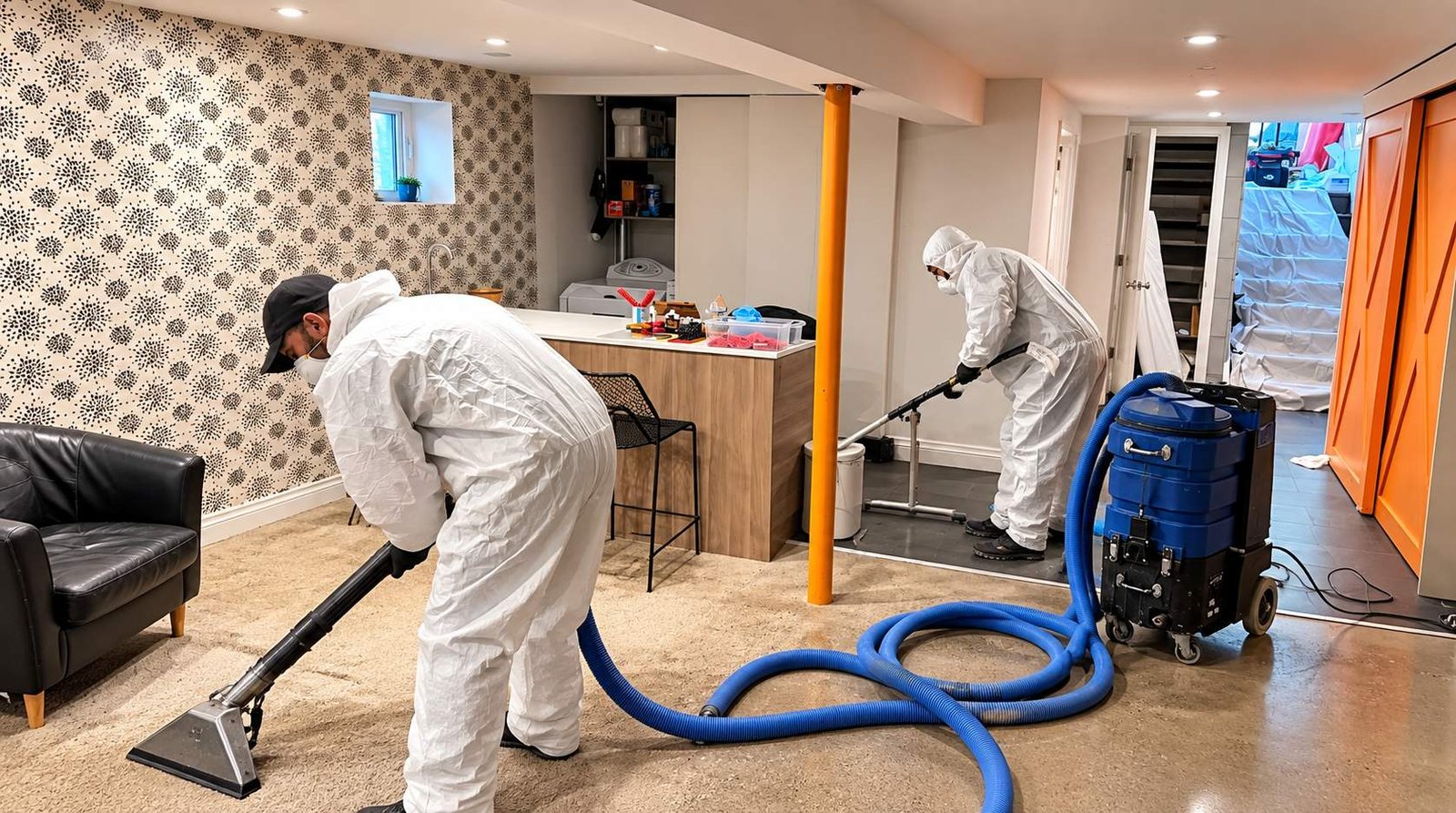
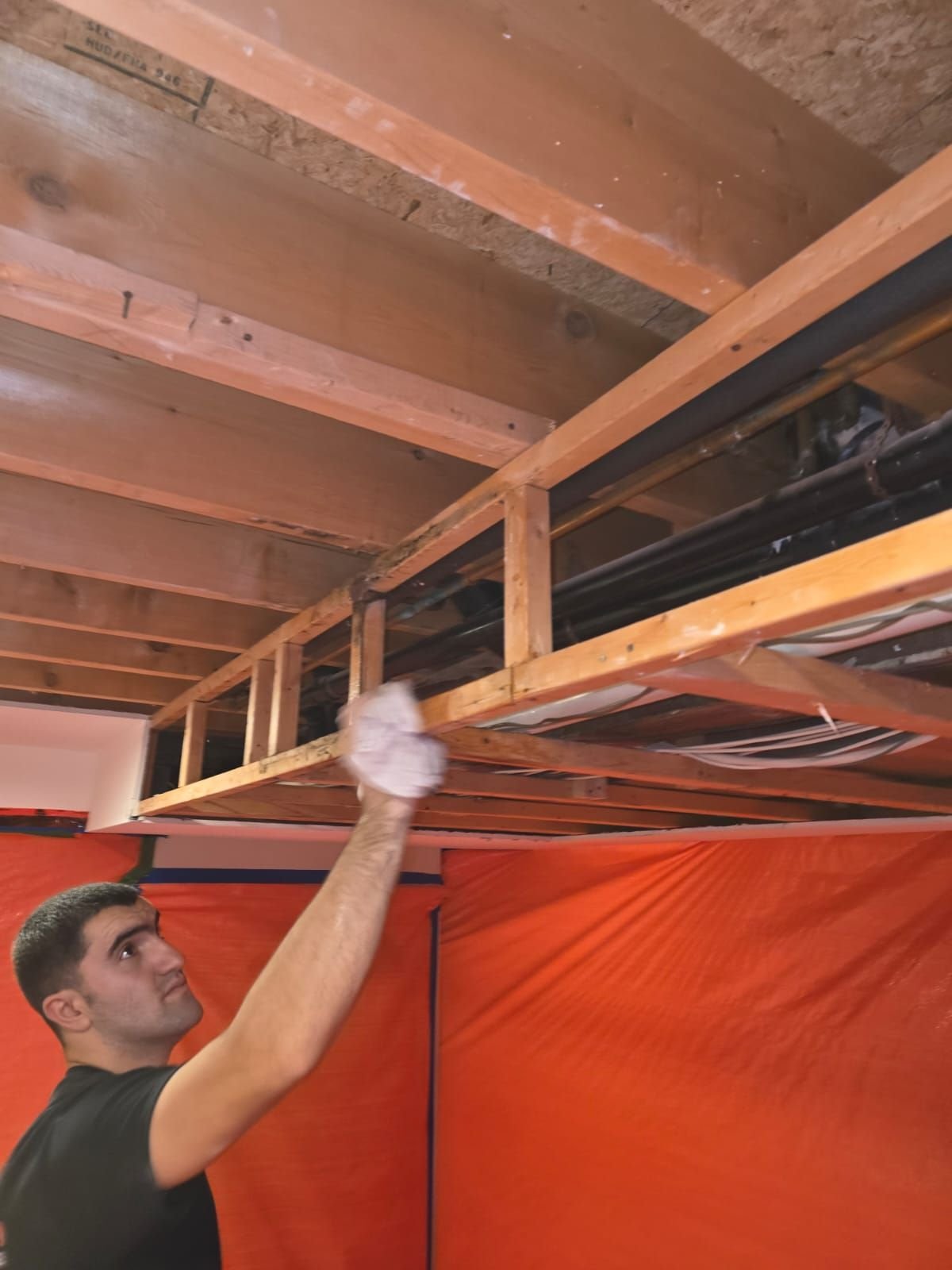
Professional cold room mold remediation begins with an assessment of affected materials and moisture conditions. Depending on the findings, the scope may include containment, HEPA-filtered air filtration, removal of contaminated materials, HEPA vacuuming, detailed surface cleaning, and antimicrobial treatment where appropriate. Drying and moisture-control recommendations are based on the property. CPR24 outlines the included work in a written estimate before remediation begins.
How long does cold room mold removal take?
The timeline depends on the extent of mold growth, access, material removal, and drying requirements. Active removal and cleaning may be completed before drying or air filtration equipment is ready to be removed. CPR24 provides an estimated schedule after inspecting the room. Waterproofing, reconstruction, and separately arranged testing may extend the overall project timeline.
Should cold room vents stay open or closed to prevent mold?
There is no single vent setting that suits every cold room throughout the year. Appropriate ventilation depends on the room’s construction, outdoor conditions, moisture sources, and whether it remains an unheated cold cellar or has been converted into finished space. Before sealing vents, adding insulation, or installing a fan, have the moisture conditions and room design assessed.


Cold Room Mold Removal Questions
Will mold return after cold room mold removal?
Mold can return if the conditions supporting its growth remain. Remediation addresses existing contamination, while lasting prevention also requires control of condensation, leaks, or other moisture sources. Recommendations may involve changes to storage practices, ventilation, drainage, or insulation, depending on the findings. Waterproofing and building repairs should be clearly identified as included work or separately quoted services.
Is air quality testing required for cold room mold removal?
Air quality testing is not automatically required for every cold room with visible mold. An inspection can often identify visible growth and moisture conditions without air sampling. Testing may be appropriate when an assessment, project protocol, or independent clearance requirement calls for it. CPR24 offers air quality testing at $600 + HST, with the sampling scope confirmed before booking.
How It Works
Enter Details
Please provide as much information as possible about your emergency service and answer a few questions. Within minutes, we will be able to provide you with an expert. It’s easy and quick!
Book Assessment
Hire Us
We are the best restoration company in the GTA. We are continually working to improve our processes and remain updated on new techniques and methodologies.
Professional mold removal typically costs between $1,800 and $3,800 for smaller, contained areas, while larger or more extensive remediation projects may range from $4,000 to $10,000 or more. The final cost depends on the size of the affected area, severity of contamination, accessibility, and whether damaged materials require removal. Pricing may include containment, HEPA air filtration, antimicrobial treatment, and disposal. CPR24 Restoration provides professional mold inspections and detailed remediation estimates. Drywall replacement, painting, and reconstruction are generally quoted separately.
Small patches of mold on accessible, washable surfaces can sometimes be cleaned safely with appropriate protective equipment. However, professional mold removal is recommended for extensive contamination, recurring mold growth, sewage-related contamination, or mold affecting drywall, insulation, and concealed areas. Improper removal can spread mold particles and leave contamination behind. CPR24 Restoration follows IICRC S520 remediation practices, using containment barriers, HEPA air filtration, and professional cleaning procedures to help prevent contamination from spreading.
Black mold refers to mold with a dark appearance and does not necessarily identify a particular species. Exposure to indoor mold can cause allergic reactions, respiratory irritation, and worsening asthma symptoms in susceptible individuals. Mold colour alone cannot determine its health risks. Any visible indoor mold should be investigated, especially when it covers a large area or repeatedly returns. Professional mold remediation may be recommended depending on the extent of contamination and affected building materials.
Common signs of hidden mold include persistent musty odours, water stains, peeling paint, warped baseboards, damp drywall, and previous water damage. Mold can develop behind walls, beneath flooring, above ceilings, and inside concealed cavities where moisture remains trapped. CPR24 Restoration uses moisture meters, thermal imaging, and visual inspections to identify suspicious moisture conditions. These tools help locate potential moisture problems but do not directly confirm mold growth. Additional investigation or selective removal of building materials may be necessary to identify concealed contamination.
Professional mold remediation typically takes one to several days, depending on the size of the affected area, contamination levels, and materials requiring removal or treatment. Smaller projects may be completed within one day, while larger projects may require additional time for containment, demolition, cleaning, drying, and verification. HEPA air scrubbers may remain operating after active remediation when appropriate. Drywall replacement, painting, and other reconstruction work are generally scheduled separately
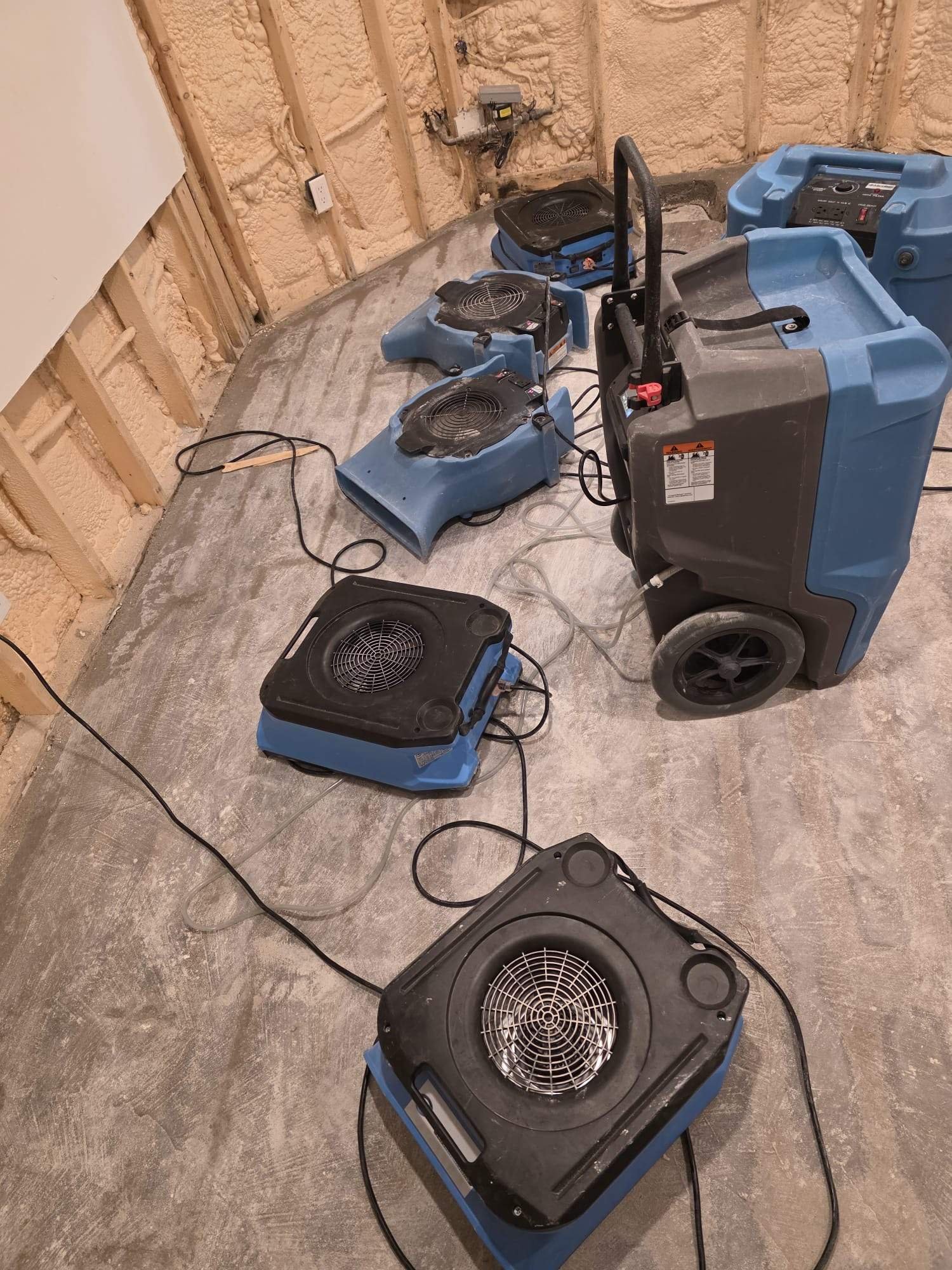
Professional mold remediation typically includes assessing the affected area, installing 6-mil polyethylene containment barriers when required, using HEPA-filtered air scrubbers and negative air pressure where appropriate, removing contaminated materials, HEPA vacuuming, and detailed surface cleaning. CPR24 Restoration follows IICRC S520 practices and uses Benefect antimicrobial treatment when suitable. Moisture assessments, dehumidifiers, and additional drying equipment may also be required. The exact scope depends on the extent of contamination, affected building materials, and property conditions.
Mold-contaminated drywall often requires removal because drywall is a porous material that can absorb moisture and support mold growth beneath its surface. Surface cleaning or antimicrobial spraying alone may not adequately address contamination within the material. When mold affects drywall, insulation, or concealed wall cavities, professional remediation may involve controlled demolition, HEPA vacuuming, detailed cleaning, and appropriate antimicrobial treatment. CPR24 Restoration evaluates affected materials to determine whether cleaning is sufficient or selective removal is necessary. Drywall replacement and reconstruction are quoted separately.
Yes, mold can return after professional remediation if the underlying moisture problem has not been corrected. Common causes include plumbing leaks, roof damage, condensation, high humidity, and inadequate ventilation. Professional mold remediation removes or cleans contaminated materials, but preventing future growth also requires moisture control. Repairing leaks, improving ventilation, maintaining appropriate indoor humidity, and promptly drying water-damaged materials can significantly reduce the likelihood of mold returning.
A professional mold inspection is recommended when the extent, location, or cause of contamination is unclear. However, air quality testing is not always necessary when visible mold is already present. Testing may be useful when there are persistent musty odours without visible growth, concerns about hidden contamination, or a need for independent post-remediation verification. CPR24 Restoration offers mold inspections, moisture assessments, and air quality testing to help evaluate property conditions and determine appropriate remediation recommendations.
Homeowners insurance may cover mold remediation when the contamination results from a sudden and accidental water damage event covered by the policy. Mold caused by long-term leaks, excessive humidity, condensation, or inadequate maintenance is often excluded. Coverage depends on the insurance provider, policy wording, and cause of damage. CPR24 Restoration assists homeowners with inspection reports, photographs, remediation estimates, and supporting documentation for insurance claims. Homeowners should confirm their specific coverage with their insurance provider.
CPR24 Restoration has office locations in North York, Richmond Hill, Vaughan, Aurora, Etobicoke, Mississauga, and Oakville. Our team provides on-site mold inspections and professional mold removal across Toronto and the GTA, including Scarborough, Woodbridge, Maple, Markham, Stouffville, Newmarket, King City, Bradford, Bolton, Caledon, Brampton, Burlington, Milton, Pickering, Ajax, Whitby, Oshawa, and Uxbridge. Services include attic, basement, bathroom, and other residential and commercial mold remediation. Call 416-551-8287 to confirm availability and arrange an assessment at your property.
24/7 Cold Room Mold Removal Service
Contact Us Today





Why Choose Us

Appointments

Fast Service

Experience

Certified Mold Removal & Remediation Company

Workmanship

Approved Pricing
Contact Us Now
Featured CPR24 Restoration Projects
At CPR24 Restoration, we take pride in delivering high-quality restoration services that help homeowners and businesses recover from disasters. Our featured projects showcase real-life examples of water damage restoration, mold removal, fire damage recovery, and more. Each project highlights our expertise, rapid response, and commitment to restoring properties efficiently and safely. From minor repairs to full-scale restorations, we ensure every job is completed with precision and care.




What Our Clients Are Saying


 Trustindex verifies that the original source of the review is Google.
 Trustindex verifies that the original source of the review is Google.
 Trustindex verifies that the original source of the review is Google.
 Trustindex verifies that the original source of the review is Google.
 Trustindex verifies that the original source of the review is Google.
 Trustindex verifies that the original source of the review is Google.
 Trustindex verifies that the original source of the review is Google.
 Trustindex verifies that the original source of the review is Google.
 Trustindex verifies that the original source of the review is Google.
 Trustindex verifies that the original source of the review is Google.
Related Blog Posts
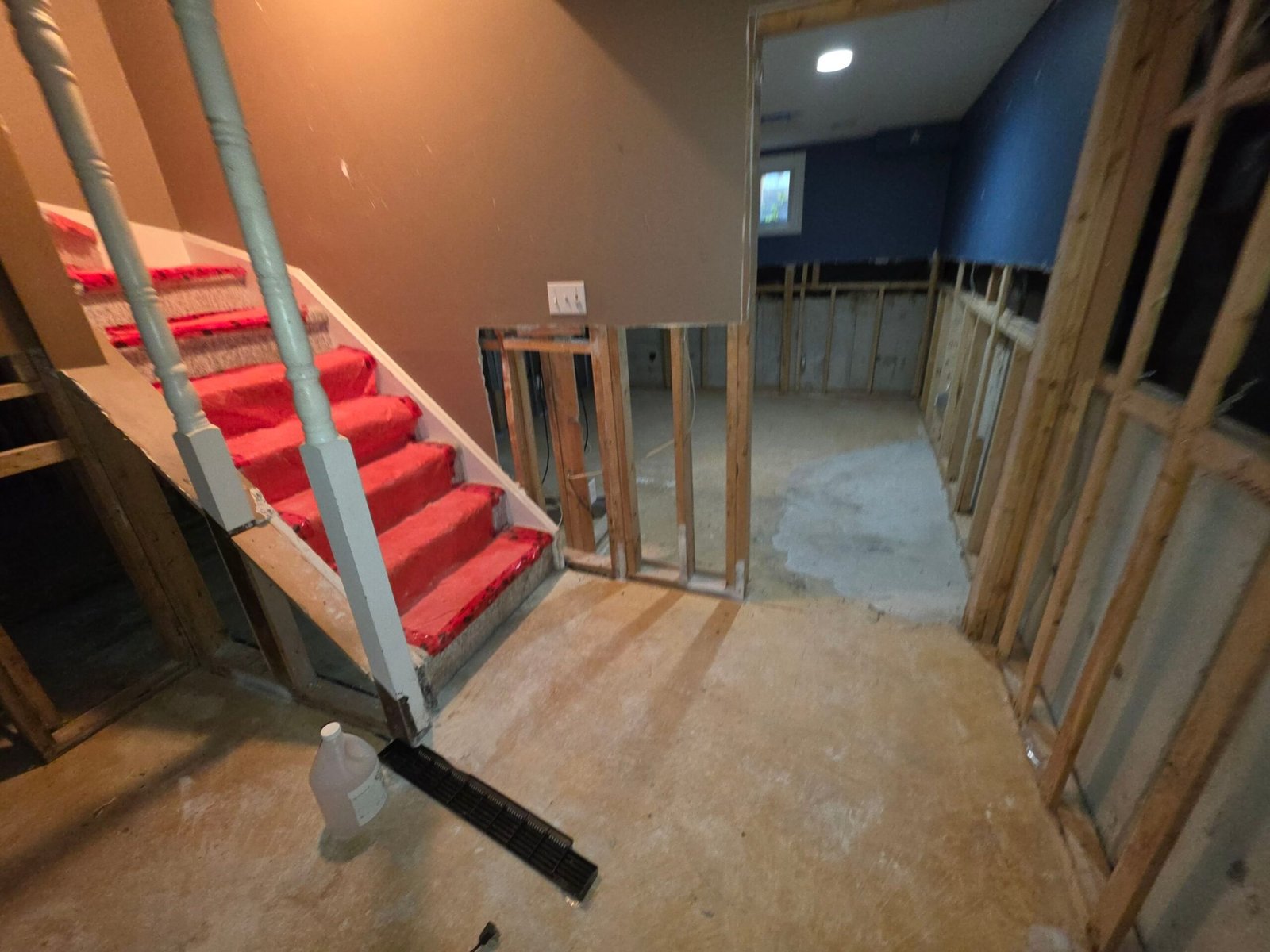
A flooded Toronto home calls for three priorities: stay out of electrical danger, report the flooding, and arrange safe cleanup. Once the immediate risk is controlled, documenting the damage and identifying how water entered will help guide your insurance claim and repairs. This article explains what to do first, what
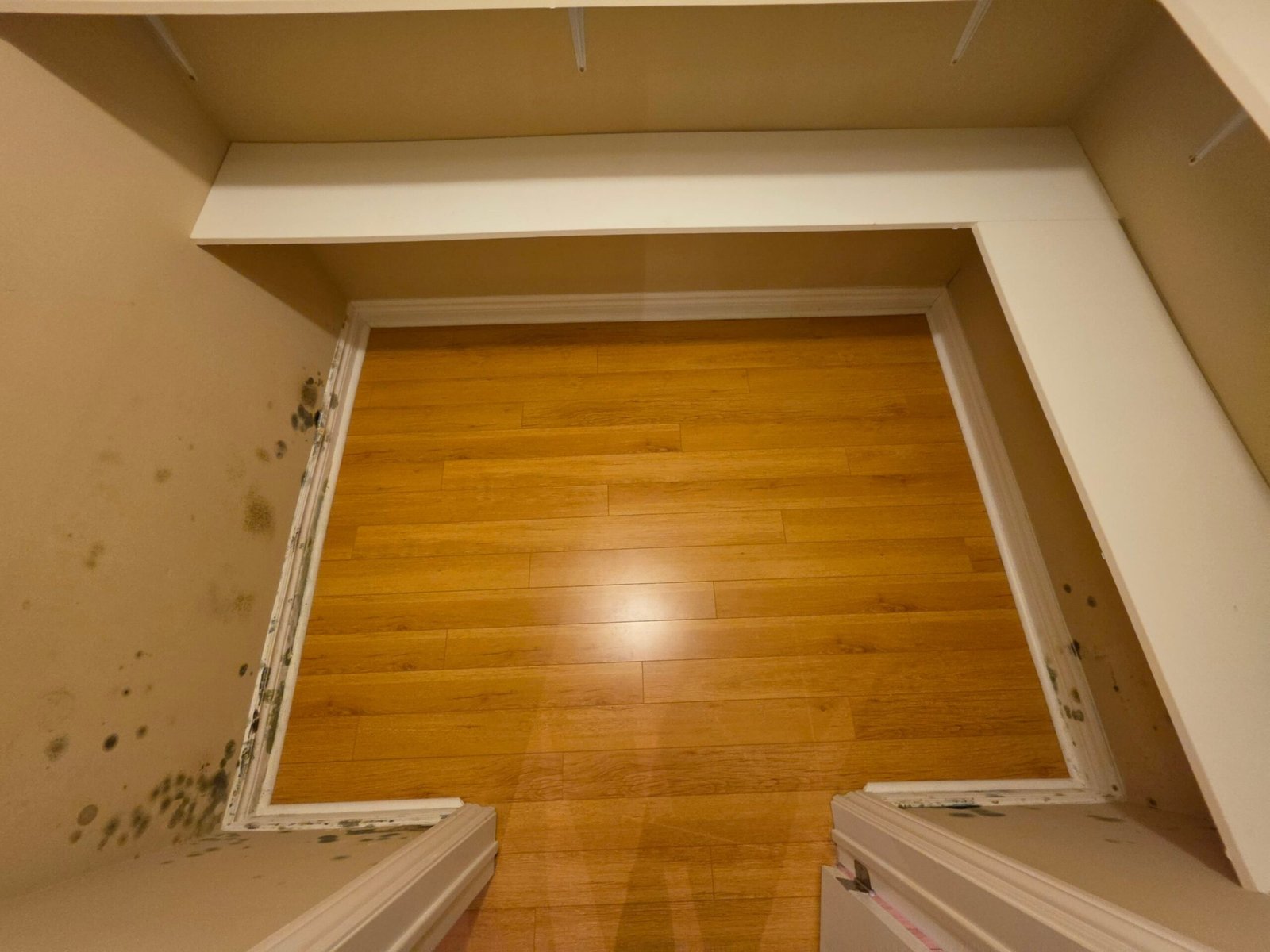
Professional mold removal addresses contaminated materials and the moisture conditions that allow mold to grow. For Midtown Toronto homeowners, tenants, and property managers, the priority is a clear assessment followed by appropriate cleanup—not simply covering stains. This article explains when to seek help, what to ask contractors, and how to
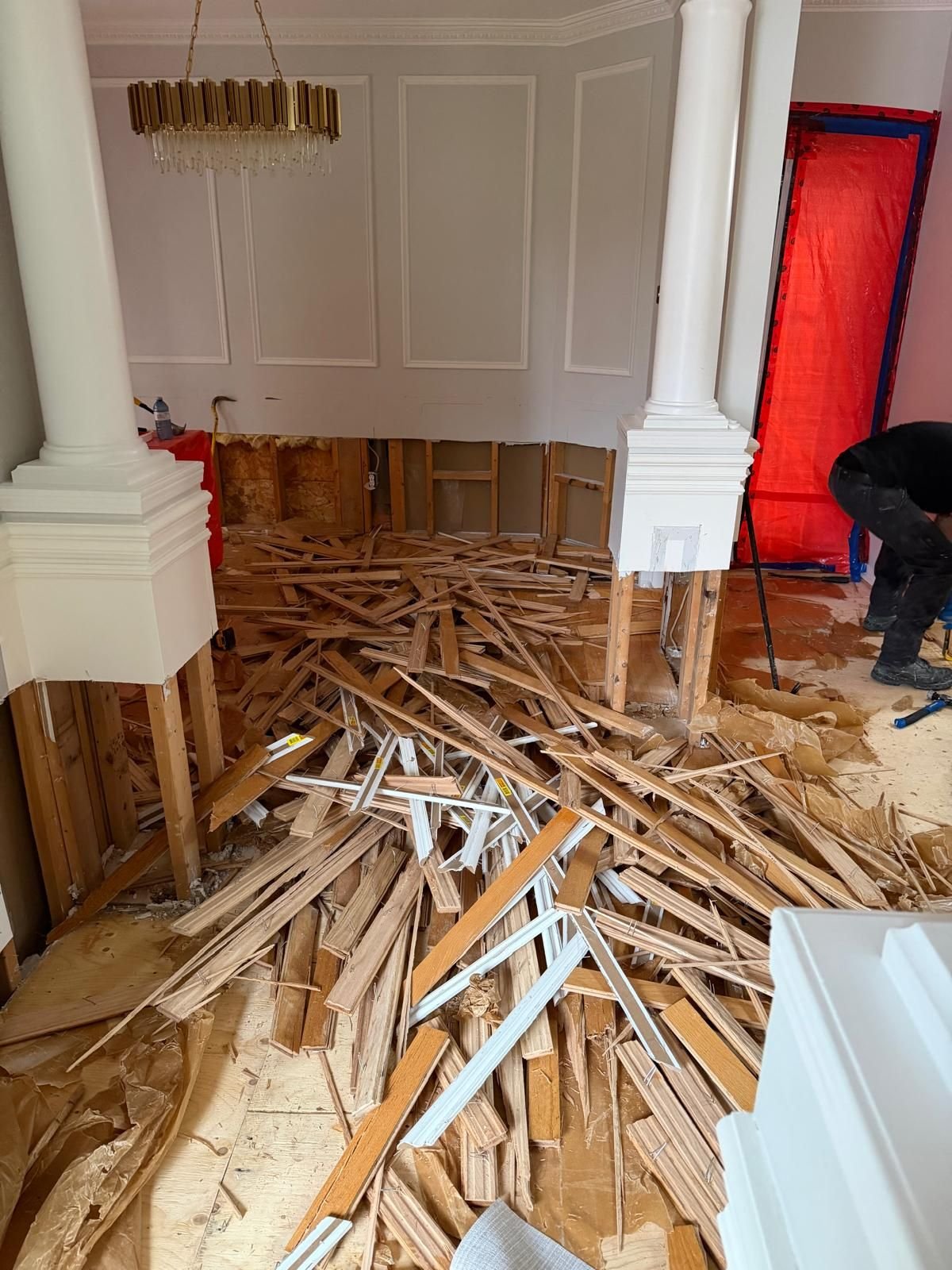
Published: November 2026 Basement flooding in Toronto is a growing concern for many homeowners. Heavy rain in Toronto can cause serious problems for homeowners. This is worse when stormwater overwhelms drains. It can also happen when sump pumps fail. Water may also enter through foundation cracks. Even minor basement flooding
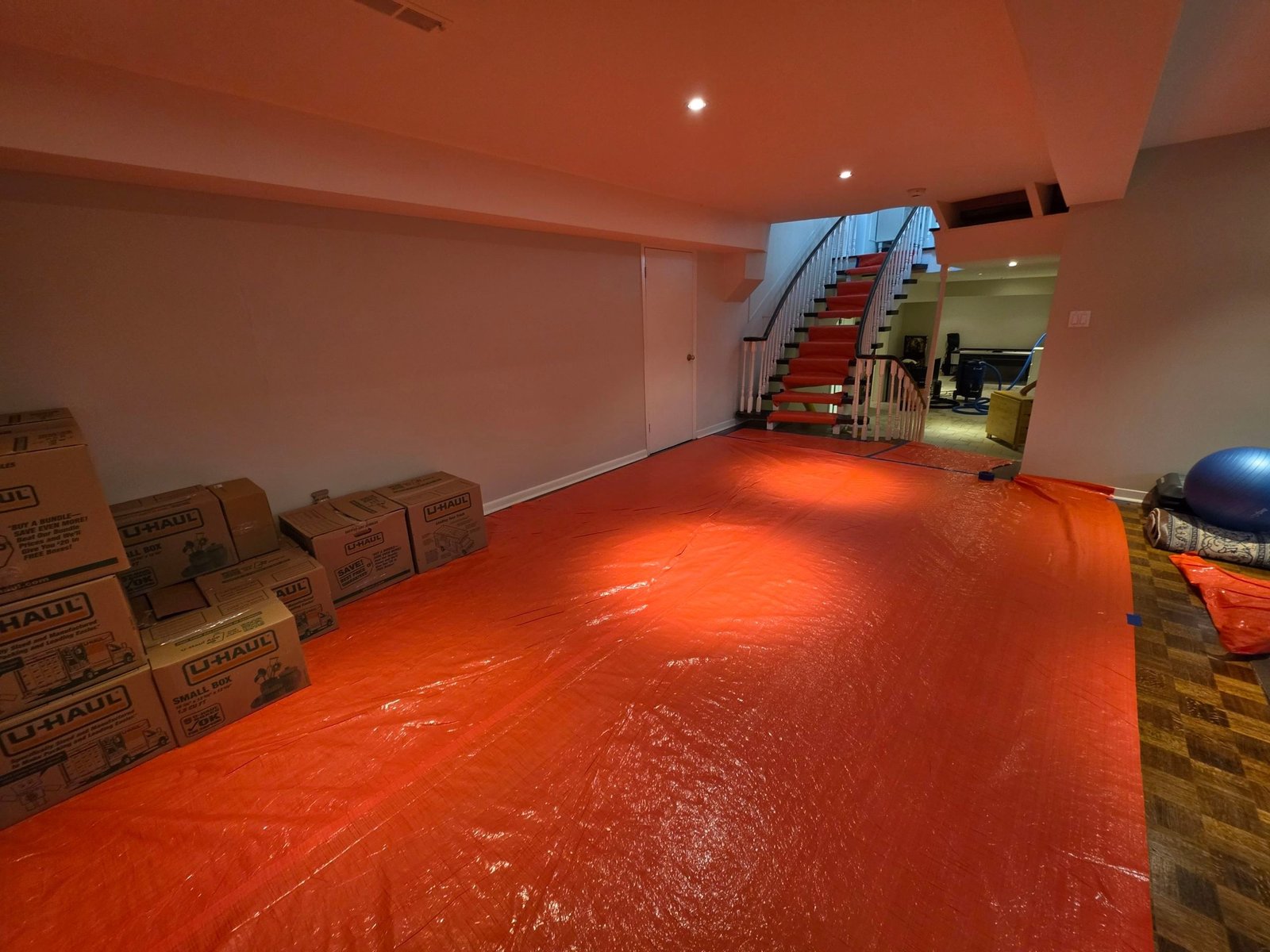
Basement flooding can turn a familiar storage space into a dangerous emergency within minutes. We understand the urge to rush in and save your belongings, but standing water can conceal electrical, gas, sewage, and structural hazards. If your basement is flooding, first protect people and pets. Identify the source only
Water damage services in downtown Toronto address unwanted water, wet building materials, and the moisture problems left behind after leaks or flooding. Effective recovery involves more than removing puddles: affected materials need assessment, drying, cleaning, and sometimes replacement. When it comes to water damage restoration downtown Toronto, it’s important to
Mold removal becomes urgent when a musty smell fills a room. That odour traces back to wet basement foundation walls 99% of the time. Downtown Toronto’s crowded buildings and concrete surfaces put pressure on city sewers, forcing moisture into condos and older homes. We have seen this hidden growth become