

Mold Removal Hamilton
CPR24 Restoration provides professional mold removal and mold remediation in Hamilton for residential and commercial properties. Our IICRC-certified restoration team assesses mold growth, moisture conditions, and affected building materials to determine the appropriate remediation approach for each property.
Mold commonly develops in areas affected by water damage, plumbing leaks, basement moisture, roof leaks, condensation, high humidity, or inadequate ventilation. It may be visible on surfaces or concealed behind drywall, underneath flooring, inside wall and ceiling cavities, or in other areas where excess moisture is present.
Depending on the conditions found, our mold remediation process may include containment, HEPA air filtration, negative pressure, removal of affected materials, HEPA vacuuming, antimicrobial treatment, detailed cleaning, and moisture control recommendations. Moisture meters and thermal imaging may also be used during the assessment to help identify areas requiring further investigation.
We provide mold remediation for basements, attics, bathrooms, kitchens, bedrooms, cold rooms, crawl spaces, drywall, ceilings, and other affected areas throughout Hamilton.
For mold concerns following a flood, plumbing leak, or other water loss, learn more about our Water Damage Restoration Hamilton services.


Our Mold Remediation Process in Hamilton
CPR24 Restoration follows a structured mold remediation process in Hamilton based on the extent of mold growth, affected building materials, and underlying moisture conditions. Each project can require a different approach, but remediation typically includes the following steps:
1. Mold Inspection & Moisture Assessment
The process begins with an assessment of the affected areas. Our team looks for visible mold, water damage, and conditions that may be contributing to mold growth. Moisture meters and thermal imaging may be used where appropriate to help identify moisture in walls, ceilings, flooring, and other building materials.
2. Containment of Affected Areas
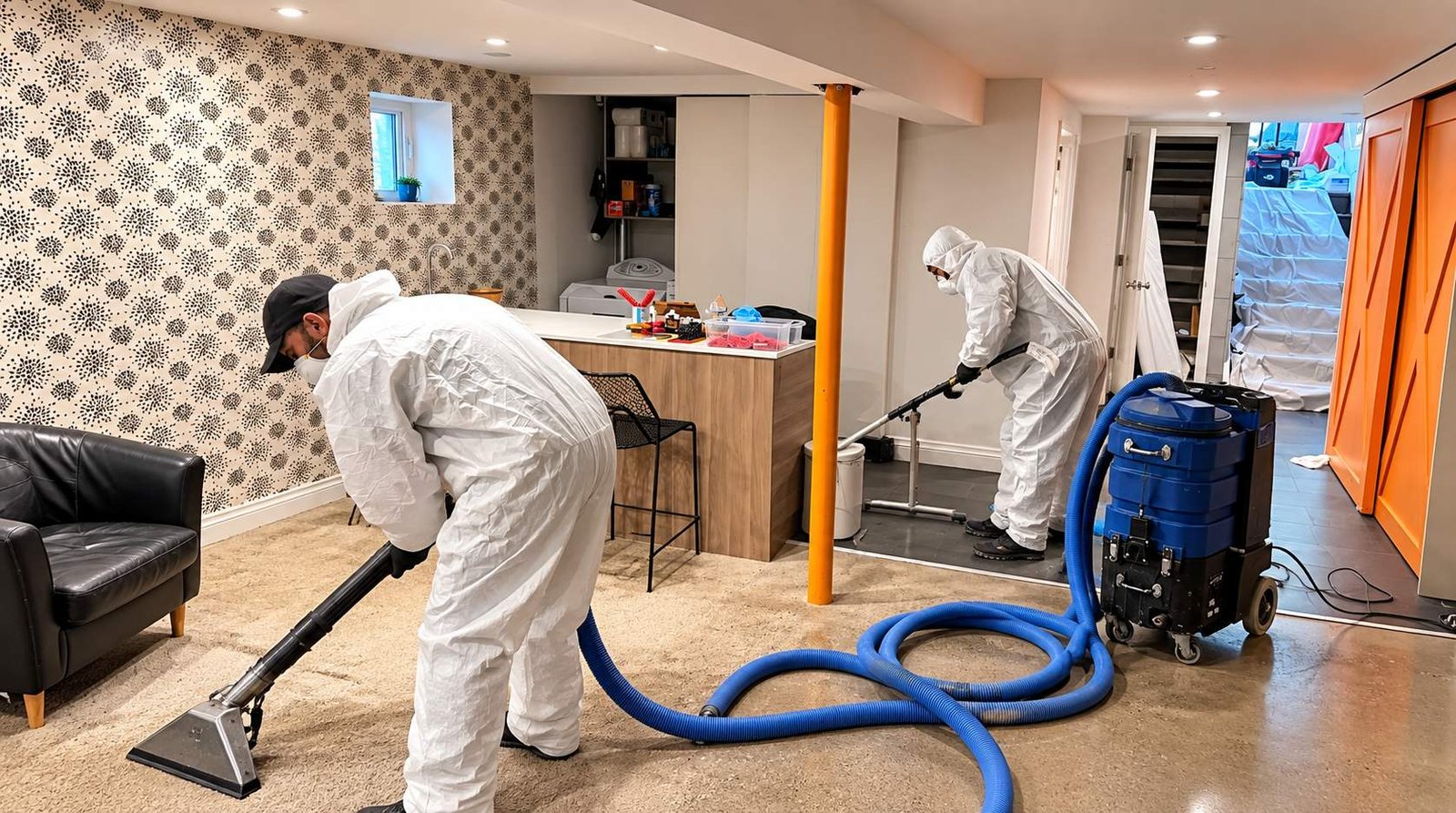
Containment may be installed to separate the work area from unaffected portions of the property. Depending on the scope of the project, this can include polyethylene sheeting, controlled access to the work area, HEPA air filtration, and negative air pressure.
3. Removal of Mold-Affected Materials
Porous materials such as drywall, insulation, baseboards, or other building materials may require removal when they are significantly affected and cannot be effectively cleaned. Materials are removed using appropriate remediation procedures and disposed of as required.
4. HEPA Cleaning & Antimicrobial Treatment
Remaining surfaces can be HEPA vacuumed and thoroughly cleaned to remove residual dust and particles. An antimicrobial treatment may also be applied to appropriate affected surfaces as part of the remediation process.
5. Air Filtration & Moisture Control
Professional HEPA air scrubbers may be operated within the contained work area during remediation. Where excess moisture is present, drying and dehumidification equipment may also be used based on site conditions.
6. Final Assessment & Reconstruction
After remediation is completed, the affected area can be reviewed and recommendations provided for addressing leaks, humidity, ventilation, or other moisture conditions that contributed to the mold growth. If building materials were removed, CPR24 Restoration can also provide reconstruction services for the affected areas.
For more information about our remediation procedures, visit our Mold Remediation Services page.
Common Causes of Mold Growth in Hamilton Properties
Mold growth is typically associated with excess moisture and damp building materials. Identifying and correcting the moisture source is an important part of reducing the likelihood of recurring mold problems.
Common moisture problems found in Hamilton homes and commercial properties include:
Water Damage & Flooding: Plumbing leaks, burst pipes, roof leaks, basement flooding, and other water losses can leave drywall, insulation, flooring, and other materials damp if they are not properly dried.
Basement Moisture: Foundation seepage, drainage problems, sump pump issues, condensation, and elevated humidity can create persistent moisture conditions in basements and cold rooms.
Roof & Attic Moisture: Roof leaks, condensation, insufficient ventilation, and insulation problems can contribute to moisture accumulation and mold growth in attics.
Plumbing Leaks: Slow leaks behind walls, underneath sinks, around bathrooms, or beneath flooring may remain unnoticed while moisture affects surrounding building materials.
High Indoor Humidity: Elevated humidity can contribute to condensation and damp conditions, particularly in basements, bathrooms, kitchens, laundry rooms, and other moisture-prone areas.
Poor Ventilation & Condensation: Inadequate airflow in bathrooms, attics, kitchens, and other areas can allow moisture to accumulate on windows, walls, ceilings, and other surfaces.
Addressing the underlying moisture condition is an important part of a successful mold remediation project. During our assessment, CPR24 Restoration can identify visible mold and moisture conditions and recommend an appropriate scope of work based on the areas affected.
For mold caused by flooding, leaks, or another recent water loss, visit our Water Damage Restoration Hamilton page.

Signs You May Need Mold Removal in Hamilton
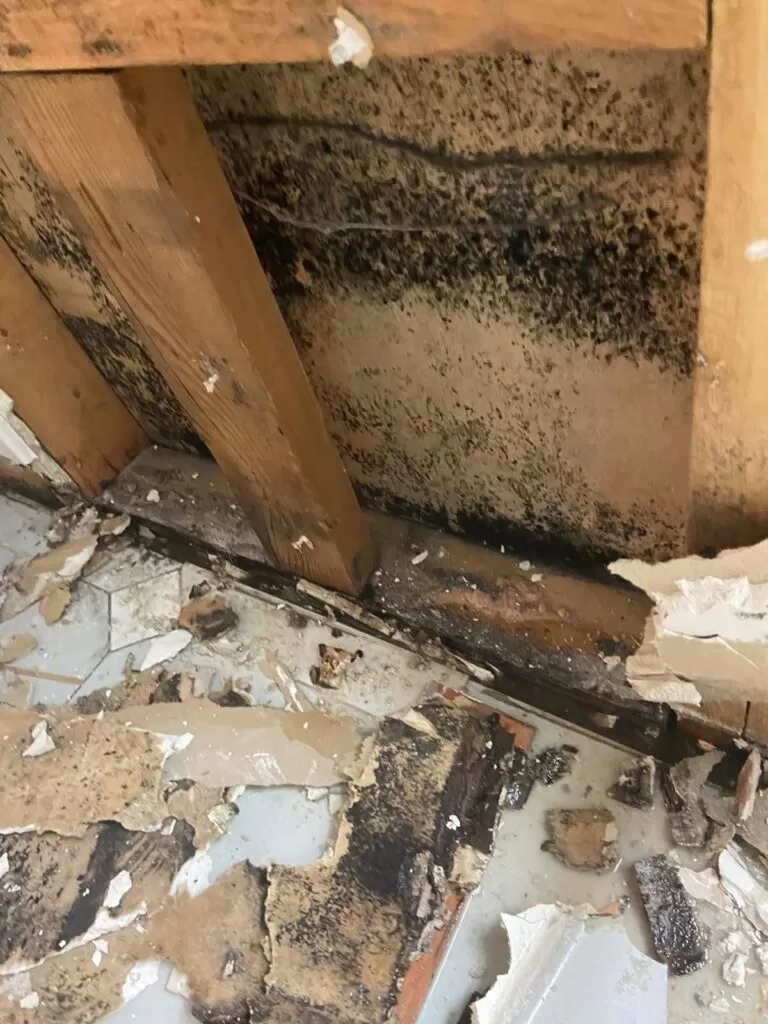
Mold is not always immediately visible. It can develop behind drywall, underneath flooring, around windows, inside wall or ceiling cavities, and in other areas affected by excess moisture.
Common signs that may indicate a mold or moisture problem include:
- Visible Mold Growth: Spots, staining, or unusual discolouration appearing on walls, ceilings, drywall, wood, or other surfaces.
- Persistent Musty Odours: An ongoing musty or earthy smell may indicate moisture or mold growth in an area that requires further investigation.
- Water Damage: Previous flooding, plumbing leaks, roof leaks, sewer backups, or other water intrusion can create conditions that support mold growth.
- Peeling or Bubbling Paint: Changes to painted surfaces or drywall can sometimes indicate moisture behind the material.
- Warped Flooring or Building Materials: Swelling, warping, or deterioration can indicate an underlying moisture problem.
- Condensation or High Humidity: Persistent condensation and elevated humidity can contribute to damp conditions, particularly in basements, bathrooms, kitchens, and attics.
If you notice visible mold, persistent moisture, or signs of previous water damage, a professional assessment can help determine the extent of the affected area and the appropriate next steps.
For more information about inspections, visit our Mold Inspection & Testing page.
Why Choose CPR24 Restoration for Mold Remediation in Hamilton?
CPR24 Restoration provides professional mold removal and mold remediation in Hamilton for residential and commercial properties. Our remediation approach is based on the conditions found at the property, the materials affected, and the source of the underlying moisture.
IICRC-Certified Restoration Professionals
Our restoration team follows professional remediation procedures for containment, removal of affected materials, HEPA cleaning, air filtration, and moisture control.
Professional Mold Remediation Equipment
Depending on the scope of work, our team may use HEPA air scrubbers, HEPA vacuums, negative-air equipment, moisture meters, thermal imaging, dehumidifiers, and other professional restoration equipment.
Residential & Commercial Mold Remediation
We provide mold remediation for houses, condominiums, rental properties, offices, commercial buildings, and other properties throughout Hamilton.
Detailed Inspections & Documentation
Our team can assess visible mold and moisture conditions, document affected areas, and provide a recommended scope of work based on the findings.
Mold Removal & Reconstruction
When affected drywall, insulation, flooring, baseboards, or other building materials require removal, CPR24 Restoration can also provide the necessary reconstruction and finishing work after remediation.
Moisture-Source Recommendations
Addressing the conditions contributing to mold growth is an important part of the remediation process. Depending on the findings, recommendations may include correcting leaks, improving ventilation, controlling humidity, or addressing other sources of excess moisture.
Mold Removal Across Hamilton
CPR24 Restoration provides mold remediation services throughout Hamilton and surrounding communities, including:
Downtown Hamilton, Hamilton Mountain, Ancaster, Stoney Creek, Dundas, Waterdown, Binbrook, Mount Hope, Westdale, Ainslie Wood, Kirkendall, Corktown, Durand, Gage Park, Rosedale, Red Hill, Bartonville, Central Mountain, and the North End.
Whether you are dealing with basement mold in Hamilton Mountain, attic mold in Ancaster, moisture-related mold in Stoney Creek, or visible mold at a commercial property in Downtown Hamilton, our team can inspect the affected area and recommend an appropriate remediation approach.
For professional mold removal in Hamilton, call CPR24 Restoration at (416) 551-8287.
How Mold Removal Works in Hamilton
Get the mold services you need from the leading IICRC-Certified experts at CPR24 Restoration.
Enter Details
Please provide as much information as possible about your emergency service and answer a few questions. Within minutes, we will be able to provide you with an expert. It’s easy and quick!
Book Assessment
Hire Us
We are the best restoration company in the GTA. We are continually working to improve our processes and remain updated on new techniques and methodologies.
Stay Informed with Our
Expert Tips and Insights
At CPR24 Restoration, we understand the importance of being prepared for emergencies. Our blog is filled with valuable information on mold control, and much more. By staying updated with our articles, you can ensure that you’re equipped with the knowledge to handle unexpected situations effectively.

Professional mold removal typically costs between $1,800 and $3,800 for smaller, contained areas, while larger or more extensive remediation projects may range from $4,000 to $10,000 or more. The final cost depends on the size of the affected area, severity of contamination, accessibility, and whether damaged materials require removal. Pricing may include containment, HEPA air filtration, antimicrobial treatment, and disposal. CPR24 Restoration provides professional mold inspections and detailed remediation estimates. Drywall replacement, painting, and reconstruction are generally quoted separately.
Small patches of mold on accessible, washable surfaces can sometimes be cleaned safely with appropriate protective equipment. However, professional mold removal is recommended for extensive contamination, recurring mold growth, sewage-related contamination, or mold affecting drywall, insulation, and concealed areas. Improper removal can spread mold particles and leave contamination behind. CPR24 Restoration follows IICRC S520 remediation practices, using containment barriers, HEPA air filtration, and professional cleaning procedures to help prevent contamination from spreading.
Black mold refers to mold with a dark appearance and does not necessarily identify a particular species. Exposure to indoor mold can cause allergic reactions, respiratory irritation, and worsening asthma symptoms in susceptible individuals. Mold colour alone cannot determine its health risks. Any visible indoor mold should be investigated, especially when it covers a large area or repeatedly returns. Professional mold remediation may be recommended depending on the extent of contamination and affected building materials.
Common signs of hidden mold include persistent musty odours, water stains, peeling paint, warped baseboards, damp drywall, and previous water damage. Mold can develop behind walls, beneath flooring, above ceilings, and inside concealed cavities where moisture remains trapped. CPR24 Restoration uses moisture meters, thermal imaging, and visual inspections to identify suspicious moisture conditions. These tools help locate potential moisture problems but do not directly confirm mold growth. Additional investigation or selective removal of building materials may be necessary to identify concealed contamination.
Professional mold remediation typically takes one to several days, depending on the size of the affected area, contamination levels, and materials requiring removal or treatment. Smaller projects may be completed within one day, while larger projects may require additional time for containment, demolition, cleaning, drying, and verification. HEPA air scrubbers may remain operating after active remediation when appropriate. Drywall replacement, painting, and other reconstruction work are generally scheduled separately
Professional mold remediation typically includes assessing the affected area, installing 6-mil polyethylene containment barriers when required, using HEPA-filtered air scrubbers and negative air pressure where appropriate, removing contaminated materials, HEPA vacuuming, and detailed surface cleaning. CPR24 Restoration follows IICRC S520 practices and uses Benefect antimicrobial treatment when suitable. Moisture assessments, dehumidifiers, and additional drying equipment may also be required. The exact scope depends on the extent of contamination, affected building materials, and property conditions.
Mold-contaminated drywall often requires removal because drywall is a porous material that can absorb moisture and support mold growth beneath its surface. Surface cleaning or antimicrobial spraying alone may not adequately address contamination within the material. When mold affects drywall, insulation, or concealed wall cavities, professional remediation may involve controlled demolition, HEPA vacuuming, detailed cleaning, and appropriate antimicrobial treatment. CPR24 Restoration evaluates affected materials to determine whether cleaning is sufficient or selective removal is necessary. Drywall replacement and reconstruction are quoted separately.
Yes, mold can return after professional remediation if the underlying moisture problem has not been corrected. Common causes include plumbing leaks, roof damage, condensation, high humidity, and inadequate ventilation. Professional mold remediation removes or cleans contaminated materials, but preventing future growth also requires moisture control. Repairing leaks, improving ventilation, maintaining appropriate indoor humidity, and promptly drying water-damaged materials can significantly reduce the likelihood of mold returning.
A professional mold inspection is recommended when the extent, location, or cause of contamination is unclear. However, air quality testing is not always necessary when visible mold is already present. Testing may be useful when there are persistent musty odours without visible growth, concerns about hidden contamination, or a need for independent post-remediation verification. CPR24 Restoration offers mold inspections, moisture assessments, and air quality testing to help evaluate property conditions and determine appropriate remediation recommendations.
Homeowners insurance may cover mold remediation when the contamination results from a sudden and accidental water damage event covered by the policy. Mold caused by long-term leaks, excessive humidity, condensation, or inadequate maintenance is often excluded. Coverage depends on the insurance provider, policy wording, and cause of damage. CPR24 Restoration assists homeowners with inspection reports, photographs, remediation estimates, and supporting documentation for insurance claims. Homeowners should confirm their specific coverage with their insurance provider.
CPR24 Restoration has office locations in North York, Richmond Hill, Vaughan, Aurora, Etobicoke, Mississauga, and Oakville. Our team provides on-site mold inspections and professional mold removal across Toronto and the GTA, including Scarborough, Woodbridge, Maple, Markham, Stouffville, Newmarket, King City, Bradford, Bolton, Caledon, Brampton, Burlington, Milton, Pickering, Ajax, Whitby, Oshawa, and Uxbridge. Services include attic, basement, bathroom, and other residential and commercial mold remediation. Call 416-551-8287 to confirm availability and arrange an assessment at your property.
24/7 Mold Removal
Contact Us Today


We Partner With All Insurance Companies


Why Choose Us

Appointments

Fast Service

Experience

Certified Mold Removal & Remediation Company

Workmanship

Approved Pricing
Serving the Greater Toronto Area
Featured Mold Removal Projects in Hamilton
At CPR24 Restoration, we take pride in delivering high-quality restoration services that help homeowners and businesses recover from disasters. Our featured projects showcase real-life examples of mold removal and more. Each project highlights our expertise, rapid response, and commitment to restoring properties efficiently and safely. From minor repairs to full-scale restorations, we ensure every job is completed with precision and care.



What Our Clients Are Saying


 Trustindex verifies that the original source of the review is Google.
 Trustindex verifies that the original source of the review is Google.
 Trustindex verifies that the original source of the review is Google.
 Trustindex verifies that the original source of the review is Google.
 Trustindex verifies that the original source of the review is Google.
 Trustindex verifies that the original source of the review is Google.
 Trustindex verifies that the original source of the review is Google.
 Trustindex verifies that the original source of the review is Google.
 Trustindex verifies that the original source of the review is Google.
 Trustindex verifies that the original source of the review is Google.
Related Mold Removal Blog Posts for Hamilton
Mold removal can cause significant harm to your property and belongings. At CPR24 Restoration, we specialize in professional mold damage services to help you recover quickly and efficiently. Our expert team is available 24/7 to assess the damage and restore your property to its original condition.

Why Are Basements in Mississauga So Prone to Mold? Mold in basements is a common issue for homeowners in Mississauga because of the city’s unique climate. During the year, the city near Lake Ontario has a lot of humidity, especially in the hot summer months. Seasonal temperature changes in the

Mold in houses and buildings is a common yet dangerous problem that needs to be addressed right away. Property owners frequently come across two words when dealing with a mold problem: mold remediation and mold removal. Mold removal refers to the technique of physically removing visible mold development from surfaces.

As the weather in Toronto gets colder, homeowners should prepare their homes for winter. With temperatures dropping and snowstorms covering the country, winter in Ontario can be severe. You can lower energy costs and avoid costly repairs by winterizing your home for water damage in Toronto. This will also make


