Author name: CPR24 Restoration

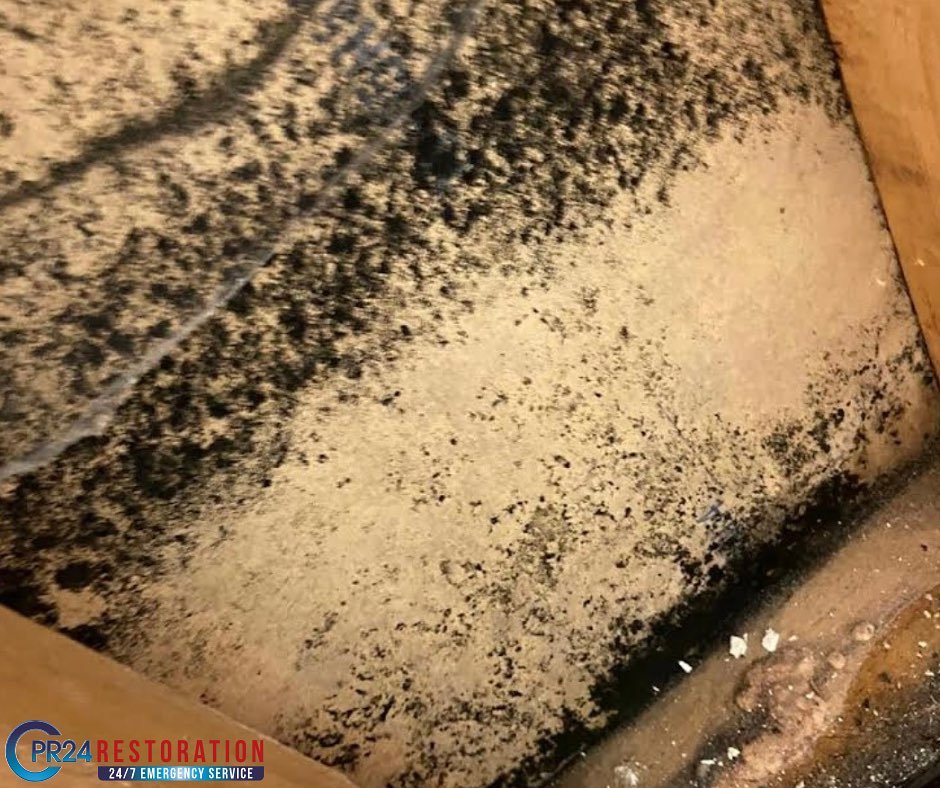
white mold in attic.
Uncategorised

Is it Safe to Remove Mold Myself in Toronto?

Mold is a common problem in many homes. This is especially true in places like Toronto, where humidity is high and it rains often. Homeowners often face the dilemma of whether to tackle mold removal themselves or to seek professional assistance. The DIY approach may seem attractive, but it is important to know the risks and challenges of mold removal. Get Rid of Mold in Toronto Small to medium-sized mould infestations may usually be removed on your own. If you have a lot of mold growth, you should hire professional assistance. A patch is small if there are one to three patches. Each patch must be less than one square meter (10 square feet) in size. The size is medium if there are more than three patches. Also, a medium-sized patch exists if each patch is larger than one square meter but smaller than three square meters (32 square feet). If the patch exceeds three square meters, we consider it large. Small-Sized Mold: When is DIY Mold Removal Okay? Wear a disposable N95 mask, safety glasses or goggles, and disposable gloves at home if the surface is dirty. To stop dust and mold from spreading, you can tape plastic sheeting to the walls and ceiling. This will create an enclosed space. Before and after cleaning, use a HEPA vacuum to clean the area. Use dish soap and water to clean the mold. Using bleach is not necessary. To avoid getting the drywall wet, use a moist cloth when cleaning it. Susceptible people should avoid the room or vicinity where someone removes the mould. Large Mold Infestation: When is it Time to Hire A Mold Removal Specialist? Take care to safeguard your health if the impacted area is large. If there is a lot of mold or it keeps coming back after cleaning, you should think about calling a professional to remove it. A lot of mould often comes from a bigger problem, like a foundation leak or a major flood. This may need expert help to fix. To stop more mould from forming after cleanup, fix the main problem. This could be water damage, too much humidity, or poor ventilation. Understanding Mold and Its Risks Mold is a type of fungus that thrives in damp environments. It can appear in various colours, including black, green, and white, and often have a musty odour. Mold is a natural part of the environment. However, having it indoors can cause serious health effects, especially for sensitive people. Health Issues Related to Mold Exposure Mold exposure can result in a range of health issues, including: Understanding these health risks is important when thinking about mold removal in Toronto. If not handled properly, the problem can get worse and lead to more exposure. Common Areas for Mold Growth in Toronto Mold tends to flourish in areas with high moisture levels. Common locations include: Identifying these areas in your home is the first step in addressing potential mold issues. The DIY Approach to Mold Removal in Toronto Many homeowners consider removing mold themselves to save money and time. However, this approach comes with its own set of challenges and risks. When Is DIY Mold Removal Possible? In cases of small mold problems, usually less than 10 square feet, homeowners might feel okay fixing it themselves. You can often clean surface mold on non-porous materials like tiles or glass with the right cleaning solutions. However, it is crucial to assess the extent of the problem before proceeding. Essential Precautions for DIY Removal If you decide to tackle mold removal on your own, take the following precautions: By taking these precautions, you can reduce the risk of health complications during the cleanup process. The Risks of DIY Mold Removal in Toronto While it may seem straightforward, DIY mold removal can lead to several significant risks. Missed Mold Growth One of the most common pitfalls of DIY mold remediation is the potential for missed spots. Mold often grows in hidden areas, such as behind walls or under carpets. If you do not properly address these areas, the mold can quickly return, leading to a more extensive infestation. Health Risks from Exposure Without professional-grade equipment, homeowners may expose themselves to harmful mold spores and mycotoxins. This exposure can lead to health problems. This is especially true for vulnerable groups. These groups include children, the elderly, and people with existing health issues. Ineffective Cleaning Many homeowners mistakenly believe that store-bought cleaners or homemade solutions can effectively eliminate mold. However, these products may not penetrate porous surfaces where mold can hide. As a result, the mold can resurface even after cleaning, leading to frustration and potential health risks. When to Call a Professional While minor mold issues may be manageable for some homeowners, there are situations where professional intervention is necessary. Extensive Infestations If you find mold covering more than 10 square feet or in hard-to-reach places, it is best to get professional help. Experts have the training and equipment to assess the extent of the infestation and develop a comprehensive remediation plan. Mold from Contaminated Water If the mold growth is because of water damage from a sewage backup or flood, it poses a significant health risk. Professionals equip themselves to handle contaminated materials safely and ensure that they thoroughly disinfect the area. Recurring Mold Problems If you have removed mold before but it keeps coming back, there may be a bigger problem to fix. Professionals can identify the source of moisture and recommend solutions to prevent future mold growth. The Benefits of Professional Mold Removal Toronto Choosing to hire professionals for mold remediation comes with several advantages. Expertise and Experience Professionals have extensive training in mold detection and removal techniques. They can accurately assess the situation, identify hidden mold, and implement effective strategies for removal. Advanced Equipment Mold removal experts use special tools like air scrubbers and HEPA vacuums. These tools help remove mold spores from the air. This equipment is often not available to the average homeowner. Health and

Uncategorised

What to Do If My Basement Floods in Oshawa

Experiencing a flooded basement can be a daunting situation for any homeowner. In Oshawa, where weather patterns can be unpredictable, understanding the steps to take when your basement floods is essential. This guide will provide you with a comprehensive overview of the actions you should take, preventative measures to consider, and professional services available to assist you in restoring your home. Basement flood cleanup in Oshawa, ON requires professional assistance to limit damage quickly. Our flood restoration professionals provide expert basement water damage cleanup services, with a certified team specializing in Emergency Basement Flood Cleanup. When dealing with a flooded basement, immediate action is critical. Our expert services ensure that water is removed efficiently and thoroughly, allowing you to quickly recover your property. With our team’s knowledge, you can expect quick and effective basement flood cleanup solutions in Oshawa and throughout the Durham region. Understanding the Causes of Basement Flooding Flooding in basements can arise from various sources. Recognizing these causes can help you take preventive measures and respond effectively when a flood occurs. Common Causes of Basement Flooding Identifying Signs of Potential Flooding Before a flood occurs, there are indicators that can signal potential issues: Immediate Actions to Take When Your Basement Floods in Oshawa When you discover that your basement is flooded, swift action is crucial to minimize damage and ensure safety. Safety First: Assessing the Situation Documenting the Damage Remove Water and Start the Drying Process Preventing Future Flooding Once the immediate crisis is resolved, consider implementing measures to prevent future flooding. Regular Maintenance Checks Landscaping for Drainage When to Call a Professional While some homeowners may feel equipped to handle minor flooding, there are situations where professional help is essential. Signs You Need Professional Assistance Choosing the Right Restoration Service Understanding the Water Damage Restoration Process If your basement floods, it’s helpful to know what to expect during the restoration process. Initial Assessment Drying and Dehumidification Cleaning and Sanitizing Dealing with Insurance Claims Navigating insurance claims can be challenging, but understanding the process can help. Document Everything Understanding Your Coverage The Importance of Mold Prevention Mold growth is a significant concern following a flood, and taking steps to prevent it is crucial. Identifying Mold Risks Professional Mold Remediation If mold is detected, professional remediation services can effectively address the issue. Community Resources and Support In Oshawa, several resources are available to assist homeowners facing flooding challenges. Local Restoration Services Educational Workshops By following these steps, you can take proactive measures to prevent flooding and mitigate damage if it does occur. Taking action quickly and seeking professional assistance when needed can help restore your home efficiently and effectively.

Uncategorised

The Importance of Choosing an IICRC Certified Restoration Company

After a disaster, like water damage, fire damage, or mold, your choices in recovery matter. They can greatly affect your property and your peace of mind. Selecting a restoration company that is IICRC certified is one of the most critical decisions you will make. This certification shows a commitment to high-quality restoration practices. It also ensures you work with trained professionals who follow strict industry standards. Understanding IICRC Certification What is IICRC? The Institute of Inspection, Cleaning and Restoration Certification (IICRC) is a well-known nonprofit group. It sets standards for the inspection, cleaning, and restoration industries. The IICRC has become a leader in promoting quality practices and professionalism in the restoration field. The organization provides training and certification for individuals and companies, ensuring they meet rigorous requirements in technical knowledge, ethical practices, and customer service. The Certification Process To achieve IICRC certification, restoration companies must undergo a comprehensive evaluation process. This includes: This thorough process guarantees that certified companies possess the necessary skills and knowledge to handle complex restoration projects effectively. Why Choose an IICRC-Certified Restoration Company? Assurance of Expertise When you choose an IICRC-certified restoration company, you select a team of experts. They have shown their skills through tough training and testing. These professionals can handle many restoration tasks. They do water extraction, structural drying, smoke odour removal, and mold cleanup. Their expertise guarantees that they restore your property efficiently and effectively. Adherence to Industry Standards IICRC-certified firms follow established industry standards that have been developed and refined over decades. These standards provide guidelines for safe and effective restoration practices, minimizing the risk of secondary damage. For example, when there is water damage, certified companies follow steps to stop mold growth. This keeps your property safe and livable. Ethical Business Practices One of the cornerstones of IICRC certification is a commitment to ethical business practices. Certified companies must conduct their operations with honesty, integrity, and transparency. When you hire an IICRC-certified restoration company, you can trust them to prioritize your needs. They will give you accurate information about the restoration process. The Benefits of Hiring an IICRC-Certified Company Enhanced Communication Effective communication is essential during the restoration process. IICRC-certified companies understand the importance of keeping clients informed at every stage of the project. They provide clear explanations of the work they perform, the timelines, and any potential challenges that may arise. This open dialogue fosters trust and ensures that you are fully aware of the restoration process. Streamlined Insurance Claims Many insurance companies prefer or require the use of IICRC-certified restoration firms for property damage claims. This is because certified companies adhere to recognized standards, providing detailed documentation that can facilitate the claims process. By choosing a certified firm, you can make your dealings with your insurer easier. This may lead to faster approvals and payments. Protection Against Future Issues Choosing an IICRC-certified restoration company can save you money in the long run. Proper restoration work not only addresses the immediate damage but also helps prevent future problems. For example, effective mold remediation can safeguard your property’s value and protect your health. By choosing certified services, you are making a smart financial choice. This can help you avoid expensive repairs later. The Role of Technology in Restoration Staying Current with Advancements The restoration industry is constantly evolving, with new technologies and methods emerging to improve efficiency and outcomes. IICRC-certified companies are committed to staying up-to-date with these advancements. They invest in state-of-the-art equipment and training to ensure they can deliver the best possible service. This could involve using thermal imaging cameras to find hidden moisture. It may also include using air scrubbing systems to clean the air. Specialized Equipment Certified restoration companies utilize specialized equipment designed to address specific restoration needs. For instance, water extraction tools and industrial dehumidifiers are essential for effective water damage restoration, while air filtration devices are crucial for mold remediation. By using the right tools, certified technicians can restore your property more efficiently and effectively. The Importance of Insurance Coverage Protecting Your Investment When hiring a restoration company, it is vital to ensure they carry adequate insurance coverage. This protects you from responsibility if a worker gets injured on the job. It also protects you from any damage that happens during the restoration. An IICRC-certified company will typically maintain liability insurance as part of its commitment to professionalism. Peace of Mind Knowing that your restoration company is insured provides peace of mind. You can trust that they are prepared for any unexpected issues that may arise during the restoration process. This assurance allows you to focus on other aspects of recovery, rather than worrying about potential liabilities. Consumer Protection and Ethical Standards Commitment to Customer Satisfaction IICRC-certified companies prioritize customer satisfaction and are dedicated to delivering high-quality services. They are committed to ethical practices. This means they will work hard to fix any problems that come up during the restoration process. If you have concerns, a certified company will address them promptly and professionally. Transparent Pricing One of the benefits of working with an IICRC-certified restoration company is transparent pricing. Certified firms give clear estimates based on industry standards. This helps you understand the costs of the restoration process. This transparency helps prevent unexpected expenses and fosters trust between you and the restoration team. The Complexity of Restoration Work Understanding Restoration Challenges Restoring a property after damage is a complex process that requires specialized knowledge and skills. IICRC-certified technicians undergo training to handle different restoration challenges. They know how to deal with hidden moisture, water damage, and structural damage, and the right ways to dry and clean affected areas. Their expertise allows them to identify and address issues that untrained individuals might overlook. Comprehensive Training IICRC-certified professionals receive training on many topics related to restoration. This includes how water behaves, mold growth patterns, and new restoration techniques. This education prepares them to manage projects of different sizes and difficulties. It restores your property to its original condition. The Importance of Local Knowledge Understanding

Uncategorised

Mold Removal Peel Region

Mold is a common problem that many people ignore. It can harm your health and damage your property. In the Peel Region, humidity levels can be high. Understanding the risks of mold growth is important. Knowing the right steps for effective cleanup is also crucial. Understanding Mold Removal Peel Region The Nature of Mold Mold is a kind of fungus that grows well in wet places. It spreads by tiny spores that can easily float in the air. These spores are often invisible to the naked eye but can lead to significant health problems when inhaled. Mold can grow on many surfaces, like wood, drywall, and fabric. This makes it a common problem for homeowners and business owners. Health Implications of Mold Exposure Being around mold can cause health problems. This is especially true for people with breathing issues, allergies, or weak immune systems. Common symptoms include: Identification of Mold Growth Recognizing the signs of mold growth is the first step toward remediation. Look for: Common Areas for Mold Growth in the Peel Region Damp Basements Basements in the Peel Region are particularly susceptible to mold because of their inherent moisture levels. Poor ventilation and leaks from plumbing can create an ideal environment for mold to flourish. Regular inspections and moisture control measures are essential in these spaces. Attics and Roof Spaces Attics often suffer from inadequate ventilation, leading to trapped moisture. This can result from roof leaks or condensation build-up. Ensuring proper airflow and insulation in attics can help mitigate mold risk. Bathrooms Bathrooms are prime locations for mold because of high humidity from showers and baths. Effective ventilation, such as exhaust fans, can significantly reduce moisture levels and mold growth potential. Kitchens Kitchens can also harbour mold, especially around sinks and dishwashers where water accumulates. Regular cleaning and prompt attention to spills and leaks can help maintain a mold-free kitchen. The Mold Removal Peel Region Process Initial Inspection The process for mold removal Peel region begins with a thorough inspection of the affected areas. This involves: Containment of Affected Areas Once mold is identified, the next step is to contain the affected area to prevent spores from spreading. This may involve: Mold Removal Peel Region Techniques The removal process can vary depending on the severity of the infestation: Disinfection and Prevention After mold removal Peel region, surfaces are treated with antimicrobial solutions to prevent regrowth. Addressing the underlying moisture issues is also essential to ensure long-term prevention. This may involve: Professional Mold Remediation Services in Peel Region Why Choose Professionals? While some homeowners may attempt DIY mold removal in Peel region, professional services offer numerous advantages: What to Expect from a Professional Service When hiring a mold remediation company, you can expect: Preventive Measures to Avoid Mold Growth Control Humidity Levels Maintaining indoor humidity levels below 50% is crucial in preventing mold growth. Consider using: Regular Maintenance Routine maintenance can help identify potential mold issues before they escalate: Improve Ventilation Ensuring proper airflow in your home can significantly reduce moisture buildup: The Impact of Mold on Property Value Decreased Market Value Properties with mold issues can experience a significant decrease in value. The prospect of mold remediation costs and health risks associated with mold exposure may deter potential buyers. Insurance Implications Mold damage can complicate insurance claims. Many policies have specific exclusions regarding mold, making it essential to understand your coverage and address mold issues promptly. Understanding the Cost of Mold Removal Peel Region Factors Influencing Cost The cost of mold removal Peel Region can vary based on several factors: Budgeting for Mold Remediation When budgeting for mold removal Peel Region, consider: DIY Mold Removal Peel Region Understanding DIY Limitations While minor mold issues can sometimes be addressed by homeowners, significant infestations require professional intervention. DIY methods may lead to: Safe DIY Practices If you choose to tackle minor mold issues yourself, adhere to these safety practices: Community Resources for Mold Awareness Local Support Networks In the Peel Region, various organizations provide resources and support for mold awareness and prevention: Educational Workshops Participating in local workshops can enhance your understanding of mold issues and prevention strategies. Many community centers and health organizations host events focused on mold awareness and home safety. Peel mold removal is important to CPR24 Restoration. We look forward to assisting you!

Uncategorised

Water Damage Restoration in Peel Region

Water damage can be a homeowner’s worst nightmare, leading to costly water damage repairs and significant inconvenience. This is because of heavy rain, old infrastructure, and seasonal flooding. This is where our water damage restoration in Peel region services come in handy! Understanding water damage restoration is important for homeowners. It helps protect their properties and ensures a quick recovery. This guide covers the key parts of water damage restoration. It provides tips and steps to follow during these emergencies. Our Mississauga water damage experts can help with the first cleanup of water damage. They can also do complete structural drying and decontamination if there is a sewer backup. Additionally, they provide pack-out services for your belongings while you restore your house.  Mississauga, Brampton, Oakville, and Milton are all included in the wider Peel region that CPR24 Restoration serves. We understand that reducing water damage from flooding, sewage, or water leaks requires prompt arrival on the scene. Secondary damage, including the growth of mold and bacteria, might happen the longer the situation continues.  The Importance of Immediate Action When water damage occurs, time is of the essence. The longer the water sits, the more extensive the damage becomes. Here are some reasons why prompt action is critical: Homeowners should prioritize contacting a professional restoration service as soon as they notice signs of water damage. Steps in Water Damage Restoration in Peel Region Water damage restoration in Peel Region involves a systematic approach to mitigate and repair the damage. Here’s a breakdown of the typical steps involved: 1. Assessment of Damage The first step in the restoration process is a thorough assessment of the affected areas. Professionals will: 2. Water Extraction Once the assessment is complete, the next step is to remove any standing water. This involves: 3. Drying and Dehumidification After water extraction, thorough drying is essential to prevent mold growth and further damage. This process includes: 4. Cleaning and Disinfection Once the area is dry, cleaning and disinfection are crucial to eliminate any contaminants. This step involves: 5. Restoration and Repairs The final step is restoring the property to its pre-damage condition. This may include: Choosing a Professional Water Damage Restoration Service Selecting the right water damage restoration service is vital to ensure effective recovery. Here are factors to consider: Common Causes of Peel Region Water Damage Understanding the common causes of water damage in the Peel Region can help homeowners take preventive measures. Here are some prevalent issues: 1. Heavy Rainfall and Basement Flooding The Peel Region experiences significant rainfall, especially during spring and fall. This can lead to flooding, particularly in low-lying areas. Homeowners should ensure proper drainage systems are in place to manage excess water. 2. Aging Infrastructure Many homes in Peel are older, and aging plumbing systems can lead to leaks and bursts. Regular inspections and maintenance can help identify potential issues before they escalate. 3. Improper Grading If someone does not grade the land around a home properly, water can collect near the foundation. This can cause seepage and damage to the structure. Ensuring proper grading can redirect water away from the property. 4. Appliance Failures Washing machines, dishwashers, and water heaters are common culprits of water damage because of leaks or malfunctions. Regular maintenance and inspections can help prevent damage and further issues. Preventive Measures for Water Damage Taking proactive steps can significantly reduce the risk of water damage in your home. Here are some effective preventive measures: 1. Regular Maintenance Conduct routine inspections of plumbing systems, appliances, and roofing to identify potential issues early. Look for signs of wear and tear, including rust, corrosion, and visible leaks. 2. Install Sump Pumps For homes in flood-prone areas, installing a sump pump can help manage excess water. These devices automatically pump out water from basements, preventing flooding. 3. Ensure Proper Drainage Check gutters and downspouts to ensure they are clear of debris. Proper drainage systems direct water away from the foundation, reducing the risk of seepage. 4. Use Water Sensors Consider installing water sensors or alarms that alert homeowners to leaks or flooding. These devices can provide early warnings and help mitigate damage. Dealing with Insurance Claims Navigating insurance claims after water damage can be daunting. Here’s a simplified process to follow: 1. Document the Damage Take photos and videos of the damage for your records and to support your claim. This documentation is crucial for insurance purposes. 2. Contact Your Insurance Provider Notify your insurance company about the water damage as soon as possible. Provide them with the necessary documentation and details of the incident. 3. Work with Restoration Professionals Engage with a water damage restoration service that can assist you in the claims process. Many companies work directly with insurance providers to streamline the process. 4. Keep Records Maintain records of all communications with your insurance company, including claims adjusters and restoration professionals. This will help ensure a smooth claims process. The Role of Mold in Water Damage Mold is a significant concern following water damage. Understanding its impact can help homeowners take necessary precautions: 1. Health Risks Mold can cause various health issues, including respiratory problems, allergies, and skin irritations. Prolonged exposure can lead to more severe health complications, especially for vulnerable individuals. 2. Structural Damage Mold can compromise the structural integrity of a building. It feeds on organic materials, causing wood and drywall to weaken over time. 3. Prevention and Remediation To prevent mold growth, it’s essential to address water damage promptly. If you detect mold, engage professional mold removal and remediation services to ensure safe and effective removal. Water Damage Restoration in Peel Region is important to CPR24 Restoration. Contact us today for our professional water damage services.

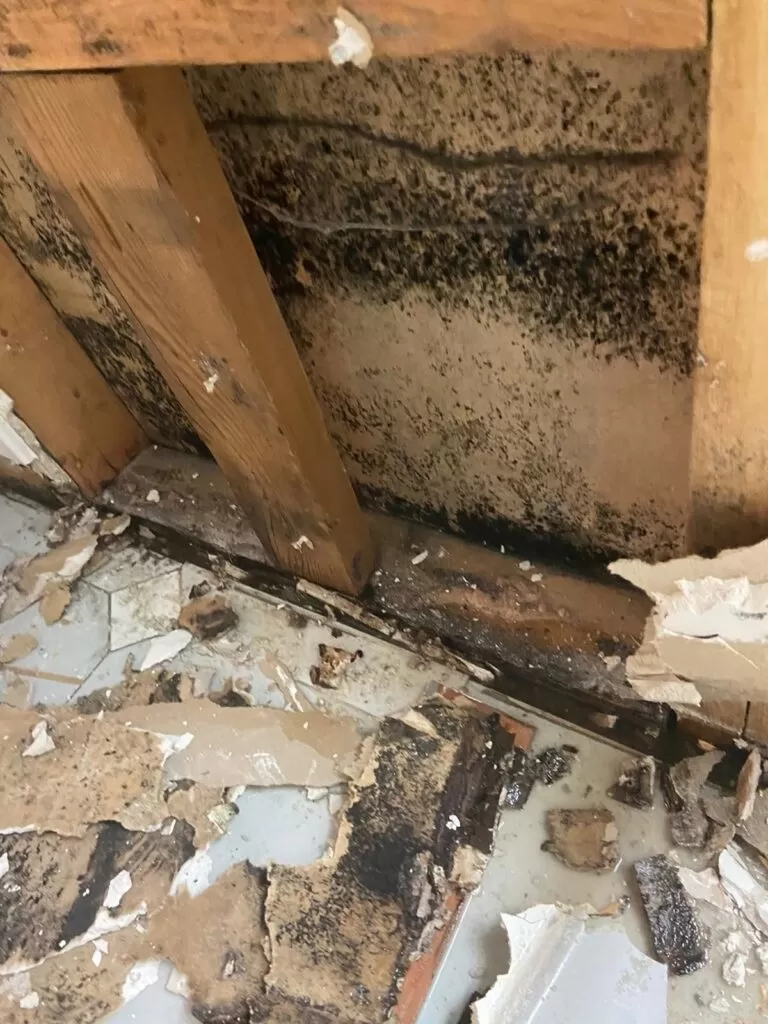
mold everywhere.
Home Improvement

Mold Removal Oakville

To stop mold from growing in a property, it is important to check humidity levels. Make sure areas that can get wet are well-ventilated. Checking roofs, gutters, and plumbing systems often can help find leaks early. This can stop mold from growing. CPR24 Restoration is the leading company for mold removal and remediation in Oakville. When you identify mold, you must address the situation promptly. Ignoring the problem can cause structural damage and increase health risks. Fixing it is essential for a safe living environment. Knowing the basic principles of mold growth, its types, and health effects can help homeowners in Oakville. This knowledge allows them to act against this common problem. Identifying Mold in Your Home Identifying mold in your home is crucial for maintaining a healthy living environment. Mold can pose serious health risks, so early detection and appropriate action are essential. Start by conducting a thorough visual inspection. Look for any visible signs of mold, including black, green, or white spots, which can develop on walls, ceilings, and other surfaces. Pay special attention to areas prone to moisture, such as basements, bathrooms, and kitchens. These locations are often ideal for mold growth because of high humidity levels and inadequate ventilation. In addition to visual inspections, be aware of any unusual odors that may indicate mold presence. A musty, earthy smell often accompanies mold growth, signaling that airborne spores may be circulating within your home. Check for dampness or water stains on walls and ceilings, as these can be initial indicators of mold lurking beneath the surface. Another common sign of mold-related problems is discolouration on walls and surfaces. This can manifest as yellowing paint or water spots, indicating potential moisture buildup that can facilitate mold growth. If you see a place with ongoing water damage, act quickly. Find and fix the source of the moisture. Additionally, you may notice symptoms associated with exposure to mold, such as persistent coughing, sneezing, or allergic reactions in sensitive individuals. If residents in your home exhibit these symptoms, it may be time to take a closer look at potential mold infestations. Regularly inspecting your home helps find mold early. It also reduces the risks that come with mold growth. Stay vigilant and proactive to maintain a safe and healthy environment. Understanding the Mold Remediation Process in Oakville The mold remediation process is a systematic approach designed to identify, control, and eliminate mold from affected areas. It usually starts with an assessment. Experts check the property to see how much mold is present. This step is crucial as it helps in planning the appropriate actions for effective remediation. During the assessment, the team looks at excessive moisture levels, mold growth, and possible health risks for occupants. Once the assessment is complete, the next step involves containment. Professionals establish physical barriers to prevent mold spores from spreading to unaffected areas. This may include sealing off affected rooms and using negative air pressure machines to capture airborne spores. Proper containment is important to protect residents’ health. It also helps make sure the cleanup process runs smoothly. The cleanup phase follows containment and includes the removal of mold-infested materials, such as drywall, carpets, and insulation. Workers utilize specialized equipment, including vacuums with HEPA filters, to trap mold spores during the removal process. Cleaning surfaces with appropriate antimicrobial solutions is also essential to eliminate residual mold and prevent future growth. This thorough approach safeguards the integrity of the environment and contributes to maintaining a healthy indoor air quality. After cleanup, it is important to implement prevention measures. This may involve addressing the underlying causes of moisture accumulation, such as water leaks and poor ventilation. Professionals typically recommend dehumidifiers and regular maintenance to prevent mold resurgence. Hiring professional mold remediation services ensures a thorough process. It also adds safety by using trained people who understand mold hazards. DIY Mold Removal Oakville: When is it Safe? Homeowners often find mold growing in different parts of their homes. This raises the question of whether they can fix it themselves or need professional help. Assessing the severity of the mold infestation before deciding to proceed with DIY removal is crucial. Homeowners can often safely handle small infestations that cover less than ten square feet. They just need to follow the right guidelines and have the right tools. To start the removal process, you need to gather supplies. These include rubber gloves, N95 masks, plastic sheeting, and cleaning agents. You can use commercial mold removers or a mix of water and detergent. Before you start, make sure the area is well-ventilated. Open windows or use fans to reduce inhaling spores. This preemptive measure enhances safety during the removal process. Before addressing the mold, it is vital to locate and rectify any sources of moisture contributing to the growth. This may involve fixing leaks, improving ventilation, or utilizing dehumidifiers. Once you have managed the source, cover the area with plastic sheeting. This will stop spores from spreading to other areas. Wearing protective gear like gloves and a mask is important. It helps protect you from mold and its health risks. Using a suitable cleaning agent, scrub the affected surfaces thoroughly and allow them to dry completely. Throwing away any dirty materials, like sponges or cloths, in sealed bags is important. This helps prevent more contamination. If the mold comes back or becomes excessively widespread, it is best to hire professionals. They can remove all the mold and fix any problems that caused it. Following these steps can help ensure a safe and successful DIY process for mold removal and remediation in Oakville Hiring a Professional Mold Remediation in Oakville Mold remediation is a critical process that requires expertise and precision. If you have a mold problem at home or work, hiring a professional services for mold removal and remediation in Oakville. service can be extremely helpful. These professionals possess the knowledge and equipment necessary to effectively identify, contain, and remove mold while minimizing the risk of further contamination. One of the

Dehumidifiers and Air-movers all over the room.
Home Improvement, Water Damage Blog Posts

Water Damage in Bolton: Causes, Effects, and Solutions

Water damage is a common and serious problem. It affects many properties, especially in places like Bolton that face extreme weather. It occurs when an excess amount of water infiltrates a structure, leading to a range of negative consequences. These consequences can go beyond the immediate damage to the property. They can also affect the safety and well-being of the people living there. As such, understanding water damage is crucial for homeowners and business owners alike. Numerous causes of water damage exist, and the local climate can exacerbate many of them. In Bolton, heavy rain and flooding often overwhelm drainage systems. This can lead to flooded basements and waterlogged areas. Additionally, plumbing issues such as burst pipes or faulty appliances can introduce water into unintended spaces within a structure. Leaks from roofs or siding can cause water damage. This is especially true in older buildings that may not have enough maintenance or protection from the weather. Neglecting these issues can result in serious health risks, including mold and mildew growth, which thrive in damp environments. These fungi not only damage building materials but may also contribute to respiratory issues for the inhabitants. Moreover, water damage can compromise the structural integrity of a property over time, requiring expensive repairs and remediation efforts. Recognizing the signs of water damage and its common causes is important. This helps you take quick action and protects your investment. In summary, water damage is a critical concern for all property owners in Bolton. By knowing the causes and possible effects, people can take steps to reduce risks. This helps protect their homes and businesses from this common problem. Common Causes of Water Damage in Bolton Water damage is a prevalent issue in Bolton that can arise from various natural and human-induced causes. Understanding these causes is crucial for homeowners and property managers to prevent potential water-related problems. One of the primary natural causes of water damage in Bolton is severe weather, particularly heavy storms and flooding. The local climate has unpredictable weather. This often causes heavy rain, which can overwhelm drainage systems. As a result, water can seep into homes and businesses. Moreover, the seasonal thaw during spring, combined with heavy rain, can lead to snowmelt that contributes to localized flooding. Poor drainage systems exacerbate this phenomenon, making properties vulnerable to water damage. Another natural factor is being close to water bodies. This can raise the risk of flooding during heavy rain. Residents need to be aware of their surroundings and the potential for these natural events to safeguard their properties. In addition to natural causes, human-induced factors significantly contribute to water damage in Bolton. Plumbing failures are a common source of leaks that can lead to extensive water damage if not addressed promptly. Faulty pipes, aging infrastructure, or improper installation can cause hidden leaks that deteriorate walls, floors, and foundations over time. Roof leaks are a significant concern. Damaged shingles or bad roof installations let water into homes. This can cause more damage and lead to mold growth. Moreover, malfunctioning appliances such as dishwashers, washing machines, or water heaters can unexpectedly release water, leading to significant damage. Proper maintenance and timely repairs of these systems are vital to minimize the risk of water-related issues. By understanding these common causes, Bolton residents can take proactive measures to protect their properties from water damage. Signs and Symptoms of Bolton Water Damage Recognizing the signs of water damage is paramount for homeowners and business proprietors alike. Early detection can prevent extensive damage and costly repairs, making awareness of these indicators essential. One clear sign appears on walls. Discolouration may show up as dark spots or yellow areas. Such changes often indicate prolonged moisture presence, which could derive from leaking pipes or roof issues. Another visible cue to consider is the state of paint and wallpaper. Peeling or bubbling paint, along with wallpaper that shows signs of lifting, typically points toward underlying water infiltration. This condition not only compromises aesthetic appeal but also suggests a deterioration in the structural integrity of the affected areas. Alongside these overt signs, we should not overlook subtle indicators. Musty odors can be a clear signal of mold growth, which thrives in damp environments. If you notice a musty smell, it is wise to check further. This odor might mean there is hidden water damage. Such damage can harm indoor air quality. Higher humidity in your home or business can indicate moisture issues. This can happen even if you don’t see any water damage. Using a hygrometer can help you check these levels. Anything above 60% can lead to fast mold growth. Furthermore, homeowners should be attentive to areas that typically accumulate water, such as basements, crawl spaces, and under sinks. Visible moisture, pooling water, or rust on metal fixtures can all signal water damage or the potential for it. By being alert and noticing signs of water damage, people can act quickly. This helps prevent bigger problems for their properties later on. The Dangers of Ignoring Water Damage Water damage is often an insidious challenge that homeowners face. When overlooked, it can lead to severe structural damage, threatening the integrity of a property. The primary concern with neglecting water damage is that water can compromise the infrastructure of a building over time. For example, being around moisture for a long time can cause wood to rot. It can also weaken wall frames and damage the foundation. It becomes imperative to address such issues immediately to avoid costly repairs in the future. Moreover, one of the most alarming consequences of neglected water damage is the rapid mold growth. These fungi thrive in damp environments and can begin to grow within 24 to 48 hours after water exposure. Mold not only makes a home look bad, but it also poses serious health risks. People with breathing problems, allergies, or weak immune systems are more at risk for mold-related health issues. These can include asthma attacks, allergic reactions, and other serious breathing conditions. The potential

Uncategorised

Key Signs of Water Damage in Your Home Toronto

Water damage can occur in several ways. Recognizing the signs of water damage Toronto early is crucial. It can start with small stains and lead to significant issues. Often, it goes unnoticed until serious damage occurs. Water damage is a common problem that can arise from a variety of sources, both visible and hidden. While burst pipes and flooding from bad weather are easy to see, hidden water leaks are often more dangerous. They can last for a long time, gradually weakening your home’s structure while quickly creating mold growth. Harm to structural integrity can lead to costly water damage repairs and safety problems. Early detection is key to lessening water damage effects. By knowing the signs of water damage and doing regular checks, you can find problems early, saving you time and money later. Common Sources of Water Damage Toronto Understanding the potential origins of water damage is the first step in protecting your home. Here are some of the most frequent culprits: By being aware of these potential sources, you can take proactive measures to prevent water damage before it occurs. Visual Signs of Water Damage Toronto One of the most straightforward ways to detect water damage is through visual inspection. Keep an eye out for these common signs: Discolouration and Staining Water stains are often one of the first visible signs of a problem. Look for: These discolorations can vary in size and shape, but they typically indicate that water has been present for some time. Paint and Wallpaper Issues Water damage can cause noticeable changes to your home’s interior finishes: These issues occur as moisture seeps behind the surface, breaking down adhesives and causing materials to expand. Structural Damage As water penetrates building materials, it can cause visible changes to your home’s structure: These deformities indicate that water has compromised the integrity of load-bearing elements and require immediate attention. Visible Mold Growth While not all mold growth is visible, you may notice: Any visible mold is a clear sign of excess moisture and potential water damage. Non-Visual Signs of Water Damage Toronto Not all water damage signs are visible to the naked eye. Be alert to these other indicators: Clues by Smell Your sense of smell can be a powerful tool in detecting water damage: These odors often indicate the presence of mold or mildew, which thrive in moist environments. Auditory Signs Listen for unusual sounds that might indicate water infiltration: These auditory cues can help you pinpoint the location of hidden leaks or water buildup. Physical Signs Physical changes in your home’s surfaces can signal water damage: These changes in texture often indicate that water has saturated building materials. Hidden Water Damage Toronto Some of the most insidious forms of water damage occur out of sight, making them particularly dangerous. Be vigilant for these less obvious water damage signs: Hidden Leaks Water can infiltrate areas you rarely see, such as: Regular inspections of these hidden areas can help catch problems early. Subtle Changes in Home Environment Pay attention to small shifts in your home’s atmosphere: These changes can indicate excess moisture in your home, potentially from hidden leaks. Unexpected Utility Bill Increases A sudden spike in your water bill without a corresponding increase in usage could signal a hidden leak. Keep track of your monthly bills and investigate any unusual increases. The Dangers of Ignoring Water Damage Toronto Failing to address water damage promptly can lead to a cascade of problems: Structural Deterioration Prolonged exposure to moisture can weaken: This deterioration can compromise your home’s stability and safety. Health Hazards Water damage creates an environment conducive to: These biological contaminants can trigger allergies, respiratory issues, and other health risks. Electrical Risks Water and electricity are a dangerous combination. Moisture can: Always exercise caution around electrical systems if you suspect water damage. Property Value Decline Unaddressed water damage can significantly impact your home’s resale value: Prompt attention to water damage helps maintain your property’s value and appeal. Immediate Steps to Take When You Discover Water Damage in Toronto If you suspect or discover water damage in your home, take these immediate actions: Quick action can significantly reduce the extent of damage and prevent secondary issues like mold growth. Professional Water Damage Assessment and Restoration Toronto While minor water damage might be manageable on your own, significant issues often require professional intervention. Here’s what to expect from a professional assessment: Full Inspection Process Professionals use specialized tools to detect hidden moisture: These tools help create a complete picture of the damage extent. Damage Classification Professionals categorize water damage based on the water source and contamination level: This classification determines the appropriate restoration approach. Water Damage Restoration Process A typical professional restoration process includes: Professional restoration ensures thorough remediation and helps prevent future issues. Preventing Future Water Damage Toronto Proactive measures can significantly reduce the risk of water damage in your home: Regular Maintenance Implement a routine maintenance schedule: Regular upkeep can catch potential issues before they become major problems. Improve Drainage Ensure proper water drainage around your home: Effective drainage prevents water from accumulating near your home’s foundation. Upgrade Plumbing Invest in your home’s plumbing system: Modern plumbing solutions can significantly reduce the risk of leaks and water damage. Weatherproofing Protect your home from external water intrusion: These measures create a barrier against water infiltration from outside sources.

Uncategorised

How to Avoid and Handle Emergency Burst Pipes in East York

Dealing with a burst pipe in East York is one of the most common and stressful plumbing emergencies a homeowner can face. Burst pipes can seriously damage your home and property. This is especially true in colder months when freezing temperatures cause pipes to burst. This guide gives helpful tips on how to avoid, manage, and prevent burst pipes in East York. This will keep your home safe and in good shape. What Causes Burst Pipes in East York? Understanding the common causes of burst pipes can help prevent an emergency. Freezing weather, high water pressure, and old, corroded pipes often trigger most water pipe bursts. In East York, winter can bring extremely cold weather. Pipe insulation and regular maintenance are crucial during the cold winter months. Discoloured or Smelly Water: Early Warning Signs If you notice unusual smells or rust-coloured water, this could be a sign of a burst or plumbing frozen pipe. Rusty water indicates that pipes corrode and are more likely to break. Discoloured water does not always mean a burst pipe. However, it is best to check the pipes. Call a professional to prevent more damage. Visible Signs of Moisture Keep an eye out for wet patches on the walls, ceilings, or floors, particularly in areas where plumbing is located. These could be early signs of minor leaks, which, if ignored, could develop into more serious issues. Act quickly by contacting a plumbing professional to avoid escalating the damage. How to Prevent Burst Pipes in East York Prevention is the key to avoiding the costly and disruptive consequences of burst pipes. Here are some proactive measures you can take to protect your pipes during extreme weather conditions. The Right Insulation Methods Investing in good pipe insulation is a great way to protect your pipes from freezing temperatures. Materials like pipe wraps, foam sleeves, and heat tape protect pipes from the cold. This is important for pipes that are on outside walls or in unheated places like basements, attics, or garages. Keep Indoor Temperatures Consistent To prevent frozen pipes, it’s important to maintain a consistent indoor temperature. Even if you’re not at home, keep the temperature above 12°C (55°F). This simple yet effective investment can save you from expensive broken pipe repairs in the future. Let the Faucets Drip During extreme cold spells, allowing a small trickle of water to flow from faucets can help relieve pressure in the pipes. This is especially useful for fixtures connected to exposed pipes, such as those in unheated areas. Seal Air Leaks Around Pipes Check your home for drafts, especially around pipes, and seal any gaps with caulk or insulation. By doing so, you’ll not only protect your pipes but also improve your home’s energy efficiency. Insulating pipes will ensure they stay warm even during the coldest weather. How to Handle a Burst Pipe in East York: Emergency Response If the worst happens and you require pipe burst cleanup in your home, quick action can reduce damage. Here’s what you should do immediately. Step 1: Turn Off the Main Water Supply Locate your home’s main water shut-off valve and turn it off immediately. This will stop the flow of water and reduce further damage from the burst pipe. Knowing the location of this valve beforehand can save you valuable time in an emergency. Step 2: Drain the System Once the water supply is off, open all the faucets in your home to drain the standing water in the pipes. This helps reduce the pressure and prevents further damage. Be sure to allow water to drain from both hot and cold water lines. Step 3: Document the Damage Take pictures or videos of the damaged areas before beginning the cleanup. This documentation will be helpful for insurance claims and when working with professionals to repair the damage. Clear evidence of the damage will help in getting your property back to normal quickly. Step 4: Contact a Professional Plumber Although temporary fixes may seem like a good idea, it’s crucial to call a licensed professional plumber. Burst pipes require expert care, and only a qualified East York plumber can ensure a long-term solution. Trustworthy plumbing professionals have the tools and knowledge to fix the problem and prevent future issues. Long-Term Pipe Protection Solutions in East York Once you’ve handled the immediate emergency, it’s important to consider long-term solutions to prevent future burst pipes. Upgrade Your Plumbing System Older pipes, especially those made of galvanized steel or cast iron, are more likely to freeze and burst. Consider upgrading to modern, freeze-resistant materials such as PEX or CPVC. While this investment may be costly upfront, it will provide peace of mind and prevent recurring problems. Install Pressure Regulators A pressure-regulating valve ensures that your home maintains the proper water pressure. Pressure regulators can lower the strain on your pipes. This helps reduce the risk of bursts, especially where water pressure changes. Schedule Regular Plumbing Inspections Preventative maintenance is vital for the longevity of your plumbing system. Schedule yearly inspections with a licensed plumber. This helps find problems like corroded pipes, weak joints, or spots that may burst in the future. Early detection can save you from costly repairs later. Smart Home Technology for Leak Detection Installing smart water sensors or leak detection systems in your home can alert you to issues before they escalate. These devices check your plumbing for problems. They alert you right away if there is a leak or issue. This helps you act quickly. The Role of Professional Plumbing Services in East York Professional plumbers play a crucial role in both emergencies and long-term pipe care. Their expertise can make a significant difference in dealing with burst pipes and other plumbing issues. Expert Broken Pipe Repairs and Diagnostics Professional plumbers have the necessary tools and experience to accurately diagnose and fix burst pipe water damage. Their deep knowledge of East York’s plumbing systems and local conditions helps them offer lasting solutions. Preventive Maintenance Programs Many East York plumbing companies

Uncategorised

Key Preventive Measures & Recommendations to Prevent Future Mold Growth

Mold growth poses a persistent challenge for Toronto homeowners, threatening both property integrity and occupant health. As awareness of mold-related issues continues to rise, implementing effective preventive measures has become crucial. This guide offers practical tips to protect and prevent future mold growth in your home. It helps create a healthier living space for you and your family. The humid climate and varying temperatures in Toronto create ideal conditions for mold reproduction. Homeowners can lower the risk of mold growth by understanding what causes it and taking action. From moisture control to proper ventilation, this article delves into expert-recommended techniques to keep your home mold-free. If you are recovering from mold removal or want to protect mold in your home, these tips will help you keep your space mold-free. Let’s look at important steps to keep your Toronto home safe and free from mold for many years. Effective Moisture Control Techniques Controlling moisture is the cornerstone of mold prevention in Toronto homes. Homeowners can lower the risk of mold by using good moisture control methods. This helps create a healthier living space. Here are several strategies to keep moisture levels in check: Addressing Water Leaks Promptly to Prevent Future Mold Growth One of the most critical steps in moisture control is addressing water leaks as soon as they’re detected. Regularly inspect your home for signs of leaks, paying close attention to areas prone to water damage such as: If you see signs of water intrusion, like water stains, peeling paint, or warped materials, act quickly. Find and fix the source of the leak. Prompt repairs not only prevent mold growth but also protect your home’s structural integrity. Proper Drainage to Prevent Future Mold Growth Ensure that your home’s exterior is designed to direct water away from the foundation. Proper drainage and grading play a crucial role in preventing water from seeping into your basement or crawl space. Consider the following measures: Controlling Indoor Humidity Levels to Prevent Future Mold Growth Maintaining optimal indoor humidity levels is essential for preventing mold growth. In Toronto, aim to keep indoor relative humidity between 30% and 50%. Here are some strategies to achieve this: Proper Ventilation Strategies Adequate ventilation helps remove excess moisture and prevents the buildup of stagnant air, which can contribute to mold growth. Implement these ventilation strategies: By implementing these moisture control techniques, Toronto homeowners can create an environment that is inhospitable to mold growth. Remember, consistent maintenance and vigilance are key to long-term mold prevention. Improving Indoor Air Quality to Prevent Future Mold Growth Improving indoor air quality is important for stopping mold growth. It also helps create a healthier living space in Toronto homes. Poor air quality can not only contribute to mold reproduction but also exacerbate respiratory issues and allergies. A mold test is crucial in these cases such as an air quality test for mold. Here are comprehensive strategies to improve the air quality in your home: Effective Filtration Systems Investing in high-quality air filtration systems can significantly reduce airborne mold spores and other pollutants. Consider the following options: Regularly maintain and replace filters according to manufacturer recommendations to ensure optimal performance. Proper Ventilation Techniques Adequate ventilation is essential for maintaining good air quality and preventing mold growth. Implement these ventilation strategies: Regular Cleaning and Maintenance Maintaining a clean home is crucial for good air quality and mold prevention. Follow these cleaning tips: Natural Air Cleaning Methods Incorporate natural air cleaning methods to complement your air quality improvement efforts: Monitoring and Controlling Humidity Maintaining optimal humidity levels is crucial for preventing mold growth and improving air quality: By using these strategies to improve indoor air quality, Toronto homeowners can create a healthier environment. This will help reduce mold growth and benefit everyone living there. Remember that maintaining good air quality requires ongoing effort and attention to detail. Regular Inspections and Maintenance to Prevent Future Mold Growth Implementing a routine of regular inspections and maintenance is crucial for preventing mold growth in Toronto homes. By staying vigilant and addressing potential issues early, homeowners can avoid costly mold remediation and protect their property’s value. Here’s a comprehensive guide to conducting effective inspections and maintaining a mold-resistant home: Establishing an Inspection Schedule Make a clear inspection schedule. This will help you check all areas of your home. Look for signs of moisture or mold growth regularly. Key Areas to Inspect Focus your inspections on areas most susceptible to moisture and mold growth: Maintenance Tasks to Prevent Future Mold Growth Regular maintenance is key to preventing conditions that foster mold growth: Documenting Inspections and Maintenance Keep detailed records of your inspections and maintenance activities: Responding to Potential Issues If you discover signs of moisture intrusion or mold growth during your inspections: Seasonal Considerations to Prevent Future Mold Growth Tailor your inspection and maintenance routines to address seasonal challenges in Toronto: By following a regular inspection and maintenance routine, Toronto homeowners can prevent mold problems. This keeps their homes healthy and mold-free. Remember, prevention is always cheaper than fixing problems later. Regularly checking your home can save you time and money in the long run. Proper Ventilation Strategies to Prevent Future Mold Growth Ensuring proper ventilation is a critical component in preventing mold growth in Toronto homes. Adequate airflow helps control moisture levels, reduces humidity, and creates an environment less conducive to mold growth. Here’s an in-depth look at effective ventilation strategies to keep your home mold-free: Understanding the Importance of Ventilation Proper ventilation serves multiple purposes in mold prevention: By promoting air circulation, ventilation helps create an environment where mold struggles to establish itself. Natural Ventilation Techniques Harnessing natural airflow can be an effective and energy-efficient way to ventilate your home: Natural ventilation is helpful. However, we must think about outdoor humidity and pollen levels. This is especially true in Toronto’s humid summer months. Mechanical Ventilation Systems For more consistent and controlled ventilation, consider implementing mechanical systems: Ventilation for Problem Areas Pay special attention to areas prone to moisture buildup:

Scroll to Top

Water Damage, flooding, or mold issues, our expert team is available 24/7 to restore your property. Contact Us Now!

Call Now