Author name: CPR24 Restoration

Uncategorised

Mold Removal Thornhill

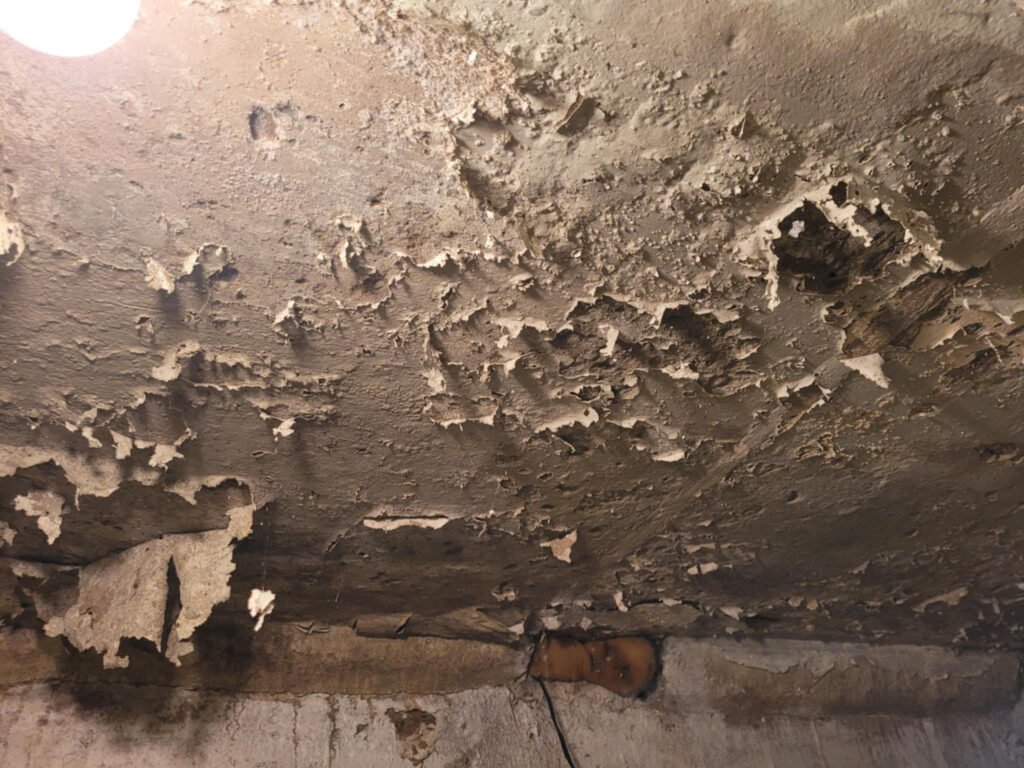
Professional mold removal in Thornhill involves identifying moisture problems, containing affected areas, removing contaminated materials, and cleaning surfaces to reduce the risk of recurring mold growth. CPR24 Restoration provides residential and commercial mold remediation services in Thornhill, helping property owners address mold caused by plumbing leaks, basement flooding, roof leaks, condensation, and excessive indoor humidity. Our IICRC-certified restoration technicians provide basement mold removal, attic mold remediation, black mold removal, bathroom mold cleanup, drywall mold removal, and mold inspection and testing. Using professional containment systems, HEPA-filtered air scrubbers, moisture detection equipment, and appropriate antimicrobial cleaning methods, CPR24 Restoration develops remediation plans based on the extent of contamination and the affected building materials. Homes and commercial properties throughout Thornhill may experience concealed mold growth behind drywall, beneath flooring, inside insulation, and in poorly ventilated basements or attics. Older plumbing systems, foundation moisture intrusion, and inadequate ventilation can contribute to persistent moisture conditions. Identifying the underlying cause is an important part of effective mold remediation. CPR24 Restoration follows applicable IICRC S520 mold remediation principles and provides professional mold remediation services throughout Thornhill and surrounding areas of Vaughan and Markham. Reconstruction services are also available separately when contaminated drywall, insulation, flooring, or other building materials require replacement. Last Updated: October, 2026 Signs You May Need Professional Mold Removal in Thornhill Mold growth is not always immediately visible. It can develop behind drywall, beneath flooring, inside insulation, and in areas affected by ongoing moisture problems. Homeowners in Thornhill should investigate musty odours, visible discoloration, recurring water leaks, and damp building materials, as these may indicate hidden mold contamination. Recognizing the early signs of mold can help property owners address moisture problems before additional building materials become affected. Musty Odours and Hidden Mold Growth A persistent musty or earthy smell may indicate mold growth behind walls, beneath flooring, or inside enclosed spaces. Even when mold is not visible, moisture from plumbing leaks, basement seepage, or condensation can create conditions that support microbial growth. A professional mold inspection can help identify moisture concerns and determine whether further investigation or testing is appropriate. Visible Mold on Walls, Ceilings, and Baseboards Black, green, grey, or white discoloration on drywall, ceilings, baseboards, and other surfaces may indicate mold growth, although colour alone cannot identify the mold species or determine its toxicity. Mold frequently develops around windows, bathroom ceilings, basement walls, and areas affected by previous water damage. When porous materials such as drywall or insulation are significantly contaminated, professional removal may be necessary. Recurring Basement Moisture and Water Damage Basements are particularly vulnerable to mold when moisture enters through foundation cracks, plumbing leaks, sump pump failures, or flooding. Damp insulation, wet drywall, and elevated indoor humidity can contribute to mold growth in concealed wall cavities. Professional basement mold removal may involve moisture assessment, containment, removal of affected drywall and insulation, HEPA vacuuming, and cleaning of exposed structural surfaces. Mold Growth in Attics and Poorly Ventilated Areas Attic mold can develop when warm, moisture-laden indoor air enters the attic and condenses on cold roof sheathing. Inadequate ventilation, air leakage, and roof leaks can contribute to persistent moisture conditions. Professional attic mold remediation may include HEPA vacuuming, surface cleaning, appropriate antimicrobial treatment, and recommendations for correcting the underlying moisture problem. Water Stains, Peeling Paint, and Damaged Drywall Water stains, bubbling paint, soft drywall, and deteriorating baseboards can indicate current or previous moisture intrusion. Although these conditions do not always mean mold is present, they warrant further assessment, particularly when moisture remains trapped behind finished surfaces. Addressing the water source and assessing affected materials are important steps in preventing additional deterioration and potential mold growth. When Should You Schedule a Mold Inspection? A professional mold inspection is recommended when visible mold continues to return, persistent musty odours are present, water damage has affected concealed materials, or the extent of contamination is uncertain. CPR24 Restoration uses moisture meters, thermal imaging where appropriate, and visual assessments to evaluate suspected mold problems. Inspection findings help determine whether professional mold remediation, further investigation, or indoor air quality testing is necessary. What to Expect During a Mold Inspection in Thornhill Professional mold inspections help identify harmful growth in your Thornhill home. You should know what happens during this process to prepare for this vital step toward a healthier living environment. Original visual and thermal assessment Certified mold inspectors start with a complete visual evaluation when they arrive at your property. Most professionals come in unmarked vehicles to protect your privacy. They check high-risk areas like basements, bathrooms, and attics for visible signs of mold growth. The inspection looks for water stains and discolouration on floors, walls, ceilings, and carpets. These experts use new technology like thermal imaging cameras. These cameras help find temperature changes that may indicate moisture issues behind walls or above ceilings. Identifying moisture sources and hidden mold Finding the root cause of mold growth is essential for a lasting solution. The inspectors use special tools like radio frequency gauges, fibre optics, and moisture meters to find hidden dampness. They get into walls, ceilings, floors, crawlspaces, and ventilation systems carefully. This detailed work helps pinpoint what’s feeding the mold growth – whether it’s leaks, condensation, or poor ventilation. Creating a scope of work and quote The professionals develop a detailed action plan after the assessment. Their report shows specific findings, recommendations, and a step-by-step remediation strategy. This document has the containment requirements, needed equipment like HEPA air scrubbers, and an estimated timeline. The scope lets you understand exactly what will happen during remediation so you can plan. Third-party air quality testing Thornhill Air quality testing proves mold presence best, especially when you can’t see the growth. Professional inspectors take air samples that accredited laboratories analyze. These tests show the types and amounts of mold spores in your home. The lab results provide legal documentation with individual identification numbers that ensure reliability. Some companies also test surfaces to identify specific mold species for proper remediation. Professional Mold Removal and Remediation Process in Thornhill Professional mold remediation in Thornhill involves identifying moisture problems, containing contaminated
Uncategorised

Water Damage Restoration Thornhill

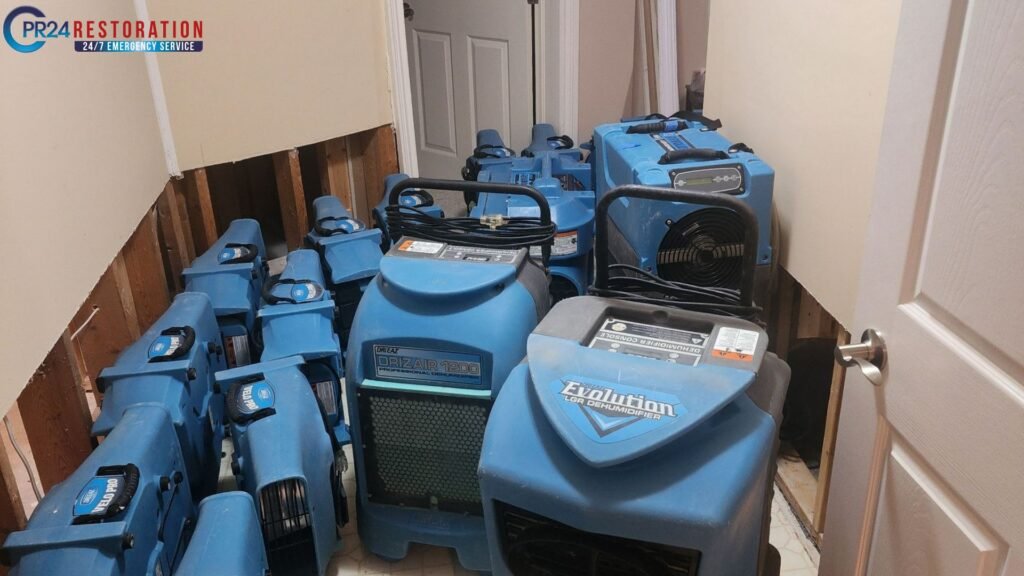
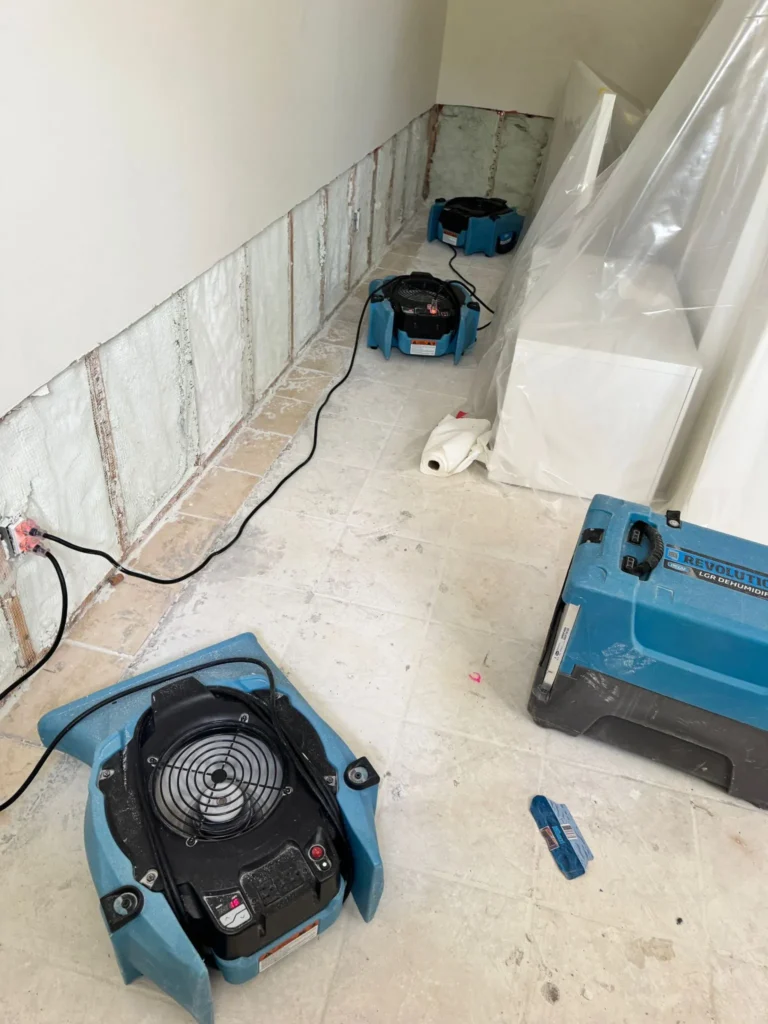
Your property needs quick water damage restoration when unexpected flooding strikes in Thornhill. Quick action prevents serious structural damage and health risks when water invades your home or business. PuroClean understands how stressful water emergencies can be for homeowners and business owners. Our team brings 15 years of restoration expertise to Thornhill, Ontario. We arrive at your property within 45 minutes during water emergencies. Our 24/7 emergency response team handles flooded basements Thornhill, sewer backups Thornhill, burst pipes Thornhill, and all flood services Thornhill. We are part of a network with over 400 offices in North America. This helps us find a lot of expertise for every water damage project in Thornhill. This blog explains our detailed approach to Thornhill water damage restoration. You’ll learn about common issues affecting Thornhill properties and steps to protect your investment. Common Causes of Water Damage in Thornhill Thornhill homeowners face special water damage issues. This is due to local weather patterns and the design of their infrastructure. They need to know why these issues happen to prevent damage and act quickly when problems arise. Burst pipe Thornhill in the winter months The cold winters in Ontario can cause pipes to burst. This happens when temperatures change quickly, making pipes freeze and break. Pipes can freeze when temperatures drop below 15 degrees Celsius. Water supply lines connected to outdoor equipment like garden hoses, sprinkler systems, and swimming pools break easily. Pipes near outside walls, crawl spaces, or attics need proper insulation. Local plumbers say that waiting too long to fix frozen pipes can get pricey and cause major property damage. Sewer backup Thornhill issues in older homes Sewer problems are a major concern for residents in Thornhill’s 50-year-old neighbourhoods. These backups occur when lateral pipes that connect homes to city sewer lines trap wastewater. The problems get worse during heavy rains as flood drains back up and force water through floor drains. Older homes face more risks because their pipes often break or clog. The August 2005 storm showed how bad things can get – 37 homes had basement drain backups, and 18 of them dealt with raw sewage. Appliance leaks and plumbing issues Flood damage Thornhill often comes from household appliances and plumbing that slowly wear down or suddenly break. A leaky faucet or running toilet wastes up to 200 gallons daily, which doubles what a family normally uses. Watch out for slow drains, bad smells, toilet problems, and gurgling sounds from drains. Most water loss inside homes happens because of broken fixtures and pipes. The City of Vaughan calls these “accidental leaks” that lead to shocking water bills. Flood damage Services Thornhill Storms have hit Thornhill hard over the years. The area saw three 100-year storms in 2005, 2013, and 2017 that overwhelmed drainage systems. The August 2005 storm dumped 103mm of rain in just one hour, with some areas getting up to 175mm. South Thornhill residents faced $5.57 million in damage from this storm alone. Homes in low-lying areas like the Aileen-Willowbrook neighbourhood face higher risks during heavy storms. Roads, catch basins, and stormwater systems often flood when too much rain falls too quickly. Emergency Water Damage in Thornhill Water disasters in Thornhill need quick professional help to avoid major reconstruction costs. Local restoration companies provide emergency services that minimize damage and start the recovery process right away. 24/7 emergency response availability Water damage doesn’t wait for business hours. That’s why Thornhill restoration services keep emergency response teams ready around the clock. Local companies provide help at any time of day or night. You can expect teams to arrive at your property within 45 minutes after your call. Quick action substantially reduces water damage and repair costs in Thornhill. The first 24-48 hours after water exposure are vital to prevent structural damage and mold growth. Original damage assessment and containment Restoration specialists start with a complete assessment to understand the damage scope. They check the water source, look at affected areas, and determine contamination levels (clean, gray, or black water). The team takes immediate steps to stop water from spreading. This might require emergency electrical work, temporary plumbing fixes, or securing your property against further damage. Teams document everything with photos, videos, and written reports that help with insurance claims. They make custom plans to fix your property after an emergency. They also list steps to return it to its original state. Water extraction and moisture detection Thornhill Thornhill’s modern water damage restoration uses advanced technology to remove water quickly. Teams use strong pumps, wet vacuums, and special tools to remove standing water from carpets, floors, and basements. They use thermal imaging cameras and infrared technology to find hidden moisture that regular inspections might miss. These detection systems find water hidden in walls, ceilings, and under floors. Moisture in these areas can cause damage or mold growth. After extraction, powerful air movers and industrial dehumidifiers remove remaining moisture. This creates conditions that stop mold growth and prepare the space for cleaning and repairs. Step-by-Step Thornhill Water Damage Restoration Process Our IICRC-Certified Thornhill water damage restoration company uses a step-by-step approach to restore properties to their original condition. Thornhill restoration experts use proven methods that reduce potential risks and help properties recover fully. Inspection and damage evaluation Our IICRC-Certified technicians start with a detailed assessment of the property. They find the water source. They decide the damage type: clean, gray, or black water. Then, they make a custom restoration plan. The technicians take photos and measurements of all affected areas. This documentation helps with insurance claims and provides accurate timelines and cost estimates for full recovery. Water removal Thornhill The team uses powerful pumps and industrial vacuums to remove standing water after completing the assessment. They move furniture and affected items to prevent further damage. Advanced moisture detection tools like infrared cameras and hygrometers find hidden water in walls and subflooring. The team then uses industrial dehumidifiers and specialized air movers to speed up moisture evaporation. This creates conditions that stop mold growth and prepare surfaces for cleaning. Thornhill Cleaning and

Uncategorised

Emergency Flood Damage Help

Time becomes precious at the moment flood damage help turns into an urgent need. The Greater Toronto Area has serious flooding problems, often requiring urgent attention to emergency flood damage. This is especially true in cities like Toronto, Mississauga, Brampton, Vaughan, and Oakville. Today’s aging infrastructure struggles to handle the massive water volumes from heavy storms. Emergency flood damage restoration services in Toronto guarantee quick response times between 45 minutes to 1 hour. Flooding creates potential risks as water carries dangerous waterborne diseases. Our Toronto flood restoration solutions can fix any size flood damage within 24 hours. This resource will help you handle this stressful situation with confidence. You can find help for basement flood damage repair or emergency flooding services. Understanding the Urgency of Flood Damage in Toronto Why every minute counts in a flood emergency Floods are Ontario’s deadliest natural hazard, causing massive damage and disrupting communities. Weather-related insurance payouts have doubled every five to ten years since the 1980s. Weather-related spending shows that flood damage makes up 75% of all claims nationwide. Your home faces a race against time during a flood emergency. Mold starts growing within 24 hours of water exposure. This turns a simple flood cleanup into a complex restoration job. Clean water becomes contaminated after 48 hours. This raises both health risks and flood cleanup costs. Water sitting in your Toronto home causes more damage by the hour. The costs can triple between 24-48 hours. Building materials break down so badly that they need replacement instead of repairs. Health and structural risks of delayed action Waiting too long for help with flood damage creates dangerous health hazards. Standing water becomes a perfect breeding ground for harmful microorganisms. People exposed to contaminated floodwater might suffer from: Your home’s structure starts falling apart faster than you’d think. Water seeps into walls first and makes drywall swell and warp. Wooden structures bow and crack as moisture keeps seeping in. The worst cases can damage your foundation. Insurance might not cover all repairs if you wait too long to call Toronto flood restoration services. How Toronto’s climate increases flood risk Toronto’s climate changes have made flood risks worse over the last several years. The July 2024 floods caused CAD 1.39 billion in insured damages. This shows just how serious the threat has become. Climate change makes storms more severe and frequent. This problem keeps getting worse. Toronto’s growth has removed natural safeguards like wetlands and forests that used to soak up heavy rainfall. Most rainfall in the GTA now turns into surface runoff that overwhelms drainage systems. The city’s aging infrastructure makes everything harder. Old systems can’t handle today’s intense storms. Toronto needs CAD 36.23 billion in infrastructure repairs and is more than 10 years behind schedule. This makes professional flood damage restoration services crucial for Toronto homeowners. Step-by-Step Emergency Flood Restoration Process Professional flood damage help follows a clear approach to restore your Toronto home after water damage. Let’s look at each phase to help you understand what happens during this challenging time. 1. Original inspection and moisture detection The restoration starts with getting a full picture of your water damage. Certified technicians use special tools like moisture meters, thermal cameras, and hygrometers to find moisture in your home. This crucial step finds both visible and hidden water damage that helps technicians create a targeted restoration plan. The team documents moisture levels in affected materials to track drying progress throughout the flood cleanup. 2. Water extraction and removal The team starts removing standing water quickly after the assessment. Professional flood damage restoration services in Toronto use strong submersible pumps and industrial vacuums. These tools can handle thousands of gallons each hour. They use portable wet vacuums and specialized water claws on carpets and flooring to stop delamination and warping. Quick water removal matters because porous materials can hide moisture for hours after visible water disappears. 3. Drying Processes and Water Removal The drying phase begins once the team removes standing water. They place industrial air movers and dehumidifiers strategically to eliminate remaining moisture. This process targets obvious and hidden dampness in walls, under flooring, and inside structural cavities. The team checks moisture levels daily and adjusts equipment to ensure the best drying results. Complete drying usually takes several days based on damage extent. 4. Disinfection and mold prevention Sanitization becomes vital after surfaces are dry. Floodwater often contains harmful substances like bacteria and sewage. The team cleans and disinfects all affected surfaces with specialized antimicrobial treatments. This step removes odours and stops mold growth that can start 24-48 hours after flooding. 5. Restore your home The final phase fixes and rebuilds damaged structures. Your home might need new drywall, insulation, flooring, and other materials. This is a chance to improve your home with flood-resistant materials. You can use waterproof insulation, moisture-resistant drywall, and better drainage systems. Good structural repairs bring your home back to its original state and make it stronger against future water damage. Key Services Offered by Flood Damage Experts Toronto’s flood damage experts deliver detailed flood damage solutions for water-related emergencies in homes. These specialized services tackle both urgent issues and recovery needs over time. 24-hour flood service availability Leading restoration companies guarantee emergency response any time of day. Their teams usually arrive at your home within 45 minutes to 1 hour after you phone call. Quick action stops additional damage and keeps restoration costs down. Teams stay ready with industrial-grade equipment during holidays and weekends. They step in quickly whenever time disaster strikes. Basement flood damage cleanup Professional basement flood services use thermal imaging and specialized equipment to detect hidden moisture pockets. The core team uses submersible pumps, gas-powered extractors, and industrial dehumidifiers that remove water quickly. The process ends with structural drying techniques to stop any secondary damage. Sewage backup and odour removal Sewage backups create health hazards that get worse over time. Expert technicians follow multiple steps to fix the problem. They contain affected areas, block air vents, remove contaminated water, and apply eco-friendly disinfectants. Air scrubbers clean surrounding spaces, and special deodorization methods eliminate stubborn odors. Content restoration and storage Content restoration

Uncategorised

Attic Mold Inspection Toronto

Toronto homeowners need attic mold inspection because mold starts growing within 48 hours of moisture exposure. Attics face a higher risk of mold outbreaks when condensation builds up from rain, moisture, ice, and heat. Our company’s mold removal requests in Toronto have increased over the last several years. Our team’s 17 years of experience in mold inspection and removal services help us address your home’s mold concerns. Toronto’s certified mold removal costs between $4.00 and $6.00 per square foot. Many companies provide free assessments to check the problem. Your attic’s yearly mold inspections are a great way to get information about potential issues before they become severe. This blog covers all you need to know about attic mold inspection in Toronto. It includes early warning signs, certified testing, and affordable removal methods. Why Attic Mold is a Growing Concern in Toronto Toronto homeowners deal with unique challenges when their attics develop mold. Mold growth in Toronto attics isn’t just possible—it’s a constant threat that needs regular monitoring and proactive checks. Toronto’s climate and attic conditions The city faces extreme weather patterns all year that create perfect conditions for mold to thrive. Toronto has hot, humid summers and cold, wet winters. This creates a perfect environment for moisture problems in attics. Cold winter months create a huge temperature difference between warm indoor air and cold attic surfaces. This causes condensation when these air masses meet. Ice dams also tend to form during winter and force water under shingles into attic spaces. Summer brings its own problems. The city’s high humidity makes it hard for moisture to evaporate. The hot summer sun heats roofing materials and creates thermal cycling that pushes moisture into attic spaces. The changing seasons and high humidity make Toronto’s attics extremely prone to mold growth. Why is it most common for mold to grow in attics? Attics top the list as the most common places for mold to grow, and with good reason, too. We found these areas filled with materials. They included wood beams, cardboard boxes, and some types of insulation. The insulation can easily soak up moisture. These materials become perfect food sources for mold. Most homeowners rarely check their attics. Water damage signs often go unnoticed until stains or musty smells appear in other parts of the house. Mold can grow hidden for years, which makes cleanup much harder and can get pricey by the time someone finds it. Common signs of attic mold Finding attic mold early can save Toronto homeowners from significant issues. Here are the warning signs to watch: The best time to check your attic is following heavy rain, snowmelt, or between seasons when mold loves to grow quickly. How to Inspect for Mold in the Attic Attic inspections for mold need careful attention and a step-by-step approach. You should check regularly since mold can start growing just 48 hours after moisture exposure. Visual signs to look for Start by examining your attic space carefully. Here’s what you need to watch for: These visual signs help spot potential problems, but mold often grows in hidden spots. If you smell musty odours without seeing any signs, mold might exist inside the walls or ceiling cavities. Using moisture meters and thermal imaging Professional tools can substantially boost your ability to detect mold: Moisture meters tell you how damp materials like wood and drywall are. Wood with readings above 17% shows a high risk for mold growth. These devices help you find moisture sources before mold becomes visible. Thermal imaging cameras spot temperature differences you can’t see with your eyes. These advanced tools identify cool areas that might have moisture. Expert inspectors can check your attic without going inside. They can see if temperature differences between the attic and the house matter. Thermal imaging can’t see through walls but detects surface temperature changes from moisture. This technology lets you check large areas quickly without surface damage. When to call attic mold inspection specialists DIY attic inspections mold removal help, but some situations need professional expertise: Certified inspectors use specialized equipment like industrial-grade moisture meters, thermal cameras, and hygrometers to check indoor humidity. They know how to take samples safely without spreading contamination. Certified experts can also find the mechanisms of moisture problems—crucial to stop mold from coming back after cleanup. What Happens During a Certified Attic Mold Inspection Certified attic mold inspection starts when technicians arrive at your home. Understanding this process will help you know what happens in each phase of this important assessment. Original assessment and air quality testing Toronto Qualified technicians begin with a complete visual assessment of your attic space. They look for visible signs of moisture, staining, and active mold growth. Their special equipment includes thermal imaging cameras. These cameras reveal hidden moisture. They also use thermal hygrometers to measure temperature and humidity levels. These tools help them find issues you can’t see with your eyes. The team checks ventilation and airflow. They inspect soffits, baffles, exhaust fans, and roof vents. This helps them understand why issues occur. Sampling and lab analysis After completing the visual assessment, technicians collect air samples with specialized pumps that pull air through mold spore traps. Every proper test needs at least two samples – one from your attic and another from outside as a “control” sample to match for results. An accredited third-party laboratory analyzes these samples, usually providing results within 2-4 days. This unbiased testing shows whether mold spore levels are normal, moderate, or high. Reporting and next steps The lab analyzes the data, leading to a detailed report that outlines any air quality issues found. Professional inspectors will walk you through the findings and recommend specific solutions based on the results. When they confirm mold, they create a complete remediation plan that tackles both the mold and why it happens. This systematic approach will give a lasting solution while preventing future outbreaks through targeted moisture control measures. Attic Mold Removal and Prevention Strategies Spotting mold in your attic requires quick action. A professional cleanup provides you with the safest and quickest way

Uncategorised

Winter Basement Flooding Tips

Basement flooding can devastate your home. Even minor cracks measuring just an eighth of an inch could leak up to 250 gallons of water daily. The freeze-thaw cycle creates perfect conditions for basement water problems during winter temperature fluctuations. Snow and ice melt faster, then refreeze before proper drainage occurs. Many regions have faced more intense and frequent heavy rain in the last five years. You need to know how to prevent basement flooding during these challenging winter months. People can prevent most floods with the right knowledge and proactive steps. A properly functioning sump pump serves as our first line of defence against basement flooding. However, detailed protection often requires more measures. This blog explains the most common causes of basement flooding and practical solutions to keep your basement dry. You’ll learn what to do during a basement flooding emergency and when to call certified basement flooding services. The right preparation helps you avoid unexpected expenses and protect your home throughout winter. What causes winter basement flooding? Most homeowners don’t think about their basement’s winter problems until water starts seeping in. You can take action early by learning about these seasonal threats before they escalate into flooding emergencies. Freeze-thaw cycles and foundation cracks Powerful forces expose your home’s foundation when moisture in the soil repeatedly freezes and thaws. Water that seeps into the soil around foundations expands as it freezes, putting immense pressure on foundation walls. This constant expansion and contraction create new cracks or make existing ones bigger, which lets water in when the snow melts. The ground next to your basement gives off heat to 8 inches beyond the foundation walls and melts nearby snow. This creates the perfect conditions for water to collect between the soil and foundation, which then forces its way inside. Frozen pipes and plumbing failures Pipes can freeze when temperatures fall to -6°C (21°F). This is common in unheated areas like basements, attics, and garages. Frozen water expands inside pipes and creates pressure that can make them burst, which might release hundreds of gallons of water. You can find frozen pipes by checking for frost on the pipe. Look for leaks, strange sounds, bad smells, and low or no water pressure. These problems can quickly turn into major flooding if left unchecked. Clogged gutters and downspouts Ice, leaves, and debris in your gutters block proper drainage. Water overflows and collects around your home’s foundation. This pooled water pushes against foundation walls and finds its way through cracks. Blocked gutters and downspouts are the foundations of foundation failure. Water-saturated soil expands and damages foundation walls. This movement ends up creating cracks. Sump pump malfunctions or frozen discharge lines Winter hits sump pump discharge lines hard. A frozen discharge line stops your pump from removing basement water, which disables your entire flood defence system. Your pump works harder to push water through partial blockages. This extra effort can make it overheat and fail. Watch out for signs like constant running, frequent on/off cycling, wet areas despite operation, and strange smells. The situation gets worse as melting snow adds more water for your sump pump to handle. This extra volume can overwhelm the system right when you need it most. Outdoor steps to prevent a flooded basement in winter Your first line of defence against winter basement flooding Toronto starts outside your home. These exterior measures will reduce the risk a lot. Water won’t find its way into your basement during freeze-thaw cycles. Clear snow away from the foundation Snow needs quick removal from your home’s perimeter after it falls. Areas near window wells and the foundation need special attention. This simple task stops snowmelt from seeping into your basement when temperatures rise. Melting snow against your foundation will find its way through tiny cracks. More importantly, water needs clear pathways to flow away from your house. Basement drains flooding winter, or designated drainage areas are ideal destinations. Ensure proper yard grading Proper grading is the key to basement flood prevention measures. Your home’s surrounding ground should slope away from the foundation. This directs water away instead of toward your basement. The best protection comes from a minimum slope of 6 inches over the first 10 feet from your foundation. The rest of your yard needs a gentle 2% slope (about ¼ inch per foot). This ensures proper drainage and keeps your yard usable. You can check your current grade with a simple test. Place stakes 10 feet apart with a string between them. Your grading works if the distance between the string and the ground is more than 6 inches. Clean and extend downspouts Gutters and downspouts need an exceptionally good cleaning before winter to prevent blockages from leaves and debris. Your downspouts should extend at least 5 feet from the foundation. This stops water from pooling near your home. Some experts suggest a 1.5-2 meter extension (about 6 feet). The water should flow toward permeable surfaces like grass or gardens, or toward street drainage. Install window well covers Window well covers are a vital protection during the winter months. They stop snow, ice, and debris from building up in wells. These covers keep drainage systems clear and need less maintenance. Indoor waterproofing and drainage solutions Your basement needs internal defence systems to curb winter flooding, even with exterior precautions in place. These indoor solutions work together to create a detailed protective system. Seal foundation cracks and walls Foundation cracks can leak up to 250 gallons of water daily into your basement. Common types include shrinkage cracks from concrete curing, bulging cracks from soil pressure, and settlement cracks. Surface caulking or hydraulic cement will eventually deteriorate, so avoid these temporary fixes. Professional polyurethane injection systems or Flexi Span treatments offer better solutions that seal and maintain wall integrity properly. Install or maintain a sump pump Your sump pump needs regular winter maintenance to prevent freezing and mechanical failures. The pump requires routine testing by pouring water into the pit. You should clean debris from the basin and check if the float switch moves freely. You need to check the discharge line for blockages or ice. Frozen

Uncategorised

Filing an Insurance Claim After a Flood in Toronto

Floods top the list of extreme weather events in Toronto. Homeowners need to understand their water damage insurance coverage and know how to handle claims to protect their property. This blog breaks down the essential steps to take if floods have damaged your home. You’ll learn what your policy actually covers and get clear instructions to file your claim successfully. This information will help you manage claims and insurance with confidence. Useful for current water damage or future issues. Insurance claims can be confusing and stressful, but we’ll make the process clearer. What to Do Immediately After a Flood Quick action after a flood can protect your safety and help with your water damage insurance claim. You need to act fast to safeguard your health and get the most from your insurance coverage. Here’s what you should do: Stay safe and avoid re-entering damaged areas Your safety comes first, above everything else. Wait for official confirmation before going back to your flooded home. Floodwaters make buildings dangerous, so stay away from any structure with buckled walls or floors. Dangers can hide even after water levels drop – from contaminated water to unstable structures. You should wear protective gear like rubber boots, safety glasses, and gloves when checking your property. Note that water-soaked ceilings might collapse suddenly. Turn off power only if safe to do so Water and electricity create a lethal mix. You should not enter the basement if water has risen above electrical outlets, baseboards, or your electrical panel. Call your local electric utility to cut power to your home instead. Standing water makes electrical equipment extremely dangerous. A certified electrician should check your electrical system before turning the power back on, even after floodwaters recede. This prevents fires and electrical injuries. Document damage with photos and videos Your water damage insurance claim needs proper documentation of all flood damage. Take clear, detailed photos and videos before moving anything. Make sure to capture: Upload these images to cloud storage like Dropbox or Google Drive to share with your adjuster easily. Good documentation makes your claim stronger. Avoid discarding damaged items too soon Your first impulse might be to throw away damaged items, but you should wait. Insurance adjusters need to see the actual damage to create an accurate repair estimate. Keep samples of damaged materials such as carpet, wallpaper, and flooring. You can dispose of items that pose immediate health risks, like spoiled food or soaked pillows – but take plenty of photos first. Understanding What Your Insurance Covers Filing an insurance claim after a flood can leave you confused, especially when you have to figure out what your policy covers. You need to learn about your coverage options to protect yourself against water-related disasters. Overland flood vs. sewer backup coverage These two different coverages protect you from different types of water damage. Overland water coverage helps protect your home from damage. It covers issues from freshwater sources like heavy rain, melting snow, or overflowing rivers. These can enter your home through ground-level points. Sewer backup coverage protects you when sewage or wastewater backs up into your home through drains, floor drains, or septic tanks. Your standard policy doesn’t have either of these coverages—you need extra endorsements for both. Is water damage covered by insurance? Standard home insurance covers sudden and accidental water damage from indoor sources. This means you enjoy protection against burst pipes, appliance malfunctions, watermain breaks, and water damage from firefighting efforts. Most policies don’t cover gradual leaks, seepage, or maintenance issues. On top of that, it takes specific endorsements to cover overland flooding. The Insurance Bureau of Canada reports that water damage makes up 50% of all claim payments. Vehicle damage and comprehensive auto insurance Your standard auto insurance won’t cover vehicle flood damage. Comprehensive auto coverage usually protects your car from water damage. This includes damage from flooding, rising water, and storms. You’ll likely pay all flood-related vehicle repairs yourself without this optional coverage. Hardwood floor and basement water damage Insurance typically covers water damage to hardwood floors from “sudden and accidental” events like burst pipes or appliance leaks. Basement flooding can get pricey—the Canadian government says fixing a flooded basement costs an average of CAD 55,734. You won’t have coverage for basement flooding from heavy rain or sewer backups unless you add specific endorsements. Additional living expenses and food spoilage Additional Living Expenses (ALE) coverage helps pay your costs if you can’t live in your home after an insured loss. This covers hotel stays, restaurant meals, and other extra living expenses. Most policies give you ALE coverage at 20-30% of your home’s replacement cost. Many insurers cover food that spoils in your fridge and freezer during power outages. However, there are specific coverage limits. How much water damage insurance do I need? Your coverage needs depend on where you live, how close you are to water bodies, and your local climate risks. High-risk areas need both overland flood and sewer backup coverage. Most insurers offer between CAD 13,934 and CAD 139,336 in water damage coverage. Note that cleanup costs alone can hit CAD 13,934—plus you’ll need money for demolition, storage, relocation, and reconstruction. How to File a Water Damage Insurance Claim Water damage insurance claims need careful attention to detail and proper documentation. Your safety comes first, then damage assessment before starting the claim process. Notify your insurer as soon as possible You should contact your insurance company right after you find water damage. Your policy likely requires quick notification to provide coverage. The best approach is to call your insurer’s claims hotline instead of waiting for your regular agent. You’ll need to explain what happened and describe the damage in detail. Worth mentioning is that you should write the names of everyone you talk to during this process. Prepare a water damage insurance claim list A detailed inventory of damaged items will strengthen your claim. Your list should include: This inventory becomes a vital part of your proof of loss documentation. Work with your claims adjuster A claims adjuster will contact you after your report. They will explain the situation, review your

Water Damage & Mold Removal 2
Uncategorised

Mold Removal Costs Toronto

Homeowners often worry about mold removal costs at the time they find fungal growth in their homes. Certified mold remediation typically costs between $1,200 and $3,750, with most people paying around $2,300 for standard treatments. The final price can change substantially based on the problem’s size. Small areas might set you back $500 to $1,500. Extensive whole-house remediation could reach $10,000 to $30,000. Toronto residents usually pay more for mold remediation. Higher costs stem from labor, equipment, and strict local regulations. A simple job in the city starts at a few hundred dollars. Large infestations could cost several thousand dollars. The mold problem’s severity plays a crucial role in the final price. Minor issues in small areas cost $1,500 to $2,500. Moderate problems affecting multiple rooms range from $2,500 to $7,500. Severe infestations might cost anywhere from $7,000 to $15,000 or more. This blog explores the mold removal costs in Toronto for 2026. You’ll learn about pricing factors, costs by area and mold type, and whether DIY remediation suits your needs. Understanding Mold Removal Costs in Toronto The cost of mold removal in Toronto depends on several factors. Property owners should know these before hiring professionals. A clear understanding of these costs will help you plan your budget and select the right cleanup method. What affects the cost of mold removal? The price of mold remediation depends on these significant factors: Structural damage from mold can add rebuilding costs after removal. This is a significant deal as it means that early detection helps control costs. How much does mold remediation cost in 2026? Toronto homeowners pay between CAD 4.88 to CAD 5.57 per square foot to get rid of mold professionally in 2026. Here’s the full picture: The average mold removal job costs CAD 3,483. Small surface cleanups cost CAD 696 to CAD 2,090, especially in bathrooms. Bigger projects in basements or attics cost more than CAD 6,966. Location-specific costs vary. Basement mold removal runs CAD 2,786 to CAD 13,933. Attic remediation ranges from CAD 2,090 to CAD 10,450. Black mold removal costs CAD 1,393 to CAD 6,270 because of health risks. Typical mold inspection cost in Toronto A proper inspection shows how bad the problem is. Toronto homes up to 2,000 sq ft usually pay CAD 487 to CAD 766 for standard mold inspection. This price includes visual checks, moisture testing, and two air samples. Extra air or surface samples cost CAD 111 to CAD 167 each. You’ll pay CAD 278 to CAD 557 to check if the removal worked. Professional mold testing with lab testing costs about CAD 627. A detailed inspection report costs CAD 348 and shows the problem’s scope and recommended cleanup steps. These cost factors help you prepare financially and make smart decisions about mold problems in your Toronto property. Cost Breakdown by Area and Mold Type Your mold remediation costs in Toronto will vary based on where the problem is located. A good grasp of these location-specific costs helps you budget the right amount to fix your mold problem. Attic mold removal cost Fixing mold in Toronto attics usually costs between CAD 2,090 to CAD 10,450. Simple cases run from CAD 1,393 to CAD 5,573. The price range is wide because homeowners often discover mold in attic removal cost after it has spread extensively. Small patches (under 10 sq ft) might cost CAD 697–CAD 2,090, while bigger problems can run over CAD 6,967. Basement mold removal cost Getting rid of basement mold typically costs CAD 2,787 to CAD 13,934. Basements are prime spots for moisture problems, so cleanup can get expensive. Small corner treatments start at CAD 697. However, fixing an entire basement can cost up to CAD 20,900. The price depends on the damage and how easy it is to reach. Bathroom and crawl space costs Bathroom mold cleanup stays relatively cheap at CAD 697 to CAD 2,787. Crawl space cleanup runs between CAD 697 to CAD 2,090 for simple jobs, but tough cases might hit CAD 8,360. Extra protection through crawl space encapsulation costs CAD 4,180 to CAD 11,147. Black mold removal cost Black mold (Stachybotrys chartarum) needs special treatment and costs CAD 1,393 to CAD 6,270. This toxic variety puts your health at risk and needs careful handling. Serious black mold problems can push costs up to CAD 9,754 or higher. Cost of mold remediation by square footage Toronto cleanup companies usually charge CAD 4.88 to CAD 5.57 per square foot for standard removal. Full service cleanup ranges from CAD 13.93 to CAD 41.80 per square foot depending on how complex the job is. A 50 square foot area costs CAD 697–CAD 1,742, while a 1,000 square foot project runs from CAD 13,934–CAD 34,834. DIY vs Professional Mold Removal The choice between DIY mold removal and professional help depends on several factors. Toronto homeowners can save money and avoid health risks by knowing which approach works best. When is DIY mold removal safe? You can safely remove mold yourself in areas smaller than 10 square feet (about a 3 ft. by 3 ft. patch). This works best on non-porous surfaces like glass, tiles, or metal. Simple cleaning solutions like borax mixed with hot water or vinegar can tackle small jobs. People without existing health conditions can handle minor mold issues safely. Risks of DIY mold treatment DIY mold treatment might save money, but it comes with real risks. Most homeowners don’t have the right equipment or containment methods. This can spread mold spores throughout the house. On top of that, poor handling can cause health problems like breathing issues, skin rashes, and chronic fatigue. Basic cleaning often misses hidden mold or the original moisture source, which leads to recurring problems. People without experience can damage their home’s structure during removal. Benefits of hiring a certified professional Certified mold remediation gives you a complete mold removal solution with clear advantages. Certified technicians get a full picture using specialized equipment like moisture meters and thermal imaging to find hidden mold. These experts use industry-standard containment methods including negative air pressure and HEPA filtration to stop cross-contamination. They also fix why it happens with moisture, which stops future mold growth. How much does it cost to remove mold professionally? Professional mold removal in Canada usually costs between CAD 2,786.72 and CAD 8,360.16. Small jobs might run from CAD 696.68 to CAD 2,090.04, while extensive infestations can

Uncategorised

Water Damage Restoration in Yorkville

Water damage can strike unexpectedly, leaving homeowners and business owners in distress. In Yorkville, a lively neighbourhood with lovely homes and shops, water damage can be extremely harmful. This article delves into the intricacies of water damage restoration Yorkville, offering insights into prevention, response, and recovery strategies tailored for Yorkville residents. Whether it’s a small leak or a significant water inundation, CPR24 Restoration is the local expert. We provide 24/7 water damage restoration in the Greater Toronto Area. Understanding Water Damage Water damage refers to the destruction caused by the intrusion of water into areas where it can cause harm. This can occur because of various reasons, including: Types of Water Damage Water damage is categorized into three main types, each requiring different restoration approaches: Clean Water Damage: Originating from a clean source, such as a broken water supply line. While it poses minimal health risks, prompt action is essential to prevent further issues. Gray Water Damage: Involves water that may contain contaminants, such as from washing machines or dishwashers. It requires careful handling by IICRC certified technicians to avoid health hazards. Black Water Damage: The most severe type, stemming from sewage or floodwaters. It poses significant health risks and necessitates professional emergency water damage services for safe remediation. The Importance of Immediate Response When faced with water damage, time is of the essence. Delaying the response can lead to: CPR24 Restoration provides 24/7 water damage restoration in Yorkville. We ensure a quick and professional response when you need it most. Emergency Services in Yorkville Yorkville residents can benefit from emergency water damage services provided by CPR24 Restoration, ensuring a quick and efficient recovery. These services typically include: The Water Damage Restoration Process Restoring a property after water damage involves several critical steps: 1. Assessment and Inspection The first step in the restoration process is a comprehensive assessment of the damage. Professionals will: 2. Water Extraction Once the assessment is complete, the next step is to remove any standing water using specialized tools. This step is crucial in water damage restoration Yorkville: 3. Drying and Dehumidification After water extraction Yorkville, drying is vital to prevent mold growth and hidden damage: 4. Cleaning and Sanitizing Once the area is dry, cleaning and sanitizing are performed to eliminate bacteria and contaminants: 5. Restoration and Repairs The final step involves restoring the property to its pre-damage condition. This can include: CPR24 Restoration ensures that every property receives full restoration, whether it’s for homes or businesses. Preventing Water Damage in Yorkville While it’s impossible to prevent every water-related incident, proactive maintenance can minimize risks: Regular Maintenance Install Water Detection Systems Landscape Management Dealing with Insurance Claims Navigating insurance claims after water damage can be stressful. Here are some practical tips for Yorkville residents: Choosing the Right Restoration Company Selecting a reputable water damage restoration company Yorkville is crucial for long-term results. Here’s what to look for: Experience and Expertise: Choose a company with a strong reputation and proven success in flood cleanup Yorkville. CPR24 Restoration has years of experience handling complex water emergencies across Toronto and the GTA. Certifications and Insurance: Ensure the company employs IICRC certified technicians and holds full liability insurance. Choose a provider that offers all services. This includes emergency water damage. This way, you can have a smooth recovery from starting finishing. Affordability: CPR24 Restoration is known for its affordable water damage repair solutions without compromising quality. The Role of Technology in Restoration Modern technology has revolutionized the water restoration process, helping CPR24 Restoration deliver faster, more accurate results: Thermal Imaging: Detects hidden moisture behind walls and flooring, preventing future mold problems. Advanced Drying Equipment: Industrial dehumidifiers and air movers speed up drying, reducing the chance of secondary damage. Water Quality Testing: Determines the category of water involved, allowing precise selection of cleaning agents and restoration methods. Choose CPR24 Restoration Today! Water damage restoration in Yorkville is an important service. It helps protect homes and businesses from floods, leaks, and plumbing problems. Yorkville residents can protect their homes and health. They should understand the causes of water damage. Also, knowing the restoration process is important. Finally, they should learn how to prevent water damage. Whether dealing with basement water damage repair, burst pipe cleanup, or sewage backup cleanup, acting fast with CPR24 Restoration ensures a full recovery handled by trained IICRC certified technicians. From residential water damage repair to commercial water damage restoration, CPR24 Restoration provides comprehensive, affordable water damage repair solutions — making them Yorkville’s most trusted water damage restoration company Yorkville. When disaster happens, call CPR24 Restoration. We offer 24/7 water damage restoration. Our experts will help restore your property safely and quickly.

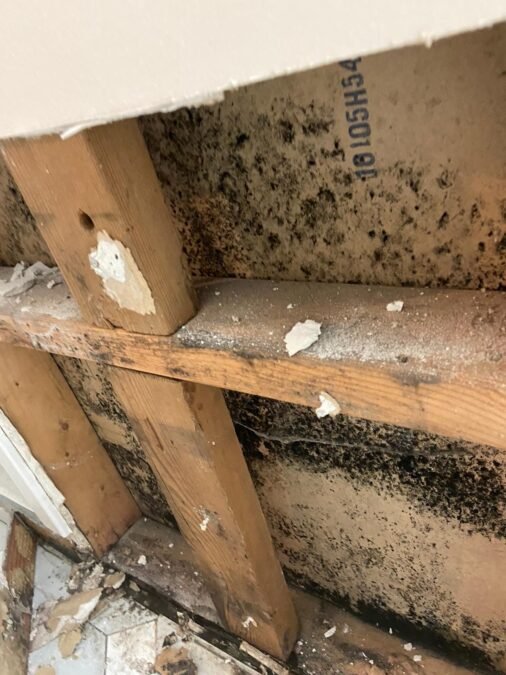
Black mold growing on attic roof sheathing in Toronto home
Uncategorised

Mold Removal in Yorkville, Toronto

CPR24 Restoration provides mold removal in Yorkville, Toronto for condos, houses, rental properties and commercial spaces. We assess visible mold and moisture concerns, identify affected building materials, and provide a written remediation estimate. Depending on the findings, work may include containment, selective drywall removal, HEPA vacuuming, detailed cleaning, antimicrobial treatment and air filtration. Mold remediation starts with understanding the moisture problem. Whether you have staining around a condo window, mold behind a bathroom vanity or damage following a plumbing leak, our inspection helps determine what needs cleaning, what may require removal and what moisture conditions need attention. Our on-site inspection is $250 plus HST and includes a written report, photographs and an estimate for recommended work. The mold inspection fee is credited toward remediation when you proceed with CPR24 Restoration. Call 416-551-8287 to arrange an assessment in Yorkville. Mold Inspection in Yorkville: What Is Included? CPR24 Restoration’s on-site inspection costs $250 plus HST. It includes an assessment of accessible areas of concern, moisture readings, thermal imaging where appropriate, photographs, a written report and an estimate for recommended remediation. The mold inspection fee is credited toward the remediation work when you proceed with our company. Thermal imaging helps identify temperature differences that may indicate moisture concerns. It does not identify mold species or confirm mold behind a wall. Moisture meters and further investigation help assess suspicious areas. If opening a wall or ceiling is recommended, we explain the proposed work before proceeding. Mold Removal for Yorkville Condos and Rental Properties Mold work in a condo or occupied rental property requires planning around access, occupants and the affected building materials. Before starting, tell us about your building’s contractor requirements, approved working hours, elevator bookings and any documentation requested by property management. If moisture affects a wall adjoining another unit or a common area, further investigation or coordination with building management may be necessary. The inspection helps establish the visible scope and identify areas that need additional assessment. For rental properties, please arrange access with the occupant and share any available leak history, repair records or previous reports. How Our Mold Remediation Process Works How Much Does Mold Removal in Yorkville Cost? Mold removal is priced according to the work required at the property. The main cost factors include: CPR24 Restoration provides a written estimate following the inspection. Check the estimate for what is included in remediation and whether drywall replacement, painting, flooring or other repairs are quoted separately. Does Moldy Drywall Need to Be Removed? Mold-contaminated drywall may require removal because contamination can extend into the material or onto its concealed paper backing. Painting over affected drywall does not resolve contamination within the material or correct the moisture source. The appropriate scope depends on the condition of the drywall, the extent of visible damage, moisture readings and findings during investigation. Some surrounding materials may be suitable for cleaning, while others require replacement. Is Air Quality Testing Required Before Mold Removal? Air testing is not automatically required when visible mold and the moisture problem can be assessed directly. Health Canada generally does not recommend routine residential air testing for mold. Sampling may be recommended for a specific investigation or an independently defined verification requirement. Laboratory testing is separate from CPR24 Restoration’s standard $250 plus HST inspection. We explain any proposed testing and its additional cost before proceeding. Can Mold Return After Remediation? Yes. Mold can return if the moisture conditions that supported it remain or recur. Remediation should be accompanied by correction of the relevant leak, condensation, ventilation or humidity problem. Follow the recommendations in your inspection and completion documentation, monitor previously affected areas and investigate new staining, dampness or musty odours promptly. Book a Mold Inspection in Yorkville Have you noticed visible mold, water staining or a persistent musty smell in your Yorkville property? Contact CPR24 Restoration to arrange an on-site assessment and written remediation estimate. The inspection is $250 plus HST, including the written report, photographs and estimate. The inspection fee is credited toward remediation when you proceed with our team. Call 416-551-8287 or request a mold inspection online. For condo appointments, please include any property-management access requirements when booking.

Uncategorised

Water Damage Restoration in Downsview

When disaster strikes, water damage restoration Downsview becomes an urgent priority. Flooding, leaks, and plumbing problems can seriously damage your property. If not fixed quickly, these issues can lead to expensive repairs. In Downsview, heavy rain and old plumbing systems are common. CPR24 Restoration provides quick and reliable emergency water damage restoration. We help protect your home or business from more damage. Understanding Water Damage Water damage refers to any destruction caused by unwanted water intrusion. It can occur from several sources, including: No matter the cause, prompt action from CPR24 Restoration prevents long-term structural issues and health risks. Types of Water Damage Water damage is classified into three categories based on contamination: Clean Water Damage Water from burst pipes or overflowing sinks is not a big health risk. However, CPR24 Restoration must handle it quickly to avoid bigger problems. Grey Water Damage This involves slightly contaminated water, such as from dishwashers or washing machines. It needs expert water damage restoration to avoid bacterial growth. Black Water Damage The most dangerous type comes from sewage or floodwaters. It contains harmful microorganisms and requires emergency water damage restoration Downsview by trained technicians. Signs of Water Damage Early detection can save you thousands in repairs. Common indicators include: If you notice any of these signs, contact CPR24 Restoration immediately for a water inspection and extraction Downsview service. The Importance of Timely Restoration In water damage restoration Downsview, every hour counts. Water can seep into walls, flooring, and foundations, weakening your structure and creating conditions for mold. Acting quickly minimizes: With 24/7 water damage restoration Downsview, CPR24 Restoration ensures immediate response, protecting both property and health. Benefits of Choosing CPR24 Restoration Partnering with CPR24 Restoration offers several advantages for homeowners and businesses in Downsview: 1. 24/7 Emergency Response We provide emergency water damage restoration Downsview around the clock. Our rapid response team arrives within 45 minutes to start the water extraction Downsview process. 2. Certified Expertise Our technicians are IICRC-certified in water mitigation Downsview, ensuring your property is restored safely and effectively. 3. Full-Service Restoration From cleanup to reconstruction, CPR24 Restoration handles water damage repair Downsview for walls, flooring, insulation, and paint. 4. Insurance Assistance We coordinate directly with adjusters to simplify your insurance claim, providing documentation and estimates for water damage restoration Toronto claims. The Water Damage Restoration Process Understanding the process helps homeowners feel confident when disaster strikes. Here’s how CPR24 Restoration executes professional water damage restoration: 1. Assessment and Inspection Our experts conduct a full evaluation of affected areas, identifying the source and severity of damage. Whether it’s basement water damage Downsview or kitchen flooding, we determine the best restoration plan. 2. Water Extraction Next, we use industrial pumps and vacuums for water extraction Downsview, removing all standing water. This prevents further absorption into drywall and flooring. 3. Drying and Dehumidification Once excess water is removed, we employ commercial-grade air movers and dehumidifiers to ensure complete drying. This step is crucial to prevent mold after flood cleanup Downsview. 4. Cleaning and Sanitizing Surfaces are disinfected to eliminate contaminants and odours. During flood restoration Downsview, this step is vital to remove bacteria left behind by grey or black water. 5. Restoration and Repairs The final step includes water damage repair Downsview, such as replacing drywall, insulation, and flooring. CPR24 Restoration restores your property to its pre-loss condition with high-quality materials and expert craftsmanship. Preventing Future Water Damage After completing professional water damage restoration Downsview, prevention becomes the priority. CPR24 Restoration recommends: Proactive maintenance is the best defense against future water damage restoration Downsview emergencies. Dealing with Insurance Claims Navigating insurance can be stressful after flooding. CPR24 Restoration assists clients throughout the process: We make the insurance process smooth so you can focus on recovery. Why Downsview Residents Trust CPR24 Restoration Homeowners and property managers consistently choose CPR24 Restoration as the best water damage restoration company in Downsview because we deliver fast, thorough, and compassionate service. CPR24 Restoration handles everything from water damage cleanup in Downsview to full reconstruction. We ensure that we restore every property to its original condition. We are dedicated to excellence and customer satisfaction. This has made us a top provider of water damage restoration near me and in Toronto. 📞 Contact CPR24 Restoration Today When water damage occurs, fast action and trusted expertise are essential. CPR24 Restoration provides reliable 24/7 water damage restoration Downsview, ensuring your property is safe, dry, and fully restored. Our certified team is always ready to help. We can assist with flood cleanup in Downsview. We also handle basement water damage in Downsview. Additionally, we provide commercial water damage restoration in Downsview. Keep your home and health safe with CPR24 Restoration. We are your trusted partner for water damage restoration in Downsview and nearby areas. For 24/7 emergency water damage restoration Downsview, call 416-551-8287 or visit www.cpr24restoration.ca. Our certified technicians specialize in water extraction Downsview, water mitigation Downsview, and water damage restoration Toronto to ensure complete recovery from any water emergency.

Scroll to Top

Water Damage, flooding, or mold issues, our expert team is available 24/7 to restore your property. Contact Us Now!

Call Now