Do I Need Mold Removal or Just Cleaning?
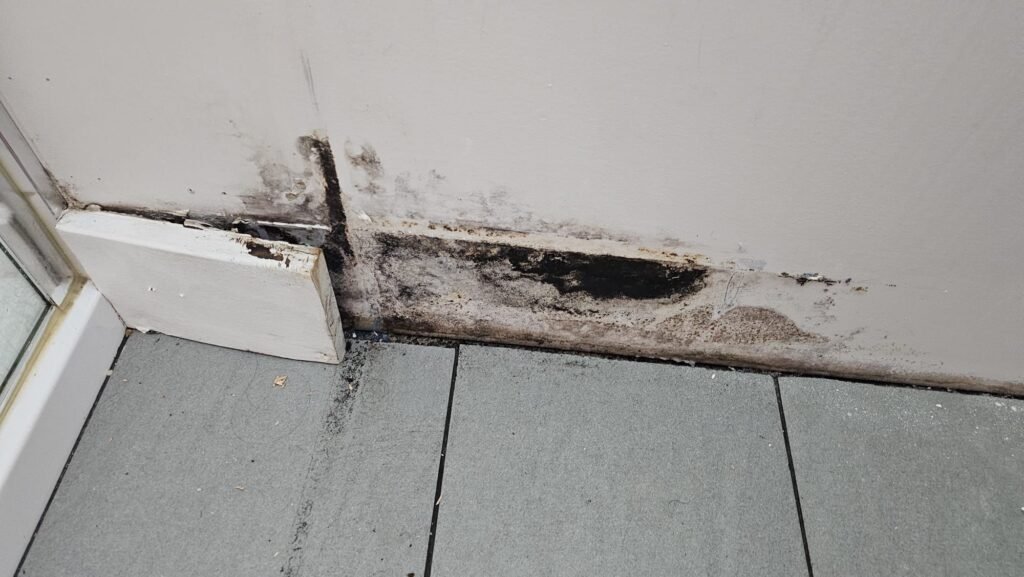
You spot mold in your home and face a key choice. Do you need professional mold removal, or can simple cleaning fix it? Mold can begin spreading within 24 to 48 hours after water intrusion. Quick action becomes essential. This blog walks you through what mold remediation versus mold cleaning means. You’ll learn about DIY mold removal sufficiency and professional mold remediation services timing. This helps you make the right decision for your situation. What is Mold Cleaning vs Mold Remediation Toronto Understanding the difference between these two approaches affects your treatment strategy and long-term results. Mold Cleaning: Surface-Level Treatment Mold cleaning focuses on removing visible growth from surfaces using simple methods. We scrub mold off hard surfaces with detergent and water, then dry the area completely. This approach works on non-porous materials such as glass, metals, leather, plastics, vinyl, window sills, wood, and tiles. Surface cleaning typically involves wiping or scrubbing away visible mold with household cleaners or mild disinfectants. But this method rarely tackles why it happens, which is moisture. The treatment doesn’t address potential areas where spores may have become trapped or any issues that allowed growth in the first place. Mold returns after cleaning when you haven’t addressed the moisture source. Porous materials present a different challenge. Absorbent materials, like ceiling tiles and carpet, may need disposal if they get moldy. Mold can grow in their empty spaces and crevices. Complete removal becomes difficult or impossible. Mold Remediation: Complete Restoration Mold remediation is a detailed process that addresses all procedures to eliminate harmful mold growth. Microscopic mold spores exist naturally everywhere, making complete removal impossible. Remediation focuses on getting mold levels back to normal, natural levels, known as the point of healthy fungal ecology. The remediation process includes inspection and assessment to find the growth type and source. It also includes containment to prevent spores from spreading. Air filtration uses HEPA equipment to remove particles. The process removes mold-infested materials. It cleans and sanitizes all affected items. Finally, it restores damaged structures. Specialists use biocide, a strong cleaning agent that kills common fungi at the source. Regular household cleaners only treat the top layer. A post-remediation inspection and detailed testing provide quality assurance and confirm that technicians completed the repairs correctly. Why the Difference Matters Cleaning gives temporary relief by targeting only visible mold. Remediation offers lasting results by reducing mold risks at the source and preventing future outbreaks through moisture control. Mold can start growing again within 48 hours after water intrusion if you do not fix the water or moisture problems. Remediation preserves your investment by stopping damage before it starts. It improves air quality by protecting your family from recurring exposure. When DIY Mold Cleaning is Enough Certain conditions allow you to tackle mold cleaning yourself without professional mold mitigation services. Understanding these specific scenarios helps you make the right choice for your situation. Small Surface Areas Under 10 Square Feet The EPA states that moldy areas less than about 10 square feet (roughly a 3 ft. by 3 ft. patch) can be handled yourself most of the time. Health Canada defines small areas as one square meter or less. It allows up to three mold patches. Their total combined area must stay within one square meter. Areas smaller than 10 square feet are safe for DIY mold removal Toronto. Larger areas require professional intervention because of increased health risks and the complexity of proper containment. Non-Porous Materials Like Tile or Glass The surface type determines whether you can clean it or need disposal. You can clean non-porous materials like glass, metals, leather, plastics, and vinyl properly. Washable surfaces include window sills, wood, hard surfaces, and tiles. We scrub these surfaces using a cloth with a soap solution and dry them completely and quickly. Porous materials like ceiling tiles and carpet may need disposal if they get moldy. Mold can grow in and fill their pores and cracks. No Water Damage or Moisture Issues You must fix the water or moisture problem completely before cleanup can be finished. The mold problem will most likely return if you clean up the mold but don’t fix the water problem. Successful mold removal Toronto must address the moisture problems that allowed growth to occur initially. Cleaning visible mold without eliminating moisture sources guarantees the problem will return, often more extensively than before. No Health Symptoms Present You can attempt mold removal yourself only if you have no respiratory conditions or chemical sensitivities. Wear at least an N95 respirator to protect your mouth and nose against breathing mold. Protective gloves (non-latex, vinyl, nitrile, or rubber) protect your skin. Goggles that fully cover your eyes keep out dust and small particles. When You Need Certified Mold Remediation Professional mold mitigation becomes needed when the situation exceeds safe DIY parameters or involves complex contamination. Large Contaminated Affected Areas The EPA recommends hiring a professional for any contaminated space greater than about 10 square feet. Health Canada advises that areas larger than three square meters require qualified professional involvement. Medium remediation jobs range from 10 to 100 square feet of mold, while large jobs exceed 100 square feet. These thresholds exist because larger infestations indicate most important moisture problems and pose greater health risks during cleanup. Persistent Musty Odors Without Visible Mold You smell musty odors but can’t locate visible mold, and hidden contamination exists. Mold can hide behind walls, above ceilings, inside air vents, or within HVAC systems. The microbial volatile organic compounds that mold spores release cause these distinctive odors. Professionals use indoor air quality testing and moisture detection equipment to locate hidden colonies. Mold on Porous Materials Small areas of mold on porous materials like drywall, ceiling tiles, carpet, or upholstery require professional assessment. Contamination extends beyond what’s visible on the surface. Mold infiltrates porous substances and grows on or fills empty spaces. Complete removal becomes difficult or impossible without proper techniques. Wet insulation and contaminated porous materials often need disposal. Prevent Mold Growth Mold that returns after cleaning indicates the moisture source hasn’t been addressed. This situation requires professional intervention to identify and eliminate underlying water problems. DIY mold removal