
Mold Removal Thornhill
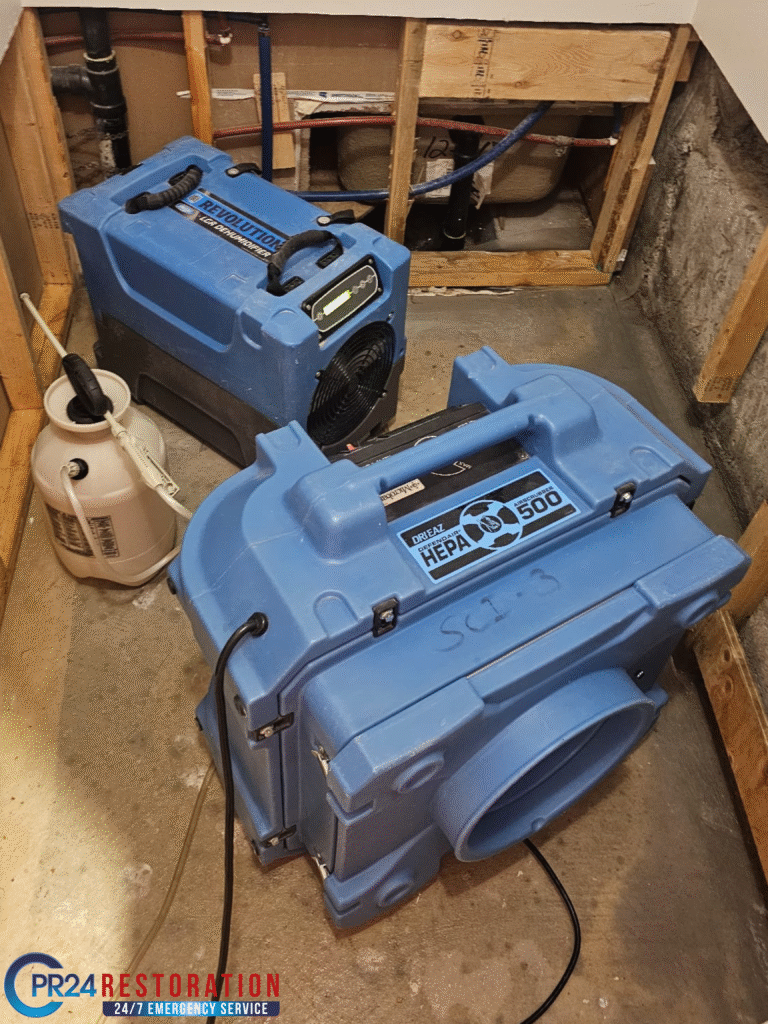
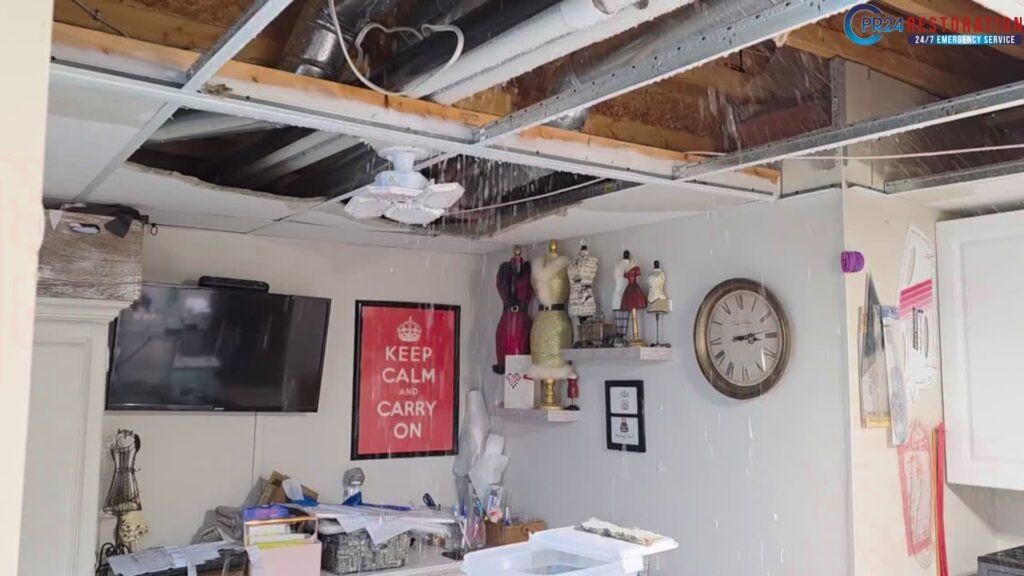
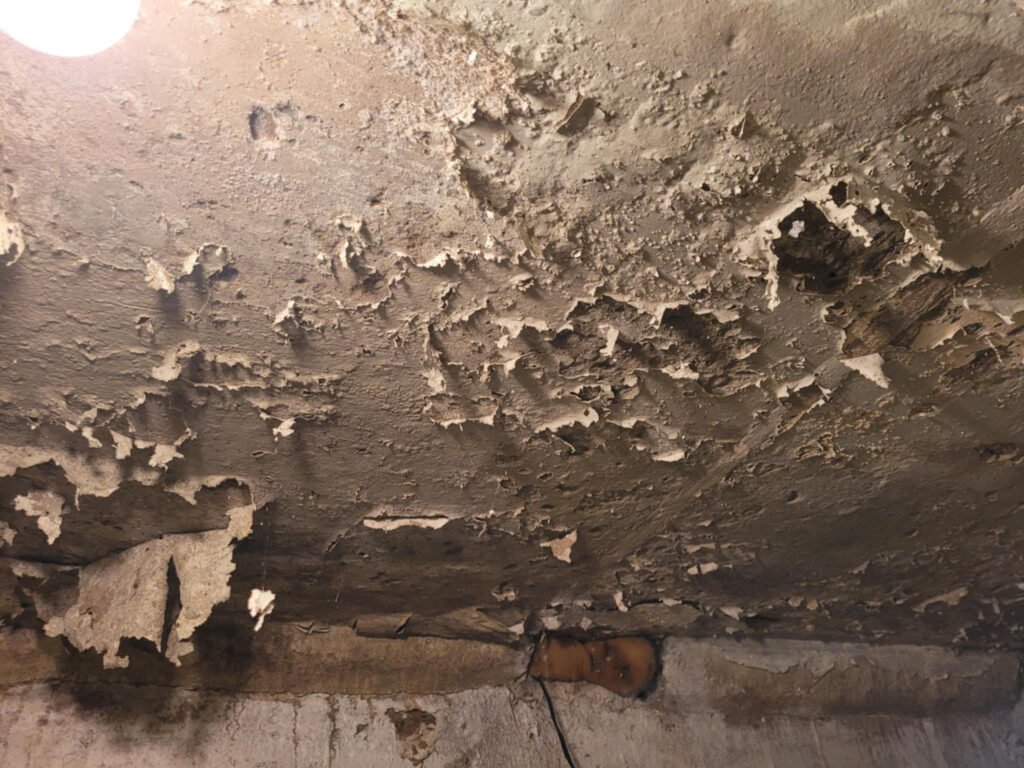
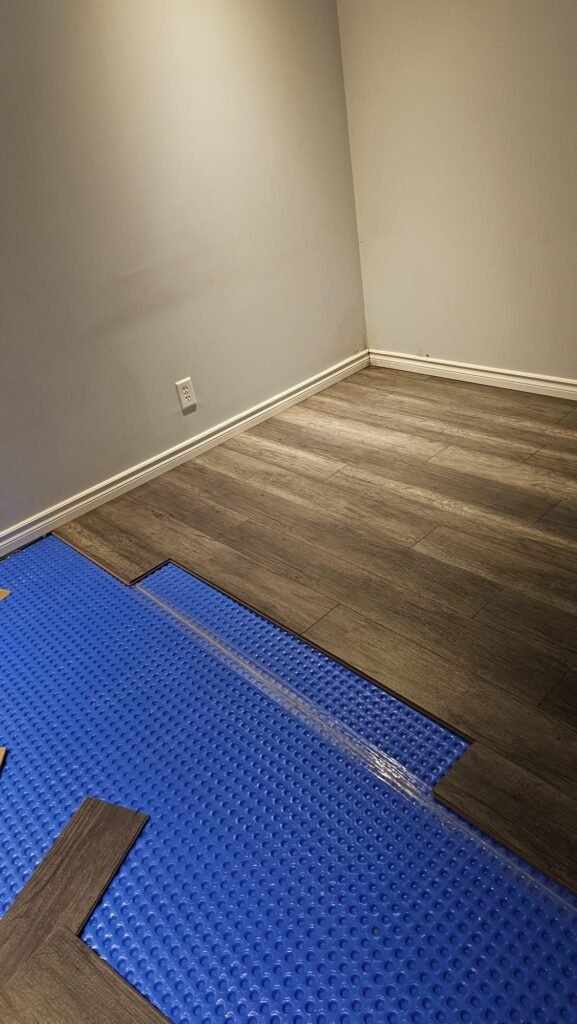
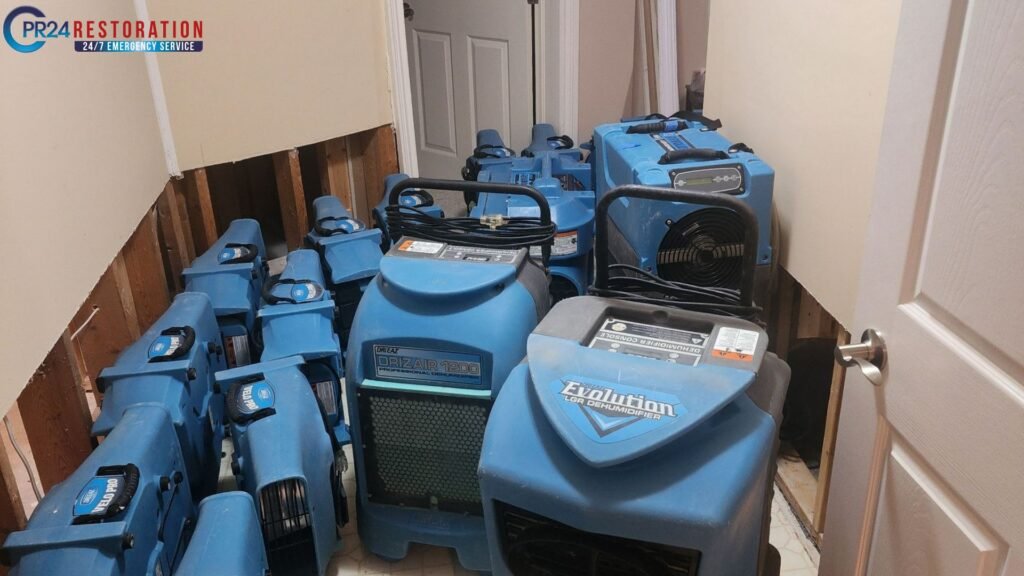
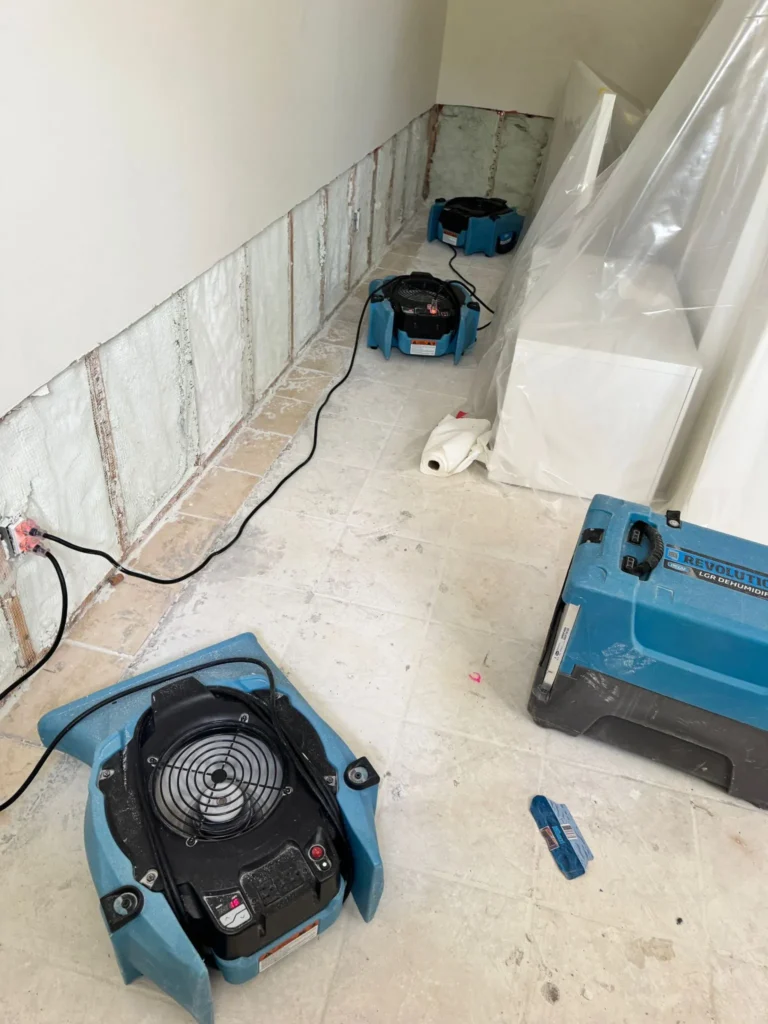
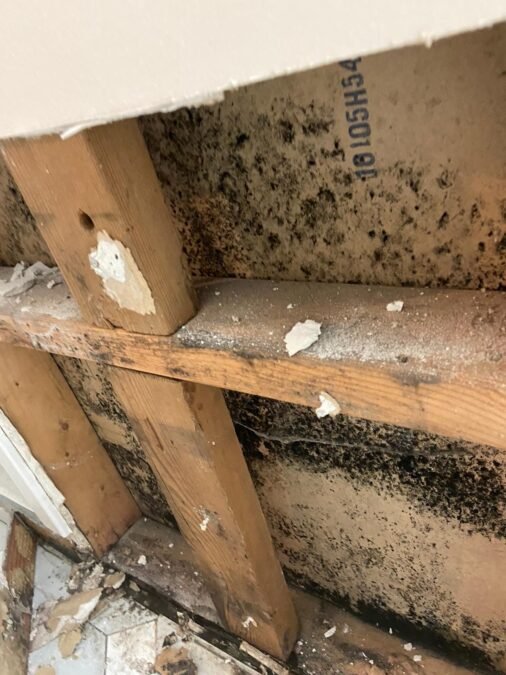
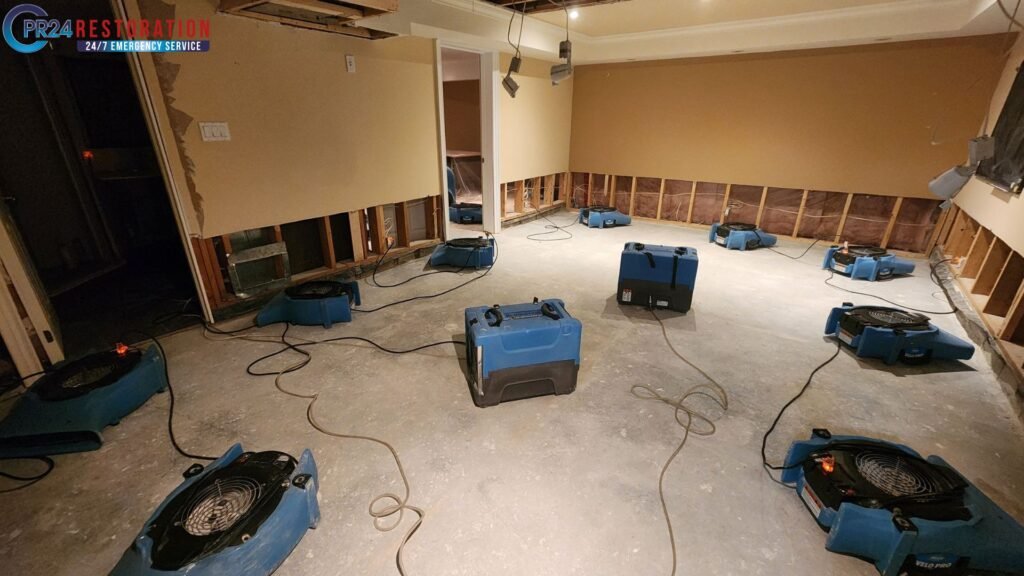
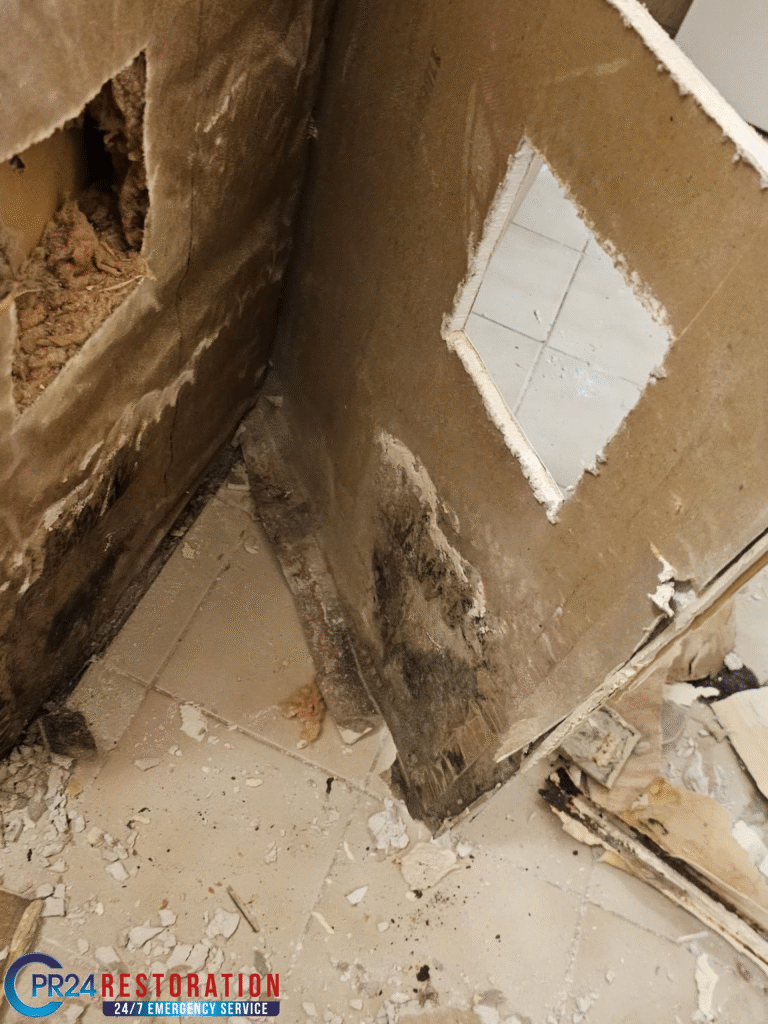
Professional mold removal in Thornhill involves identifying moisture problems, containing affected areas, removing contaminated materials, and cleaning surfaces to reduce the risk of recurring mold growth. CPR24 Restoration provides residential and commercial mold remediation services in Thornhill, helping property owners address mold caused by plumbing leaks, basement flooding, roof leaks, condensation, and excessive indoor humidity. Our IICRC-certified restoration technicians provide basement mold removal, attic mold remediation, black mold removal, bathroom mold cleanup, drywall mold removal, and mold inspection and testing. Using professional containment systems, HEPA-filtered air scrubbers, moisture detection equipment, and appropriate antimicrobial cleaning methods, CPR24 Restoration develops remediation plans based on the extent of contamination and the affected building materials. Homes and commercial properties throughout Thornhill may experience concealed mold growth behind drywall, beneath flooring, inside insulation, and in poorly ventilated basements or attics. Older plumbing systems, foundation moisture intrusion, and inadequate ventilation can contribute to persistent moisture conditions. Identifying the underlying cause is an important part of effective mold remediation. CPR24 Restoration follows applicable IICRC S520 mold remediation principles and provides professional mold remediation services throughout Thornhill and surrounding areas of Vaughan and Markham. Reconstruction services are also available separately when contaminated drywall, insulation, flooring, or other building materials require replacement. Last Updated: October, 2026 Signs You May Need Professional Mold Removal in Thornhill Mold growth is not always immediately visible. It can develop behind drywall, beneath flooring, inside insulation, and in areas affected by ongoing moisture problems. Homeowners in Thornhill should investigate musty odours, visible discoloration, recurring water leaks, and damp building materials, as these may indicate hidden mold contamination. Recognizing the early signs of mold can help property owners address moisture problems before additional building materials become affected. Musty Odours and Hidden Mold Growth A persistent musty or earthy smell may indicate mold growth behind walls, beneath flooring, or inside enclosed spaces. Even when mold is not visible, moisture from plumbing leaks, basement seepage, or condensation can create conditions that support microbial growth. A professional mold inspection can help identify moisture concerns and determine whether further investigation or testing is appropriate. Visible Mold on Walls, Ceilings, and Baseboards Black, green, grey, or white discoloration on drywall, ceilings, baseboards, and other surfaces may indicate mold growth, although colour alone cannot identify the mold species or determine its toxicity. Mold frequently develops around windows, bathroom ceilings, basement walls, and areas affected by previous water damage. When porous materials such as drywall or insulation are significantly contaminated, professional removal may be necessary. Recurring Basement Moisture and Water Damage Basements are particularly vulnerable to mold when moisture enters through foundation cracks, plumbing leaks, sump pump failures, or flooding. Damp insulation, wet drywall, and elevated indoor humidity can contribute to mold growth in concealed wall cavities. Professional basement mold removal may involve moisture assessment, containment, removal of affected drywall and insulation, HEPA vacuuming, and cleaning of exposed structural surfaces. Mold Growth in Attics and Poorly Ventilated Areas Attic mold can develop when warm, moisture-laden indoor air enters the attic and condenses on cold roof sheathing. Inadequate ventilation, air leakage, and roof leaks can contribute to persistent moisture conditions. Professional attic mold remediation may include HEPA vacuuming, surface cleaning, appropriate antimicrobial treatment, and recommendations for correcting the underlying moisture problem. Water Stains, Peeling Paint, and Damaged Drywall Water stains, bubbling paint, soft drywall, and deteriorating baseboards can indicate current or previous moisture intrusion. Although these conditions do not always mean mold is present, they warrant further assessment, particularly when moisture remains trapped behind finished surfaces. Addressing the water source and assessing affected materials are important steps in preventing additional deterioration and potential mold growth. When Should You Schedule a Mold Inspection? A professional mold inspection is recommended when visible mold continues to return, persistent musty odours are present, water damage has affected concealed materials, or the extent of contamination is uncertain. CPR24 Restoration uses moisture meters, thermal imaging where appropriate, and visual assessments to evaluate suspected mold problems. Inspection findings help determine whether professional mold remediation, further investigation, or indoor air quality testing is necessary. What to Expect During a Mold Inspection in Thornhill Professional mold inspections help identify harmful growth in your Thornhill home. You should know what happens during this process to prepare for this vital step toward a healthier living environment. Original visual and thermal assessment Certified mold inspectors start with a complete visual evaluation when they arrive at your property. Most professionals come in unmarked vehicles to protect your privacy. They check high-risk areas like basements, bathrooms, and attics for visible signs of mold growth. The inspection looks for water stains and discolouration on floors, walls, ceilings, and carpets. These experts use new technology like thermal imaging cameras. These cameras help find temperature changes that may indicate moisture issues behind walls or above ceilings. Identifying moisture sources and hidden mold Finding the root cause of mold growth is essential for a lasting solution. The inspectors use special tools like radio frequency gauges, fibre optics, and moisture meters to find hidden dampness. They get into walls, ceilings, floors, crawlspaces, and ventilation systems carefully. This detailed work helps pinpoint what’s feeding the mold growth – whether it’s leaks, condensation, or poor ventilation. Creating a scope of work and quote The professionals develop a detailed action plan after the assessment. Their report shows specific findings, recommendations, and a step-by-step remediation strategy. This document has the containment requirements, needed equipment like HEPA air scrubbers, and an estimated timeline. The scope lets you understand exactly what will happen during remediation so you can plan. Third-party air quality testing Thornhill Air quality testing proves mold presence best, especially when you can’t see the growth. Professional inspectors take air samples that accredited laboratories analyze. These tests show the types and amounts of mold spores in your home. The lab results provide legal documentation with individual identification numbers that ensure reliability. Some companies also test surfaces to identify specific mold species for proper remediation. Professional Mold Removal and Remediation Process in Thornhill Professional mold remediation in Thornhill involves identifying moisture problems, containing contaminated