
Water Damage in Central Toronto
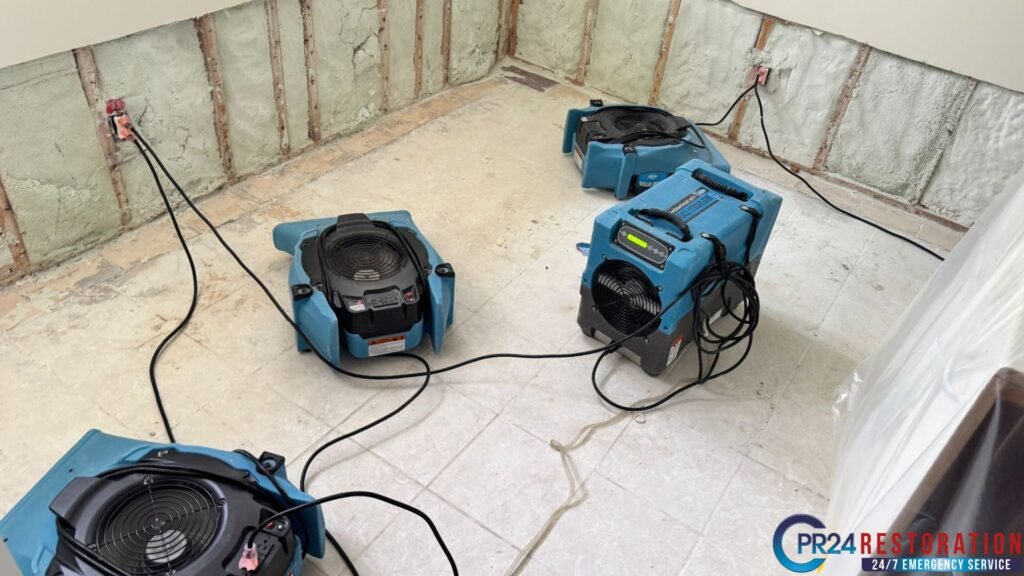
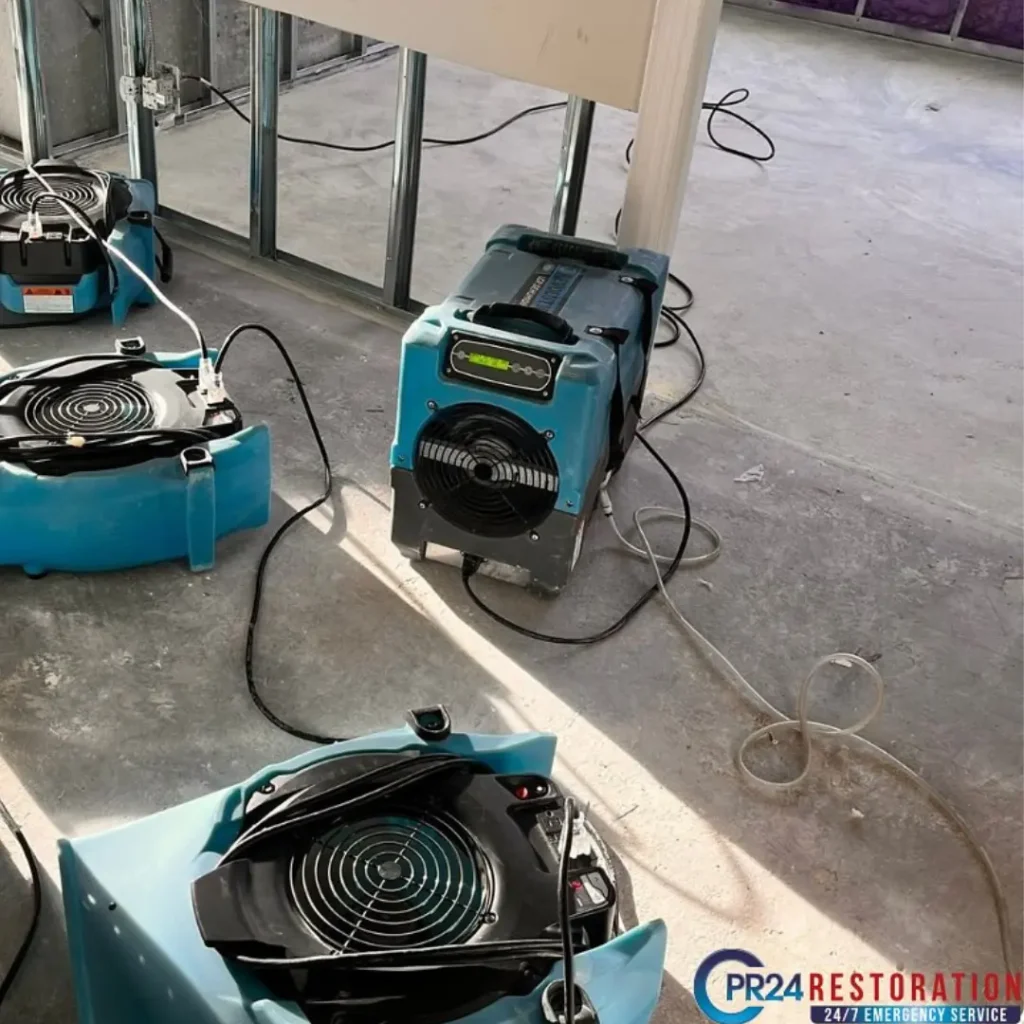
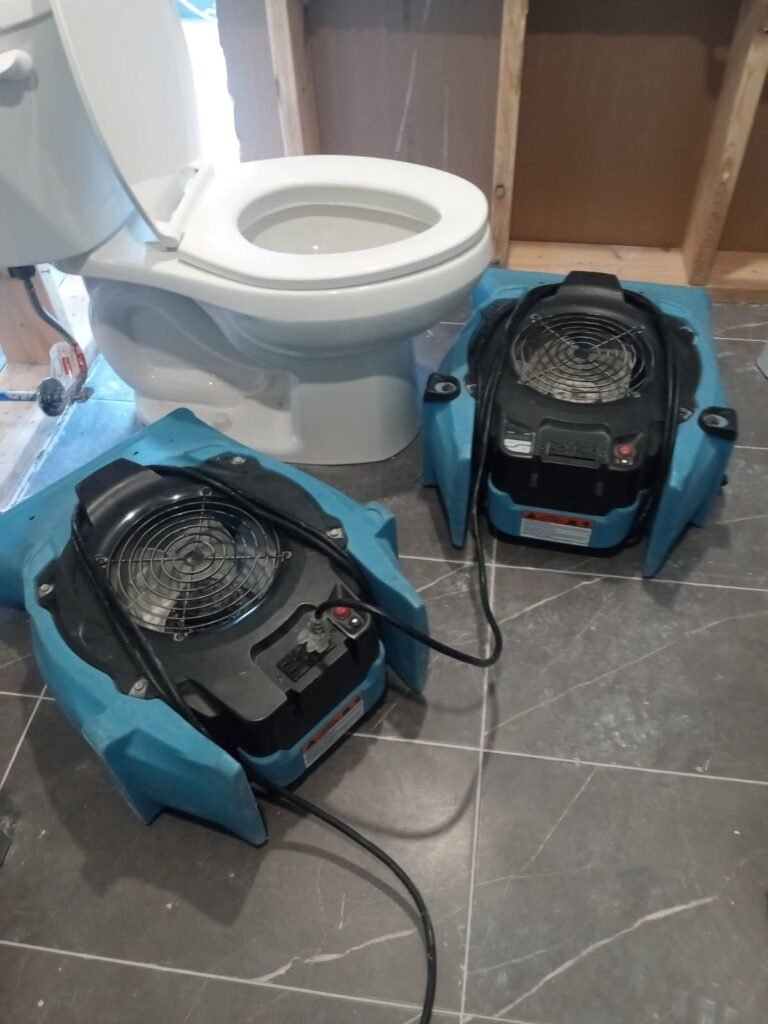
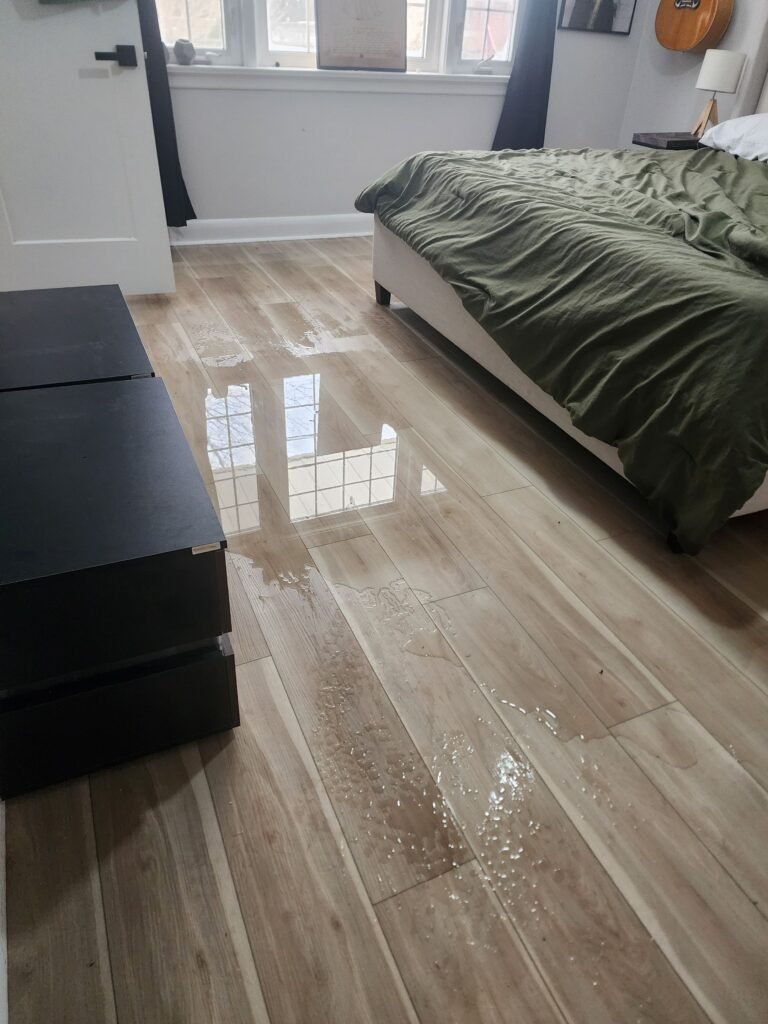
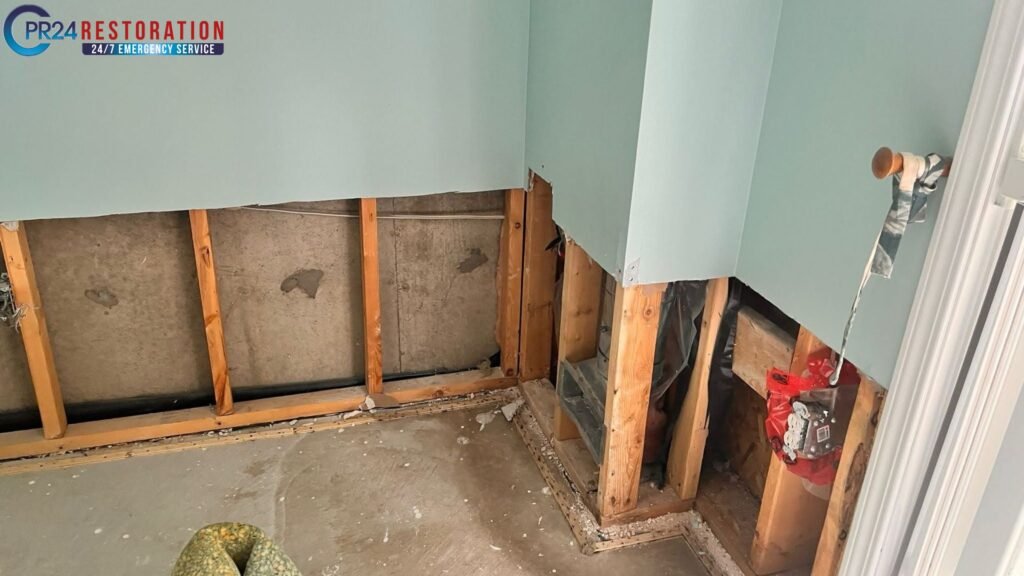
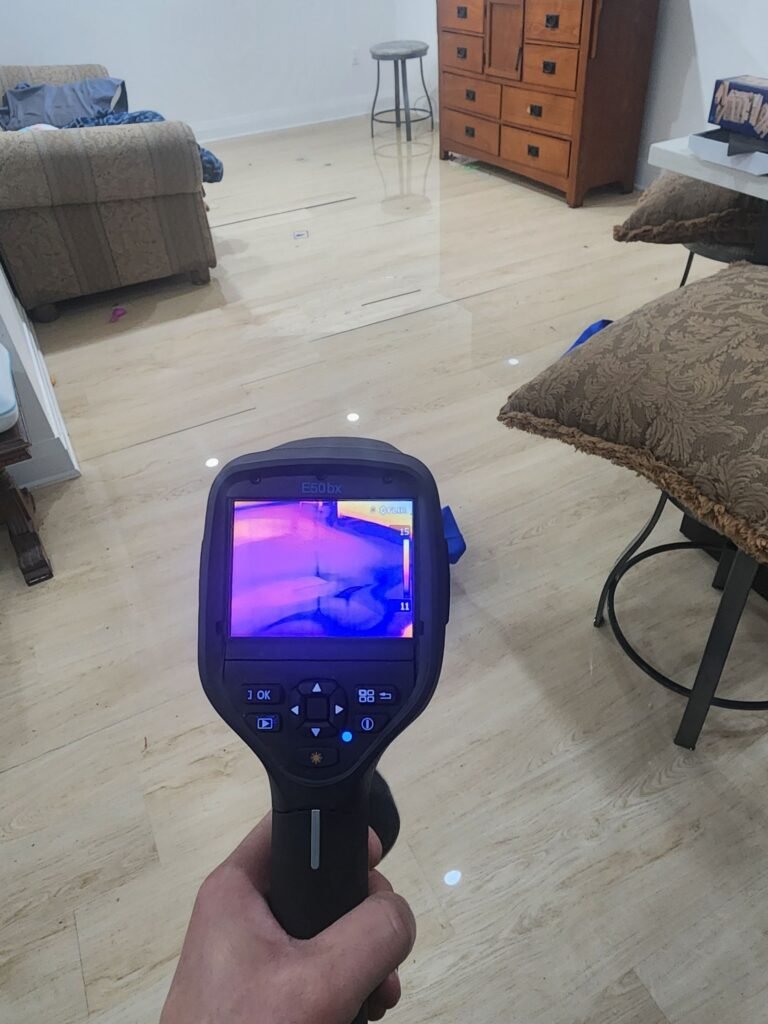
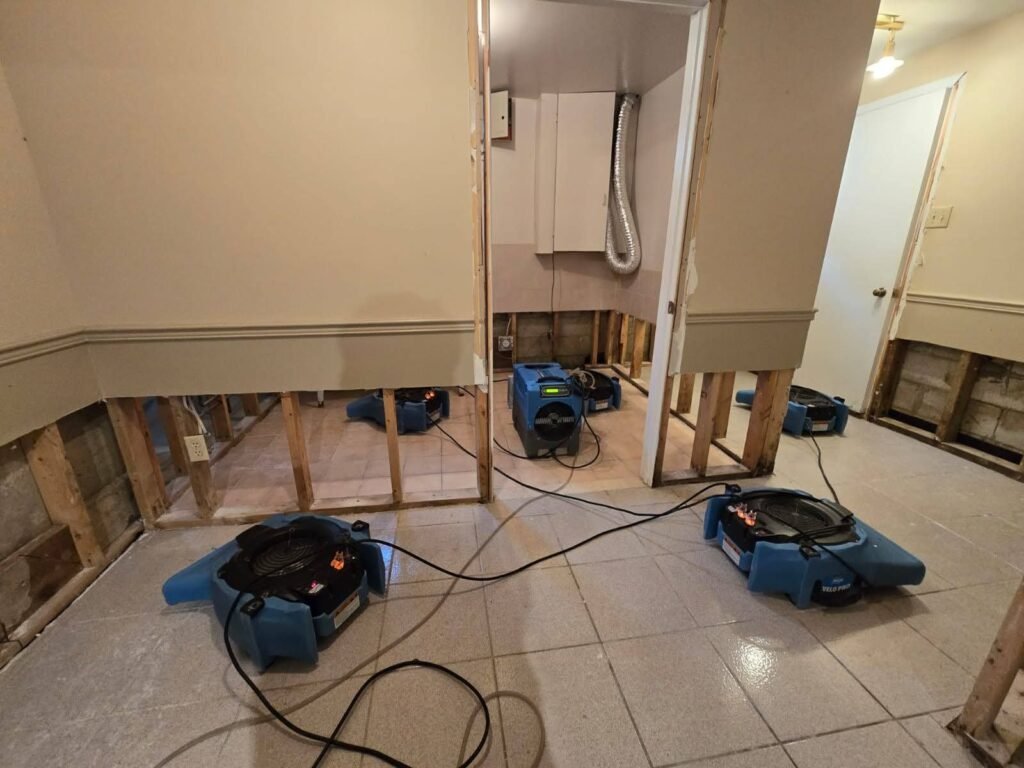
Water damage in Central Toronto can affect basements, condo units, homes and commercial properties. Burst pipes, appliance leaks, sewage backups and rainwater intrusion can leave moisture beneath flooring and inside walls, even after standing water has been removed. CPR24 Restoration is based in North York and provides 24/7 emergency water damage restoration throughout Toronto. Our team assesses affected materials, documents site conditions and prepares a written scope for water extraction, cleanup and structural drying. Where repairs are needed, reconstruction is estimated separately. This guide explains what to do when you discover water damage, how drying progress is checked and what documentation may be needed for an insurance claim. Call 416-551-8287 to discuss your situation, availability and the expected arrival time. What Should You Do After Discovering Water Damage? Keep people and pets away from the affected area. Do not enter floodwater if it may be in contact with electrical outlets, appliances or cords. Never approach a breaker panel if doing so requires standing in water. If you can safely reach the water shutoff without entering the affected area, stop the supply to a leaking pipe or appliance. For a condo leak, notify building management so they can coordinate access and investigate whether other units or common areas are affected. Photograph visible damage from a safe location and contact your insurer to report the loss. A restoration assessment can then establish the affected areas, necessary cleanup and proposed drying work. Sewage backups require particular care because the water may be contaminated. The Water Damage Restoration Toronto Process The water damage restoration process follows a scientific approach that ensures full recovery of affected properties. The process needs specialized equipment and certified professionals who follow industry-standard protocols. 1. First look and damage check Professional restoration starts with a complete evaluation that uses advanced technology. Certified technicians use infrared cameras and moisture meters to find hidden water pockets inside walls or under floors. The team classifies water contamination into three categories: clean water (safe), gray water (contaminated with bio-pollutants), and black water (severely contaminated, typically sewage). This assessment helps technicians create a detailed fix-it plan and document everything for insurance claims. 2. Getting rid of water The team focuses on removing standing water quickly after completing the assessment. Restoration teams use powerful pumps, specialized vacuums, and water extractors to remove water. Quick extraction matters because water can spread faster, which increases damage and costs every hour. A certified team’s early arrival gives a better chance to reduce structural damage and stop mold from growing. 3. Structural Drying and Moisture Monitoring. Removing standing water is only the first stage. CPR24 Restoration uses moisture readings to assess affected materials and determine where drying equipment is needed. Depending on the findings, the scope may include air movers, dehumidifiers and access to wet wall or floor cavities. Drying progress is checked through recorded readings rather than surface appearance alone. The duration depends on the materials, extent of saturation, access and site conditions. Materials that cannot be appropriately cleaned or dried may require removal, with the proposed work explained in the written scope. 4. Making it clean and safe The next step involves cleaning and disinfection to kill contaminants and prevent mold growth. The team applies antimicrobial treatments throughout affected areas. They clean all usable items using the right methods for each type of material. They also safely remove and dispose of damaged materials. 5. Fixing and rebuilding The last phase brings the property back to its original condition. The work might include replacing drywall, flooring, insulation, or rebuilding certain areas completely. Certified companies handle everything from small fixes to full rebuilds, which removes the need to work with multiple contractors. Choosing the Right Water Damage Restoration Company Choosing a qualified water damage company in Toronto can make a significant impact. It can lead to proper recovery or lasting property issues. Let’s get into what makes the water damage services in Toronto stand out from less reliable options. What to look for in a certified restoration company Water damage requires companies with proper credentials and 24/7 emergency response capabilities. You need to check that they use advanced tools. These include thermal imaging cameras and high-quality dehumidifiers. These tools find and fix hidden moisture. Why IICRC certification matters – Water Damage Restoration Toronto The Institute of Inspection, Cleaning and Restoration Certification (IICRC) sets industry standards that legitimate restoration companies must meet. IICRC-certified technicians have specialized knowledge about water damage classification, equipment operation, and effective drying techniques. Their recognized protocols earn respect from insurance companies, which helps streamline your claims process. Questions to ask before hiring a restoration service You should think about asking these questions before choosing a water damage restoration service: Benefits of working with local Toronto experts Toronto’s local restoration companies understand the city’s unique challenges, including aging infrastructure and specific building codes. They respond faster in emergencies and have strong relationships with local insurance providers. Their knowledge of Toronto’s climate-related water issues leads to quicker restoration with fewer complications throughout the process. Water Damage Insurance Claims: Documentation and Adjuster Coordination CPR24 Restoration assists property owners with the documentation needed for water damage insurance claims. With your authorization, our team communicates directly with your insurance adjuster about the proposed restoration scope and supporting information. Depending on the project, we provide itemized Xactimate estimates, site photographs, moisture readings, drying records and reports describing affected materials. We answer questions about the work and discuss requested estimate revisions with the adjuster. Emergency mitigation and reconstruction are documented separately so you can understand the work proposed at each stage. Your insurer determines coverage and claim approval under your policy. We confirm payment arrangements with you rather than assuming the insurer will pay CPR24 Restoration directly. Sewage Backup Cleanup Project in Downtown Toronto CPR24 Restoration completed sewage backup cleanup work at a property in Downtown Toronto. This type of water damage requires particular attention to contamination when assessing affected areas and planning the cleanup. For sewage backup restoration, the proposed work depends on the materials affected, the extent of contamination and