

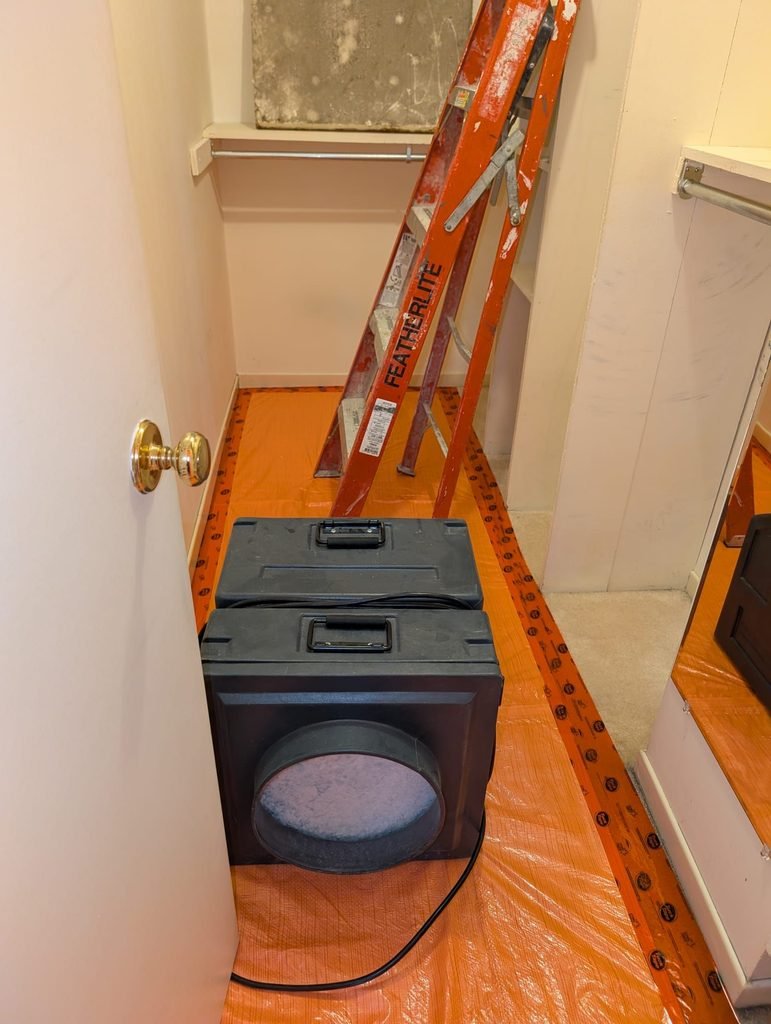
Mold removal in Ancaster
Mold growth is more than an unpleasant stain on a wall or ceiling. For homeowners, landlords, and business owners, it can point to moisture problems that need attention before they spread. If you are looking into mold removal in Ancaster, the most useful starting point is understanding what mold needs to grow, when cleaning is not enough, and how professional mold remediation helps protect your property. When should you consider professional mold removal? You should consider certified mold removal when mold covers more than a very small surface area, keeps coming back after cleaning, appears after a leak or flood, or is located near HVAC systems, insulation, drywall, flooring, or other porous materials. Surface cleaning may remove what you can see, but it often does not address hidden moisture or contamination behind building materials. A careful remediation process focuses on both removal and prevention, which is why professional support is often the safer choice for larger or recurring problems. Mold can grow in homes, offices, retail spaces, rental units, basements, attics, and utility rooms. In many cases, the visible patch is only one clue. Musty odours, bubbling paint, staining, warped materials, or recent water damage can all suggest a deeper issue. The sooner the source is investigated, the easier it is to reduce damage and disruption. Why mold develops in Ancaster properties Mold needs moisture, organic material, and the right conditions to grow. Many buildings naturally contain materials mold can feed on, such as wood, paper-faced drywall, dust, and some fabrics. The factor you can usually control is moisture. In Ancaster homes and commercial buildings, mold concerns often begin with everyday issues rather than dramatic events. A slow plumbing leak under a sink, condensation around windows, poor attic ventilation, damp basement corners, or an appliance leak can create the right environment. Even small amounts of trapped moisture can become a problem if they are ignored. Common contributors include: Understanding the cause matters because mold removal without moisture control is incomplete. If the water source remains, mold may return even after a thorough cleaning. What does a professional mold removal process include? A professional mold removal process includes assessment, containment, safe removal, cleaning, drying, and prevention recommendations. The exact steps depend on the size of the affected area, the materials involved, and whether the issue is residential or commercial. The goal is not only to remove visible growth but also to limit spread and reduce the chance of recurrence. A typical remediation approach may include: This is why many people searching for mold removal ancaster services are not just looking for cleaning. They are looking for a practical solution that deals with the conditions that allowed mold to appear in the first place. Residential mold concerns deserve careful attention In a home, mold problems can feel personal and stressful. You may notice a musty smell in the basement, dark marks around a bathroom ceiling, or staining near a window and wonder whether it is serious. While not every mark is a major problem, it is worth taking recurring moisture seriously. Homeowners should avoid aggressively scrubbing or sanding suspected mold, especially if the affected area is large or near vents. Disturbing the material can spread particles into nearby rooms. It is also important not to paint over mold or seal it behind new materials without correcting the cause. That can hide the problem while moisture continues to damage the structure. A practical first step is to note where the issue is, when it appeared, and whether there has been a leak, condensation, or recent renovation. This information can help a remediation professional understand the likely source and recommend the right next steps. Commercial properties need a plan, not a quick patch Commercial mold issues can affect more than the building itself. They may disrupt employees, tenants, customers, inventory, equipment, and daily operations. Whether the property is an office, storefront, clinic, warehouse, restaurant, or multi-unit building, the response should be organized and documented. For business owners and property managers, commercial mold removal ancaster searches often begin after a leak, complaint, odour, or visible staining. The priority is usually to identify the affected area, contain the issue, and complete remediation with as little disruption as reasonably possible. A rushed cosmetic fix can create bigger problems later if moisture remains behind walls, under flooring, or above ceiling tiles. Commercial settings may also require coordination around access, operating hours, tenant communication, and building systems. A clear scope of work helps everyone understand what will be removed, what will be cleaned, how the area will be contained, and what repairs or moisture corrections may be needed afterward. Signs you should not ignore Mold is not always dramatic. Sometimes the early signs are subtle, and that is when action can be most useful. Watch for these indicators: If more than one sign is present, it is wise to investigate rather than wait. Mold problems rarely improve while moisture remains unresolved. Simple prevention habits that make a difference Prevention starts with moisture control. While some events are unexpected, many mold risks can be reduced with routine attention. Helpful habits include: These steps do not replace remediation when mold is already established, but they can help reduce the conditions that allow it to return. Choosing the right help in Ancaster When comparing options for mold removal in Ancaster, look for a provider that takes time to understand the source of the problem rather than offering only a quick surface treatment. Ask how the affected area will be contained, what materials may need to be removed, how moisture will be addressed, and what you should do after the work is complete. A good conversation should leave you with a clear sense of the process and the reason behind each step. Mold can be frustrating, but the solution should not feel mysterious. With the right approach, you can move from uncertainty to a practical plan. The takeaway Mold removal is most effective when it combines safe cleanup with moisture control. Whether