

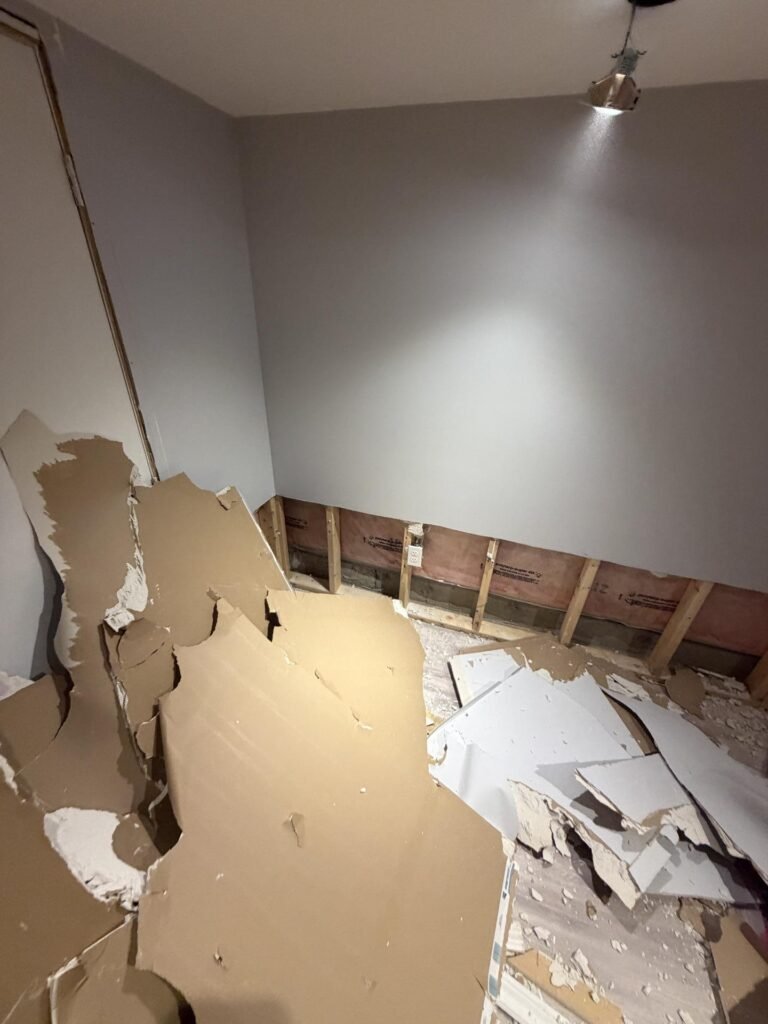
Flood in my basement Toronto
Basement flooding in Toronto ranks among the most costly home problems we face. It’s important to know the causes and solutions. It helps when water leaks in after heavy rain. It can guide emergency basement water removal. This blog explains why Toronto basements flood. It covers what to do during an emergency. It also explains how to prevent flooding with maintenance, protection programs, and insurance. What Causes Basement Flooding in Toronto Multiple factors contribute to water damage in basements. Understanding what causes basement flooding helps you address the problem at its source. Sewer Backup Service Toronto During Heavy Rain Storm events overwhelm municipal sewer systems and force water back through floor drains and basement toilets. This contaminated water requires professional attention and poses health risks. Poor Drainage and Yard Grading Improper yard grading ranks among the top causes of water leaking into the basement after heavy rain. Rainwater flows to the basement walls when soil slopes toward your foundation instead of away from it. The soil around your foundation should drop at least 6 inches over the first 10 feet away from your home. Soil settling creates low spots where water pools against your foundation. The backfilled soil used during construction stays more porous than the surrounding earth. It absorbs more moisture near foundation walls. Toronto’s clay-heavy soil retains water and creates constant saturation around foundations. This makes additional drainage solutions necessary. Downspouts dumping water near your foundation compound the problem. A one-inch rainfall drops about 600 gallons of water on an average-sized roof. Extend downspouts 6 to 10 feet away from your home. This keeps the water from soaking the soil under your foundation. Sump Pump Failure Sump pump issues account for most Toronto basement flooding emergency calls. The five common failure points include: Power outages during storms leave standard sump pumps unable to function. An undersized pump cannot handle high water volumes during severe weather, resulting in flooded basements. Foundation Cracks and Water Leaks Toronto Water enters basements through the path of least resistance. Cracks in concrete or mortar joints provide easy entry points. Settlement and ground movement create stress-induced cracks in basement walls. Pipe penetrations and improperly sealed cord or wire openings also allow water seepage. Hydrostatic pressure from groundwater pushes against foundation walls and floors. When rainwater saturates the soil, the resulting pressure forces water through any cracks or gaps in the foundation. Plumbing Failures and Burst Pipes Toronto Internal plumbing issues cause basement water problems. Water heaters last 6-12 years, but system leaks result in water pooling on the basement floors. Worn-out washing machine hoses lead to leaks and appliance malfunctions. Frozen pipes burst during winter and cause water damage, especially when you have preexisting foundation cracks. What to Do When You Have a Flooded Basement Toronto Act fast if you find water on the basement floor. It can prevent major structural damage and limit cleanup. Ensure Safety First Turn off the electricity at the main breaker panel before you enter any flooded area. Water and electrical current create deadly conditions. Wear rubber boots, waterproof gloves and a mask when you enter the space. Floodwater carries sewage, chemicals and harmful bacteria. Children, pregnant women and people with respiratory problems should never handle water and materials that sewage has contaminated. Contact your local public health department if you suspect sewage contamination for proper disinfection procedures. Stop the Water Source Check external sources like foundation cracks, windows or walls where water seeps through. Inspect plumbing fixtures, water heaters and washing machines for leaks during dry weather. Turn off the water at the main supply if a pipe has burst, or use the shutoff valve for specific appliances. Verify your sump pump functions correctly, since pump failure commonly causes basement flooding emergencies. Document the Damage for Insurance Record a video walking through the flooded space before cleanup begins. Narrate what you see: water level, first appearance location, affected belongings and water appearance. Follow with close-up photos of every damaged area and item. Include a ruler for scale where water depth matters. Create an itemized list of damaged contents with descriptions, approximate values and serial numbers for electronics. Save every receipt for cleanup supplies, equipment rentals and emergency repairs. Call your insurer right after documentation. Remove Water and Start Drying Mold grows within 24 to 48 hours, so speed matters. Use a floor squeegee or wet/dry vacuum for small amounts. Deploy submersible pumps for moderate to severe flooding. Remove soaked carpeting, furniture, drywall, insulation and particleboard items that floodwater has exposed. Open windows and doors, run fans to circulate air and operate dehumidifiers continuously until the basement dries. How to Prevent Basement Flooding in Toronto Protect your basement by targeting vulnerabilities before water arrives. The following steps address common failure points that lead to Toronto basement flooding. Install a Backwater Valve A backwater valve prevents sewer water from flowing back into your home during heavy rain. This mechanical device closes when sewage tries to reverse direction through your pipes automatically. One installation addresses the sewer backup problem that overwhelms municipal systems during storms. Maintain Your Sump Pump Test your pump quarterly. Pour water into the pit until it activates. Clean the intake screen and check the discharge line for blockages. Verify the float switch moves freely. A battery backup system keeps the pump running during power outages. Pumps need replacement every seven to ten years before motor failure occurs. Improve Yard Grading and Downspouts Regrade soil to slope away from your foundation and create positive drainage. Downspouts should extend at least six feet from the house to prevent roof runoff from saturating foundation soil. Splash blocks or underground drainage pipes direct water further away. Fill low spots where water pools near the foundation. Waterproof Your Foundation Seal cracks in basement walls and floors with hydraulic cement or epoxy injections. Apply waterproof coating to interior walls in areas prone to seepage. Persistent problems may require exterior waterproofing. This involves excavation around the foundation and application of membrane barriers. Window well covers keep rain out of the basement windows. Regular Inspection and