

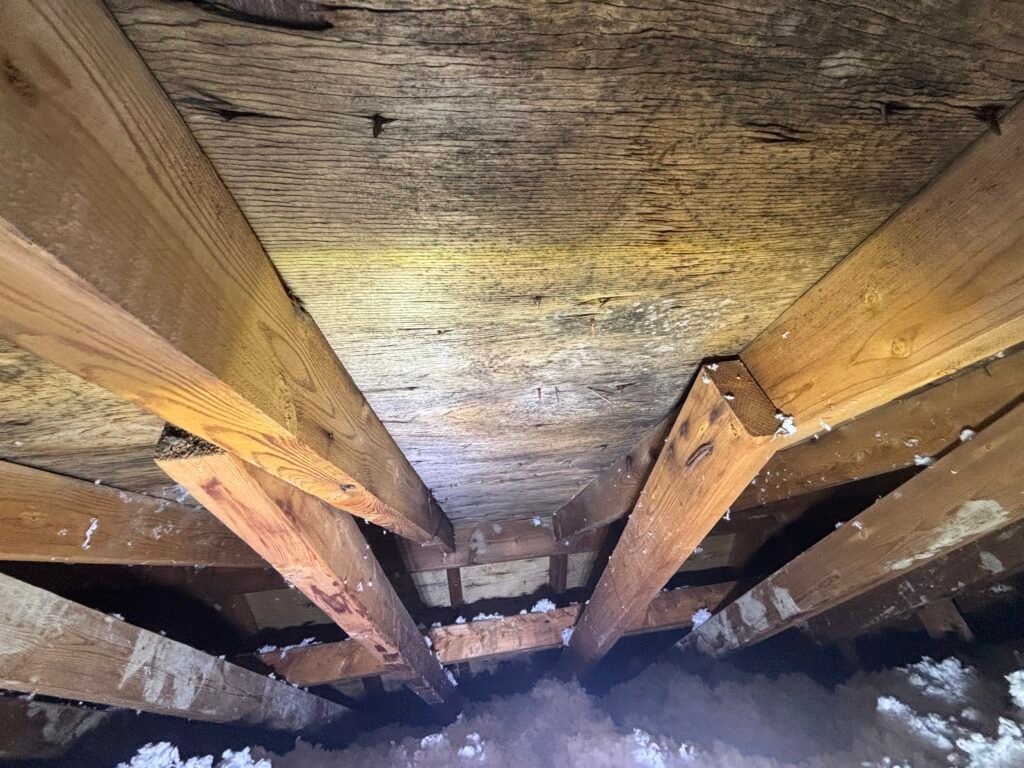
Attic Mold Removal GTA
Mold removal Toronto homeowners need is not just about looks. The city’s humid summers and cold, damp winters can cause attic mold to grow. Mold growth can occur in just 12 to 48 hours when conditions line up. What starts as a minor issue can grow into serious health risks. These risks include allergies and breathing problems, especially for children and seniors. Ignoring attic mold can lead to pricey repairs ranging from $5,000 to $20,000. We’ve created this complete guide to help GTA residents with attic mold removal. It explains the causes and warning signs. It also covers professional mold removal services in Toronto. This guide helps you protect your home and family. Why Attic Mold Removal Is Critical in the GTA Attic mold removal in the GTA isn’t something you can postpone. The consequences extend way beyond surface-level concerns and affect multiple aspects of your home and well-being. Health Risks from Mold Exposure Mold spores don’t stay confined to your attic. They travel through your HVAC system and air ducts and circulate throughout your entire home. Symptoms may start when you breathe in these tiny particles. You may cough or wheeze. You may have nasal congestion. Your eyes may itch or water. You may get headaches. You may feel chronic fatigue. Many homeowners find these symptoms mimic a cold or flu that never seems to improve. The risks intensify if you have vulnerable family members. Children, elderly relatives, and immunocompromised individuals face dangers that are by a lot higher. Research shows that children living in homes with mold have triple the risk of low IQ scoring. Residential dampness or mold could account for 8-20% of respiratory infections in both children and adults. Certain molds produce mycotoxins, toxic compounds that cause more severe health implications. Prolonged exposure leads to neurological symptoms including memory loss, dizziness, depression, and slower reaction times. We’ve seen cases where adults exposed to mycotoxins exhibit disordered brain function and changes in balance. Structural Damage to Your Home Mold attacks the structural integrity of your home beyond health concerns. It feeds on wood and weakens rafters, beams, roof sheathing, and support structures. Wood rot often accompanies mold growth since both thrive in damp conditions and accelerate the deterioration process. Mold doesn’t stop at wood. It destroys insulation by trapping moisture and reducing effectiveness while compromising your home’s energy efficiency. Mold spreads to other areas through floors and ceilings once it takes hold in the attic. The more extensive and expensive repairs become the longer you wait. Effect on Property Value Buyers avoid properties with mold history, even after remediation. You must disclose mold-related issues during the selling process, and that disclosure delays or prevents sales. Home attic mold inspections reveal mold problems and give buyers negotiating power to demand price reductions. Investing in professional mold removal services Toronto experts provide protects your property value and keeps your home marketable. Common Causes of Attic Mold in GTA Homes Understanding what triggers mold growth helps you prevent it. Several factors can create ideal conditions for attic mold in the GTA. Ventilation issues cause nearly 90% of the cases we see. Poor Attic Ventilation Blocked or insufficient ventilation stands as the leading culprit. Your attic needs passive ventilation. Cool air enters through the soffit vents at the bottom. It warms up and escapes through ridge vents or can vents at the top. The whole system fails when insulation blocks these soffit vents. Warm, humid air stagnates and condenses on cold wood sheathing during winter months. This creates wet surfaces where mold runs rampant. Building codes require one square foot of venting for every 100 square feet of attic space. Many GTA homes fall short of this standard, especially older properties built before current regulations. Roof Leaks and Water Damage Roofing materials deteriorate over time. Damaged shingles, cracked flashing, and poorly sealed vents allow moisture into your attic. These leaks often escape notice for weeks or months because people don’t occupy attics regularly. Mold can begin growing in as little as 24 to 48 hours once water enters. What starts as minor water damage becomes a widespread mold infestation fast. Improper Exhaust Vent Installation Bathroom fans, kitchen vents, and dryer exhausts must terminate outside your home. Many installations route these vents into the attic. This dumps warm, moisture-laden air into an enclosed space where it can’t escape and creates localized mold pockets that spread over time. Insulation Problems Inadequate insulation allows warm air from living spaces to rise into the attic. Condensation forms when this warm air contacts cold roof surfaces. Excessive insulation without proper air sealing can block soffit vents and trap moisture. Installation near vents that cuts off airflow leads to condensation and subsequent mold growth. Condensation from Temperature Changes The GTA’s climate creates perfect conditions for condensation. Warm indoor air rises into cold attic spaces and condenses on the roof decking and framing during winter. Freeze-thaw cycles compound the problem, especially during spring when accumulated frost melts and saturates wood and insulation materials. Certified Attic Mold Removal Process Professional mold removal companies in the GTA follow a systematic approach that will give you safety and lasting results. Each step builds on the previous one to eliminate mold. Mold Inspection and Testing Certified technicians start with a detailed investigation. They use moisture meters and thermal imaging cameras to find water damage. They can check areas where mold is not visible yet. They identify the mold type and determine how far it has spread. Specialized pumps collect air samples. At least two samples are required. One is from your attic. Another is from outside as a control. Accredited laboratories analyze these samples and deliver results within 2-4 days. Technicians also examine ventilation systems, soffits, baffles and exhaust fans to pinpoint the root cause. Containment and Safety Setup The work area gets sealed with thick plastic sheeting and specialized tape before any removal begins. Negative air pressure systems push contaminated air outside. They help stop millions of tiny spores from spreading through your HVAC system. Workers wear protective