

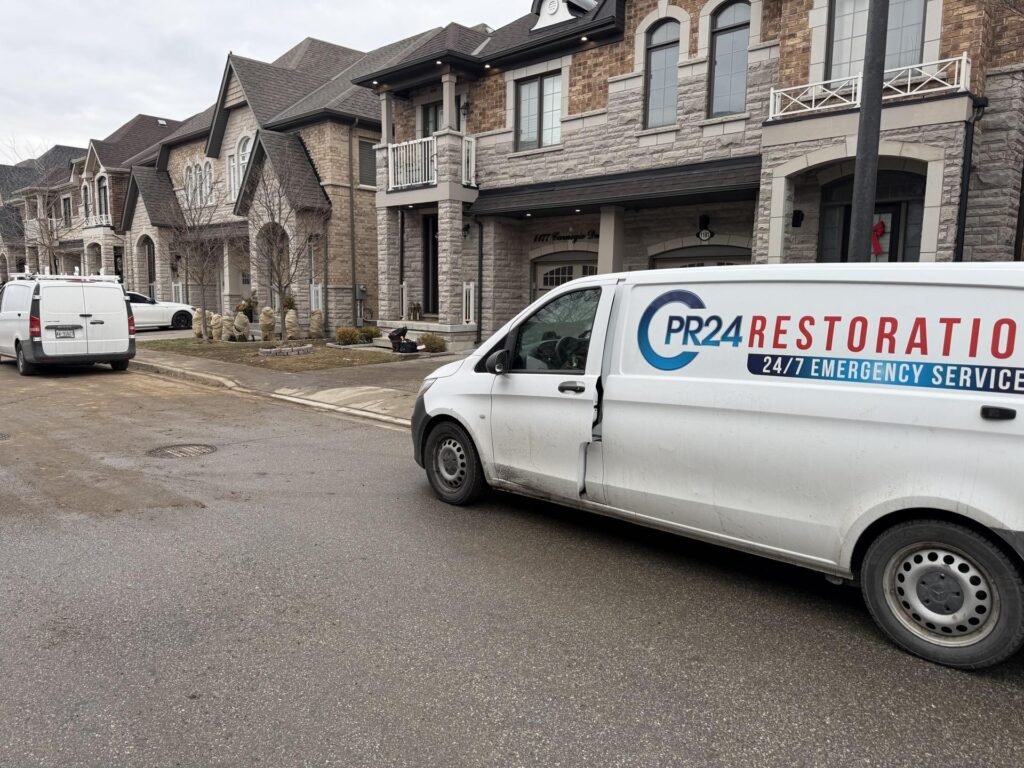
Toronto Basement Flooding in Spring
Spring brings more than warmer weather to Toronto, it brings basement flooding risks that cost homeowners. Over 20,000 homes are at risk annually, and Toronto’s 2024 storms alone led to $940 million in insured losses. Rapid snow melt and overwhelmed sewer systems create perfect conditions for flooded basements in Toronto. We understand how stressful Toronto basement flooding can be, particularly when it damages your finished basement and belongings. Most basement flooding Toronto are preventable with the right preparation and basement flooding solutions. This blog will show you how to prevent basement flooding during heavy rain. We’ll cover warning signs to watch for, practical prevention steps, and what to do if your basement keeps flooding. Why Spring Basement Flooding Happens in Toronto Rapid Snow Melt and Ground Saturation Temperatures spike in spring, and the built-up snow melts faster than the ground can handle. The math works against us: ten inches of snow translates into about one inch of liquid water. On your roof and yard, this represents thousands of gallons directed toward your foundation. The problem gets worse when the ground remains frozen beneath the surface. This creates a pavement effect where snowmelt cannot spread through the soil vertically. Hydrostatic pressure builds as saturated soil pushes against your foundation. A measurable force in pounds per square inch presses against the wall for every foot of water-saturated soil. This pressure exploits hairline cracks, aged mortar joints and any weak points in your foundation structure. Heavy Spring Rainfall Patterns Toronto receives around 800 to 850 mm of precipitation each year. Rainfall events are becoming more intense. Spring storms dump large volumes in short periods and saturate ground already soaked from snowmelt. Soil reaches maximum absorption capacity and additional rainwater pools around foundations rather than draining away. Recent climate data shows extreme rainfall events occur more frequently. Short but heavy storms place enormous pressure on drainage systems and surrounding soil. Water damage now accounts for about 48 per cent of home insurance claims. Spring contributes substantially to these numbers. Overwhelmed Sewer Systems Municipal sewer systems can take on much more water than they were built for. This happens during fast snowmelt and heavy spring rains. Sanitary sewers fill past capacity and water travels backwards through service lines into homes. This surcharging happens when the water level in sewers rises above the basement floor levels. Storm and sanitary systems struggle at the same time. Heavy rainfall combined with ground thaw creates peak loads that overwhelm aging infrastructure. Sewage can flow directly into your basement when systems reach capacity if you don’t have a backwater valve. Foundation Vulnerabilities in Toronto Homes Toronto homes built on clay soil face a higher settlement risk. Clay holds water longer than other soil types and keeps pressure elevated for days after storms. This prolonged exposure weakens foundations and allows moisture through small openings. Freeze-thaw cycles expand cracks each winter. Moisture seeps into small foundation cracks, freezes and widens those openings. This repeated expansion creates entry points for water over time. Older foundations without modern waterproofing become especially vulnerable as materials degrade and drainage systems fail. Signs Your Toronto Basement is at Risk of Flooding Spotting warning signs early can save you from basement flooding repair that might get pricey. The American Society of Home Inspectors reports that over 60% of basements in existing homes have a moisture problem. You gain time to act when you catch these indicators before water enters. Damp Walls and Musty Odours Your nose often detects problems before your eyes do. A musty smell signals excess moisture and mold growth, even when surfaces appear dry. Fungi in damp spaces release microbial volatile organic compounds that create this odour. The smell worsens after rain or during humid weather, which confirms moisture infiltration. Water seeping through your foundation appears as damp basement walls. High humidity guides condensation and mold growth. Look for white, chalky deposits on concrete walls. Water evaporates and leaves mineral salts behind. This creates efflorescence. It shows moisture has moved through your foundation materials. Water Pooling Near Your Foundation Standing water near your home creates a serious risk. Water that pools for more than 24 hours after storms signals drainage problems. This moisture increases hydrostatic pressure against foundation walls and guides basement leaks, cracks and mold issues. Watch for mulch or dirt washed away after storms and downspouts dumping water less than 4 feet from your house. These signs mean water flows toward your foundation instead of away from it. Slow Drains and Plumbing Backups The problem goes beyond a simple clog when multiple fixtures drain slowly at the same time. This indicates a main sewer line issue that can guide basement flooding. Gurgling sounds from toilets or drains signal trapped air in your plumbing system, a common result of sewer line problems. Keep in mind that water backing up in unused or lower-level drains means wastewater cannot flow out. Basement drains often show the first signs when sewer systems become overwhelmed. Cracks in Foundation Walls Foundation cracks provide direct entry points for water. Hydrostatic pressure from water-saturated soil causes walls to crack. Horizontal cracks prove more concerning than vertical ones because they indicate pressure from water pushing against your foundation. Cracks with white mineral deposits around them signal active water problems. How to Prevent Basement Flooding During Spring Prevention requires specific actions taken before spring storms arrive. It helps homeowners install protective measures. Install and Test Your Sump Pump for Basement Flooding Your sump pump removes water that accumulates around your foundation. Test it monthly if it handles washing machine drainage or quarterly otherwise. Pour a bucket of water into the sump pit to verify that the float activates and the pump clears water quickly. The discharge location should sit at least 20 feet away from your home to prevent water from draining back toward the foundation. Install a battery backup since spring storms often cause power outages when you need the pump most. Add a Backwater Valve to Stop Sewer Backups A backwater valve prevents sewage from flowing backwards into your basement when municipal sewers reach capacity. The device allows wastewater