16 March 2026

Uncategorised

Mold Removal East Gwillimbury

Mold removal East Gwillimbury services matter when toxic black mold threatens your home and health. Toxic black mold contaminates indoor air quality and causes headaches and breathing difficulties. Mold spreads by producing spores that air or water carries to new locations and results in further growth throughout your property. Our team has offered mold inspection and mold remediation services in Toronto since 2002. We have remediated thousands of homes across the GTA. We’ve removed 1.87 million pounds of mold-affected debris. We have handled minor black mold removal projects in East Gwillimbury. We also complete extensive restorations. This piece covers why professional mold removal services are essential and signs you need immediate help. You’ll also learn about our proven remediation process and how to choose the right company. Why Certified Mold Removal Services Are Essential in East Gwillimbury Health Risks of Black Mold Exposure Exposure to black mold triggers allergic reactions and respiratory symptoms that range from mild discomfort to severe health complications. Common symptoms include nasal congestion, coughing, wheezing, eye irritation, throat irritation and skin rashes. Some mold species produce mycotoxins, substances that cause headaches, breathing problems and neurological damage. People with asthma experience severe reactions when exposed to mold spores. Mold can trigger asthma attacks characterized by chest tightness and shortness of breath. If you have a compromised immune system, you face risks of fungal infections in your airways and other body parts. Children, seniors, pregnant women, and people with existing breathing problems face higher risks from mold exposure. Health Canada has concluded that indoor mold growth poses a health hazard. People who live in homes with mold or damp conditions are more likely to have health symptoms. These symptoms can include eye, nose, and throat irritation. They can also include coughing and phlegm build-up. Some people may wheeze or feel short of breath. Asthma symptoms may also get worse. Recent studies show that indoor mold exposure may raise asthma risk in children, especially those with genetic risk. Structural Damage to Your Property Mold consumes the materials it colonizes through a process called biodeterioration. Fungi secrete enzymes that break down cellulose, the main part of wood, drywall, insulation, and paper-based building materials. Mold colonies form thread-like structures called hyphae. These hyphae penetrate deep into building materials. They also produce acids that weaken the material’s molecular structure. Wooden floor joists, ceiling beams, wall studs and roof trusses are susceptible to mold damage. When moisture levels in wood exceed 20%, conditions become ideal for fungal growth. Mold destroys whatever it grows on, and if left unchecked, can weaken floors and walls by feeding on wet wood. Why DIY Mold Removal Often Fails DIY mold removal addresses only surface-level problems while neglecting the moisture issue that causes mold growth. Bleach or store-bought cleaners may remove stains for a short time, but they eliminate mold at the source in rare cases. When you disturb mold without proper containment, you release countless spores into the air. These microscopic particles settle in new areas and create further infestations throughout your home. Without equipment like HEPA-filter vacuums, air scrubbers and sealed enclosures, DIY cleanup worsens the situation. Professional mold remediation Toronto teams use specialized antimicrobial agents and containment methods that prevent cross-contamination through HVAC systems and vents. Signs You Need Mold Removal in East Gwillimbury Detect warning signs early. This helps you decide whether you need a mold inspection in East Gwillimbury. It also helps you know if you need mold removal right away. Visible Mold Growth on Walls and Surfaces Mold appears in various forms throughout your property. Fuzzy or powdery patches range from light green to brown or black in colour. Discolouration and stains on floors, walls, window panes, fabrics, and carpets signal the presence of mold. Dark spots on walls, ceilings, floors, or furniture indicate active growth. Peeling paint, warped wood, wrinkled wallpaper, and cracks in plaster suggest moisture problems that feed mold colonies. Not all mold growth is obvious. You should examine areas behind wallpaper, under flooring, inside wall cavities, and within ductwork. Mold does well in areas with less air flow, such as behind couches and under beds. Musty Odours and Poor Air Quality A persistent musty or earthy smell indicates the presence of mold even when you cannot see it. These odours result from mold releasing spores and microbial volatile organic compounds into your indoor air. Hidden mold contamination is probable if your home smells off despite thorough cleaning. Water Damage and High Humidity Areas Indoor humidity above 50-60% creates ideal conditions for mold growth. Condensation on windows, walls, or pipes signals excessive moisture. Areas near leaking roofs and water pipes need attention, especially those inside wall cavities and locations affected by flooding. Basements, bathrooms, and crawl spaces with poor ventilation are common problem zones. Persistent Respiratory Problems Worsening allergy symptoms, coughing, wheezing, and headaches that improve when you leave your home suggest mold exposure. You may have a mold infestation if symptoms ease at work but worsen at home. Recent Flooding or Leak Issues Mold begins growing within 24 to 48 hours after water exposure. Visible colonies form within 3-21 days depending on moisture levels and temperature. Contact mold removal services Toronto professionals without delay if you’ve experienced recent water damage. The Certified Mold Remediation Process Certified mold remediation teams follow systematic protocols to eliminate contamination and prevent recurrence in your East Gwillimbury property. Mold Inspection and Testing Professional remediation begins with a detailed inspection. Certified technicians assess visible mold growth and hidden mold in walls, attics, or basements. They identify moisture sources and humidity levels. Advanced tools like moisture meters and thermal imaging cameras help find damp areas where mold grows, even when unseen. Infrared cameras detect hidden moisture behind walls, ceilings and floors without destructive testing. Professional mold testing may include air samples to measure mold spore levels in the air. It may also include surface samples taken with swabs or tape lifts. Bulk testing collects pieces of suspected contaminated material. Accredited laboratories receive all samples for examination. Testing provides data regarding cross-contamination in other areas of your building. This helps create a detailed mold removal strategy. Containment and Air Filtration Containment barriers isolate affected areas using
Uncategorised

Water Damage Restoration East Gwillimbury

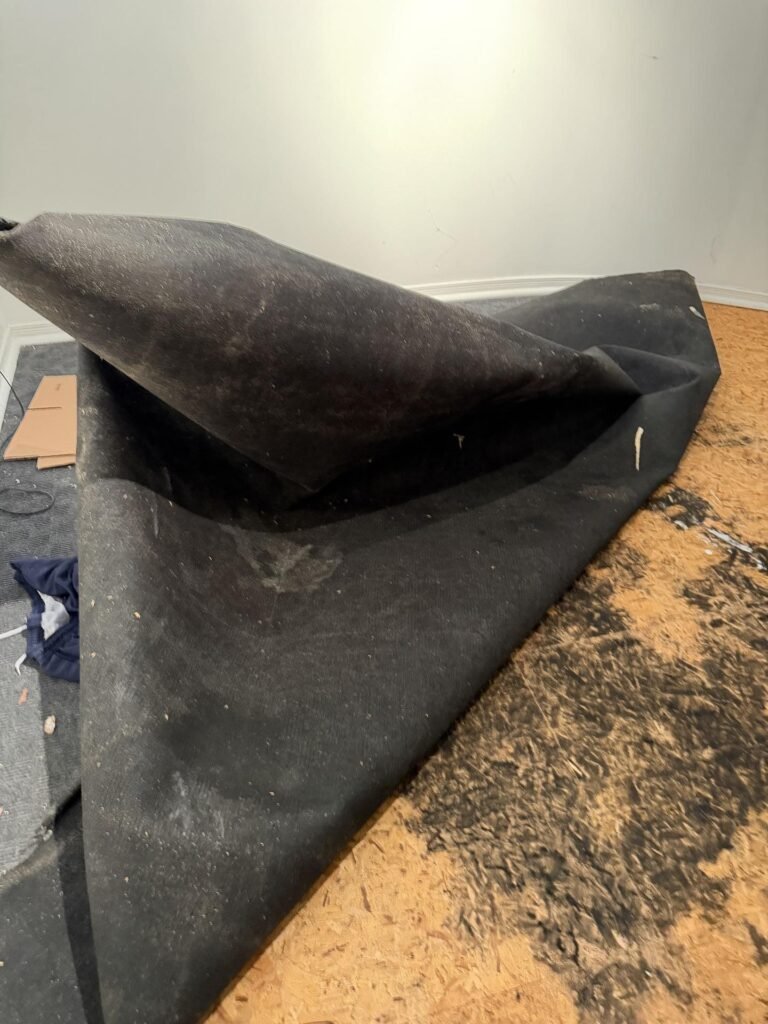
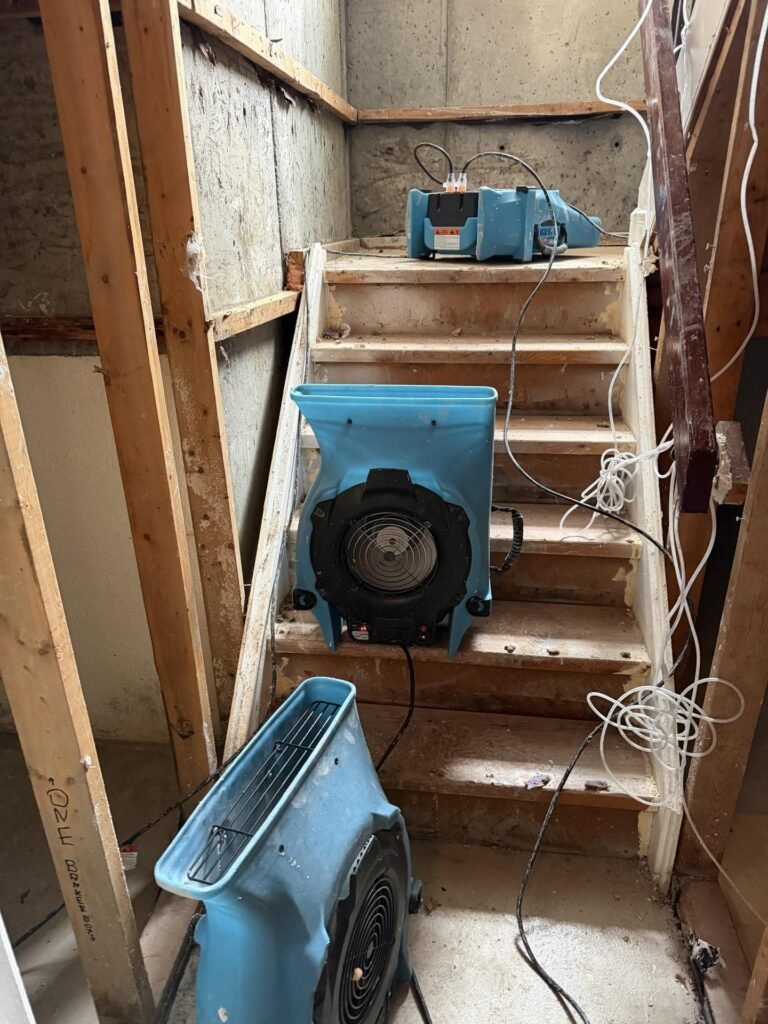
Water damage spreads in minutes. Mold can begin growing in your property within 24 to 48 hours. For urgent situations like these, professional Water Damage Restoration East Gwillimbury services are essential. Immediate action matters at the time you deal with water damage restoration, East Gwillimbury properties face. The damage worsens faster and creates electrical hazards and structural weakening with every passing hour. Understanding the restoration process and knowing who to call can save you thousands in repairs. We offer full restoration water damage service East Gwillimbury and repair services. Our services include flood cleanup, mold removal, and trusted reconstruction in East Gwillimbury. In this piece, we’ll walk you through the common causes of water damage and our step-by-step restoration process. You’ll also learn about the services we provide and prevention tips to protect your property. Understanding Water Damage in East Gwillimbury Common causes of water damage Burst indoor pipes and faulty toilets, sinks, showers, and washing machines are common causes of indoor water damage. These appliances often seem safe until a malfunction or clogged line causes a leak. The leak can damage nearby walls, floors, and cabinets. Water seepage from heavy rainfall and snowmelt, plus burst sewer pipes, is a common cause of home damage. Water can seep into basements through foundation cracks, window wells, or slab joints. This can happen when too much water saturates the soil. Heavy rain overwhelms storm or sanitary sewers and causes sewer backups. Contaminated water then flows backward into your property. Aging pipes, failed seals, and worn roof systems also add to the water damage in East Gwillimbury properties. A tiny 1/8-inch crack in a pipe can release up to 250 gallons of water per day. Types of water damage Water damage falls into three categories based on contamination level. Category 1 refers to clean water from sanitary sources like broken water supply lines, tub overflows, or appliance malfunctions. This water poses no major health risk at first. It can rise to Category 2 or 3 if left untreated. Category 2, or gray water, contains contaminants that may cause discomfort or illness if ingested. Examples include dishwasher discharge, washing machine overflow, and toilet overflow with urine but no feces. This water contains unsafe levels of microorganisms. Category 3, known as black water, is grossly unsanitary and contains pathogenic agents from sewage or other contaminated sources. Sources include sewer backups, flooding from rivers or streams, and toilet backflows that began beyond the toilet trap. Signs you need water damage restoration Musty smells are often the first indicator of water damage. This odour comes from microbial volatile organic compounds released by mold and mildew. Water stains appearing yellowish or brownish with uneven, map-like edges signal active leaks. Peeling, bubbling, or flaking paint occurs when moisture saturation behind walls stretches and destroys the paint bond. Warped or buckled flooring, soft drywall that sinks when pressed, and visible mold all need professional help right away. An unexplained spike in your water bill indicates a constant leak somewhere in your plumbing system. Standing water requires emergency water damage restoration services near me to prevent structural deterioration and contamination risks. Water Damage Restoration Process Our water damage restoration East Gwillimbury process follows a systematic approach to restore your property and prevent secondary damage. Step 1: Emergency contact and assessment We send technicians to your property within an hour if you are within city limits. Call our emergency line. Our team completes a full inspection on arrival. We use moisture meters and infrared cameras. This helps find hidden moisture behind walls, under floors, and in ceilings. We identify the water source, determine the contamination category and assess structural risks during this phase. This assessment takes a few hours to a full day, depending on severity. We document all findings with photographs and moisture readings to serve insurance purposes. Step 2: Water extraction CPR24 Restoration remove standing water using industrial-grade pumps and vacuums once the assessment is complete. We extract hundreds or thousands of gallons using powerful pumps during the water removal process. The extraction timeframe depends on water volume, affected materials and contamination level. Step 3: Drying and dehumidification We deploy industrial air movers and dehumidifiers to remove moisture from floors, walls and other surfaces after water extraction. Drying takes three to five days for most homes, but extensive water intrusion may require up to a week or more. Our specialists visit daily to monitor moisture levels and adjust equipment performance. We manipulate temperature and relative humidity to remove retained water from porous materials like drywall and wood. Step 4: Cleaning and Disinfection We disinfect surfaces and apply antimicrobial treatments to prevent mold growth during this phase. We use HEPA vacuums, air scrubbers and EPA-approved antimicrobial agents for sanitization. This step takes one to two days depending on contamination levels. Step 5: Repair and restoration The final phase involves repairing or replacing damaged materials, from minor drywall repairs to complete reconstruction. Simple projects take at least 30 days, while complex reconstruction requiring structural repairs can extend to around 90 days. East Gwillimbury Water Damage Restoration Services Our water damage restoration services near me cover every aspect of property recovery. We handle everything from original water extraction to the reconstruction service East Gwillimbury residents rely on. Basement Water Damage Restoration East Gwillimbury Basements remain highly susceptible to flooding. Foundation cracks, sewer backups and groundwater seepage cause most problems. We specialize in emergency basement water damage repair East Gwillimbury and address flooding up to several inches in depth. Our team provides basement waterproofing and wall leak repair. We restore everything to prevent recurring water intrusion. Minor seepage to major flooding events—we handle it all. Flood Damage Cleanup East Gwillimbury We respond within 45 minutes to flood emergencies. Our flood damage cleanup has two main steps. First, we remove standing water using high-powered pumps and wet vacuums. East Gwillimbury Structural Repairs and Reconstruction We provide damage repair that has drywall replacement, flooring restoration and structural board replacement. Our reconstruction services restore your property to pre-damage condition. We handle both minor repairs and extensive remodeling work.

Scroll to Top

Water Damage, flooding, or mold issues, our expert team is available 24/7 to restore your property. Contact Us Now!

Call Now