

Basement Flooding in Winter: What to Do Right Now
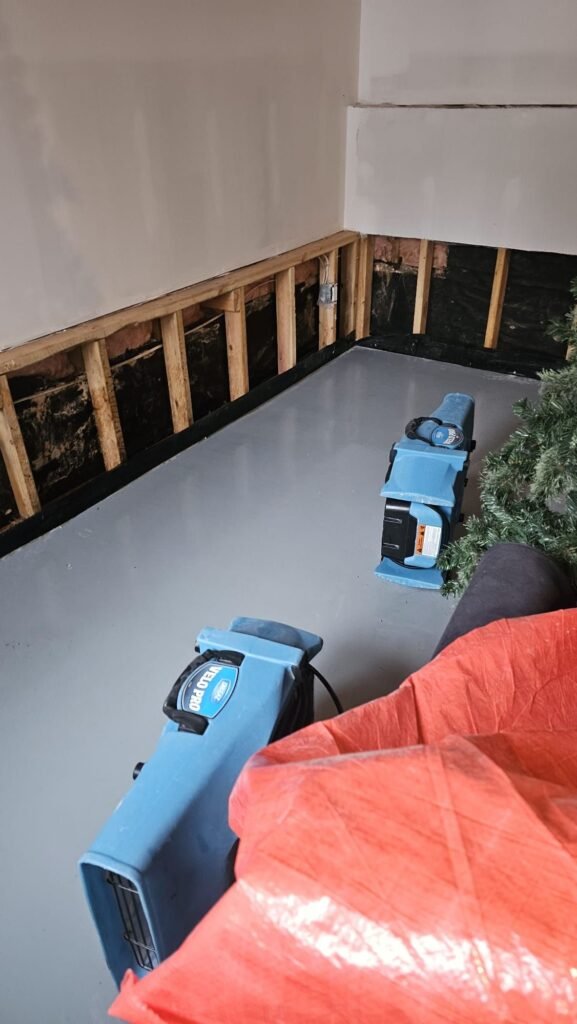
A tiny crack, just an eighth of an inch in your pipe, can leak 250 gallons of water into your basement each day. This is especially concerning during the winter months, when basement flooding in winter can lead to significant damage. The winter season creates ideal conditions for basement floods. Ontario residents faced over $1 billion in insured flood damage during 2024 alone. Water entering your home can lead to mold growth within 24-48 hours, transforming a simple problem into a major health risk. Your home faces serious risks from the winter freeze-thaw cycle. Water expands during freezing, putting enormous pressure on pipes and creating foundation cracks. Rapid temperature changes cause melting snow to refreeze before it drains properly away from your house. You’re at the right place if your basement has flooded or you want to prevent future flooding. This piece explains what to do right away for basement floods. It shares effective cleanup strategies and ways to protect your home during winter. These helpful tips will protect your property and give you peace of mind. You can use them for emergencies now or to prepare for future weather changes. Why Winter Causes Basement Flooding Toronto Your basement faces unique flooding risks when winter arrives. The cold season combines several risk factors that can lead to water damage in your lower level. Melting snow and ice around the foundation Heat from your basement melts snow that piles up around your foundation walls. Temperature changes create a cycle where snow melts in warmer periods and saturates the soil around your home. The moisture then creates hydrostatic pressure against foundation walls and forces water through tiny cracks. The situation becomes worse during rapid thaws because the frozen ground can’t absorb water properly. Frozen or burst pipes in cold weather Frozen and burst pipes are the second most common cause of home damage in North America, right after hurricanes. Water expands as it freezes and puts massive strain on plumbing systems. A tiny 1/8-inch crack in a pipe can release up to 250 gallons of water daily and flood your basement quickly. The most vulnerable pipes are in unheated basements, outside walls without good insulation, and older homes with old plumbing. Clogged gutters and downspouts Your foundation damage and basement flooding often start with clogged gutters. Gutters collect leaves, ice, and debris throughout winter and block proper drainage. Blocked gutters overflow and dump water right next to your foundation instead of directing it away. This water finds its way into basements through foundation cracks or window wells. Water that collects near your home’s base adds pressure to the soil and creates seepage pathways over time. Poor grading and drainage issues Your yard’s grading plays a crucial role during winter. Melting snow naturally flows toward your basement if your property slopes toward your foundation. The soil that workers dug up during construction can settle over time. This can create uneven spots next to your house. Neighbourhoods with many concrete or paved surfaces have bigger problems. Less ground soaks up rainwater. This means more water flows toward building foundations. What to Do Immediately When Your Basement Floods Water in your basement needs quick action to limit damage and keep your family safe. These vital steps could save lives and property. Turn off the electricity if it’s safe Water and electricity make a deadly combination. Your basement becomes dangerous when water rises above electrical outlets, baseboard heaters, the furnace, or near your electrical panel. You risk electrocution if you stand on wet floors while reaching for electrical components. Turn off the main breaker from a dry location if possible. Stop the water source if possible The source of water determines what you need to do next. A burst pipe means you should shut off your main water valve quickly to stop more damage. Sewage backups require you to avoid flushing toilets or running appliances with drains that will make flooding worse. Different approaches, like emergency pumping, may help address external flooding from snowmelt. Move your family to a safe area Get everyone out fast, including pets, and head to higher ground. Dangerous contaminants like sewage and chemicals often lurk in floodwater. You need protective gear if you enter a flooded area, even for a short time. Wear rubber boots, gloves, safety glasses, and a mask for safety. Children should stay away from flooded areas until professionals complete the cleanup. Emergency flood damage services CPR24 Restoration works 24/7 and has specialized equipment to remove water effectively. Quick expert help can substantially reduce your property’s long-term damage. These professionals know how to check electrical hazards safely, remove water, and start the vital drying process. Document the damage for insurance Take detailed photos and videos of all damaged areas before moving anything. Make sure to capture water levels, damaged walls, floors, furniture, and electronics with their serial numbers where you can. Your insurance company needs this documentation right away to support your claim. Keep every receipt from the cleanup process because you will need them for reimbursement. How to Clean and Restore a Toronto Flooded Basement in Winter Safety comes first, then you can start cleaning up your flooded basement. You need to act quickly because mold starts growing within 24-48 hours after water exposure. Start water extraction and drying You should remove standing water right away with the right tools. A wet/dry shop vacuum works well for small floods, but deeper water needs a sump pump or professional equipment. If you clean up by yourself, protect yourself with rubber boots, gloves, and a mask to stay safe from contaminants. Take photos of all damaged areas for your insurance claim before you begin. Use dehumidifiers and fans The next step is thorough drying after removing standing water. Set up fans around your basement to boost airflow and speed up evaporation. Your dehumidifiers should be at least six inches from walls and run non-stop for about 48 hours. You can open windows if the weather outside helps and the outdoor humidity stays lower than inside. Most spaces take 3-5 days to dry completely. Remember that concrete and masonry might hold moisture longer.