

5 December 2025

Uncategorised

Is mold in the home dangerous?

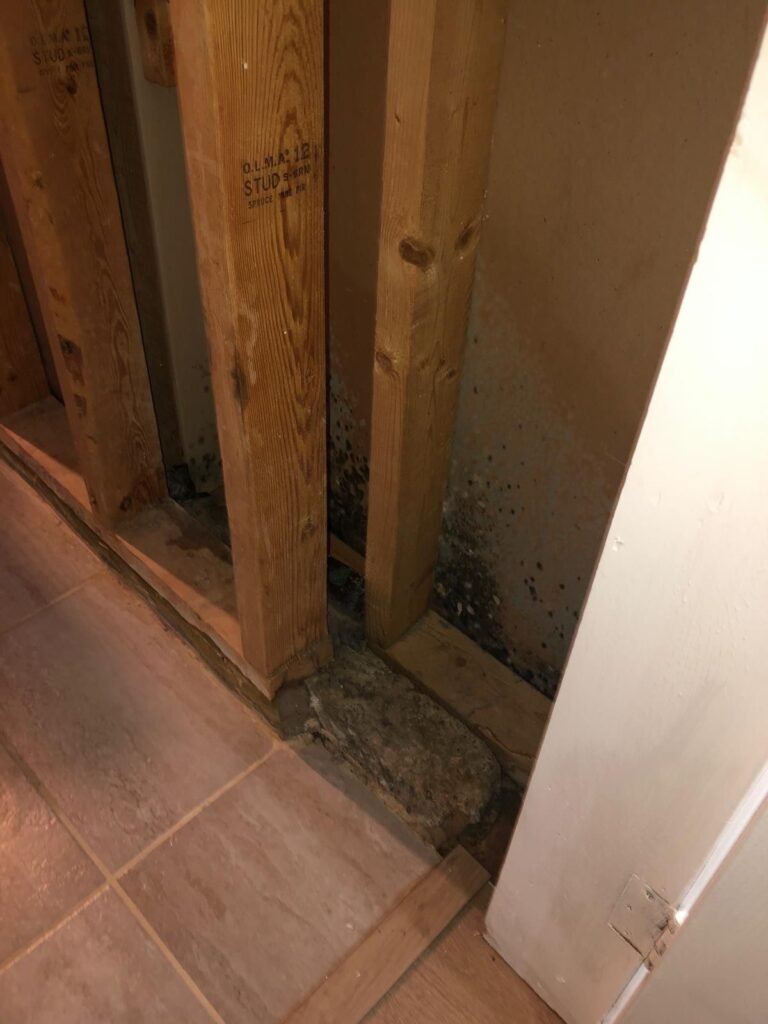
Your home might harbour more mold dangers than you realize. Mold spores exist everywhere, including our homes, and they thrive on any surface that provides enough moisture. People who live in moldy, damp homes tend to experience eye, nose, and throat irritation. They also report coughing, wheezing, and their asthma symptoms get worse. This blog will help you understand black mold’s dangers, spot mold in your home, and learn prevention strategies that work. You’ll also learn when to tackle mold removal yourself and when to get help from Toronto mold removal professionals. What is mold? Where does it grow? Mold is part of a large fungi family that helps break down dead organic matter in nature. Outside mold serves an important purpose in our ecosystem, but finding it inside usually means you have moisture problems. These fungi spread by tiny spores that float in the air. You can find them both indoors and outdoors. They start growing when they land in the right conditions. Common indoor mold types You’ll find several mold varieties in homes: Why mold thrives in homes Molds need specific conditions to grow. Moisture is the key factor â€“ mold can’t survive without it. Studies show that damp conditions exist in 33-50% of buildings, creating perfect conditions for mold growth. Mold runs on these conditions: Temperature plays a crucial role too. Most molds thrive between 15-27°C – the exact range we keep in our homes. More than that, molds need organic materials like wood, drywall, and fabrics as food sources, plus oxygen to grow. Is black mold dangerous? “Black mold” or Stachybotrys chartarum has gotten a bad reputation. In stark comparison to this popular belief, exposure won’t make most people severely ill. The health risks from black mold aren’t any worse than other types of mold. In spite of that, living with any type of indoor mold for long periods can cause health issues. People who live in moldy homes often have irritated eyes, noses, and throats. They may also cough, wheeze, and have worse asthma symptoms. The risk increases, especially if you have infants, children, seniors, pregnant people, or anyone with breathing problems at home. Health risks of mold exposure Your body reacts to indoor mold in different ways based on how sensitive you are and how much mold exists. Many people think the type of mold determines your reaction, but your immune response and exposure time matter more. Short-term symptoms to watch for Your original contact with mold often leads to allergy-like reactions. The most common symptoms include: These symptoms usually appear after exposure, but reaction times vary by a lot between people. Some people react right away, while others might notice symptoms hours or even days later. This depends on their sensitivity and how close they are to the mold. Long-term health dangers of mold Living with mold for a long time can cause serious health issues. Research links extended mold exposure to chronic breathing problems like asthma, ongoing sinusitis, and bronchitis. Scientists have also found brain-related effects that include cognitive problems (“brain fog”), memory loss, and trouble focusing. A surprising finding from small studies shows that neurologists couldn’t distinguish between people who had repeated mold exposure and those with mild brain injuries—they expressed similar mental difficulties. Who is most at risk? Some groups face higher risks from mold-related health problems. The people most at risk include: People with compromised immune systems might get serious fungal infections instead of the typical allergic responses others experience. Is bathroom mold dangerous? Bathroom mold can harm your health just like mold found anywhere else. Bathrooms create perfect growing conditions with their warmth, moisture, and organic materials. The mold often comes back within 24-48 hours even after cleaning if conditions stay favorable. Black mold dangers to health Black mold (Stachybotrys chartarum) isn’t more dangerous than other types, despite what many believe. But it can still cause major health issues, especially breathing problems, eye irritation, and skin rashes in sensitive people. Scientists have not found strong evidence that black mold causes serious issues. These issues include memory loss, nosebleeds, or lung bleeding in babies. How to identify mold in your home You need to spot mold in your home before it becomes a serious problem. Quick detection helps you avoid health issues and prevents damage that can get pricey. Visual signs of mold growth Mold appears in different colors and textures. You might see black, green, gray, or white patches that look fuzzy, powdery, velvety, or slimy. Look closely at damp spots, especially when you have bathrooms, window frames, and basement walls. Water stains, warping, cracking, peeling paint, or discoloration on surfaces point to moisture issues that promote mold growth. Musty smells and hidden mold The unique “earthy” or “old wet towel” smell comes from gases called microbial volatile organic compounds (mVOCs). Active mold releases these gases. A lingering musty odour usually means mold hides somewhere. Let your nose guide you to break down spaces behind walls, under carpets, in ceiling cavities, or around plumbing. Is black mold in the shower dangerous? Black mold creates dark green or black slimy patches on shower walls, grout, or ceilings. While not necessarily more dangerous than other types, shower conditions raise additional concerns. Steam opens your skin’s pores, which might let spores enter your body more easily. When to test for mold You should get professional testing if: Remember, visible mold needs removal, not testing. Preventing and removing mold safely A successful battle against mold starts with proper understanding and action. Your home’s safety and health depend on both preventing mold and removing it correctly. Fixing moisture problems first Moisture control is the life-blood of mold control. You need to tackle the water problems to prevent mold effectively. Your plumbing leaks and water damage need fixing within 24-48 hours. A dehumidifier can help maintain indoor humidity between 30-50%. Exhaust fans in kitchens and bathrooms will ensure proper ventilation in areas with high moisture. DIY mold removal tips Most homeowners can clean small mold patches (less than 1m² or 10 sq. ft.) safely by themselves. Before you start cleaning: When to call a mold removal professional You need professional help
Uncategorised

Toronto condo water damage rules

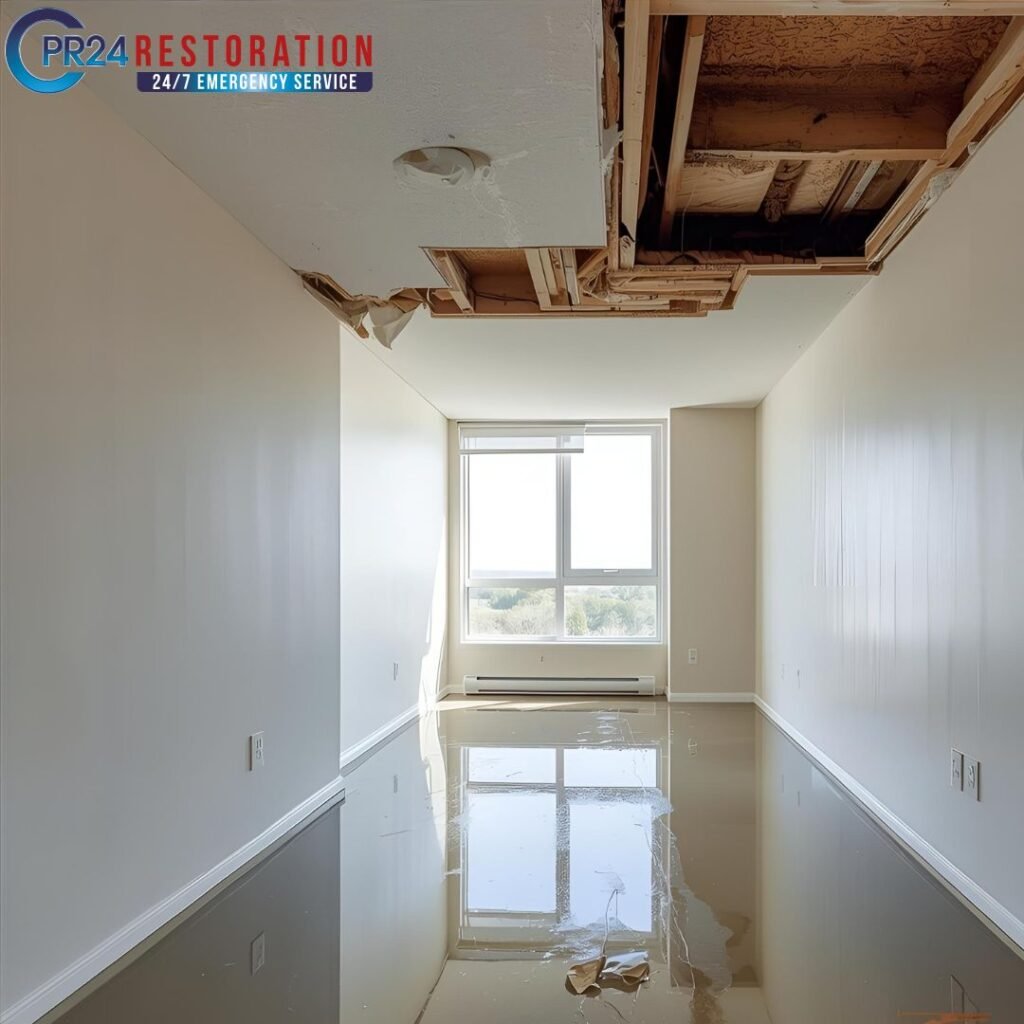
Water damage tops the list of insurance claims by condo owners, according to the Insurance Bureau of Canada. Condo owners can avoid major financial headaches by understanding their responsibilities during water damage incidents. Condo master insurance policies often carry hefty deductibles. These amounts can reach $50,000 or even $100,000. The responsibility for water damage isn’t always clear-cut, especially with water leaks from upstairs units in Ontario. Buildings allow water to flow rapidly, which affects multiple units and common areas. This movement makes it harder to determine who bears responsibility. Toronto condo owners need clear direction about water damage rules. This piece helps you protect your investment by explaining repair responsibilities and insurance coverage details. Canadian property owners lost more than $1 billion to water damage in 2024 alone. This makes understanding your coverage more critical than ever. Understanding Condo Water Damage Responsibility Water damage responsibility in Toronto condos boils down to personal versus shared liability. Let’s get into what decides who pays for what in these cases. What do people consider a standard unit? The Standard Unit By-law is a vital document that shows what your condo corporation’s insurance covers. This document lists all base-level materials and fixtures that make up the “standard unit.” About 80% of residential condominiums have this by-law. Claims settlements often face delays without this by-law. Insurance adjusters struggle to find original builder specifications. The Standard Unit By-law has simple structural parts like walls, ceilings, electrical, and mechanical items. You’ll need to ensure anything beyond these standard elements yourself. This includes things like upgraded flooring or custom cabinets, which we call “improvements” or “betterments”. Who maintains common elements vs. private units? The Condominium Act spells out maintenance duties clearly. The condo corporation takes care of common elements, while you look after your unit. Here’s how it works: Water leak in condo: who is responsible in Ontario? The source of water damage usually determines who pays: The Standard Unit By-law affects payment responsibility a lot. For example, if ceiling water damage in condo from above, your corporation’s insurance may cover it. This is true if the ceiling meets standard unit specifications. Your personal insurance kicks in if you’ve made upgrades. How Condo Insurance Works in Water Damage Cases Condo insurance for water damage involves two different policies that protect your investment together. Here’s a simple breakdown of what each one covers. What does condo insurance cover? Your personal condo insurance mainly protects everything “walls-in.” According to the Insurance Information Institute, standard condo policies will cover water damage from: Your policy covers water-damaged personal belongings. It also covers living expenses while workers complete the repairs. Additionally, it protects you if your unit causes water damage to others. Just remember – this only applies to sudden, accidental damage, not problems from neglect or normal wear and tear. What does the master policy not cover? Your condo association’s master policy won’t cover everything. You should know it doesn’t include: Here is the adjusted text: – Upgrades you made to your unit – Personal items in your unit – Water damage from flooding or groundwater – Sewer or drain backups (unless you have special coverage) – Slow leaks or ongoing water problems Many people think flood damage is part of their standard policy. The truth is, you’ll need separate flood insurance if water comes up from street level. Water damage condo insurance vs. personal insurance These two policies split up who pays for what. Your condo fees pay for the master policy that protects the building and shared spaces. Your personal policy takes care of your unit’s interior, belongings, and liability. Water damage often needs both policies. For example, if a leak from upstairs damages your ceiling, the master policy may fix the structure. Meanwhile, your personal policy will cover your damaged belongings. Take time to review both policies – you want to spot any gaps to ensure you fully protect yourself. Navigating Deductibles and Special Assessments Water damage brings complex financial rules about payment responsibilities. You need to know about deductibles and special assessments to protect yourself from unexpected costs. What is a water damage deductible? A water damage deductible is money you pay before your insurance company covers the rest of your claim. These deductibles can hit hard – condo master insurance policies sometimes carry deductibles up to CAD 69,668.01 or CAD 139,336.02. Let’s look at a real example: if your unit has CAD 6,966.80 in damages with a CAD 1,393.36 deductible, you would pay CAD 1,393.36 while your insurance company covers the remaining CAD 5,573.44. When do owners pay the condo corporation’s deductible? Ontario condo owners have faced tougher liability rules since January 1, 2020. Current rules state that owners must pay the insurance deductible. This applies if damage starts in their unit. It does not matter what precautions they took. Your carefulness doesn’t matter anymore. The damage’s origin point is all that counts. Notwithstanding that, this liability has key limits: Smart condo owners make sure their personal insurance includes deductible coverage up to CAD 69,668.01. Special assessments: when and why they happen Special assessments are extra one-time fees. They happen when your condo corporation lacks money for unexpected expenses. These charges typically appear when: The money involved can be shocking. Arthur Townhomes owners learned this firsthand. Three special assessments hit them over about 18 months, with each owner paying nearly CAD 55,734.41. This money went toward engineering assessments, site protection measures, and replacing infrastructure. Ontario’s Condominium Act makes these special assessments legally binding. Once your board approves them, every owner must pay their share based on ownership percentage. What to Do When Water Damage Happens Quick action at the time you find water damage in your Toronto condo makes a vital difference. A proper response will minimize damage and strengthen your position for insurance claims and legal actions. Steps to take immediately after a leak The moment you spot a leak, stop the water source first. Call an emergency plumber right away if it’s from your

Scroll to Top

Water Damage, flooding, or mold issues, our expert team is available 24/7 to restore your property. Contact Us Now!

Call Now