

A carpet that feels only damp can still be holding litres of water in its backing, underpad, and subfloor. The effort to dry wet carpet after a flood needs to start immediately, but the first decision is not which fan to use. It is whether the carpet can be safely saved at all.
Clean water from a supply line is very different from water that entered through a sewer backup, overflowing toilet, river, or street-level flood. The wrong cleanup approach can trap contamination and moisture inside the building, creating a much larger mould and indoor air-quality problem days later.
Start with safety and identify the water source
Do not enter a flooded area if water may be near electrical outlets, appliances, a furnace, or a panel. Turn off power to the affected area only if you can do so safely from a dry location. Keep children, pets, tenants, and staff away until the area is assessed.
Next, identify the source. Clean water from a broken supply pipe may allow for fast extraction and controlled drying if the response begins quickly. Grey water from appliances, sinks, or an overflowing toilet without solid waste needs more caution and thorough sanitization. Black water, including sewage backup, toilet overflow with waste, groundwater, and outdoor floodwater, is contaminated. Carpet and underpad exposed to black water generally should be removed and disposed of rather than dried for reuse.
This distinction matters because a carpet can look clean after surface water is extracted while still carrying bacteria, chemicals, or pathogens deep in the fibres and padding. Deodorizers do not make contaminated carpet safe.
Can wet carpet be saved after a flood?
It depends on the water category, the length of exposure, the carpet construction, and what sits below it. Broadloom carpet affected by clean water for a short period may be recoverable when extraction and structural drying begin promptly. Area rugs may also be salvageable, although wool, silk, jute, and other natural materials can shrink, bleed colour, or distort without specialized handling.
Underpad is less forgiving. Standard foam underpad absorbs water like a sponge and is difficult to clean and dry completely in place. In many flood situations, removal and replacement is the safer option. Carpet tack strips, baseboards, drywall edges, and the subfloor also need inspection. Water can travel well beyond the visibly wet area.
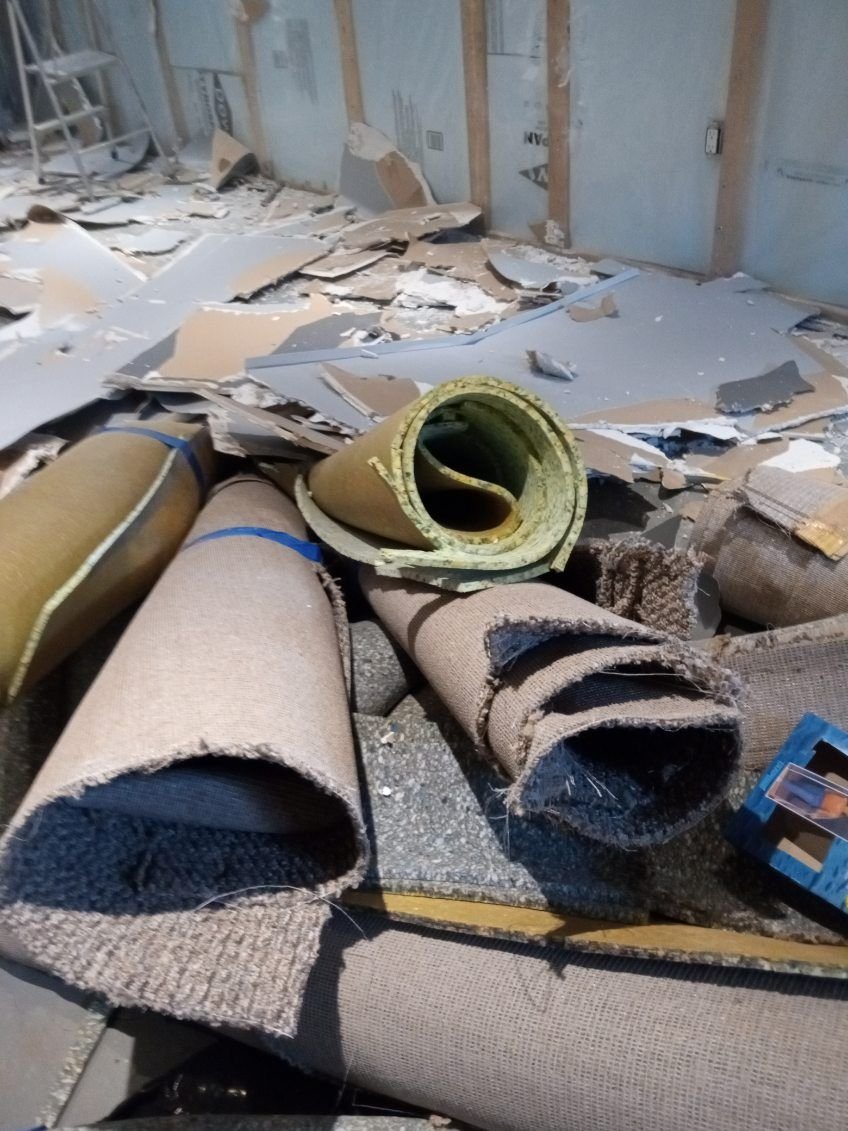
Carpet should usually be removed if it was exposed to sewage or outside floodwater, has been wet for more than 24 to 48 hours, smells musty after drying efforts, or shows visible mould growth. The same caution applies where moisture has reached particleboard, insulation, or drywall. Saving a carpet is never worth leaving a hidden contamination source in a home, condo, office, or rental unit.
How to dry wet carpet after a flood: the right sequence
If the water is clean and the affected space is safe to enter, focus on removing water rather than trying to evaporate it first. A wet-dry vacuum can help with a very small, clean-water incident, but household equipment rarely removes enough water from saturated carpet and underpad after a true flood. Professional extraction equipment pulls far more water from the carpet and backing in less time.
Move furniture only after documenting damage for insurance purposes. Take clear photos and video of the water source, affected rooms, belongings, and visible damage. Place foil, plastic blocks, or other moisture barriers beneath furniture legs that must remain in the room to prevent stains and wood damage.
After extraction, lift the carpet edge where appropriate so the backing, underpad, and subfloor can be evaluated. For a recoverable clean-water loss, technicians may use controlled airflow under the carpet while commercial air movers and dehumidifiers remove moisture from the air. This is not simply a matter of opening windows. Toronto and GTA humidity, rain, or cold conditions can make outdoor air ineffective or even add moisture to the space.
Drying equipment needs to be positioned according to the room size, materials, and moisture readings. Air movers accelerate evaporation at wet surfaces. Dehumidifiers capture that moisture from the air. Both are needed to avoid moving water from the carpet into drywall, framing, and contents. Doors and windows may be closed during professional drying to maintain the controlled environment.
Do not rely on touch or smell alone
A carpet can feel dry underfoot while the subfloor remains wet. That is why effective flood restoration uses moisture meters, thermal imaging where needed, and documented drying targets. Readings are compared with unaffected materials to confirm that structural components have returned to an acceptable moisture level.
Drying too quickly at the surface without sufficient dehumidification can leave moisture lower in the assembly. Conversely, leaving a carpet down because it appears to be improving can allow mould to establish in the underpad or along the base of walls. Mould may begin growing within 24 to 48 hours under favourable conditions.
Watch for warning signs after any carpet flood: a persistent earthy odour, damp baseboards, buckled flooring nearby, discoloured drywall, recurring condensation, or allergy-like symptoms in the room. These can point to concealed moisture even when the carpet itself looks normal.
Why fans, heat, and shampooing can make matters worse
Homeowners often set up box fans, turn up the heat, and rent a carpet cleaner. Those steps may help with a small clean spill, but they are not a complete flood-drying plan. Carpet cleaning machines are designed to wash fibres, not extract water from saturated backing, padding, and building materials.
High heat can also create problems. It may warp wood, damage certain carpet materials, and drive humidity into enclosed cavities if the air is not being dehumidified. Household fans can spread odours and airborne particles through the property, particularly after contaminated water exposure.
Avoid applying bleach, heavy fragrances, or random disinfectants to carpet. Bleach can damage fibres and does not solve moisture trapped underneath. Chemical selection must match the contamination type and material being treated. In a sewer backup, improper cleaning can expose occupants to contaminants while giving a false sense of safety.
Protect the rest of the property while drying is underway
Flood damage rarely stays limited to one room. Check closets, adjacent rooms, baseboards, lower wall sections, and the ceiling below if the flood occurred on an upper floor. In condos, notify property management quickly, as water can travel into neighbouring units and common elements. In commercial spaces, isolate the area to reduce slip hazards and limit disruption to staff and customers.
Keep records of every step: when the water was discovered, when the source was stopped, photographs, damaged-item lists, and any communication with your insurer. Do not discard damaged materials before documentation unless they present an immediate health or safety risk. Your insurance provider may need to review the loss, but emergency mitigation should not wait while water continues to spread.
When to call a flood restoration team
Call for professional help immediately when the carpet is saturated, water has reached walls or flooring, the source is unknown, sewage is involved, or the area has been wet longer than a few hours. A certified restoration team can assess contamination, extract water, remove unsalvageable materials, set drying equipment, monitor moisture, sanitize affected surfaces, and manage repairs once the structure is dry.
For properties across Toronto and the GTA, CPR24 Restoration provides 24/7 emergency response for flood cleanup, sewer backups, burst pipes, mould remediation, and reconstruction. The goal is not to make a room look dry for the moment. It is to remove water and contamination thoroughly enough that the property can be returned to a safe, stable condition.
The best time to act is before odours, mould, and material damage take hold. Stop the source if it is safe, keep people out of contaminated water, document the loss, and get the affected carpet and structure assessed without delay.