
A burst pipe does not wait for office hours, and neither should your response. This guide explains how to handle a water damage insurance claim, from the initial emergency response and documentation through drying, insurance communication, and final repairs. The priority is not paperwork alone. It is stopping water, documenting conditions, and beginning professional drying before moisture turns into warped materials, mould growth, or a larger claim.
Act First: Protect People and Stop Further Damage
If water is near electrical outlets, panels, appliances, or ceiling fixtures, keep people away from the affected area. Shut off the main water supply if a plumbing failure is involved, but do not enter a flooded space where electrical hazards may be present. For a sewer backup or other contaminated water event, avoid contact with the water entirely. This is not a standard cleaning job. Sewage can contain bacteria, viruses, and other contaminants that require controlled removal and sanitization.
Your insurance policy generally requires you to take reasonable steps to prevent additional damage. That does not mean you should start tearing out wet drywall or throw away damaged contents before documenting them. It means acting promptly to stop the source, arranging emergency extraction and drying, and protecting unaffected areas where possible.
For Toronto and GTA properties, rapid response is especially important in basements, condos, and commercial spaces. Water can travel under finished flooring, behind baseboards, into wall cavities, and between units. What looks like a small puddle can conceal a much wider moisture problem.
Call Your Insurer and Open the Claim
Contact your insurer or broker as soon as practical after the emergency is under control. Ask for a claim number, the adjuster’s contact details, and the next required steps. Record the date, time, name of the person you spoke with, and a brief note about what was discussed.
Be accurate when describing the incident. State what happened, when you discovered it, where the water affected the property, and what immediate mitigation was performed. Avoid guessing at causes or repair costs before the source and extent of damage have been assessed. A restoration inspection can identify affected materials, hidden moisture, contamination level, and the work needed to stabilize the property.
Do not delay extraction or drying while waiting for the adjuster to visit unless your insurer gives a specific instruction to do so. Emergency mitigation is intended to prevent the loss from becoming worse. Keep all invoices, work authorizations, moisture reports, equipment logs, and photographs from the restoration process.
Document the Loss Before Cleanup Changes the Scene
Photos and video are some of the strongest tools in a water damage claim. Capture the scene before major cleanup begins, provided it is safe to do so. Take wide shots that show each affected room, then close-up images of visible damage to floors, walls, ceilings, furniture, appliances, and personal belongings.
Document the source if visible. This may include a split supply line, failed appliance hose, overflowing fixture, roof leak, broken window, or backed-up drain. If the source is no longer visible because emergency repairs were necessary, keep the failed part when possible and photograph it before disposal.
Create a written inventory of damaged contents. Include the item, approximate age, brand or model where known, purchase price if available, and the condition before the event. Receipts are useful, but they are not the only evidence. Bank or credit-card records, product manuals, prior photos, and comparable replacement information may also help establish ownership and value.
For business owners and property managers, document operational losses separately from physical damage. Photograph affected stock, equipment, tenant areas, and access restrictions. Keep records of closures, cancelled bookings, temporary relocation, and additional costs incurred to maintain operations. Whether these expenses are covered depends on the policy and endorsements, but clear records give you and your adjuster a reliable starting point.
Understand What May Be Covered
Water damage coverage depends on the cause of loss and the wording in your policy. A sudden, accidental discharge from a burst pipe may be treated differently from gradual leakage, groundwater seepage, overland flooding, or a sewer backup. The fact that water caused the damage does not automatically mean every related cost is covered.
Common policy distinctions include:
- Sudden plumbing failures versus long-term leaks or deferred maintenance.
- Sewer or drain backup coverage, which may require a specific endorsement.
- Overland flood coverage, often subject to separate limits, exclusions, or deductibles.
- Damage to the building, contents, upgrades, and temporary living expenses.
- Mould remediation, which may have a coverage limit or may be considered only when directly connected to an insured water event.
Condo owners should also review the condominium corporation’s insurance obligations and their own unit-owner policy. The corporation may insure common elements and parts of the building, while the owner may be responsible for contents, betterments, deductible assessments, or damage originating from their unit. In a multi-unit loss, quick documentation of where water travelled is critical.
A denial, limitation, or deductible does not mean emergency drying was unnecessary. Proper mitigation protects the property and can reduce the scope of work regardless of the final coverage decision.
Work With the Adjuster Without Losing Control of the Recovery
An adjuster evaluates the reported damage and applies the policy terms. Their role is important, but you should remain actively involved in the process. Provide requested documents promptly, keep communication in writing where possible, and ask questions when a scope or decision is unclear.
A professional restoration contractor can provide detailed evidence that supports the physical claim. This may include moisture mapping, photos of concealed damage discovered during removal, drying records, antimicrobial treatment documentation, contents inventories, and a repair scope. These records show why particular materials required removal, drying, cleaning, or replacement.
Be cautious about authorizing non-emergency reconstruction before you understand the proposed scope and your insurer’s process. Emergency work such as extraction, controlled demolition of unsalvageable wet materials, and structural drying should begin promptly. Final finishes, upgrades, and layout changes can require separate approvals and may create costs beyond what the policy pays.
If you disagree with an assessment, ask for the relevant policy wording and a written explanation. Supply additional evidence if the initial inspection missed damage. You may also ask how depreciation, replacement cost provisions, deductibles, and policy limits affect the amount payable. Stay factual and organized. A complete file is more effective than repeated phone calls without documentation.
How CPR24 Restoration Documents Water Damage Insurance Claims
At CPR24 Restoration, we regularly work on insured water damage losses throughout Toronto and the GTA. Our technicians document affected rooms and building materials using photographs, moisture readings, thermal imaging where appropriate, and detailed restoration records. Depending on the loss, documentation may include moisture mapping, drying equipment placement and monitoring, affected-material removal, contents information, and repair estimates. Our IICRC-certified restoration team can communicate the restoration scope with homeowners, property managers, insurance adjusters, and other parties involved in the claim. CPR24 can manage emergency extraction, structural drying, remediation, and reconstruction, helping maintain clear documentation from the initial water loss through the repair stage.
Avoid Mistakes That Can Increase the Damage
The biggest claim mistake is waiting. Water does not remain where it first lands. Within hours, it can soak insulation, swell engineered flooring, weaken drywall, and create conditions that support mould growth. Waiting several days because the visible surface appears dry can turn a manageable event into a more invasive restoration project.
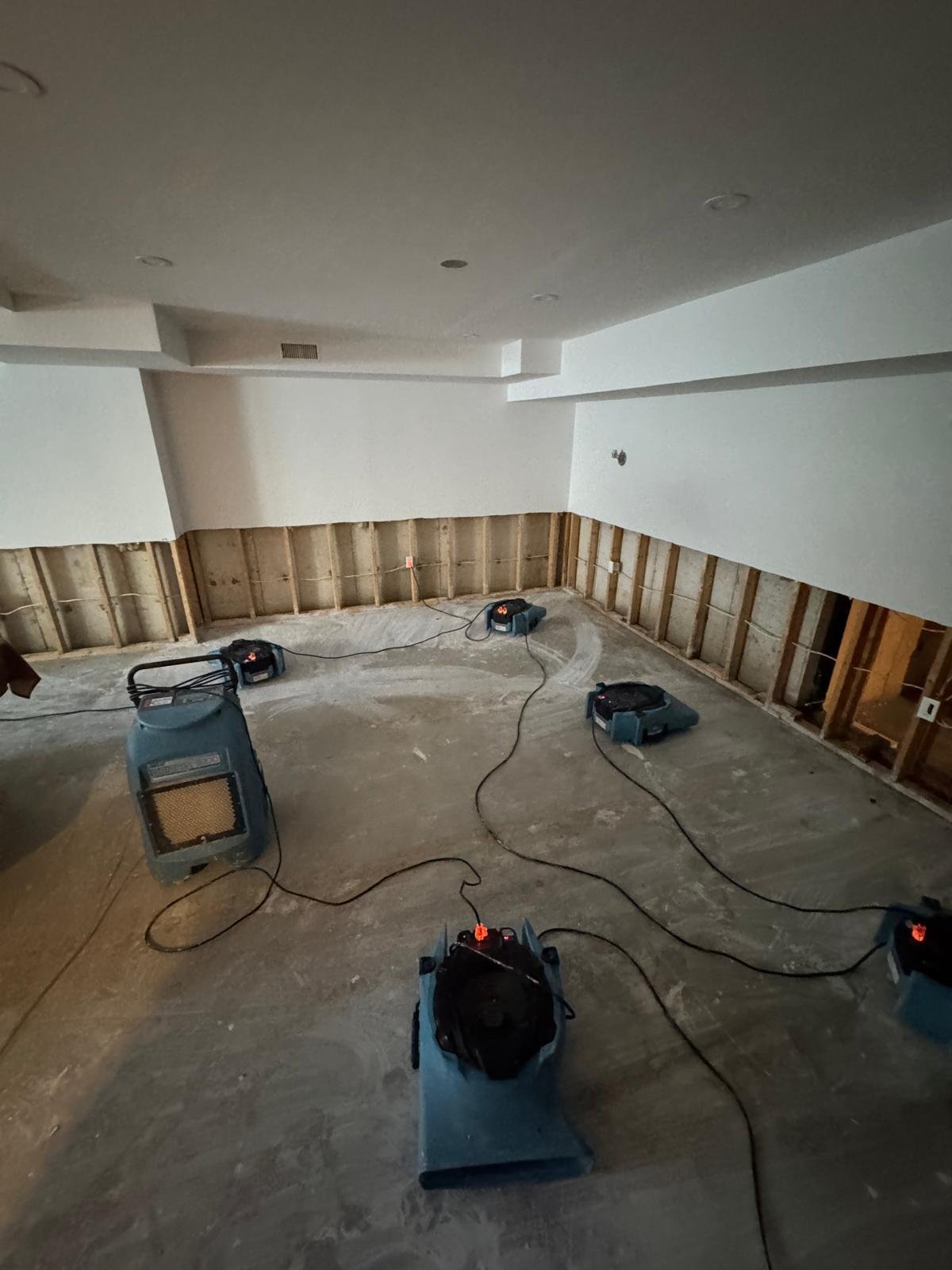
Another mistake is using household fans as the only drying plan. Fans may move air across a room, but they do not verify moisture inside assemblies or control humidity at the level required for structural drying. Restoration professionals use moisture meters, thermal imaging where appropriate, air movers, dehumidifiers, and containment measures based on the materials and contamination involved.
Do not discard damaged items, begin repairs, or accept a cash settlement without first understanding what evidence or approvals your insurer needs. At the same time, do not leave wet materials in place just to preserve the scene. Photograph, retain samples or failed components where reasonable, and move into documented mitigation.
Keep a Claim File From Day One
A simple claim file prevents confusion as the project moves from emergency work to reconstruction. Keep your policy details, claim number, contact log, photos, videos, restoration reports, invoices, estimates, receipts, and copies of emails in one place. Note every conversation with the insurer, property manager, plumber, restoration contractor, or adjuster.
For larger losses, use a running timeline. Record when the water was discovered, when the source was shut off, when extraction began, when drying equipment was installed, and when affected materials were removed. This timeline can clarify why urgent action was necessary and help coordinate repair scheduling.
If tenants or employees are affected, communicate practical facts early. Tell them which spaces are restricted, what safety measures are in place, and when you expect the next update. Do not promise a reopening or return date until moisture conditions, repairs, and any required inspections support it.
Need Help With an Insurance Water Damage Loss?
If your home, condo, rental property, or commercial building has suffered water damage, emergency mitigation should not be delayed while the full insurance claim is being reviewed. CPR24 Restoration provides 24/7 emergency water damage restoration throughout Toronto and the GTA, including water extraction, moisture inspection, structural drying, controlled removal of affected materials, sanitization, mould remediation where required, and reconstruction.
Our IICRC-certified technicians can also document affected areas, moisture conditions, drying equipment, removed materials, and the required restoration scope to support communication with your insurance adjuster. Coverage decisions remain with your insurer and policy, but clear documentation from the beginning can help establish what occurred and what restoration work was required.