

Spotting signs of water damage in walls before visible stains appear can save you thousands in repair costs. The difference between a minor repair and a major reconstruction project comes down to early water damage detection.
Hidden moisture is one of the most dangerous issues a home can face because it goes unnoticed until damage has occurred. Many Toronto homeowners notice a problem only after materials start warping. Hidden water damage Toronto can then grow into costly emergencies.
This piece walks you through the early signs of emergency water damage in walls and effective detection methods. We’ll also cover location-specific water damage signs Toronto homeowners should watch for and when to call professional help.
Common Signs of Water Damage in Walls and Ceilings
Walls and ceilings telegraph hidden problems caused by water damage through several distinct indicators that become apparent well before structural failure occurs.
Discoloration and Water Stains
Water stains show as yellow, brown, or rust-colored spots on walls and ceilings. These stains form when water soaks into drywall or plaster.
After the water dries, it leaves minerals and tannins from building materials.
The stains often feature uneven, map-like edges called water rings. Ceilings reveal these stains starting at the leak source and expanding outward.
A water stain on your ceiling points to a roof leak, an upstairs bathroom issue, or attic plumbing problems. Brown rings or faded yellow patches don’t appear without cause. Moisture is the reason, and once discoloration settles in, the underlying damage has already begun.
Peeling Paint or Bubbling Drywall
Paint bubbles form when moisture infiltrates behind the paint film and creates pockets trapped between the paint and wall surface. Water weakens the bond that keeps paint attached to drywall, causing the loss of adhesion. You might notice bubbling, blistering, peeling, or cracking paint where moisture has compromised the surface.
Wallpaper seams begin to lift under similar conditions.
These bubbles signal more than cosmetic problems. Water has penetrated the wall structure, causing the drywall to expand and push the paint layer away. Walls soften after severe leaks, and paint bubbling becomes widespread, leaving surfaces blemished and structurally weakened.
Musty Odours
A persistent musty, damp, or earthy smell indicates hidden moisture issues behind walls or ceilings. This distinctive odour comes from Microbial Volatile Organic Compounds released by mold and mildew growth.
Mold doesn’t need flooding to develop. It requires moisture and organic material, both present inside wet walls. Mold growth can begin within 24 to 48 hours under certain conditions.
The musty smell often appears before you see visible mold, making it a critical early warning sign. Trapped moisture is feeding microbial growth in concealed spaces if a room smells damp even when surfaces appear dry and clean.
Soft or Warped Wall Surfaces
Drywall isn’t designed to flex. Moisture absorption is the culprit when it does.
Press on suspected areas. Emergency water damage Toronto can be inside even if the outside looks normal.
This can happen when the wall sinks inward, feels spongy, or becomes depressed.
Walls can warp because of the weight of absorbed water and appear caved in or swollen. You might notice sagging sections where excess water weight compromises structural integrity.
Materials like gypsum board, wood framing, and insulation behind your paint start weakening once water enters that space. Wet wood expands over time, and drywall softens first, creating the telltale spongy texture that signals active water intrusion.
Hidden Water Damage Toronto Detection Methods
Professional detection equipment reveals moisture hidden inside walls long before surface damage becomes apparent. The techniques we use combine non-invasive scanning technology with precise measurement tools.
Checking Moisture Levels Behind Walls
Moisture meters measure water content in building materials through two distinct methods. Pin-type meters use small probes to measure electrical resistance between two points. They detect moisture by how current flows through the material. These devices require only light surface contact and leave barely noticeable marks rather than destructive holes.
Pinless meters employ electromagnetic signals to scan beneath surfaces without any penetration. Search mode detects moisture from 1/2-inch to 3/4-inch deep and remains unaffected by surface moisture. Dual-depth models compare shallow readings up to 9 mm with deep readings up to 30 mm.
They remove substrate interference when testing floor or wall coverings.
Drywall moisture readings that exceed 0.5% indicate problems requiring investigation. Mold growth begins at approximately 20% moisture content. Pin-type meters show results as wood moisture equivalencies. They convert readings from any material into wood-based values.
Using Thermal Imaging for Detection
Thermal cameras detect temperature differences caused by moisture, not the water itself. Water evaporates from saturated materials and creates cooling effects that produce visible temperature variations on thermal displays.
Moisture spreads in clear patterns. Walls often show triangles that start at the top and point downward. Ceilings often show uneven wet areas. Flooding often causes moisture to wick upward.
Camera thermal sensitivity determines detection capability. Models with 30mK sensitivity excel at moisture applications, while 100mK sensitivity suits industrial temperature detection. Moisture problems appear clearest when thermal images use 10°C to 20°C temperature spans.
Thermal imaging cannot confirm water presence alone. You should always verify suspected areas with moisture meters.
Inspecting Hard-to-Reach Areas
Borescopes allow visual inspection inside wall cavities, beneath cabinets, and behind fixtures through small access points. Professionals scan from top to bottom and move steadily to capture subtle temperature details.
Certified Water Damage Assessment Tools
Professional equipment like the Tramex ME5 detects moisture through paint, wallpaper, ceramic tiles, and floor coverings. It uses electrical impedance measurements. These tools create moisture maps that document damage extent and monitor progressive drying conditions.
Water Damage Signs in Toronto Homes
Different areas in Toronto homes show distinct water damage patterns based on their function and exposure to moisture sources.
Basement Water Damage Indicators
Standing water or persistent dampness on basement floors signals drainage problems from heavy rain, snowmelt, or foundation cracks. White, chalky deposits appear on concrete walls as efflorescence where water moves through masonry and leaves mineral residue behind. Musty odours indicate mold growth thriving in damp conditions.
Foundation walls or floors with cracks wider than 1/8 inch allow water entry, especially near doorways, windows and corners. Horizontal wall cracks and bowing walls result from hydrostatic pressure and need immediate professional assessment.
Bathroom Signs of Water Damage
Musty smells persist even after cleaning when hidden leaks exist behind walls or under flooring. Mold appearing on non-shower walls indicates water traveling from concealed sources.
Wetness inside cabinets under sinks points to leaking pipes or worn connections. Damaged flooring appears as buckling, spongy texture, staining, or loose tiles. A rocking toilet suggests a worn wax ring that compromises the water-tight seal. Brownish or yellow stains on ceilings below upstairs bathrooms appear darker around the edges and lighter in the middle.
Foundation and Structural Warning Signs
Deep cracks exceeding 1/2 inch in width require investigation to prevent structural damage. Doors sticking or failing to close indicate wood swelling from moisture absorption. Uneven floors and gaps between foundations and attached structures like steps or garage floors signal settlement issues. Diagonal cracks emanating from windows or doors warn of foundation movement.
Ceiling and Attic Moisture Problems
Water stains, frost on roofing nails, and wet insulation reveal moisture infiltration. Attic rain happens when warm, humid air escapes into a cold attic. It condenses, freezes, and then melts as temperatures change. Sagging ceilings indicate water saturation and weakening materials.
Flooring Water Damage Symptoms
Warping, buckling or cupping affects hardwood and laminate when moisture causes swelling. Vinyl flooring develops bubbling from trapped water underneath. Soft, spongy areas indicate subfloor deterioration. Dark spots or yellowing stains appear as discoloration in different floor types.
When to Call Emergency Water Damage Services in Toronto
Timing determines whether you face a minor repair or extensive reconstruction. Some conditions just need immediate professional intervention rather than DIY attempts.
Signs Requiring Immediate Professional Help
Call emergency water damage services in Toronto if you see active leaks or sagging ceilings.
Also call if stains spread fast, mold smells are strong, or floors warp in many rooms. Contaminated water from sewer backups just needs immediate attention because of health hazards.
Water damage can set in within the first 24 hours of a leak or flood. This leads to mold growth and structural issues that damage floors, walls and electrical components.
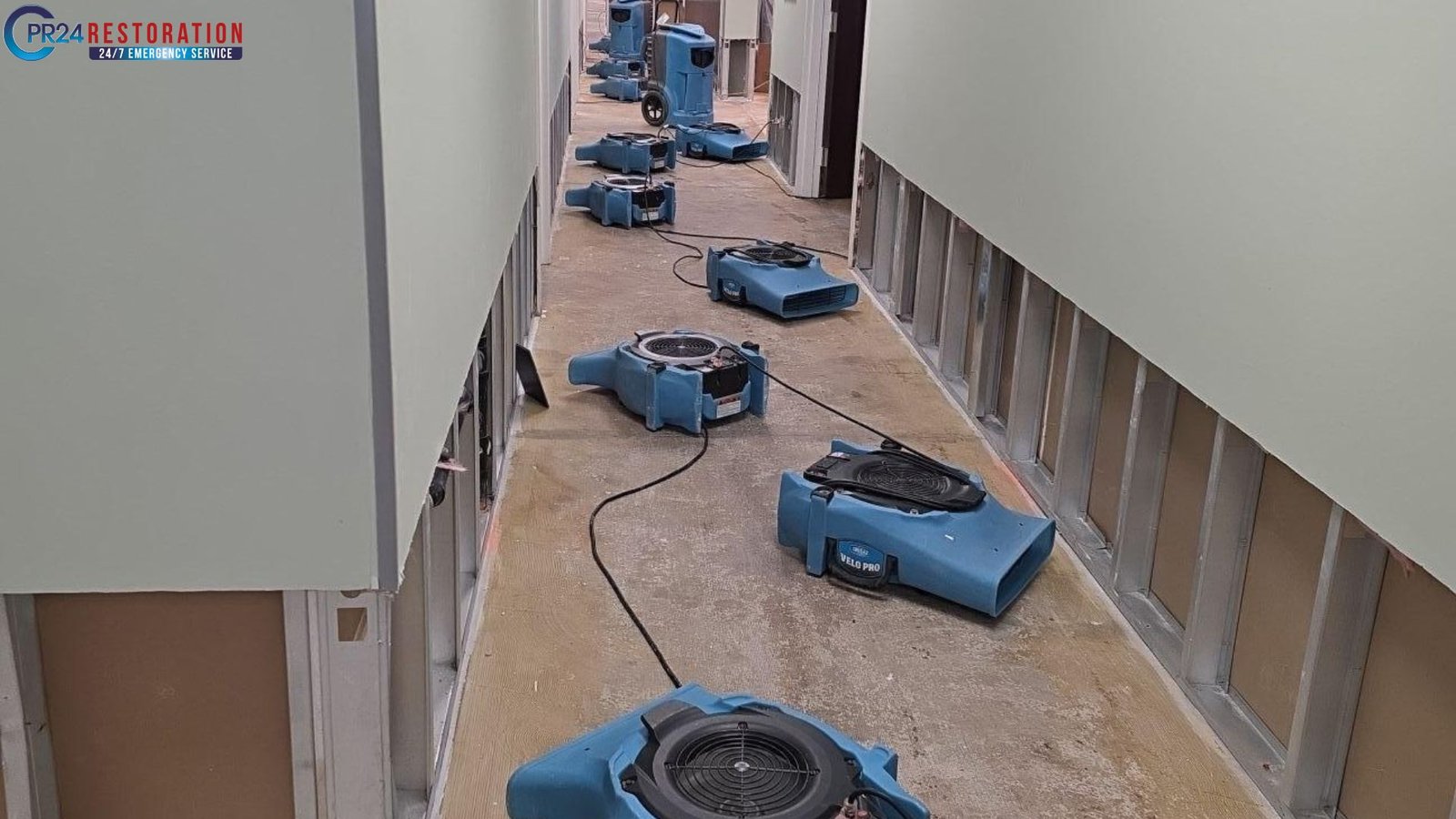
DIY drying methods rarely address hidden moisture. Industrial drying equipment makes professional moisture mapping necessary.
Will Insurance Cover Hidden Water Damage?
Most home insurance policies cover sudden and accidental water damage from sources like burst pipes. Standard policies exclude gradual damage from slow leaks or poor maintenance.
Flood insurance requires separate coverage as an add-on. Deductibles are usually higher than other damage types. Your area’s flood risk levels determine coverage availability.
Choosing Toronto Water Damage Service Providers
Look for companies offering 24/7 emergency response. Verify IICRC certifications, proper licensing and hidden water damage coverage. Professional teams should provide moisture mapping records for insurance claims. They should use advanced tools, including thermal imaging and moisture meters.
Contact CPR24 Restoration for Water Damage Inspections today!
Water damage doesn’t wait, and neither should you. Learn these early warning signs so you can catch moisture problems before they turn into reconstruction projects that get pricey.
Watch for discoloration and musty odours throughout your home, especially in basements, bathrooms and attics. Soft surfaces signal trouble, too. Act quickly when you spot these indicators.
Professional assessment tools can reveal hidden damage that DIY methods miss. This protects your Toronto home and saves money over time.
FAQs
Q1. What are the most common signs that indicate hidden water damage in a home?
Common indicators include musty odours with no clear cause. They also include discoloured walls and ceilings with yellow or brown stains.
Paint and wallpaper may peel or bubble. Flooring may warp or buckle. Ceilings may sag. You may see visible mold growth.
Utility bills may rise suddenly. You may also notice cracks in the foundation. These signs often appear before major structural damage becomes evident.
Q2. Is it possible for water damage to remain hidden from view?
Yes, water damage can remain concealed for extended periods. Hidden moisture often lurks behind walls, under flooring, or in other inaccessible areas. Persistent musty or mouldy smells can signal moisture problems, even without visible surface damage.
Unexplained increases in water bills can also point to hidden leaks.
Subtle changes in wall texture are another strong sign of moisture issues.
Q3. How can I detect water damage that’s hidden behind my walls?
Professional detection methods include moisture meters that measure water levels using electrical resistance or electromagnetic signals. They also include thermal imaging cameras that spot temperature changes caused by moisture.
Technicians use borescopes to perform visual checks inside wall cavities. Moisture meters can detect problems when drywall readings exceed 0.5%. Thermal imaging can reveal cooling patterns from evaporating water.
Q4. What visual clues suggest water damage on walls and ceilings?
Look for discoloration or stains in yellow, brown, or dark shades that indicate moisture intrusion. Peeling paint or wallpaper occurs when moisture weakens adhesives, causing surfaces to bubble or flake. Water rings with uneven, map-like edges are signs of water damage.
Warped or sagging surfaces can also indicate water damage. Soft, spongy spots when pressed are another clear indicator.
Q5. When should I call professional water damage services instead of handling it myself?
Seek professional help right away if you notice leaks, sagging ceilings, or fast-spreading stains. Call for help if you smell strong mould odours, see warped floors in many rooms, or find sewage water. Water damage can cause mold and structural damage within 24 hours.
You may need professional moisture mapping and industrial drying equipment.
They help remove hidden moisture that DIY methods cannot reach.