

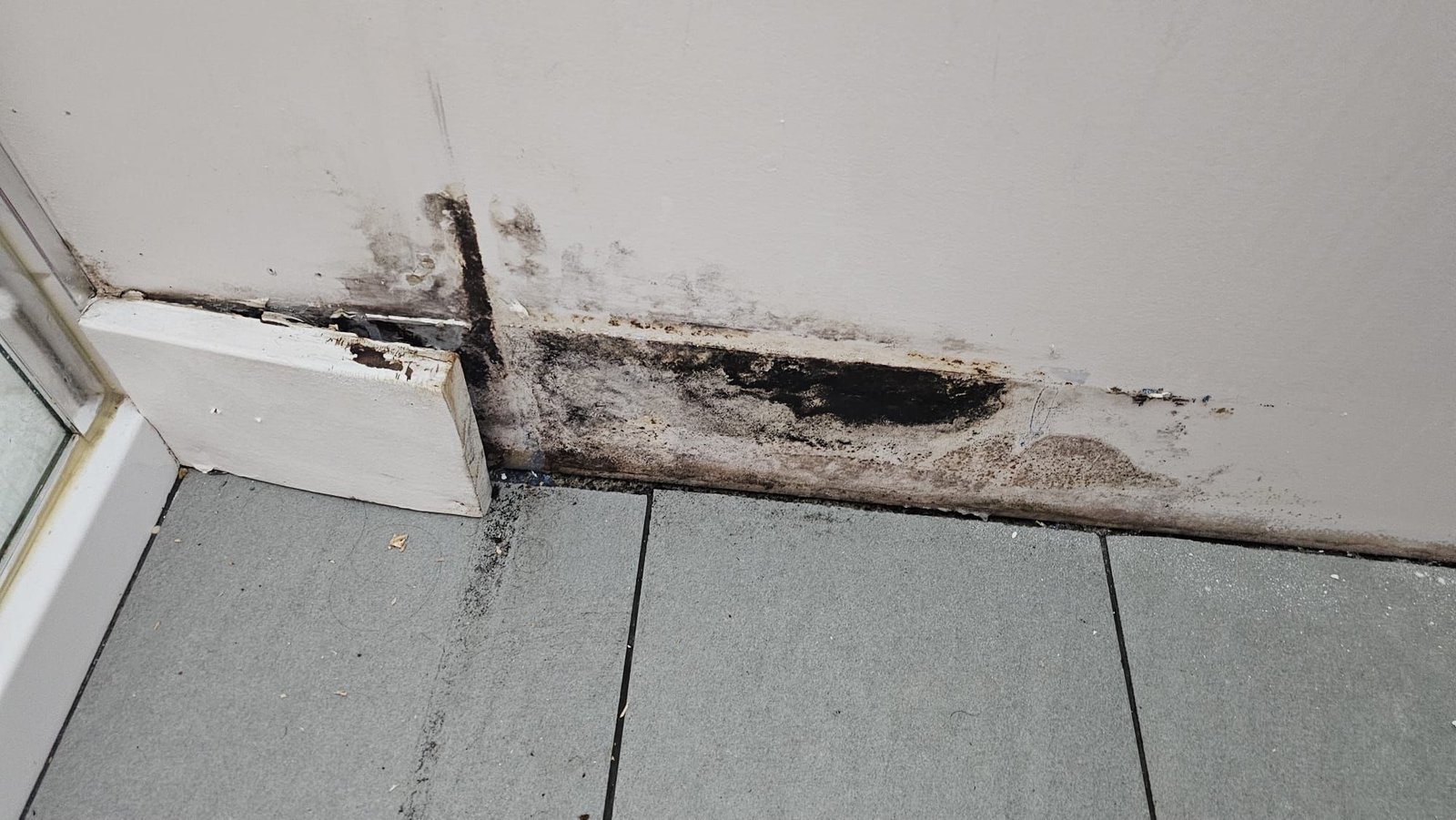
Mold can spread through your entire home in just 72 hours. If you need mould assistance Toronto specialists are available to help. You need professional mold removal services in Toronto. This will stop the quick spread that harms your property. It also releases harmful allergens and irritants into the air.
Our company takes mold infestations seriously. Toronto’s professional mold removal services have cleared about 1.87 million pounds of mold-affected debris since 2002. This shows how significant the problem truly is. Our mold inspection experts use advanced tools and tested methods to find the source of the mold and remove it completely.
This blog covers everything about mold remediation in Toronto. You’ll learn about the risks, removal process, choosing the right company, and preventing future mold growth.
Understanding Mold and Its Risks
Mold is a natural type of fungi that helps break down organic matter outdoors. But inside our homes, these microscopic organisms become unwanted guests that need quick mold removal Toronto services.
What is mold and how it spreads
Tiny mold spores float through the air, too small for us to see. These spores surround us and have existed on Earth for millions of years.
Spores begin to grow on damp surfaces when they find three key things: moisture, oxygen, and food. Food sources include drywall, paper, or wood that has cellulose. Mold runs on temperatures between 40-100°F (4.4-38°C).
Mold starts growing in just 24-48 hours after finding moisture and spreads within 72 hours. You might not see it for about 20 days, but the damage starts much earlier.
Health risks of mold exposure
Your home’s mold can cause different health problems based on how sensitive you are. These common reactions happen often:
- Allergic responses (hay fever symptoms like sneezing, runny nose, red eyes)
- Respiratory issues (wheezing, coughing, throat irritation)
- Skin rash and dermatitis
- Asthma attacks in people with asthma who are allergic to mold
Research links indoor mold to upper respiratory problems even in healthy people. Kids who might develop asthma face bigger risks from early mold exposure.
The risks increase if you have:
– Babies
– Young kids
– Older family members
– Pregnant women
– Allergies
– Breathing problems
– A weak immune system
Common places mold grows in Toronto homes
Toronto’s climate creates perfect conditions for mold growth. Basements top the list of problem areas because of the city’s clay-heavy soil. This soil holds moisture and pushes against foundation walls.
Bathrooms and kitchens become trouble spots when poor ventilation meets high moisture. Toronto’s significant temperature fluctuations between seasons make attics easy targets. This happens when warm air from living spaces hits cold roof surfaces in winter.
Mold often appears on window frames, sills, and nearby walls during cold Toronto winters. The indoor heat meets cold surfaces and creates condensation.
Our Certified Mold Remediation Process
Professional mold remediation uses a step-by-step approach to safely remove mold from your property. Certified mold removal Toronto professionals use specialized equipment and techniques that DIY methods can’t match.
1. First Contact and Emergency Response
You need quick action once you find mold. Professional remediation companies provide 24/7 emergency services and respond within 2-4 hours for urgent cases. Toronto mold specialists can reach you within 30 minutes after your first call.
Quick response helps prevent more damage, especially after water emergencies that create perfect conditions for mold to grow. The specialist will ask you specific questions to figure out what equipment and resources your situation needs.
2. Mold Inspection and Damage Assessment
Certified technicians start with a visual check of all areas, including basements, attics, and crawl spaces. They use advanced tools like thermal cameras and moisture meters. These help find hidden water problems in walls, floors, and ceilings.
Air sampling measures airborne mold spores and compares indoor levels to outdoor measurements. Labs analyze these samples within 24-48 hours to identify specific mold types and contamination levels. You’ll get a detailed report that shows the full picture and recommended cleanup strategies.
3. Containment and Air Filtration
Professionals set up containment barriers based on how extensive the affected area is:
- Limited containment for areas between 10-100 square feet
- Full containment for areas that are bigger than 100 square feet
The containment area stays under negative pressure with specialized equipment so contaminated air can’t flow into clean areas. HEPA air scrubbers and filtration devices catch tiny mold spores while all HVAC systems stay off during the process.
4. Mold Removal and Cleaning
Technicians use antifungal and antimicrobial treatments to kill existing colonies and stop new growth. They need to completely remove heavily infested porous materials like drywall, carpeting, and insulation. The team uses specialized cleaning techniques for items they can save, including HEPA vacuuming, damp wiping, and foam cleaning.
5. Restoration and Repairs
The last step brings your property back to its pre-mold condition. This might mean new drywall, fresh paint, new carpet, or bigger reconstruction projects. Many Toronto remediation companies work with insurance providers and give them all the documentation needed for claims.
Preventing Future Mold Growth
Your top priority shifts to preventing regrowth after professional mold assistance Toronto. The experts put it simply: “The key to mold control is moisture control”. You need an all-encompassing approach that focuses on moisture management and constant watchfulness to prevent mold effectively.
Fixing moisture and ventilation issues
First, spot and repair all moisture sources in your home. You should check and fix your home’s plumbing, roof flashing, and air conditioning joints if they leak.
Bathroom and kitchen exhaust fans must vent directly outside—not into attics or wall cavities. These fans should run during moisture-generating activities and continue for 30 minutes afterward.
The ground around your foundation should slope away from your house. Clean gutters will stop water from seeping into your basement.
Regular inspections and maintenance tips
A regular inspection schedule helps you track vulnerable areas. Watch out for:
- Condensation on windows, pipes, or toilets
- Water stains on ceilings, walls, and window sills
- Musty odors or visible mold growth
Your indoor relative humidity should stay between 30-50%. A moisture meter ($14-$70) helps you track levels throughout your house. Basements and bathrooms need extra attention.
Using dehumidifiers and air purifiers
Dehumidifiers play a crucial role in controlling indoor moisture levels, especially when you have damp areas like basements. They maintain ideal humidity and quickly dry wet areas after water problems. HEPA air purifiers trap airborne mold spores before they can settle and grow. The best results come from systems that combine both technologies—they remove moisture while cleaning the air.
Contact CPR24 Restoration for Mold Assistance in Toronto!
Mold infestations pose a real threat to your property and health. This piece shows how mold can spread rapidly—usually within 72 hours of moisture exposure. Health risks affect everyone. This is especially true if you have children, elderly family members, or people with weak immune systems at home.
Toronto homeowners facing mold problems need professional removal services to work. These experts take a systematic approach that has thorough inspection, proper containment, complete removal, and restoration work. DIY solutions don’t deal exceptionally well with major mold issues.
Your success in treating mold depends on picking the right remediation company. Local companies with proper certifications and insurance understand Toronto’s unique mold challenges. They also have specialized equipment and techniques that aren’t accessible to most homeowners.
Once you remove the mold, prevention becomes your best defense. You need to fix moisture sources, keep proper ventilation, do regular checks, and use dehumidifiers where needed. These steps help you retain control of your home’s air quality and structural integrity.
Mold problems can be stressful for Toronto homeowners. Professional help and good prevention strategies can protect your property and family from harmful fungi. Note that early action saves money and protects health—making professional mold removal an investment rather than an expense.
FAQs – Mold Assist Toronto
Q1. How soon can I return home after professional mold remediation?
Experts generally recommend waiting 24 to 48 hours after completing mold remediation before returning home. This allows time for any treatments to dry and for air quality to improve. The exact time needed may change based on how bad the mold problem is and the methods used to fix it.
Q2. Is hiring a professional mold removal service necessary?
Yes, professional mold removal is often necessary, especially for larger infestations. While DIY methods may provide temporary relief for small issues, they often fail to address the root cause. Professional services offer comprehensive solutions, including identifying and fixing moisture sources, which is crucial for long-term mold prevention.
Q3. How can I ensure I’m choosing a reputable mold assistance company?
To choose a reputable mold remediation company, look for proper certifications such as IICRC credentials.
Q4. What steps does professional mold remediation involve?
Certified mold assistance usually has five main steps. First, there is initial contact and emergency response. Next, mold inspection and damage assessment take place.
Then, containment and air filtration are done. After that, mold removal and cleaning happen. Finally, restoration and repairs are completed. This systematic approach ensures thorough mold elimination and prevents its spread to unaffected areas.
Q5. How can I prevent mold from returning after remediation?
To prevent mold recurrence, focus on controlling moisture in your home. Fix any leaks or water problems quickly.
Make sure there is good ventilation in places with high humidity, like bathrooms and kitchens. Keep indoor humidity between 30% and 50%. Regularly check areas that are at risk. Using dehumidifiers and air purifiers can also help maintain a mold-resistant environment.