

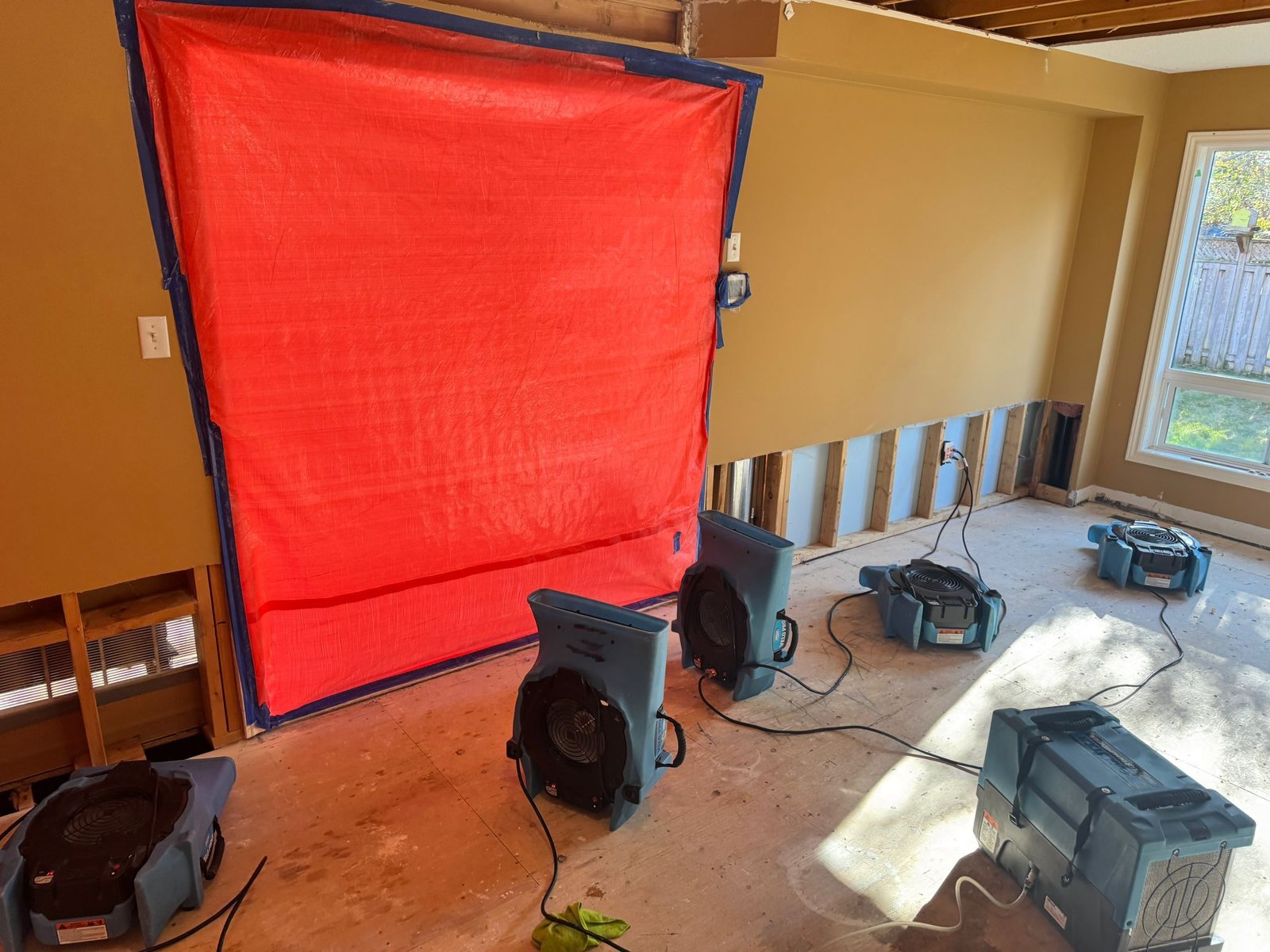
Basement flooding in Toronto can strike any home with a basement, regardless of its flooding history. This unexpected disaster affects thousands of homeowners each year. Property damage and health hazards often follow in its wake.
Quick action is crucial because your home’s furnishings must dry within 48 hours to prevent mould growth. Floodwater carries harmful chemicals and bacteria unless it comes from a clean source like a broken supply line. Your family’s health can be at risk from these contaminants. They can spread disease, cause allergic reactions, and damage materials even after the flood has gone.
This guide outlines the exact steps you need when your basement floods. You’ll learn everything from safety protocols before entering to proper flood cleanup methods and prevention strategies. This information helps you reduce damage and keep your family’s health safe. Useful for current flooding or future events.
Ensure Safety Before Entering the Flooded Basement
Your safety comes first with a flooded basement Toronto. You should call a qualified professional as soon as you find flooding. They can check if it is safe to go inside. Flooded basements can be very dangerous.
Check for electrical hazards
Water and electricity make a deadly mix. You risk severe shock if you step into a flooded basement while the power is still on.
Stay out if the water level has gone above electrical outlets, baseboard heaters, or your furnace. Let your electric company turn off the power at the meter. This is safer than trying to reach your breaker box through water.
Watch for gas leaks or strange smells
Gas leaks create one of the most important dangers during basement flooding Toronto. You need to call your gas company immediately.
This is important if flood water is near gas equipment. This includes furnaces, water heaters, or stoves. Look out for these warning signs of a gas leak:
- A distinctive rotten egg or sulphur smell (gas companies add this odour to help detect leaks)
- Hissing sounds near gas appliances or pipes
- Bubbles in standing water outside your home
- Physical symptoms like headaches, dizziness, fatigue, or nausea
Leave your home immediately and call 911 from outside if you smell any gas.
Wear protective gear before entry
Flood water usually contains sewage, bacteria, and harmful chemicals. You need proper protection to stay safe.
Put on waterproof rubber boots to prevent electrical shock before entering a flooded basement. You should also wear rubber gloves, safety glasses, and a face mask to guard against contaminated water. Keep children, pregnant women, and people with breathing problems away from sewage-contaminated materials.
Look for signs of structural damage
Flooding can damage your home’s structure in some cases. Check your walls for discolouration, puffiness, or other signs. Weak floors or walls might give way, so you should talk to a professional if you notice anything concerning or feel unsure.
Note that basement flood water might contain sewage from the sanitary sewer. This water has bacteria and viruses that could make your family sick. You must wash thoroughly after any contact with flood water.
Identify the Source of the Flooding
You need to locate where the basement flooding starts, clean up properly, and stop it from happening again. First, find exactly where the water comes from.
Burst pipes Toronto vs. sewage backup Toronto
The way you handle the problem depends on whether you’re dealing with clean water from burst pipes or contaminated sewage. Clean water from burst pipes or water supply lines looks clear. A sewer backup Toronto creates thick, black water with contaminants and viruses that can be dangerous to your health.
Sewage usually backs up when something blocks the sewer lines and stops wastewater from flowing through the drainage pipes. This happens because of things stuck in the line (rags, paper towels, disposable wipes, grease buildup). Tree roots can also break into pipes, and collapsed sections let backfill material get inside the line.
Check if flooding is from outside or inside
The solution becomes clear once you know if water comes from inside or outside your home:
Inside sources:
- Plumbing leaks (check visible pipes for leaks/condensation)
- Water supply line break
- Hot water tank failure
- Sump pump failure
Outside sources:
- Groundwater rising above the basement floor level
- Sewer backups from municipal systems
- Subsurface water under hydrostatic pressure (often indicated by water coming up through the concrete floor)
You should also look for white, chalky residue (efflorescence) on walls. This usually means water seeps through foundation cracks.
How to shut off the water supply safely
A burst pipe inside means you should turn off the main water valve right away to limit damage. Most homes have this valve in the basement near the front or in the water heater room. Just turn it counterclockwise to stop the water flow.
If sewage causes the flooding, don’t flush toilets or use appliances with drains – this makes things worse. The best thing to do is call your city’s water services (usually 311) to help figure out and fix sewer problems.
Basement Flood Cleanup & Drying Process Toronto
Quick action to remove water becomes significant after identifying the source and ensuring safety. Your house and furnishings have a lower chance of developing mold if dried within 48 hours.
Remove standing water using pumps or vacuums
A wet/dry vacuum works well with small amounts of water. You must rate the vacuum for wet use, and you should empty it frequently to prevent overflows.
You can place a sump pump at the basement’s lowest point to extract maximum water during deeper flooding. Water may accumulate in concealed areas like behind appliances or under stairs, so check these spots carefully. Professional services with powerful pumps might serve you better during severe flooding.
Dry out the space with fans and dehumidifiers
Mold growth stops with rapid drying. You should position fans near windows or doorways to push damp air outside. Dehumidifiers should run continuously to extract moisture from the air.
The doors and windows can stay open when outside weather allows, during low humidity and moderate temperatures. Otherwise, dehumidifiers remain your best option. Space heaters can help warm the air and speed up moisture evaporation.
Disinfect surfaces and remove damaged items
You need to determine whether you have clean water or sewage-contaminated water first. Hard, nonporous surfaces need a bleach and water solution. Mix 1 cup of bleach with 5 gallons of water. Let it sit for 6 minutes before rinsing.
Flood-soaked flooring requires removal and disposal. The same applies to drywall and insulation contaminated with sewage or flood waters.
Handle contaminated water with extra care
Flood water often contains sewage, bacteria, and harmful chemicals. Protection requires rubber boots, gloves, safety glasses, and a mask. Materials contaminated by sewage pose risks to children, pregnant women, and people with respiratory problems – they should stay away. Any contaminated items that cannot undergo washing and disinfection need disposal, especially textiles.
Report, Document, and Plan for the Future
Your next priority after flood cleanup should be documentation and steps to prevent future flooding. Taking action now will help you avoid problems later.
Call your insurance company and document damage
You should contact your insurance company right away when you find basement flooding. Take detailed photos and videos of all damage, especially close-ups of affected areas. Make a complete list of damaged items with their estimated values and when you bought them.
Save every receipt from your cleanup work. Your insurance might cover temporary housing costs through Additional Living Expenses if you can’t stay in your home.
Install sump pumps or backwater valves
A sump pump removes water through a basin at your basement’s lowest point. You might want to add a battery backup system that works during power outages. Backwater valves stop sewage from backing up into your home during heavy rain. These devices work best with regular maintenance – you should check and clean backwater valves every three months.
Basement waterproofing and drainage upgrades
Local governments often help pay for flood prevention systems. Toronto residents can get up to 80% coverage for backwater valves and sump pump installations. Following manufacturer guidelines for system maintenance gives you the best protection.
Contact CPR24 Restoration for
A flooded basement is a serious problem that just needs quick action. A quick response will minimize damage to your property and lower health risks from contaminated water and mold growth. Your safety is the most important thing before entering a flooded basement. This protects you and your family from electrical hazards, gas leaks, and structural dangers.
Your response strategy depends on the flooding source. Clean water sources need different handling compared to sewage backups or groundwater intrusion. The right identification helps you choose proper cleanup methods and prevents future problems.
You must clean, dry, and disinfect everything within 48 hours to stop mold from growing. It also helps to keep records for insurance claims and the claims adjuster. Letting local authorities know can help fix infrastructure problems.
Prevention works best to stop future flooding. Backwater valves, sump pumps with battery backups, and waterproofing measures reduce your risk by a lot. The whole ordeal might feel overwhelming, but this piece will help you recover and protect your home from future water damage.
Worth mentioning is that you might need professional help for severe flooding or if you’re unsure about handling things yourself. Your health and safety should always be the priority when dealing with basement flooding.
FAQs – Basement Flooding in Toronto
Q1. What should I do immediately when my basement floods?
First, ensure safety by turning off the electricity to the basement. Then, document the damage with photos and videos for insurance purposes. Remove valuable items if possible, and start removing water using pumps or wet vacuums. Contact your insurance company promptly to report the incident.
Q2. How can I prevent mold growth after basement flooding?
To prevent mold, it’s crucial to dry out the basement within 48 hours. Use fans and dehumidifiers to circulate air and remove moisture. Clean and disinfect all surfaces with a bleach solution (1 cup bleach to 5 gallons of water). Remove water-damaged materials like carpets and drywall that you can’t thoroughly dry.
Q3. Is it safe to enter a flooded basement?
Entering a flooded basement is not safe until someone turns off the electricity. Wear protective gear, including rubber boots, gloves, and a mask, when entering. Be cautious of potential gas leaks, structural damage, and contaminated water. If in doubt, wait for a professional assessment.
Q4. How do I identify the source of basement flooding?
Check if the water is coming from inside (burst pipes, failed sump pump) or outside (groundwater, sewer backup Toronto). Look for signs like water seepage through foundation cracks or backup from floor drains. Understanding the source helps in both immediate response and long-term prevention.
Q5. What steps can I take to prevent future basement flooding?
Install a sump pump with a battery backup and consider a backwater valve to prevent sewer backups in Toronto. Ensure proper grading around your home to direct water away from the foundation. Regularly clean gutters and extend downspouts away from the house. Consider waterproofing your basement walls and installing proper drainage systems.