

A flooded basement, burst pipe, sewer backup, or stormwater intrusion creates two urgent problems at once: stopping the damage and paying for the recovery. Who pays for flood cleanup in Ontario depends on the source of the water, the property type, the insurance coverage in place, and sometimes the terms of a lease or condo declaration.
The immediate priority is still safety. Water can spread through flooring, drywall, insulation, electrical systems, and concealed cavities long before the final cost is known. Prompt extraction, drying, and documentation help limit damage and give an insurer a clearer record of what happened.
Who Pays for Flood Cleanup in Ontario?
In many homeowner claims, the property owner pays the deductible and their insurer pays eligible cleanup and repair costs up to the policy limit. That is only true when the cause of loss is covered. Standard policies differ, and the words “flood,” “water damage,” and “sewer backup” are not interchangeable in insurance language.
A sudden burst pipe is commonly covered, although the insurer may review whether the home was properly heated and maintained. Water entering through a roof after a covered storm event may be treated differently from water entering through a long-standing maintenance issue. Overland flood coverage and sewer backup coverage are often optional endorsements, not automatic parts of every policy.
If a severe rainstorm causes water to enter through doors, windows, foundation openings, or the ground, overland water coverage may apply if it was purchased. If wastewater backs up through a floor drain, toilet, or other plumbing fixture, the sewer backup endorsement is usually the coverage that matters. Without the relevant endorsement, the owner may be responsible for cleanup, repairs, and replacement costs.
Insurers also assess the origin of the loss. A blocked municipal sewer, a failed sump pump, a cracked plumbing line, and a neighbouring property’s drainage issue can lead to very different coverage questions. Do not assume the cause based on the visible water. A professional inspection can identify moisture paths, contaminated materials, and likely sources that are not obvious during an emergency.
The deductible is usually the first out-of-pocket cost
Even when a claim is approved, the policyholder normally pays the deductible. Deductibles vary widely, and some policies apply a separate or higher deductible for water-related losses. Coverage limits can also affect the final amount paid, especially where basement contents, finished spaces, sewer backup, or overland water are involved.
Some costs may fall outside the policy even after a covered flood. Examples can include upgrades beyond pre-loss condition, work required to correct a pre-existing defect, or portions of a renovation that exceed the insurer’s approved scope. Ask for clarity before authorizing non-emergency upgrades.
Homeowners: Insurance, maintenance, and preventable damage
For homeowners, insurance is generally designed to restore covered damage to pre-loss condition. It is not a replacement for maintenance. If an insurer determines that a leak developed slowly, a roof was neglected, plumbing was not protected from freezing, or a known drainage problem was left unresolved, coverage may be limited or denied.
That does not mean homeowners should delay cleanup while waiting for an answer. Standing water and wet building materials can create secondary damage within hours. Porous materials exposed to contaminated water may need removal, while clean-water losses may be dried and restored if the response is fast enough.
Homeowners should also separate emergency mitigation from permanent reconstruction. Water extraction, controlled drying, cleaning, and removal of unsalvageable materials are time-sensitive. Flooring replacement, drywall repairs, painting, and waterproofing decisions can follow once the affected area is dry, documented, and the claim direction is clearer.
Condo Flood Cleanup: Unit Owner or Condominium Corporation?
Condo claims are more complex because responsibility may be divided between the unit owner, the condominium corporation, another unit owner, and multiple insurance policies. The first question is usually whether the damaged item is part of the standard unit, an owner improvement, common element, or exclusive-use common element.
A pipe failure inside a unit may damage several suites and common areas. The corporation’s policy may respond to common elements and the standard unit, while the unit owner’s policy may cover personal belongings, improvements, additional living expenses, and the corporation’s deductible assessment if that coverage was purchased.
Do not rely on assumptions about where the water started. Notify property management immediately, preserve photos and videos, and request the relevant information about the corporation’s insurance and standard-unit definition. The condo declaration, bylaws, and insurance policies determine how responsibility is allocated.
If water originated in another suite, the affected owner’s own insurer may still handle the initial claim. Fault can be investigated later. That matters because waiting for a neighbour, tenant, or corporation to accept responsibility can delay drying and increase the loss.
Landlords and Tenants: What Each Party Usually Pays
A landlord is generally responsible for the building, major systems, and repairs required to keep the rental property habitable. This can include damaged drywall, flooring owned by the landlord, plumbing repairs, and restoration of the unit after a covered water event. Their property insurance may respond, subject to the policy terms and deductible.
Tenants are generally responsible for their own furniture, electronics, clothing, and other personal property. Tenant insurance can also provide additional living expense coverage when a rental unit cannot be safely occupied due to a covered loss. Without tenant insurance, replacing damaged belongings may become the tenant’s direct cost.
Responsibility can change where negligence is involved. For example, a tenant who leaves a tap running or fails to report an active leak may face a claim for resulting damage. A landlord who ignores a reported plumbing problem may also face liability issues. These situations are fact-specific, so document communication, photographs, and the condition of the property from the start.
Commercial Flood Cleanup: Coverage Must Protect Operations
For commercial properties, the building owner and tenant may each carry separate policies. The owner’s policy may address the structure, while the business’s policy may cover contents, equipment, inventory, leasehold improvements, and business interruption. A restaurant, clinic, warehouse, office, or retail location can face major losses even when the visible water damage appears limited.
Business interruption coverage may help with lost income and necessary extra expenses after a covered event, but it is subject to policy wording, waiting periods, limits, and documentation requirements. A business owner should notify the insurer early and keep records of closures, cancelled work, temporary relocation costs, payroll impacts, and damaged stock.
Fast mitigation is particularly valuable in commercial spaces. It can reduce downtime, protect tenant safety, and prevent moisture from spreading behind walls or under finished flooring. It may also preserve equipment and inventory that can be safely cleaned rather than replaced.
What to Do Before the Payment Question Is Settled
Do not wait for an adjuster to begin reasonable emergency work. Take clear photos and video of the source, water level, affected rooms, and damaged contents if it is safe to do so. Keep invoices, avoid discarding damaged items until instructed, and make a list of affected belongings.
When floodwater may be contaminated – especially after a sewer backup – keep people and pets away from the area. Do not use household fans to spread contaminated air, and do not attempt to clean sewage-affected carpeting, drywall, insulation, or upholstered items yourself. These materials often require controlled removal, sanitization, and disposal.
A qualified restoration team can document the loss, extract water, set drying equipment, monitor moisture levels, remove contaminated materials, and prepare the site for repairs. This documentation can support the insurance process while protecting the property from avoidable secondary damage.
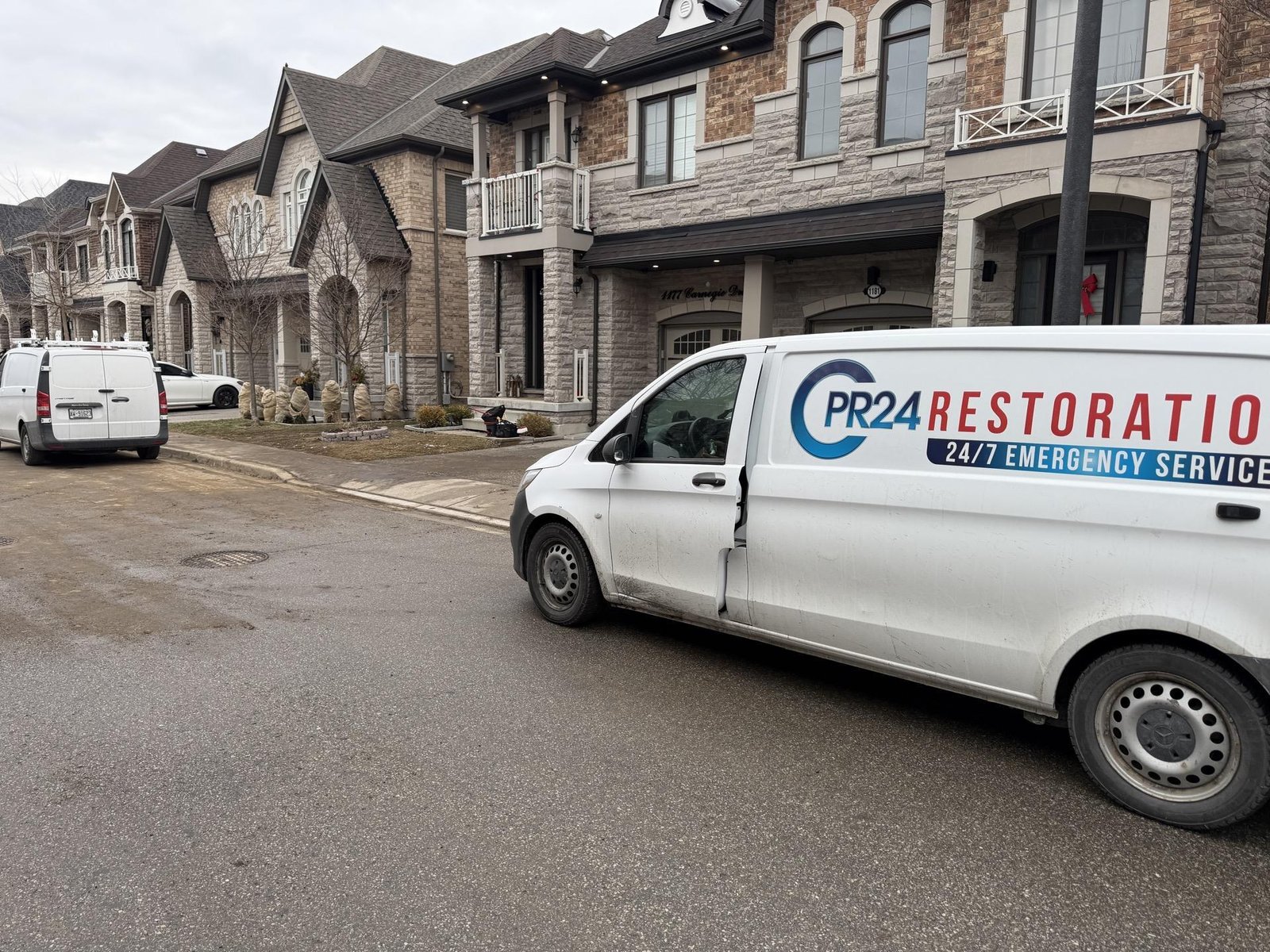
For Toronto and GTA property owners, CPR24 Restoration provides 24/7 emergency flood cleanup, with certified technicians focused on extraction, drying, sanitization, and full repair coordination. The sooner the water is controlled and the affected materials are assessed, the more options you have to protect both your property and your claim.
The payment decision may take time, but water damage does not pause for policy review. Act on the emergency, document every step, and get the specific coverage decision from your insurer before making assumptions about the final bill.