
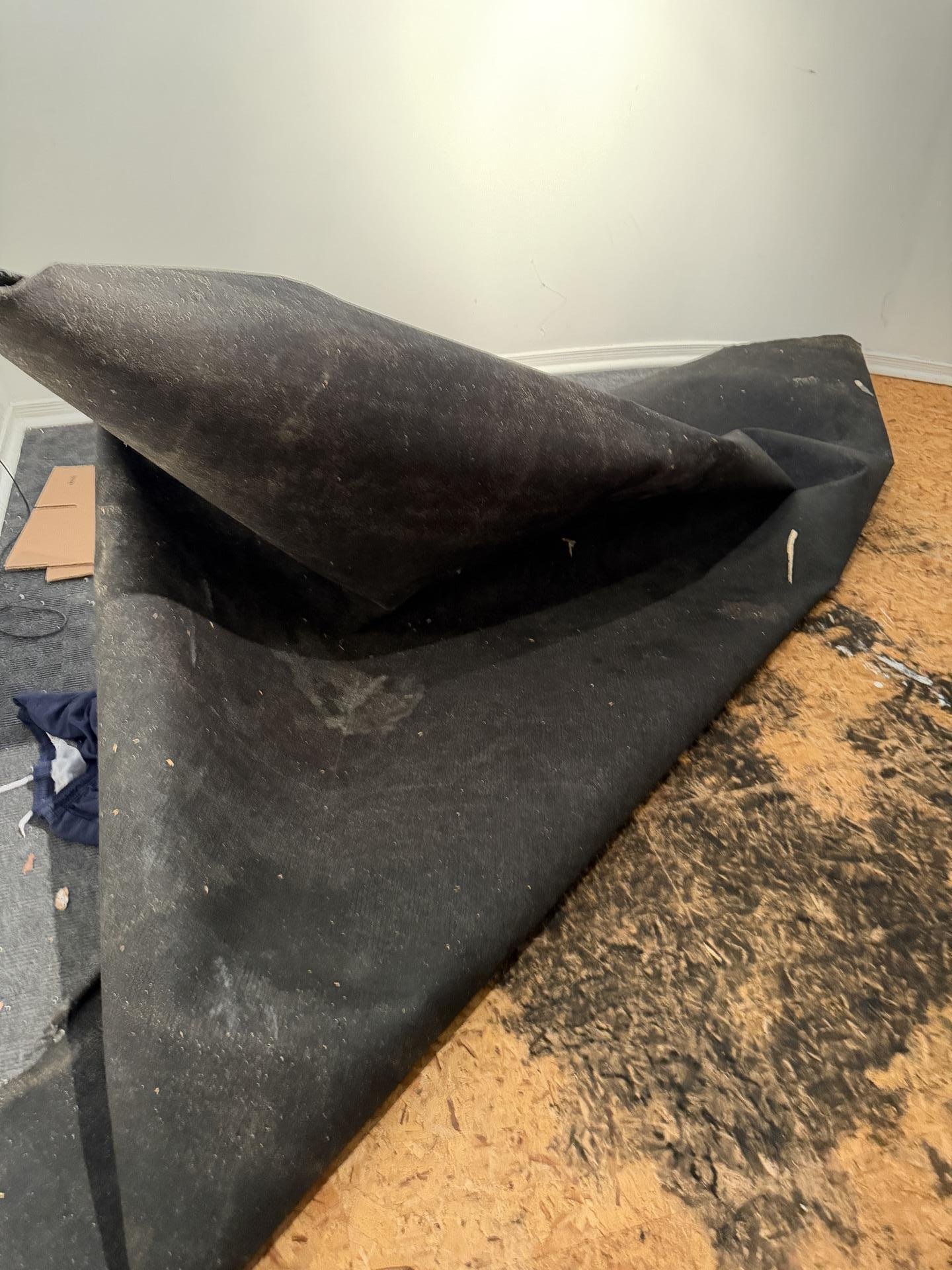
A soaked carpet can look like a manageable cleanup job until moisture reaches the underpad, subfloor, baseboards, and nearby drywall. At that point, a wet carpet drying service is not simply about making the surface feel dry. It is about stopping water damage from spreading, reducing mould risk, and protecting the structure beneath the flooring.
For homeowners, condo owners, property managers, and business operators, the first hours matter. Water from a burst pipe, appliance leak, overflowing sink, storm entry, or flooded basement can move far beyond the visible wet area. Fast extraction and controlled drying give the property the best chance of recovery without unnecessary replacement.
When a Wet Carpet Drying Service Is Necessary
Not every damp spot requires professional restoration, but several situations call for immediate assessment. If water has soaked through the carpet backing, reached the underpad, or remained in place for more than a few hours, surface drying alone is unlikely to be enough. A carpet may feel dry underfoot while the pad and subfloor continue holding moisture.
The source of water also changes the response. Clean water from a recently discovered supply-line leak may allow for drying and restoration if addressed quickly. Water from a washing machine overflow or rainwater can carry dirt and contaminants, depending on where it has travelled. Sewage backup, toilet overflow involving waste, or floodwater requires a different approach because the carpet, pad, and affected porous materials may be contaminated and unsafe to salvage.
A musty smell, darkened carpet edges, lifting seams, damp baseboards, or condensation on nearby surfaces are all warning signs that moisture is still present. Do not assume the problem is solved because a fan has been running overnight. Improper drying can leave conditions that support mould growth within 24 to 48 hours.
What Professional Carpet Drying Actually Involves
Effective drying is a measured restoration process, not a matter of placing a few household fans in the room. The goal is to remove liquid water first, then control evaporation and humidity until affected materials return to acceptable moisture levels.
Inspection and Moisture Mapping
Technicians begin by identifying the water source, the affected rooms, and the materials involved. Moisture meters and thermal imaging can help locate water beneath carpet, inside walls, under baseboards, and around flooring transitions. This inspection prevents a common mistake: drying only what is visible while hidden moisture continues damaging the property.
The condition of the carpet, underpad, subfloor, and adjoining drywall is assessed before a recovery plan is set. In a condominium, the team may also consider how water has travelled between suites or into common areas. In a commercial space, the plan must account for tenant safety, electrical hazards, inventory, and business interruption.
Water Extraction Before Drying
Extraction is the most important early step. Professional equipment removes far more water than towels, wet vacuums, or rental machines. The less water left in the carpet and pad, the faster and more effective the drying process becomes.
In some clean-water events, technicians may use weighted extraction tools to pull water through the carpet without immediately removing it. Where the underpad is saturated, however, lifting the carpet may be necessary. The pad often loses its integrity after heavy water exposure and can hold moisture against the subfloor. Replacing it can be safer and more cost-effective than attempting to dry it.
Controlled Air Movement and Dehumidification
After extraction, air movers direct airflow across wet materials while commercial dehumidifiers remove moisture from the air. These machines work together. Air movement encourages water to evaporate from the carpet, backing, subfloor, and framing, while dehumidification prevents that moisture from settling elsewhere in the property.
The setup depends on the room size, water category, temperature, humidity, and material type. Too little equipment can prolong drying. Too much uncontrolled airflow can move contaminants or create uneven drying. Certified restoration technicians monitor the environment and adjust equipment rather than relying on a fixed number of fans.
Cleaning, Sanitizing, and Odour Control
If the carpet is salvageable, cleaning follows the drying plan. This may include antimicrobial treatment when appropriate, especially after water has been present long enough to create microbial concerns. Odour treatment should address the source of the smell, not mask it with fragrance.
Contaminated water changes the decision entirely. Carpets exposed to sewage or other category 3 water generally cannot be safely restored. Removal, containment, cleaning of the underlying structure, and proper disposal are required to protect occupants and prevent cross-contamination.
Can Your Carpet Be Saved?
The answer depends on time, water source, construction, and the extent of saturation. A high-quality carpet exposed briefly to clean water may be recoverable when extraction begins quickly. A carpet that has been wet for days, has a heavily saturated pad, or has absorbed contaminated water may need to be removed.
Carpet type matters as well. Synthetic carpet can sometimes tolerate water better than natural fibres, but the backing, adhesives, underpad, and wood subfloor may still be affected. Glue-down commercial carpet presents its own challenges because moisture can weaken adhesive and cause delamination or curling.
Replacement is not a failure of the drying process. It can be the correct health and property-protection decision. A reliable restoration provider explains what can be dried, what should be removed, and why, with moisture findings to support the recommendation.
How CPR24 Restoration Handles Wet Carpet and Flooring
At CPR24 Restoration, we respond to wet carpet and water damage emergencies throughout Toronto and the GTA in homes, condos, rental units, offices, and commercial properties. Our technicians frequently find that water has travelled beyond the visibly wet carpet into the underpad, subfloor, baseboards, or surrounding drywall. We use professional moisture meters and thermal imaging to identify these hidden affected areas before determining whether the carpet can be restored. Depending on the loss, our process may include water extraction, carpet and underpad removal where required, commercial air movers and dehumidifiers, antimicrobial treatment, and moisture monitoring. Our IICRC-certified technicians also provide photo documentation and estimates when required for insurance claims.
Why DIY Drying Often Falls Short
Opening windows and running portable fans can help with a small spill caught immediately. They are not a dependable solution for a soaked carpet after a flood or leak. Household equipment usually lacks the extraction power and dehumidification capacity needed to dry the full carpet assembly.
There is also a hidden-risk problem. Moving furniture, peeling back carpet, or removing baseboards without checking moisture can damage materials or miss the areas that need attention most. Electrical outlets, wiring, and wet appliances create additional hazards. If water entered through a ceiling, wall, or electrical area, keep clear of the affected zone until it can be assessed safely.
For property managers, incomplete drying can become a larger issue later. Persistent odours, tenant complaints, mould findings, flooring failure, and repeat repairs often cost more than prompt professional mitigation. Documenting the condition, water source, readings, and work performed also supports insurance communication when a claim is involved.
What to Do While Help Is on the Way
If it is safe, stop the water source first. Shut off the local supply valve or the main water supply for a burst pipe. Move dry belongings away from the affected area and lift furniture legs off wet carpet using blocks or foil, if doing so will not cause injury or damage.
Avoid walking through sewage-contaminated water and keep children and pets away. Do not use a household vacuum on standing water, and do not turn on electrical equipment in a wet area. Take clear photos of the source and damaged materials before major cleanup begins, particularly if you intend to report the loss to your insurer.
Then arrange professional assessment as soon as possible. CPR24 Restoration provides 24/7 emergency response across Toronto and the GTA, with IICRC-certified technicians equipped to extract water, dry affected materials, address contamination, and complete necessary repairs.
How CPR24 Restoration Handles Wet Carpet and Flooring
At CPR24 Restoration, we respond to wet carpet and water damage emergencies throughout Toronto and the GTA in homes, condos, rental units, offices, and commercial properties. Our technicians frequently find that water has travelled beyond the visibly wet carpet into the underpad, subfloor, baseboards, or surrounding drywall. We use professional moisture meters and thermal imaging to identify these hidden affected areas before determining whether the carpet can be restored. Depending on the loss, our process may include water extraction, carpet and underpad removal where required, commercial air movers and dehumidifiers, antimicrobial treatment, and moisture monitoring. Our IICRC-certified technicians also provide photo documentation and estimates when required for insurance claims.
Frequently Asked Questions About Wet Carpet Drying
How long does wet carpet take to dry?
Drying time depends on the amount of water, carpet construction, condition of the underpad and subfloor, indoor humidity, and how quickly extraction begins. Professional technicians monitor moisture conditions rather than relying on a fixed drying time.
Can soaked carpet be saved?
Carpet affected by clean water may sometimes be restored when extraction and drying begin quickly. Carpet exposed to sewage or other heavily contaminated water will generally require removal. The condition of the underpad and subfloor must also be assessed.
Should wet carpet underpad be removed?
It depends on the water source, level of saturation, and condition of the material. Heavily saturated or contaminated underpad often requires removal because it can retain moisture underneath otherwise dry-looking carpet.
Can wet carpet cause mould?
Carpet, underpad, subflooring, baseboards, and surrounding building materials that remain damp can provide conditions that support mould growth. Prompt water extraction, dehumidification, and moisture monitoring help reduce this risk.