
Homeowners across the GTA face a reality many miss. Toronto homes face much higher moisture and mold risks than drier regions, which makes scheduling a mold inspection especially important.
Toronto has a humid continental climate that supports mold growth year-round. This is common in basements, attics, crawl spaces, and water-damaged areas. This is one reason regular mold inspections are important for protecting your property and your family’s health.
Many homeowners ask how to know if your house has mold before visible damage appears. Unfortunately, mold often develops silently behind walls, inside insulation, beneath flooring, and inside HVAC systems. By the time visible signs appear, contamination may already be widespread.
Health Canada confirms that indoor mold can cause breathing problems. It can also trigger allergy symptoms.
It may worsen asthma flare-ups and reduce indoor air quality. Beyond health concerns, untreated mold can compromise structural materials and eventually require extensive mold remediation Toronto homeowners want to avoid.
A professional mold inspection service in Toronto can find hidden moisture problems early.
This can prevent serious health issues.
It can also prevent structural damage. Whether you need preventive inspections or post-flood checks, routine inspections help protect your home.
In this guide, CPR24 Restoration explains:
- Why mold problems are common in Toronto homes
- The benefits of regular mold inspections
- Common warning signs homeowners should watch for
- Why inspections matter after flooding or leaks
- What professional mold inspections include
- When homeowners should schedule inspections
Toronto’s Climate Creates Perfect Conditions for Mold Growth
Mold spores need moisture to thrive, and Toronto’s climate provides it year-round. The combination of humidity, temperature fluctuations, snowmelt, and rainfall creates constant moisture challenges for homeowners.
High Humidity Levels Throughout the Year
Toronto experiences average humidity levels between 60% and 80% during warmer months. Unfortunately, mold growth becomes far more likely once indoor humidity rises above 60%.
The city’s proximity to Lake Ontario contributes to elevated moisture levels compared to inland areas. This creates ideal conditions for mold growth inside:
- Basements
- Bathrooms
- Attics
- Crawl spaces
- Utility rooms
- Wall cavities
Many homeowners do not realize that excess humidity alone can trigger mold growth even without major flooding events.
This is why mold inspections Toronto homeowners schedule regularly are essential for identifying hidden moisture before mold spreads.
Seasonal Temperature Fluctuations Cause Condensation
Toronto’s dramatic seasonal shifts create ongoing condensation problems inside homes. During winter, warm indoor air meets cold exterior surfaces, causing moisture buildup around:
- Windows
- Exterior walls
- Attics
- Roofing systems
Spring snowmelt and heavy rainfall increase foundation seepage and basement moisture. Summer humidity creates condensation inside poorly ventilated areas. Fall weather increases outdoor mold spore levels that can enter homes through ventilation systems.
These constant moisture cycles create ideal conditions for:
- Hidden mold in homes
- Structural moisture damage
- Indoor air quality problems
- Mold colonization behind drywall
Hidden Mold Problems in Homes Are More Common Than Most Homeowners Realize
One of the biggest concerns for homeowners is the presence of hidden mold growth that develops out of sight.
Common hidden mold locations include:
- Behind drywall
- Beneath flooring
- Inside attic insulation
- Around leaking pipes
- Inside HVAC systems
- Basement corners
- Crawl spaces
Many homeowners don’t discover problems until odors or health symptoms appear. This is one reason regular mold inspections are critical for long-term mold prevention Toronto homeowners should prioritize.
Health Risks Associated With Mold Exposure
Mold exposure affects people differently depending on the amount of exposure and individual sensitivity. However, prolonged exposure can lead to serious health concerns.
Respiratory Problems and Allergies
Exposure to mold spores may cause:
- Sneezing
- Congestion
- Coughing
- Wheezing
- Sore throat
- Eye irritation
- Skin irritation
People with asthma, allergies, or respiratory conditions are especially vulnerable.
Mold spores move through indoor air and can irritate your lungs, even if you see only a little mold.
If symptoms worsen indoors, these may be signs your home needs a mold inspection.
Severe Health Risks for Vulnerable Individuals
Certain groups face increased risks from mold exposure, including:
- Young children
- Elderly individuals
- Pregnant women
- People with asthma
- Individuals with weakened immune systems
Long-term exposure may contribute to:
- Chronic sinus irritation
- Respiratory infections
- Fatigue
- Difficulty concentrating
- Asthma flare-ups
Routine residential mold inspection Toronto services help identify contamination before exposure worsens.
How Regular Mold Inspections Protect Your Property
A professional inspection can identify mold and moisture problems before they become severe.
Early Detection Prevents Structural Damage
Mold feeds on organic materials commonly found in homes, including:
- Wood framing
- Drywall
- Insulation
- Flooring
- Ceiling materials
Over time, mold weakens these materials and can lead to:
- Rotting wood
- Crumbling drywall
- Warped flooring
- Ceiling damage
- Structural instability
Professional inspections help detect moisture problems early before extensive repairs become necessary.
A professional mold inspection Toronto homeowners trust can uncover hidden damage that visual inspections often miss.
Benefits of Regular Mold Inspections
Regular inspections offer many long-term benefits for homeowners throughout Toronto and the GTA.
Routine inspections help:
- Detect hidden moisture problems
- Improve indoor air quality
- Prevent structural damage
- Reduce long-term repair costs
- Protect property value
- Prevent mold growth after water damage
- Identify hidden contamination early
Working with a trusted Toronto mold inspection company allows homeowners to address issues before they become serious remediation projects.
Why Mold Inspections Matter After Water Damage
One of the leading causes of indoor mold growth is untreated water damage.
Understanding why mold inspections matter after water damage is essential. Mold can start growing within 24 to 48 hours after moisture exposure.
Professional inspections are strongly recommended after:
- Basement flooding
- Roof leaks
- Burst pipes
- Sewage backups
- Appliance leaks
- Foundation seepage
A mold inspection after a water leak can find hidden contamination.
It may be behind walls, ceilings, or floors.
Finding it early helps stop mold from spreading.
Many Toronto homes also need a mold inspection after flooding. Toronto properties often flood during storms, sewer backups, or snowmelt seasons.
How To Detect Mold In Walls
Many homeowners ask how to detect mold in walls before visible mold appears.
Warning signs often include:
- Musty odors
- Soft drywall
- Bubbling paint
- Water stains
- Peeling wallpaper
- Damp wall surfaces
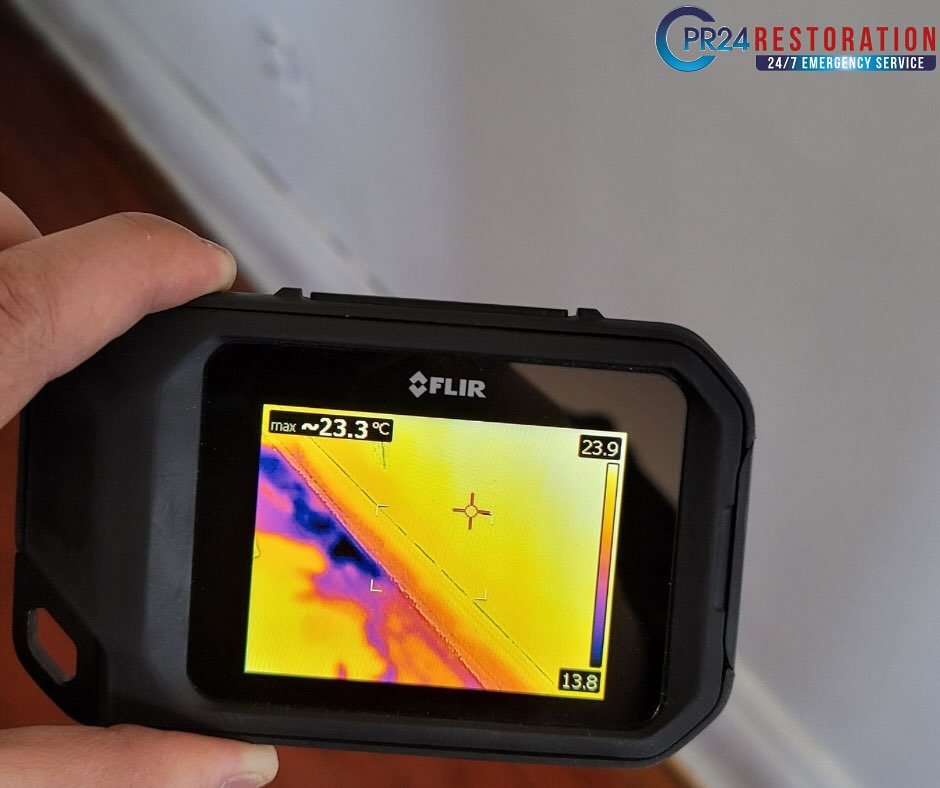
Professional mold detection Toronto specialists use advanced tools including:
- Moisture meters
- Thermal imaging cameras
- Humidity testing equipment
- Air quality testing
These technologies help locate hidden moisture and contamination inside wall cavities and insulation systems.
What Professional Mold Inspection Services Include
A professional inspection involves much more than simply looking for visible mold.
Visual Examination and Moisture Assessment
Inspectors perform a full walkthrough of the property to identify:
- Water stains
- Moisture intrusion
- Ventilation issues
- Visible mold growth
- Damp materials
Areas commonly inspected include:
- Basements
- Attics
- Bathrooms
- Crawl spaces
- Around plumbing fixtures
- Window frames
A proper home mold inspection Toronto service also checks hidden moisture levels using specialized equipment.
Air Quality Testing and Mold Sampling
Professional mold testing Toronto services measure airborne mold spores to determine contamination levels inside the property.
Testing may include:
- Air sampling
- Surface swabs
- Bulk material sampling
- Spore concentration analysis
This helps identify hidden contamination even when mold growth is not visible.
Attic and Basement Inspections
Moisture problems commonly develop in attics and basements because of poor ventilation and condensation.
CPR24 Restoration provides:
- Basement mold inspection Toronto
- Attic mold inspection Toronto
- Black mold inspection Toronto
- Emergency mold inspection Toronto
These inspections help identify hidden growth before it spreads throughout the home.
Professional Mold Inspection Toronto Services From CPR24 Restoration
CPR24 Restoration provides complete:
- Professional mold inspection Toronto
- Mold testing Toronto
- Mold remediation Toronto
- Mold cleanup Toronto
- Mold removal Toronto
- Residential mold inspection Toronto
- Emergency mold inspection Toronto
Our team of certified mold inspectors Toronto homeowners trust uses advanced moisture detection equipment and industry-approved remediation procedures to identify and address hidden contamination safely.
Whether you need preventative inspections or emergency assessment after flooding, our experienced mold specialist Toronto team helps protect your home from long-term moisture and mold damage.
When Should You Schedule A Mold Inspection?
Many homeowners ask, how often should you get a mold inspection?
Professional inspections are recommended:
- Annually as preventative maintenance
- After flooding or leaks
- Before purchasing a property
- After discovering water damage
- If musty odors appear
- If allergy symptoms worsen indoors
- After sewage backups
- Following roof leaks or basement flooding
Routine inspections help detect hidden moisture before mold spreads into structural materials.
Contact Us Today!
Regular mold inspections are one of the best ways to protect your property, indoor air quality, and long-term health. Toronto’s climate creates ongoing moisture risks that make hidden mold growth far more common than many homeowners realize.
By scheduling regular inspections, homeowners can:
- Detect hidden moisture early
- Prevent costly structural damage
- Improve indoor air quality
- Reduce health risks
- Avoid extensive remediation projects
CPR24 Restoration provides professional mold inspection and remediation services throughout Toronto and the GTA. Whether you need preventive inspections, post-flood checks, or emergency response, our team is ready to help. We find hidden mold problems before they become major issues.
FAQs
Q1. Why should I get a professional mold inspection instead of using a DIY kit?
DIY mold kits often miss hidden contamination and cannot accurately measure indoor spore levels. A professional inspection uses advanced moisture detection and laboratory testing to identify mold problems more accurately.
Q2. How often should you get a mold inspection?
We recommend annual inspections for most homes, especially properties with basements, previous water damage, high humidity, or poor ventilation.
Q3. What are signs your home needs a mold inspection?
Common warning signs include musty odors and water stains. They also include allergy symptoms and peeling paint. Look for condensation buildup. Check for visible discoloration on walls or ceilings.
Q4. What does a professional mold inspection include?
A professional inspection includes visual assessments, moisture testing, thermal imaging, air quality testing, and mold sampling to identify hidden contamination.
Q5. Why do Toronto homes have higher mold risks?
Toronto’s humid climate, seasonal condensation, basement dampness, and temperature shifts create ideal conditions for mold year-round.