

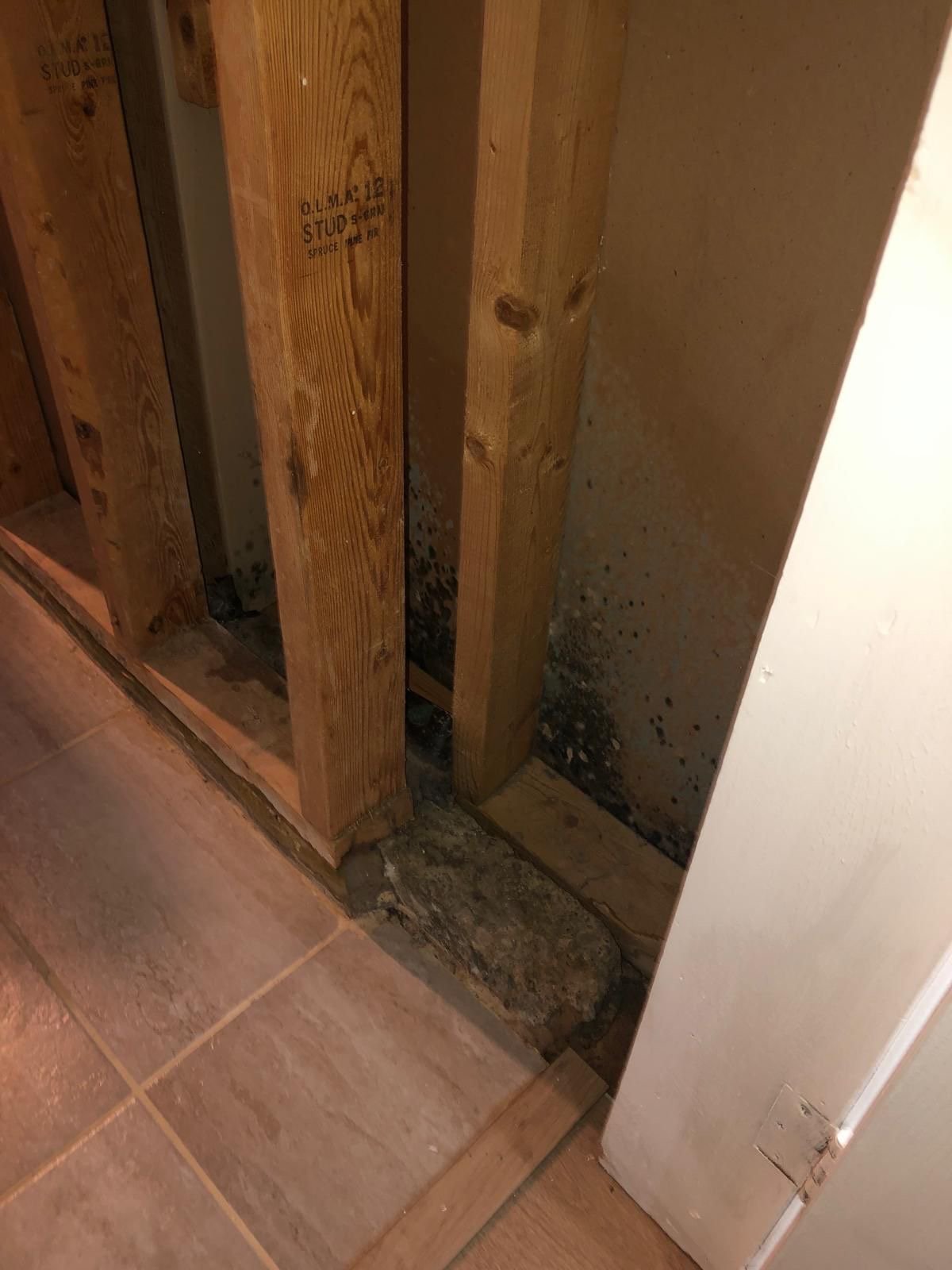
Your home might harbour more mold dangers than you realize. Mold spores exist everywhere, including our homes, and they thrive on any surface that provides enough moisture.
People who live in moldy, damp homes tend to experience eye, nose, and throat irritation. They also report coughing, wheezing, and their asthma symptoms get worse.
This blog will help you understand black mold’s dangers, spot mold in your home, and learn prevention strategies that work. You’ll also learn when to tackle mold removal yourself and when to get help from Toronto mold removal professionals.
What is mold? Where does it grow?
Mold is part of a large fungi family that helps break down dead organic matter in nature. Outside mold serves an important purpose in our ecosystem, but finding it inside usually means you have moisture problems.
These fungi spread by tiny spores that float in the air. You can find them both indoors and outdoors. They start growing when they land in the right conditions.
Common indoor mold types
You’ll find several mold varieties in homes:
- Aspergillus – Appears as gray, green, or dark spots and commonly grows on walls, ceilings, and subfloors
- Cladosporium – Forms green, yellow, or black spots on damp building materials and inside cooling systems
- Penicillium – Creates blue-green, fluffy patches on organic materials like wood and paper
- Alternaria – Dark-colored mold frequently found in HVAC systems, drywall, and window frames
- Stachybotrys chartarum – Known as “black mold,” appears as dark green or black circular spots
Why mold thrives in homes
Molds need specific conditions to grow. Moisture is the key factor – mold can’t survive without it. Studies show that damp conditions exist in 33-50% of buildings, creating perfect conditions for mold growth.
Mold runs on these conditions:
- Bathrooms, kitchens, and laundry rooms with high humidity
- Basements with poor ventilation or water leaks
- Areas around leaking pipes or windows
- Spaces that were flooded
- Poorly ventilated rooms with elevated humidity
Temperature plays a crucial role too. Most molds thrive between 15-27°C – the exact range we keep in our homes. More than that, molds need organic materials like wood, drywall, and fabrics as food sources, plus oxygen to grow.
Is black mold dangerous?
“Black mold” or Stachybotrys chartarum has gotten a bad reputation. In stark comparison to this popular belief, exposure won’t make most people severely ill. The health risks from black mold aren’t any worse than other types of mold.
In spite of that, living with any type of indoor mold for long periods can cause health issues. People who live in moldy homes often have irritated eyes, noses, and throats. They may also cough, wheeze, and have worse asthma symptoms. The risk increases, especially if you have infants, children, seniors, pregnant people, or anyone with breathing problems at home.
Health risks of mold exposure
Your body reacts to indoor mold in different ways based on how sensitive you are and how much mold exists. Many people think the type of mold determines your reaction, but your immune response and exposure time matter more.
Short-term symptoms to watch for
Your original contact with mold often leads to allergy-like reactions. The most common symptoms include:
- Nasal and sinus congestion
- Coughing and wheezing
- Eye irritation (itchy, red, or watery eyes)
- Throat irritation and soreness
- Skin rashes
- Headaches
These symptoms usually appear after exposure, but reaction times vary by a lot between people. Some people react right away, while others might notice symptoms hours or even days later. This depends on their sensitivity and how close they are to the mold.
Long-term health dangers of mold
Living with mold for a long time can cause serious health issues. Research links extended mold exposure to chronic breathing problems like asthma, ongoing sinusitis, and bronchitis. Scientists have also found brain-related effects that include cognitive problems (“brain fog”), memory loss, and trouble focusing. A surprising finding from small studies shows that neurologists couldn’t distinguish between people who had repeated mold exposure and those with mild brain injuries—they expressed similar mental difficulties.
Who is most at risk?
Some groups face higher risks from mold-related health problems. The people most at risk include:
- Infants and young children
- Elderly individuals
- People with existing allergies or asthma
- People with weak immune systems (such as HIV/AIDS patients, organ transplant recipients, and cancer patients)
People with compromised immune systems might get serious fungal infections instead of the typical allergic responses others experience.
Is bathroom mold dangerous?
Bathroom mold can harm your health just like mold found anywhere else. Bathrooms create perfect growing conditions with their warmth, moisture, and organic materials. The mold often comes back within 24-48 hours even after cleaning if conditions stay favorable.
Black mold dangers to health
Black mold (Stachybotrys chartarum) isn’t more dangerous than other types, despite what many believe. But it can still cause major health issues, especially breathing problems, eye irritation, and skin rashes in sensitive people. Scientists have not found strong evidence that black mold causes serious issues. These issues include memory loss, nosebleeds, or lung bleeding in babies.
How to identify mold in your home
You need to spot mold in your home before it becomes a serious problem. Quick detection helps you avoid health issues and prevents damage that can get pricey.
Visual signs of mold growth
Mold appears in different colors and textures. You might see black, green, gray, or white patches that look fuzzy, powdery, velvety, or slimy. Look closely at damp spots, especially when you have bathrooms, window frames, and basement walls. Water stains, warping, cracking, peeling paint, or discoloration on surfaces point to moisture issues that promote mold growth.
Musty smells and hidden mold
The unique “earthy” or “old wet towel” smell comes from gases called microbial volatile organic compounds (mVOCs). Active mold releases these gases. A lingering musty odour usually means mold hides somewhere. Let your nose guide you to break down spaces behind walls, under carpets, in ceiling cavities, or around plumbing.
Is black mold in the shower dangerous?
Black mold creates dark green or black slimy patches on shower walls, grout, or ceilings. While not necessarily more dangerous than other types, shower conditions raise additional concerns. Steam opens your skin’s pores, which might let spores enter your body more easily.
When to test for mold
You should get professional testing if:
- Health symptoms continue without visible mold
- Water damage happened recently
- Musty odors persist without a visible source
Remember, visible mold needs removal, not testing.
Preventing and removing mold safely
A successful battle against mold starts with proper understanding and action. Your home’s safety and health depend on both preventing mold and removing it correctly.
Fixing moisture problems first
Moisture control is the life-blood of mold control. You need to tackle the water problems to prevent mold effectively. Your plumbing leaks and water damage need fixing within 24-48 hours.
A dehumidifier can help maintain indoor humidity between 30-50%. Exhaust fans in kitchens and bathrooms will ensure proper ventilation in areas with high moisture.
DIY mold removal tips
Most homeowners can clean small mold patches (less than 1m² or 10 sq. ft.) safely by themselves. Before you start cleaning:
- Wear protective equipment: N95 respirator mask, rubber gloves, and goggles
- Never mix bleach with ammonia or other cleaners
- Use 1 cup of bleach per gallon of water to clean
- Scrub surfaces with detergent and water, then dry them well
When to call a mold removal professional
You need professional help if you have:
- Areas larger than 10 sq. ft. (1m²)
- Hidden mold inside walls or ceilings
- Mold that comes back after cleaning
- Health issues like asthma or immune disorders
- Water damage from contaminated sources
Toronto mold removal: what to know
Toronto’s regulations demand quick action on water incidents. Without doubt, facility managers must break down and fix water intrusions right after notification. Qualified professionals must handle remediation for large contaminated areas (greater than 10m² or 100 sq. ft.) according to EACO Mold Abatement Guidelines.
Contact CPR24 Restoration for Mold Removal & Mold Remediation!
Black mold in your home poses real health risks that need attention. This piece shows that all types of household mold can cause health problems. The risks are higher if you have children, elderly people, or a weakened immune system at home.
Moisture control is your best defense against mold growth. Leaky pipes, humid bathrooms, and damp basements create perfect conditions for mold to thrive. You can reduce your risk by a lot by fixing water problems quickly and keeping good airflow in your home.
Research shows that people react differently to mold exposure. Some might get a cough or eye irritation, while others develop serious breathing problems. So any mold you see in your home needs attention, whatever its color or type.
Note that you can handle small mold problems (under 1m²) safely with proper protection and cleaning methods. But larger problems need professional help, especially when you have hidden mold or vulnerable family members. Toronto residents should learn about local rules to ensure they follow proper guidelines for serious mold issues.
Quick action against household mold keeps your property and family safe. This information helps you find problems early. You can fix the cause and decide between DIY cleaning or getting professional help. Your home stays healthy and mold-free over the last several years if you act fast and manage moisture properly.
FAQs – Mold Dangers in the Home
Q1. Is it safe to live in a house with mold?
Living in a house with mold is not recommended. While not all molds are immediately harmful, prolonged exposure can lead to various health issues, especially for vulnerable individuals. Addressing any mold problem promptly is best to ensure a healthy living environment.
Q2. What are the common symptoms of mold exposure?
Common symptoms of mold exposure include nasal congestion, coughing, wheezing, eye irritation, throat irritation, skin rashes, and headaches. Some people may experience more severe reactions, particularly those with allergies, asthma, or compromised immune systems.
Q3. How dangerous is black mold compared to other types?
Contrary to popular belief, black mold isn’t inherently more dangerous than other mold types. All molds can cause health problems.
The seriousness of the symptoms depends on two things. First, it depends on how sensitive a person is. Second, the duration of their exposure to the mold determines the outcome. Not only is it about the type of mold.
Q4. Can mold in the bathroom pose health risks?
Yes, bathroom mold can pose health risks similar to mold found elsewhere in the home. Because of the warm, moist environment, bathrooms are prone to mold growth. Regular cleaning and proper ventilation are essential to prevent mold-related health issues in these areas.
Q5. When should I seek professional help for mold removal?
Hiring professionals for mold removal is best in certain situations. You should do this if the mold covers more than 10 square feet. The presence of hidden mold in walls or ceilings is also important.
If mold comes back after cleaning, call a professional. Lastly, if you have health issues like asthma or weak immune systems, seek help. Additionally, professionals should handle water damage from contaminated sources.