

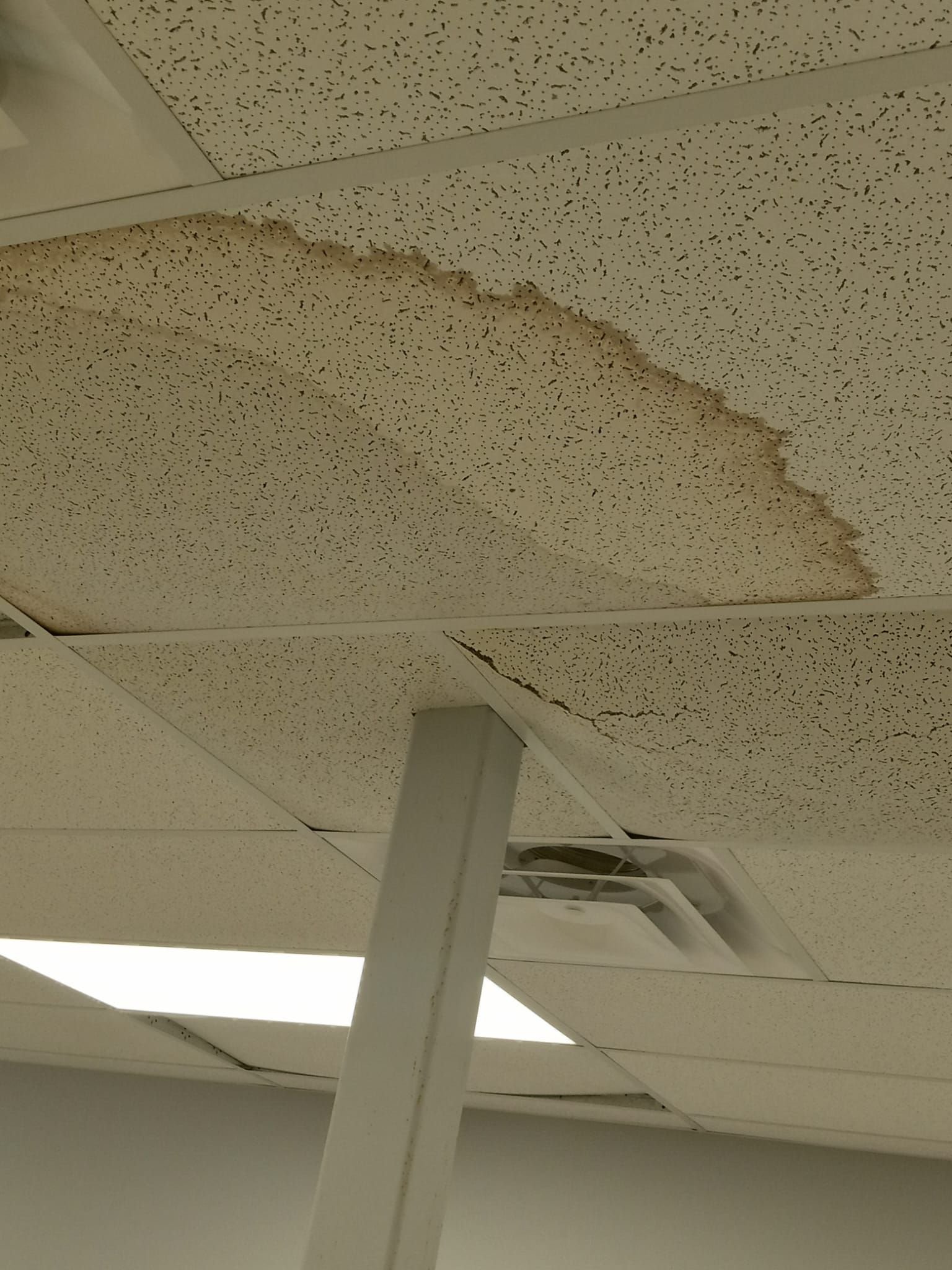
A burst pipe can release hundreds of litres of water in a short time, soaking insulation, drywall, flooring, electrical systems, and belongings before you can see where the water has travelled. Knowing how to fix burst pipe damage starts with stopping the flow, but the repair is only complete when hidden moisture is found, removed, and verified dry.
For homeowners, condo owners, and property managers, the first few hours determine whether a plumbing emergency becomes a contained repair or a larger mould and reconstruction project. Act quickly, stay safe, and avoid covering up wet materials before they have been properly assessed.
Stop the Water and Make the Area Safe
Find and close the main water shut-off valve immediately. In most homes, it is near the water meter, where the main supply enters the building, or in the basement utility area. If the burst pipe serves a single fixture and you can safely access its local shut-off valve, closing that valve may limit the interruption while you wait for a plumber.
Turn off electricity to affected areas only if you can do so without walking through water or touching wet electrical equipment. Water near outlets, extension cords, electrical panels, furnaces, or appliances creates a serious shock and fire risk. Leave the area and call for qualified help if there is any doubt.
Do not use a household vacuum to remove standing water near electrical hazards. Do not enter a ceiling area that is sagging with water either. A water-loaded ceiling can fail suddenly, and the visible leak may not show the full path water has taken through the structure.
Once the water is off, open exterior doors or windows if conditions allow and move dry, valuable items away from the affected area. Lift furniture onto blocks where possible. If water has reached a finished basement, remove loose rugs and personal contents promptly, but do not pull out wet drywall, insulation, or flooring until the source and contamination level have been assessed.
Document the Damage Before Cleanup Begins
Take clear photos and videos of the burst pipe, standing water, wet finishes, damaged contents, and the affected rooms. Capture wide shots that show the extent of the loss, then close-ups of individual items. Keep damaged materials until your insurer or restoration professional advises otherwise.
Contact your insurance provider as soon as practical. Coverage depends on your policy, the source of the water, and whether the pipe failure was sudden and accidental. Frozen-pipe claims can also involve questions about heating, occupancy, and maintenance. Quick documentation helps establish the condition of the property at the time of loss.
In a condo, notify property management immediately. The failed pipe may be within your unit, a common element, or another unit above yours. Management may need to arrange building access, notify neighbouring residents, or coordinate repairs to shared systems. Even when the pipe break happens elsewhere, you are responsible for limiting damage inside your unit.
Repair the Pipe, Then Address the Water Damage
A plumber should identify why the pipe failed before replacing the damaged section. Freezing is a common cause during Ontario winters, especially in exterior walls, unheated basements, crawl spaces, garages, and cabinets on outside-facing walls. Corrosion, excessive water pressure, poor installation, and aging supply lines can also cause pipes to split or fittings to fail.
A temporary clamp or patch may stop an active drip, but it is not always a permanent repair. The pipe material, location, pressure level, and condition of adjacent piping all matter. Replacing only the visibly split section can be reasonable when freezing caused an isolated break. Repeated failures or widespread corrosion may require a broader plumbing assessment.
The plumbing repair stops new water from entering. It does not fix the moisture already trapped in building materials. Water can wick upward into drywall, travel beneath laminate or vinyl flooring, saturate insulation, and collect below baseboards. A floor that appears dry on the surface can still hold enough moisture to cause swelling, odours, or mould growth.
How to Fix Burst Pipe Damage With Proper Drying
Professional water damage restoration begins with an inspection, moisture mapping, and classification of the water source. Clean water from a fresh supply line is generally less hazardous than sewage, dishwasher waste, or water that has travelled through contaminated building materials. However, clean water can become contaminated quickly when it sits in a finished area.
Extraction comes next. High-capacity equipment removes standing water from carpets, subfloors, concrete, and other affected surfaces. The goal is not simply to make the room look dry. It is to remove as much water as possible before controlled drying begins.
Technicians then use commercial air movers and dehumidifiers to lower material moisture levels and humidity. Moisture meters and thermal imaging help identify wet areas behind walls, under flooring, and within ceilings. Depending on the materials and how long they were wet, drying may be possible without major demolition. In other cases, wet insulation, swollen laminate, damaged engineered wood, or compromised drywall must be removed so the structure can dry safely.
This is where waiting can become expensive. Drywall may look intact for a day or two after a burst pipe, then soften, stain, or develop mould as moisture remains inside the wall cavity. Drying equipment should stay in place until measurements confirm that the affected materials have returned to an acceptable dry standard, not until the room merely feels dry.
What CPR24 Restoration Finds After Burst Pipe Damage
At CPR24 Restoration, we respond to burst pipe and water damage emergencies throughout Toronto and the GTA, especially during periods of freezing winter temperatures. In our experience, the visible leak is often only part of the damage. Water can travel underneath flooring, behind baseboards, through insulation, and into adjacent rooms before homeowners notice it. Our technicians use moisture meters and thermal imaging to identify these hidden affected areas before determining what can be dried and what requires removal. Depending on the loss, our process can include water extraction, controlled demolition, commercial dehumidifiers and air movers, antimicrobial treatment, moisture monitoring, and reconstruction. We also provide detailed photo documentation and estimates when required for insurance claims.
Remove Damaged Materials When Restoration Is Not Possible
Some materials recover well when drying starts quickly. Non-porous surfaces such as tile, metal, glass, and sealed concrete can often be cleaned and dried. Solid wood may be salvageable, depending on the extent of saturation and whether it has cupped or warped.
Porous materials are less predictable. Wet cellulose insulation usually needs replacement. Particleboard furniture, laminate flooring, MDF trim, and swollen cabinetry often cannot return to their original condition. Carpet and underpad may be salvageable after a clean-water loss if extraction begins immediately, but prolonged saturation, odour, contamination, or delamination can make replacement the safer choice.
If water came from a sewer backup, toilet overflow containing waste, or another contaminated source, do not attempt a standard household cleanup. Contaminated water requires controlled removal, cleaning, disinfection, and disposal procedures to protect occupants and workers.
Prevent Mould and Secondary Damage
Mould can begin growing within 24 to 48 hours when moisture, organic material, and suitable temperatures are present. The answer is not to spray a fragrance or apply paint over a stain. The moisture source must be corrected, wet materials must be dried or removed, and affected areas must be cleaned using appropriate containment and remediation methods when needed.
Watch for persistent musty odours, bubbling paint, buckled flooring, discoloured drywall, peeling baseboards, or unexplained humidity after the initial cleanup. These signs can point to concealed moisture. Properties with finished basements, older plaster walls, dense insulation, or multiple layers of flooring often need more thorough investigation because water can become trapped between materials.
Avoid turning your furnace to a very high temperature as a substitute for professional drying. Heat alone does not remove enough moisture from saturated assemblies and can drive humidity into other areas of the building. Controlled dehumidification and air movement are more effective.
What CPR24 Restoration Finds After Burst Pipe Damage
At CPR24 Restoration, we respond to burst pipe and water damage emergencies throughout Toronto and the GTA, especially during periods of freezing winter temperatures. In our experience, the visible leak is often only part of the damage. Water can travel underneath flooring, behind baseboards, through insulation, and into adjacent rooms before homeowners notice it. Our technicians use moisture meters and thermal imaging to identify these hidden affected areas before determining what can be dried and what requires removal. Depending on the loss, our process can include water extraction, controlled demolition, commercial dehumidifiers and air movers, antimicrobial treatment, moisture monitoring, and reconstruction. We also provide detailed photo documentation and estimates when required for insurance claims.
Frequently Asked Questions About Burst Pipe Damage
How long does it take to dry a house after a burst pipe?
Drying time depends on how much water was released, which materials were affected, and how quickly extraction began. Professional restoration teams monitor moisture levels during drying rather than relying on a fixed number of days.
Does drywall need to be removed after a burst pipe?
Not always. Drywall may sometimes be dried when the water is clean and restoration begins quickly. Removal may be necessary when drywall is heavily saturated, damaged, contaminated, or preventing wet insulation and framing from drying properly.
Does homeowners insurance cover burst pipe water damage?
Many policies provide coverage for sudden and accidental water damage from a burst pipe, but coverage varies. Frozen-pipe claims may also depend on heating, occupancy, and maintenance requirements. Confirm your specific coverage and deductible with your insurer.
How do you find hidden water after a pipe bursts?
Restoration technicians can use moisture meters, thermal imaging, visual inspection, and moisture mapping to investigate areas behind walls, underneath flooring, around baseboards, and inside ceilings where water may have travelled.
Who should I call first when a pipe bursts?
Shut off the water supply immediately if it is safe to do so. A plumber can repair the failed pipe, while a water damage restoration company can address the water already inside the property through extraction, moisture detection, drying, cleaning, and repairs.