

What you do when your basement floods can mean the difference between minor inconvenience and catastrophic property damage. Basement flooding can happen to anyone with a basement, even if it has never flooded before. It can occur during heavy rains or dry weather.
Safety is your first priority, as a flooded basement poses electrical hazards and creates conditions for mold growth. Drying your house and furnishings within 48 hours is significant to prevent mold from developing. We’ll guide you through safety steps and the basement flood cleanup process. We’ll also share ways to help prevent future basement water damage.
Whether you have a damp basement, standing water, or major flood damage, act fast to limit harm. This can protect your walls, floors, belongings, and foundation.
For homeowners in Toronto or the GTA dealing with basement flooding, it helps to act fast. This can reduce water damage. It also helps you know when you may need professional emergency water removal.
Immediate Safety Precautions Before Entering Your Flooded Basement
Water that stands in your basement creates multiple life-threatening hazards. You need a full picture before you step inside. Each risk needs specific attention to protect yourself and anyone else in your home.
Check for Electrical Hazards
Water and electricity create deadly combinations. Stay out of the area if basement water rises to electrical outlets or baseboard heaters.
Stay out if it reaches your furnace or gets near your electrical panel. You risk electrical shock or electrocution. Even a small amount of water on a basement floor can put you at risk.
Shut off the power at the main breaker, but only if you can do so without standing in water or on a wet floor. Put another way, do not try it yourself if your panel is in a flooded area.
Also, do not walk through water to reach it. Call your local electric utility right away and arrange for them to disconnect power to your home.
A qualified electrician must inspect submerged outlets before anyone can safely reconnect power. Discard wet appliances and light fixtures unless an electrician determines they are safe to use.
Look for Gas Leaks and Natural Gas Appliance Risks
Natural gas leaks pose explosion and poisoning risks in flooded areas. There may be a gas leak if you smell a foul odor as with rotten eggs, sewer, or skunk. You might also hear a high-pitched hissing or roaring noise, or see continuous bubbling in wet areas.
Leave the home or area right away if you detect any signs of a gas leak. Don’t use electrical switches, appliances, telephones, motor vehicles, or any sources of ignition such as lighters or matches. Call emergency services from outside your home.
Water can impair the effectiveness of safety devices installed in natural gas appliances and equipment. Contact your gas utility to shut off service if water rises above meter units or appliances. Never enter a flooded area with natural gas appliances until you disconnect the gas.
Assess Structural Damage and Stability
Waterlogged framing, floor joists, and support beams can lose integrity in no time. This causes sagging or buckling floors, cracking in foundation walls, or risk of collapse. Look for cracks in foundation walls, sagging ceilings, or signs of flood damage before entering your basement.
Understand Sewage and Contamination Risks
Floodwater often contains bacteria, chemicals, and debris that pose serious health risks. The water may contain harmful pathogens like E. coli, Salmonella, and Hepatitis A if the flooding involves sewage backup. Skin contact or inhalation can cause illness during cleanup.
Do not enter without protection. Wear rubber gloves, an N95 mask, and eye protection at minimum, plus disposable shoe covers if available. Children, pregnant women, and people with respiratory problems should never handle water and materials contaminated by sewage.
First Steps to Take When Your Basement Floods
Once you’ve confirmed it’s safe to enter your flooded basement, time becomes your enemy. Mold growth can start within 48 hours, so quick action protects both your property and health.
If your basement floods without warning, first stop the water source if you can.
Next, document the damage and start safe water removal as soon as possible.
Turn Off Power and Water Sources
Locate your main electrical breaker and shut off power to the basement if you can safely reach it without standing in water. Turn off your main water supply to stop more water from entering if a pipe breaks or an appliance fails. This stops the source and limits further saturation.
Document the Basement Flood Damage with Photos
Photos and videos of all damage should be taken before you start cleanup. Capture flooded walls, damaged furniture, soaked carpets, and water levels. Write the date, time, and descriptions of the flood and damaged items. This documentation proves everything in insurance claims and helps restoration professionals plan their approach.
Keep damaged items unless they pose a health hazard. Assemble proofs of purchase, photos, receipts, and warranties for damaged property. Be as detailed as possible when documenting damage.
Contact Your Insurance Company Right Away
Your insurance representative or claims department should be called to report the damage. Insurance coverage and reporting rules vary by policy and the cause of loss.
Contact your insurer as soon as you discover the damage. Your insurer will advise you on standard cleanup procedures, contractors to contact, and claim requirements.
Keep all receipts related to cleanup, emergency repairs, and replacement items. If you had to leave your home, save receipts for extra living expenses. Your policy may cover these costs.
Professional Services for Emergency Basement Water Removal Should Be Called
Water spreads throughout your basement within minutes and absorbs into walls, floors, and furniture. Professional restoration companies respond with specialty equipment like submersible pumps, portable extraction units, industrial dehumidifiers, and air movers. They document the whole process and make insurance claims smoother.
Professionals called right away can make all the difference in preventing permanent damage to wood, upholstery, and other surfaces.
Homeowners searching for “flooded basement cleanup near me” or “wet basement company near me” should choose a restoration company. It should offer emergency basement water removal, professional drying, moisture monitoring, and full flooded basement cleanup.
CPR24 Restoration provides 24/7 emergency basement flood cleanup and water damage restoration services throughout Toronto and the GTA. Our team can assist with water extraction, removal of affected materials where required, professional drying, moisture monitoring, cleanup, and documentation of the affected areas.
For major basement flooding, CPR24 Restoration uses professional water extraction equipment. They also use commercial dehumidifiers, air movers, and moisture meters. This specialized equipment helps find and dry affected areas.
How to Fix a Flooded Basement: Complete Cleanup Process
Basement flood cleanup requires systematic execution to prevent permanent damage and health hazards.
Fixing a flooded basement takes more than removing visible water.
You must also find hidden moisture and seepage in walls, floors, and cavities.
Dry these areas properly to prevent further damage.
Remove Standing Water and Basement Water
Use submersible pumps for large volumes and then wet/dry vacuums for remaining puddles and corners. Don’t begin sorting items until water drops below approximately 1 cm. Pump water away from your foundation to prevent re-entry.
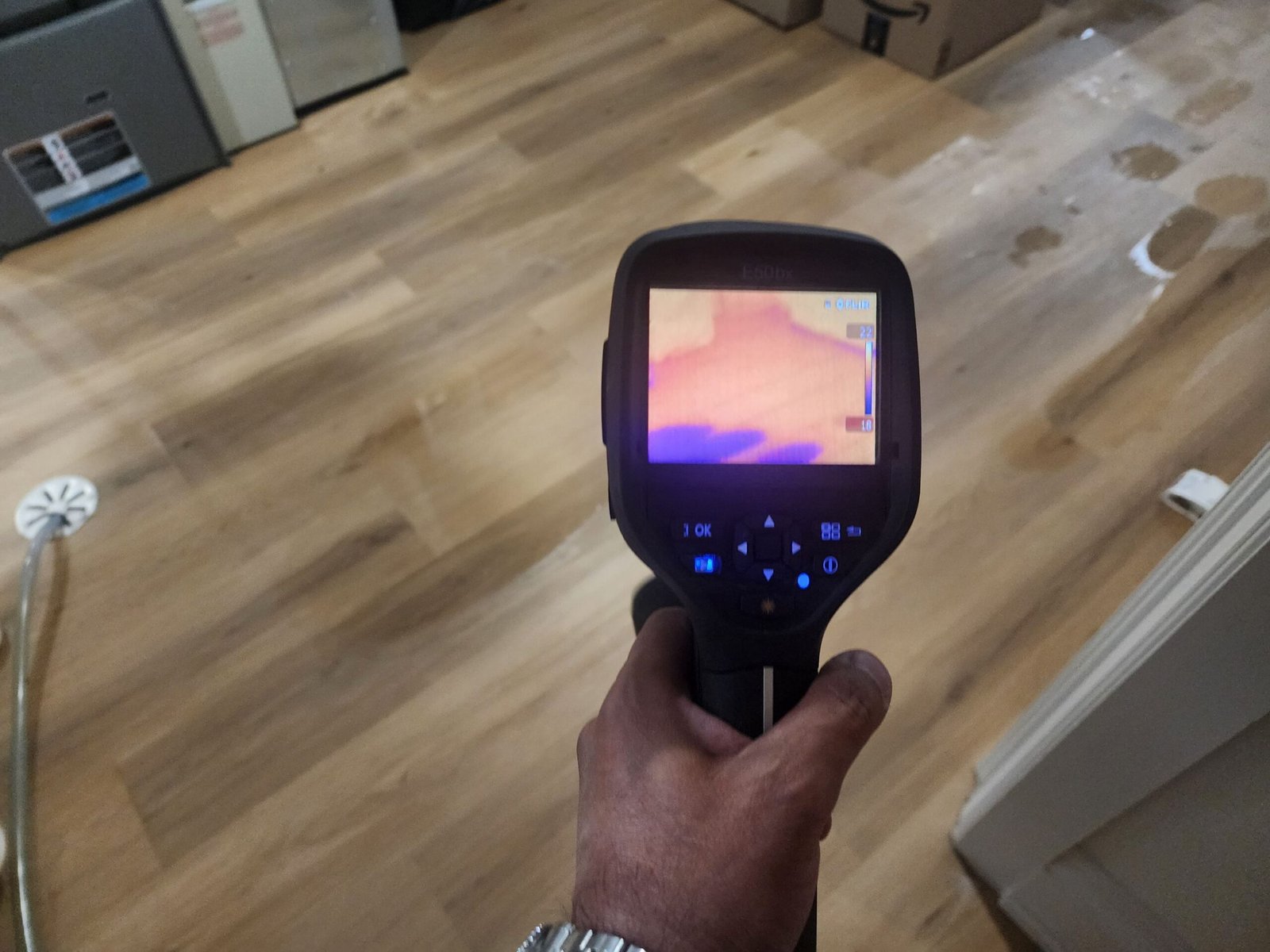
During professional basement water removal, technicians should check the affected areas for moisture.
Moisture may have moved under floors, behind baseboards, into drywall, or inside wall cavities.
Eliminate Wet Materials and Damaged Items
Remove all flooring including carpet and padding, as these trap moisture and prevent subfloor drying. Depending on the type and amount of water damage, you may need to remove wet drywall and insulation. This helps you clean and dry hidden areas.Use Dehumidifier Flooded Basement Equipment to Dry the Space
Run commercial-grade dehumidifiers as required based on the conditions and moisture readings in the affected area. Position them appropriately within the drying area along with air-moving equipment where required. Check moisture levels during the drying process. This helps determine when affected materials have reached the drying goal.
Using the right dehumidifier for a flooded basement, along with professional air movers, helps remove extra moisture. This moisture can remain even after you remove visible water.
This is one reason professional flooded basement cleanup involves more than simply pumping out the standing water. Proper drying and moisture monitoring can help identify water that may not be immediately visible.
Clean and Sanitize All Affected Surfaces
Scrub all hard surfaces with detergent and then apply antimicrobial solutions appropriate to your water category. Cleaning and treatment steps should match the water type, damaged materials, and site conditions.
Address insulation and air quality concerns during restoration.Replace all saturated insulation to prevent moisture retention and rot. Additional cleaning, filtration, or air-quality measures may be needed. This depends on the source and extent of basement flooding.
Preventing Future Basement Flooding and Water Damage
After cleanup, you need a proactive approach to prevent future basement flooding in multiple systems throughout your home.
Inspect and Upgrade Your Sump Pump System
Pour water into the pit monthly to test your sump pump. This is especially important if it handles washing machine drainage. Clean the screen and inlet to keep the pump debris-free.
Professional inspections should verify your alarm system, check valve, backup power, and proper discharge location annually. Ensure the discharge directs water an appropriate distance away from the foundation and complies with applicable local requirements.
Battery backup systems keep your pump operational during power outages. These outages often happen during severe storms when pumping capacity matters most. Maintain sump pumps and replace them when they stop working reliably.
Follow the manufacturer’s recommendations.
Seal Foundation Cracks and Water Seepage Points
Hairline cracks permit substantial moisture entry under pressure. Polyurethane or epoxy injections bond cracks and remain flexible within concrete. You should address leaks before finishing basement rooms to avoid trapping moisture behind studs or insulation. Sealing works best when you combine it with exterior drainage improvements.
Check recurring water seepage in basement walls or floors. Even small leaks can cause a wet basement. They can also damage materials, lead to mold growth, and cause more water damage.
If your basement often gets wet after heavy rain, find the water source before you fix the inside. Basement water problems can come from many sources.
These include foundation cracks.
They can also come from drainage issues.
A failing sump pump can cause them too.
Water can enter through window wells.
Sewer backups can also be a cause.
Install Backwater Valves and Drainage Solutions
Backwater valves prevent sewage from reversing into your home when municipal systems become overloaded during heavy rainfall. Remove dirt and grease buildup by cleaning valves at least twice yearly. Some towns offer programs or rebates for flood-protection upgrades. Homeowners should check current rules in their town.
Create an Emergency Response Plan
A family emergency plan should identify who does what and where everyone goes during flooding events. Keep emergency supplies in waterproof containers on upper floors.
Conclusion
A flooded basement can overwhelm you, but you now have a roadmap to handle it safely. Prioritize your safety before entering any flooded area. Document everything for your insurance claim and act to prevent mold growth quickly.
Follow these steps and implement the prevention strategies we’ve outlined. You’ll protect your home from catastrophic damage and reduce the risk of future flooding incidents.
If your basement flooded and there is a lot of standing water or major damage, a professional clean up team can help. They can remove the water, dry damaged materials, and lower the risk of more damage.
If you have a flooded basement in Toronto or the GTA, CPR24 Restoration is available 24/7. We provide emergency basement water removal, flood cleanup, drying, and water damage restoration. Acting quickly can help limit how far the water travels and reduce the potential for additional damage.
Basement flooded? Contact CPR24 Restoration for 24/7 emergency water damage and flooded basement cleanup services in Toronto and across the GTA.
FAQs
Q1. How quickly should I act after discovering my basement is flooded?
Time is critical when dealing with a flooded basement. You should begin the cleanup process as soon as it’s safe to do so, ideally within 48 hours. This timeframe is crucial because mold can start developing within two days of water exposure.
However, safety must come first. Check for electrical hazards and structural damage before entering the flooded area.
Q2. Can I handle basement flood cleanup myself or should I hire professionals?
While you can remove standing water with pumps and wet/dry vacuums, major flooding needs a pro. Professionals have specialized equipment like industrial dehumidifiers, air movers, and submersible pumps that work more efficiently than household tools.
They also document the entire process. This helps speed up insurance claims. It also ensures thorough drying to prevent long-term damage.
Q3. Will my homeowner’s insurance cover basement flooding?
Coverage depends on your specific policy and the cause of flooding. Coverage for groundwater, surface water, sewer backup, plumbing failures, and other basement water damage varies by policy.
It can also vary by endorsement.
Contact your insurance company as soon as you find the damage.
Ask what coverage, documents, and reporting rules apply to your claim.Q4. What safety precautions should I take before entering a flooded basement?
Never enter a flooded basement before shutting off power at the main breaker.
Only do this if you can reach it without standing in water. Check for gas leaks by smelling for rotten egg odours or listening for hissing sounds. Wear protective gear including rubber gloves, an N95 mask, and eye protection, especially if sewage contamination is possible. If water has reached electrical outlets or you suspect structural damage, stay out and call professionals.
Q5. How can I prevent my basement from flooding again in the future?
Prevention requires a multi-layered approach. Test and maintain your sump pump monthly, ensuring it has battery backup for power outages. Seal foundation cracks with polyurethane or epoxy injections. Install backwater valves to prevent sewage backflow during heavy rainfall.
Keep gutters and downspouts clear, and direct water appropriately away from the foundation. Consider professional drainage solutions if flooding persists.
Q6. Who should I call for a flooded basement in Toronto?
For significant basement flooding, homeowners should contact a professional water damage restoration company that provides emergency water extraction, drying, moisture monitoring, and cleanup. CPR24 Restoration provides 24/7 flooded basement cleanup and emergency water damage services throughout Toronto and the GTA.