

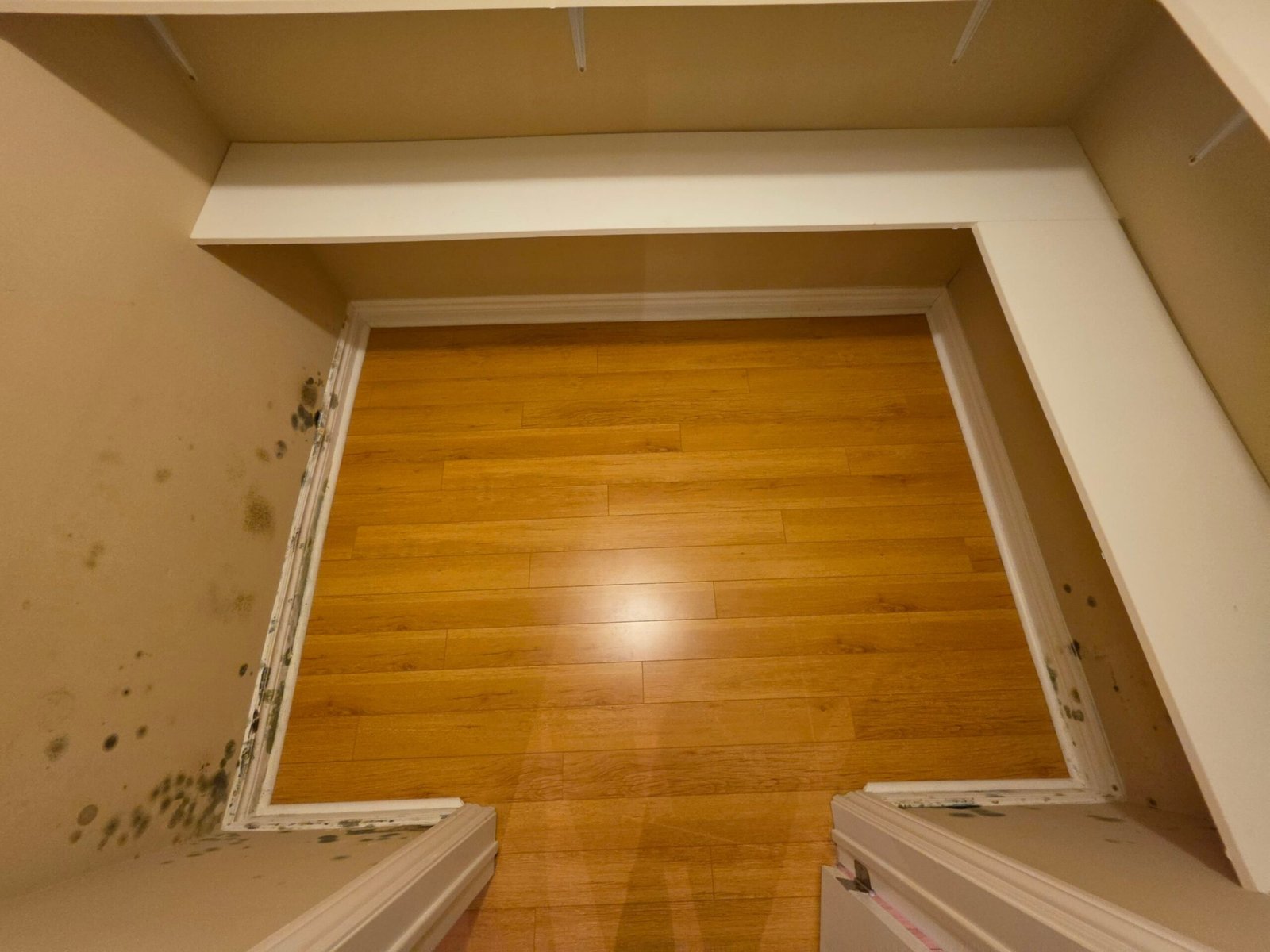
Professional mold removal addresses contaminated materials and the moisture conditions that allow mold to grow. For Midtown Toronto homeowners, tenants, and property managers, the priority is a clear assessment followed by appropriate cleanup—not simply covering stains. This article explains when to seek help, what to ask contractors, and how to plan the work around your property. Health Canada emphasizes addressing both indoor mold and its underlying moisture source.
What does professional mold removal in Midtown Toronto involve?
Professional mold removal involves assessing affected areas, identifying moisture sources, planning appropriate containment, cleaning or removing contaminated materials, and checking the completed work. The exact approach depends on the materials, extent of contamination, and building conditions. ANSI/IICRC S520 is a professional remediation standard covering inspection, structural and contents remediation, safety, documentation, and post-remediation verification.
Three terms help clarify proposals:
- Mold inspection: An assessment of visible growth, moisture conditions, damage history, and potentially affected areas.
- Mold remediation: The work undertaken to remove contamination and address conditions contributing to it.
- Post-remediation verification: An evaluation of whether the agreed remediation objectives have been met. Ask who performs it and what evidence they will provide.
When comparing mold removal services, request a written scope that connects these stages. It should distinguish the cleanup contractor’s responsibilities from plumbing, roofing, ventilation, or rebuilding work. Ask who coordinates those separate tasks and when each must be completed.
Midtown properties need a building-specific approach
Midtown is not one uniform housing environment. The Yonge–Eglinton and Yonge–Davisville corridor includes low-rise, mid-rise, and high-rise buildings, while the City’s Midtown planning areas also encompass Mount Pleasant and Davisville character areas. Your contractor should assess the actual building rather than propose a treatment based only on the neighbourhood name.
Use your property type to guide the initial conversation:
- Basement or ground-level home: Ask how the assessment will investigate water entry, plumbing leaks, and damp finishes.
- Condo or apartment: Ask who needs access to the unit, whether management approval is needed, and how adjacent spaces will be considered.
- Top-floor room or attic: Describe roof leaks, ceiling staining, or recurring condensation so the assessor can plan the investigation.
For a Davisville apartment or a Yonge–Eglinton condo, give the provider practical access details before booking: concierge procedures, parking arrangements, elevator reservations, and permitted work hours. Ask whether these arrangements affect the proposed schedule or quote. That is more useful than choosing a company solely because its advertising mentions Midtown.
When should you arrange a mold inspection?
Arrange a mold inspection when growth keeps returning, you suspect contamination behind walls or ceilings, or the extent of damage is unclear. Health Canada recommends professional assessment and cleanup when a single mold patch exceeds three square metres. It also identifies contaminated floodwater and moisture trapped within building cavities as reasons to involve a qualified professional.
Visible staining is not the only clue. A persistent musty smell, damp materials, or discoloration near a previous leak deserves investigation, especially when the source is not obvious. Check accessible areas without pulling apart finishes or disturbing suspected contamination.
Before arranging mold inspection in Toronto, prepare a short history:
- When did you first notice the smell, stain, or growth?
- Was there a plumbing leak, roof issue, flood, or renovation beforehand?
- Has the same location been cleaned or repainted previously?
- Does the problem change after rain, showering, or seasonal temperature changes?
- Are photographs, maintenance records, or previous reports available?
These notes give you a consistent starting point for conversations with different assessors. Ask each one to explain what they can determine during the visit and what might require further investigation.
Testing should answer a specific question
An inspection and a laboratory test are not interchangeable. In most situations, Health Canada does not recommend air testing for mold: results cannot predict health effects and often provide little information about the cause of damage. Do not assume that a package containing more samples necessarily offers a better assessment.
Before authorizing sampling, ask what decision the results will inform. Will they clarify an uncertainty, change the proposed scope, or support a specifically agreed verification plan? Request the reasoning in writing, including who will interpret the findings.
Similarly, avoid choosing a response based on mold colour. CDC guidance explains that colour does not establish whether mold is more or less dangerous; indoor growth requires attention regardless of its appearance. Ask for evidence about moisture and affected materials rather than alarming labels.
What a well-explained remediation plan should cover
A useful proposal should make the work understandable before you commit. Ask the provider to identify the affected rooms, describe proposed methods, and explain how occupants and unaffected areas will be protected. Professional remediation guidance addresses planning, containment, cleaning methods, and appropriate protective equipment according to the circumstances.
Containment and controlled removal
Containment means separating the work area to limit the spread of contamination during remediation. Depending on the job, professional controls can include barriers, controlled airflow, and HEPA-filtered equipment. These measures should match the work being performed rather than appear as unexplained equipment charges.
Ask how workers will enter and leave the area, where debris will travel, and which rooms will remain accessible. For a Mount Pleasant apartment, discuss shared corridors and building access with management before work starts. Request written instructions for residents rather than relying on a brief conversation on arrival.
Cleaning, removal, and completion checks
Different materials require different approaches; some contaminated porous materials may need removal rather than surface cleaning. Hidden damage can also require a revised plan once the extent becomes clear. Painting over moldy or water-damaged surfaces is not an adequate remediation strategy.
Ask what completion will look like before authorizing work. EPA guidance identifies correction of the moisture problem, removal of visible mold and moldy odours, and follow-up checks as important considerations. A fresh coat of paint alone does not demonstrate that the underlying problem has been resolved.
Compare qualifications, scope, and communication
Start by asking who will assess the property and who will supervise the cleanup. If a provider advertises IICRC credentials, request the specific qualification and ask how it relates to the proposed work. S520 describes remediation procedures; a reference to the standard should lead to a practical explanation, not end the conversation.
Use this checklist when reviewing contractors:
- Relevant experience: Request examples of comparable property types and project challenges, without expecting disclosure of previous clients’ private details.
- Insurance documentation: Ask for current evidence and clarification of the work it covers.
- Written boundaries: Confirm included rooms, materials, exclusions, and responsibilities for repairs.
- Change authorization: Require approval before additional demolition or charges.
- Documentation: Ask what photographs, findings, and completion records you will receive.
- Warranty terms: Request the actual wording, including exclusions and any obligations placed on you.
Treat reviews as a starting point for questions. If someone praises fast service, ask about the provider’s current availability; if they mention careful cleanup, ask how property protection will work in your home. Do not substitute an appealing testimonial for a clear contract.
Understand the quote and schedule before committing
Rather than relying on a generic Toronto price range, request an itemized proposal for your property. Ask whether the price includes assessment, containment, material removal, cleaning, disposal, verification, and rebuilding. Make sure any taxes, optional services, or allowances are clearly identified.
For a fair comparison, give each contractor the same information. A quote for cleaning exposed framing cannot be compared meaningfully with one that also includes opening walls and replacing finishes. Ask each provider to identify assumptions that could change after work begins.
Discuss the schedule in stages: assessment, access arrangements, remediation, completion review, and reinstatement. Ask which dates are firm, which are estimates, and what happens if additional damage is discovered. Get clarification on whether the quoted completion date means cleanup is finished or the room is ready for normal use.
Be equally specific about guarantees. Ask what remedy is offered if the agreed work is incomplete, and how a future moisture event would be handled. Keep the written response with your proposal rather than relying on a broad verbal promise.
Prepare your household without disturbing the problem
Before work starts, obtain instructions about access, belongings, and which areas to avoid. Health Canada advises keeping susceptible people—including children, pregnant people, seniors, and people with respiratory conditions—away from mold cleanup areas, and recommends keeping pets away too. Follow the project-specific access plan.
Useful preparation includes confirming a contact person, recording existing conditions with photographs from an accessible location, and asking which clean belongings can be moved safely. Do not start opening suspected wall cavities to help the contractor get ahead. Investigating hidden mold can release contamination and requires appropriate precautions.
If anyone has symptoms or an underlying condition that raises concerns, speak with a healthcare provider about exposure and suitable precautions. Damp and moldy environments can cause respiratory or allergic symptoms, although responses vary between individuals. A remediation contractor should not diagnose a household member’s illness.
Practical FAQ for Midtown tenants and condo owners
What should a tenant do before arranging removal independently?
Report the problem to the landlord or property manager in writing and keep a copy, along with photographs and dates. Toronto directs tenants to raise maintenance issues with their landlord first; if the complaint remains unresolved and problems persist, they can contact 311 to create a service request. Describe both the suspected mold and any active leak
What should condo owners clarify before approving invasive work?
Ask management about required approvals, access to adjacent or shared areas, contractor documentation, and disposal arrangements. Request written clarification of who is authorizing each part of the project. Include these arrangements in discussions with the remediation provider so nobody assumes that another party has already approved the work.
Should an older property be checked for asbestos before materials are removed?
Discuss suspected asbestos-containing materials before demolition or invasive investigation. Health Canada recommends professional testing before renovations that could disturb materials suspected of containing asbestos, and advises against disturbing those materials yourself. Mold remediation and asbestos assessment are separate issues; ask whether additional specialist involvement is needed.
Keep moisture control part of the follow-up
Once cleanup is complete, follow through on the repair and maintenance recommendations. Health Canada recommends maintaining relative humidity between 30% and 50%, repairing leaks promptly, and using kitchen and bathroom exhaust fans that vent outdoors. Check previously affected areas for renewed dampness rather than waiting for visible growth.
Keep the assessment, photographs, invoices, repair records, and completion documentation together. Set reminders for any inspections or maintenance specified in the handover notes. If an odour or stain returns, document the change and contact the appropriate contractor rather than simply repainting.
When choosing mold removal in Midtown Toronto, prioritize an explained scope, practical safeguards, and a plan for the moisture source. Whether you are arranging help near Davisville, Yonge–Eglinton, or Mount Pleasant, start with a property-specific assessment and request a written proposal you can understand before booking.