

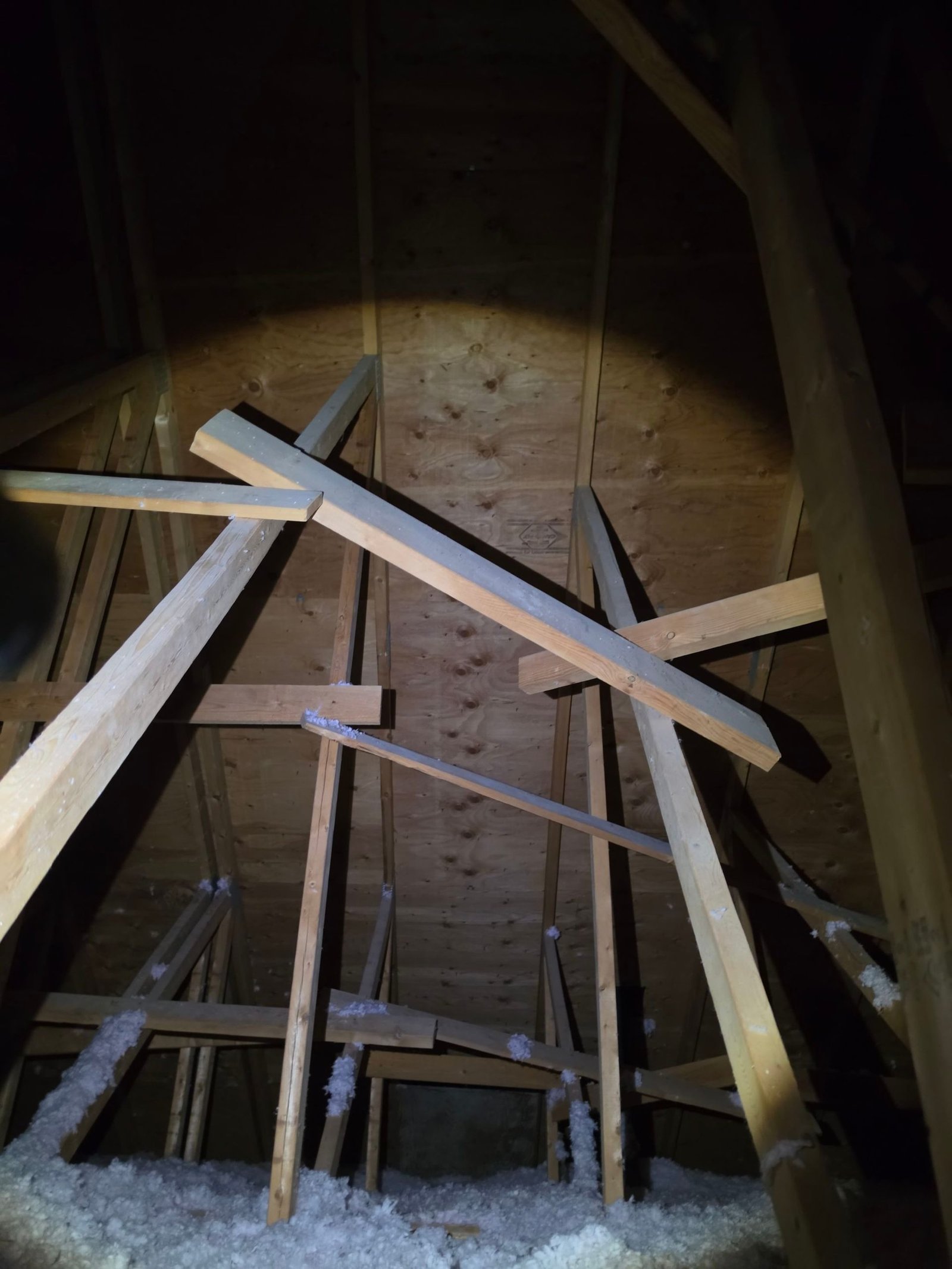
CPR24 Restoration provides professional mold removal in Bradford, helping homeowners and property managers address mold in basements, attics, bathrooms, and behind drywall. Certified mold remediation starts with identifying the moisture source and assessing the affected materials, followed by containment, removal of damaged materials where necessary, HEPA vacuuming, and cleaning of remaining surfaces. Whether the problem follows a plumbing leak, condensation, or basement water damage, the goal is to remove the contamination and explain the moisture corrections needed to help prevent mold from returning.
What should you do first when you find mold?
The first step is to identify and stop the moisture source before beginning cleanup. Mold needs moisture to grow, so removing visible growth without fixing a leak, condensation issue, drainage problem, or humidity concern usually leads to repeat growth. In Bradford homes, moisture may come from roof leaks, plumbing failures, wet basements, poor ventilation, or flooding after heavy rain.
Start by looking at the area around the mold. Check for staining, soft drywall, musty odors, peeling paint, warped trim, or damp insulation. If the surface is still wet, dry it as quickly as possible using ventilation, dehumidification, and repair of the underlying source. Avoid scraping or disturbing mold until you know the problem size.Careless handling can release spores into nearby rooms.
For small areas on hard, non-porous surfaces, careful cleaning may be manageable. For larger areas, recurring mold, mold inside HVAC systems, or growth caused by sewage or flooding, professional assessment is usually the safer route.
Moisture control is the foundation of mold removal
Effective mold removal is not just cleaning; it is moisture management. If the indoor environment stays damp, mold can return even after a room looks clean. Bradford-area properties may face moisture challenges from older basements, seasonal humidity, foundation seepage, and insufficient airflow in bathrooms, kitchens, laundry rooms, and crawl spaces.
A practical moisture-control plan includes both immediate repairs and daily habits. Fix leaks quickly, keep gutters clear, direct downspouts away from the foundation, and use exhaust fans during showers and cooking. In basements or lower levels, a dehumidifier can help keep humidity in a safer range, especially during humid months.
Pay attention to hidden moisture as well. A wall may feel dry on the surface while insulation or framing behind it remains damp. If there has been a major leak or flooding event, drying should be thorough, not just cosmetic. Materials that stay wet too long can become a source of ongoing odor and contamination.
Safe containment keeps the problem from spreading
Containment is one of the most important mold removal techniques because it limits the movement of spores and debris. When moldy material is disturbed, particles can travel through air currents, foot traffic, and HVAC systems. Without containment, a cleanup project in one room can create new concerns in another.
For a small cleanup, containment may be as simple as closing doors, covering vents, and using plastic sheeting to separate the work area. Larger projects may require more advanced controls, such as negative air pressure, sealed barriers, and HEPA filtration. The goal is to keep affected material isolated until it can be cleaned or removed safely.
Before work begins, remove unaffected items from the area or cover them if they cannot be moved. Avoid running fans that blow across moldy surfaces, because this can spread spores. If heating or cooling vents are nearby, turn off the system until the area is protected or professionally evaluated.
Basic containment checklist
- Close doors between the affected area and the rest of the property.
- Cover supply and return vents near the mold growth.
- Use plastic sheeting when work may disturb contaminated material.
- Wear protective gear such as gloves, eye protection, and a properly fitted respirator.
- Bag and seal debris before carrying it through clean areas.
- Clean tools and footwear before leaving the work zone.
Cleaning methods depend on the material
Not all moldy materials should be handled the same way. Hard, non-porous surfaces such as tile, metal, glass, and sealed countertops can often be cleaned because mold remains on the surface. Porous materials such as drywall, carpet, ceiling tiles, insulation, and untreated wood may absorb moisture and allow mold to grow deeper into the material.
For hard surfaces, cleaning generally involves physical removal rather than simply spraying a product and walking away. Scrubbing, wiping, rinsing when appropriate, and drying completely are key. Some cleaners can help, but the main goal is to remove the growth, not just change its color.
Porous materials are more complicated. If drywall or carpet has visible mold growth, a musty smell, or water damage, replacement may be necessary. Painting over mold is not a solution; it traps the issue temporarily and often leads to staining, odor, and continued deterioration later.
When is professional mold removal the better choice?
Professional help is the better choice when mold covers a large area, keeps coming back, involves contaminated water, affects HVAC components, or appears inside walls, ceilings, crawl spaces, or structural materials. Certified mold removal west bradford pa services may also be appropriate when occupants have allergies, asthma, immune concerns, or other sensitivities that make exposure more risky.
A professional remediation process usually begins with inspection and moisture identification. From there, the affected area can be contained, damaged materials removed, remaining surfaces cleaned, and the space dried. The exact steps depend on the property, the extent of contamination, and the materials involved.
For property owners searching for mold removal Bradford County support, it is important to choose a provider that explains the process clearly. Ask how they identify moisture sources, what containment methods they use, whether they remove damaged materials, and how they help reduce future risk. A professional remediation plan should address both the visible growth and the conditions that caused it.
Prevention protects your property after cleanup
Once mold has been removed, prevention becomes the priority. The best cleanup can fail if humidity, leaks, or poor airflow remain unresolved. A prevention routine does not need to be complicated, but it should be consistent.
Focus on the areas most likely to hold moisture. Bathrooms need ventilation after showers. Basements need humidity control and routine checks after storms. Attics need proper airflow and attention to roof leaks. Around windows, condensation should be wiped away and monitored, especially during colder weather.
It also helps to inspect storage areas. Cardboard boxes, fabric, paper, and unused furniture can trap moisture and support mold growth if stored in damp spaces. Use plastic bins where possible, keep items off basement floors, and leave space between stored belongings and exterior walls so air can circulate.
Ongoing mold prevention tips
- Repair plumbing, roof, and foundation leaks promptly.
- Use exhaust fans in bathrooms, kitchens, and laundry areas.
- Keep indoor humidity controlled with ventilation or dehumidification.
- Clean gutters and maintain drainage around the home.
- Dry wet materials quickly after leaks or storms.
- Replace heavily damaged porous materials instead of covering them.
- Check basements, crawl spaces, attics, and window areas regularly.
Common mistakes that make mold problems worse
One common mistake is treating mold as only a surface stain. If the moisture source remains active, cleaning the visible area may offer only short-term improvement. Another mistake is using strong chemicals without proper ventilation or protection, which can create safety concerns without fully solving the problem.
Many homeowners also underestimate hidden mold after water damage. A room may look normal after the floor is dry, but moisture can remain behind baseboards, under flooring, or inside wall cavities. If musty odors continue after cleaning, it is a sign that further investigation may be needed.
Delaying repairs is another costly habit. Small leaks can create widespread damage over time, especially in enclosed areas. Acting early usually means less demolition, less disruption, and a better chance of preventing repeat growth.
Contact CPR24 Restoration for Certified Mold Removal Bradford
Effective mold removal in Bradford starts with a simple principle: remove the moisture, contain the affected area, clean or remove contaminated materials, and prevent the conditions from returning. Small surface issues may be manageable with careful cleaning and drying, but larger or recurring problems call for professional evaluation.
If you are comparing options for mold removal bradford, look beyond quick surface treatments. The most reliable solution is one that addresses why the mold appeared in the first place. With the right cleanup methods and a prevention plan, Bradford-area property owners can create a cleaner, drier, and healthier indoor environment.