

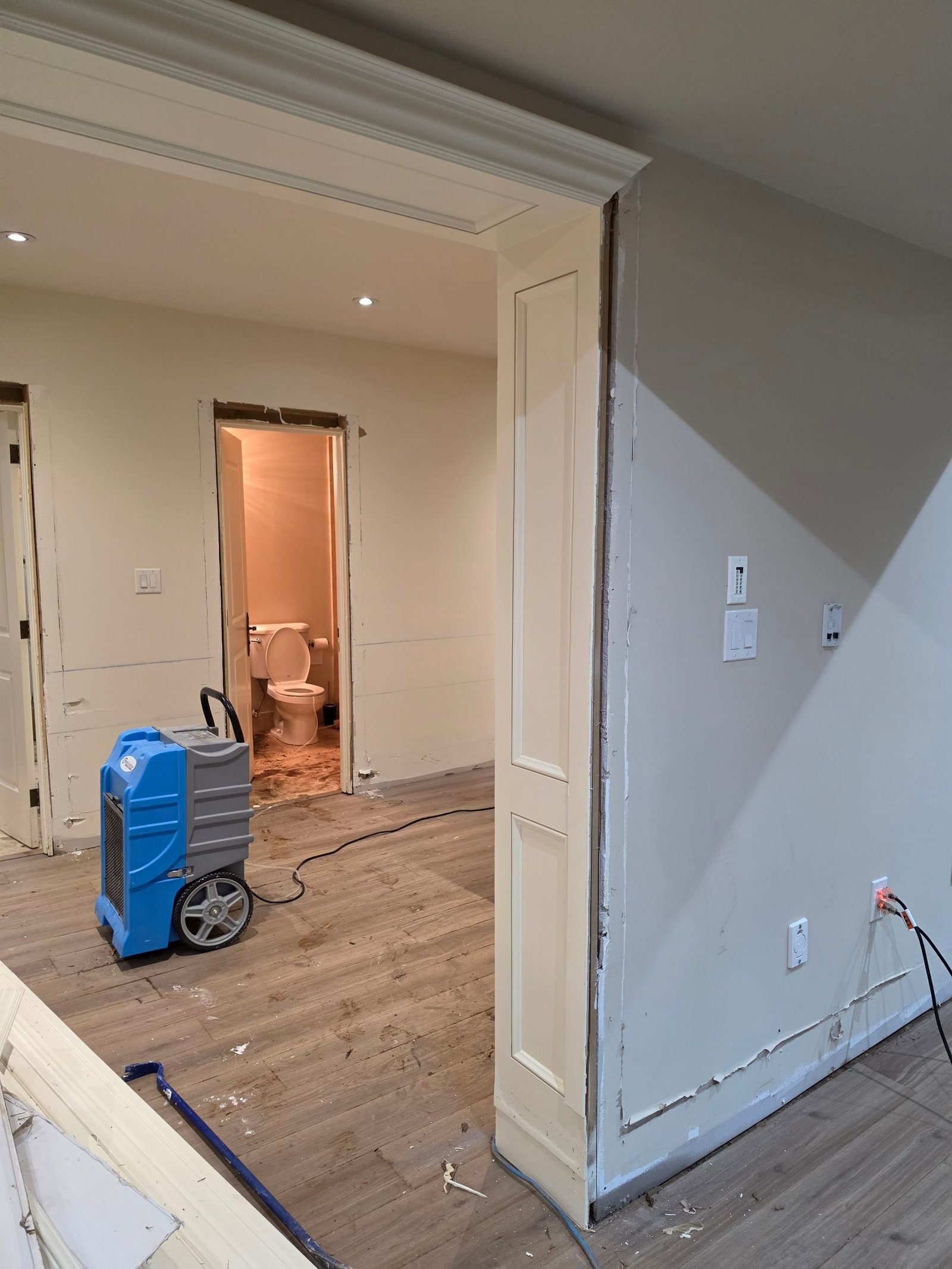
Experiencing a toilet overflow is stressful. Water can spread across the bathroom floor fast, and that can lead to panic, stains, and water damage. Quick action with proper toilet overflow cleanup can limit the mess and help you get your home back in shape.
This guide shows you what to do when a toilet overflow starts. It also explains how to clean up, fix common clogs, and lower the chance of another toilet overflow.
Understanding the Causes of Toilet Overflows
To stop the problem, it helps to know the cause. Common causes include:
Clogs and Blockages
One of the most common reasons for a toilet overflow is a clog. This can happen because:
- Too much toilet paper
- Flushing items that do not belong in the bowl, like wipes or feminine products
- Foreign objects that fall into the toilet by accident
Malfunctioning Parts
Sometimes the problem is inside the toilet itself. Common issues include:
- A flapper valve that will not close
- A float that does not control the water level
- A fill valve that keeps water running
Sewer Line Problems
In some cases, the issue is deeper in the plumbing. A blocked sewer line can send water back into the toilet and cause an overflow. Signs include:
- Gurgling sounds from other drains
- Slow drainage in more than one fixture
- Foul odours from the toilet or drains
Immediate Steps When Your Toilet Overflows
Act fast. These steps can help you limit damage and start the cleanup.
Step 1: Stop the Water Flow
Turn off the shut-off valve behind the toilet. Turn it clockwise to stop the water. If you cannot reach it fast, lift the tank lid and press down on the flapper valve so more water cannot enter the bowl.
Step 2: Contain the Water
Use towels or rags to soak up the water around the toilet. Do not use paper towels. They can break apart and make the mess worse.
Step 3: Check the Bowl
Look for visible blockages in the bowl. Then check whether the water is clean or dirty. This helps you choose the next step.
Cleaning Up After a Toilet Overflow
Cleaning up after a toilet overflow is important. It helps prevent water damage and germs.
Step 4: Gather Cleaning Supplies
Before you start, get these items:
- Rubber gloves
- Mop and bucket
- Disinfectant or bleach
- Towels or rags
Step 5: Mop Up the Water
Use the mop to soak up water on the floor. Wring it out often. Put dirty water down a safe drain, such as the bathtub drain.
Step 6: Sanitize the Area
Mix one cup of bleach with one gallon of water. Wipe the floor and any surface touched by the overflow. If the water was dirty, clean the area with extra care.
Clearing the Clog
Once the area is clean, focus on the clog that caused the toilet overflow.
Step 7: Use a Plunger
A plunger often clears a clogged toilet. Make sure there is enough water in the bowl to cover the plunger. Place it over the drain hole, press down to make a seal, then pull up hard. Repeat until the clog breaks free.
Step 8: Try a Toilet Auger
If the plunger does not work, use a toilet auger. It can reach deeper clogs that a plunger cannot. Feed the auger into the toilet and crank it to break up the blockage.
How to Prevent Future Toilet Overflows
Once the urgent part is over, take steps to keep it from happening again.
Step 9: Flush Only Safe Items
Teach everyone at home what can and cannot be flushed. Put paper towels, wipes, and feminine hygiene products in the trash. That simple habit can stop many toilet overflow problems.
Step 10: Do Regular Maintenance
Check your toilet parts often. Replace worn flapper valves and make sure the float works well. Good upkeep can reduce the need for toilet overflow repair.
Step 11: Schedule Professional Checks
Have CPR24 Restoration inspect your sewer lines and toilet systems often. Regular checks can catch trouble before it turns into a major flood.
When to Call CPR24 Restoration
Many toilet overflow problems can be handled alone. Still, some jobs need a pro.
Step 12: Persistent Clogs
If plunging and augering do not clear the clog, call CPR24 Restoration. A stubborn clog may point to a larger plumbing issue.
Step 13: Water Damage Concerns
If the toilet overflow causes wet drywall, warped floors, a flooded bathroom, basement flooding, or a flooded basement, call for water damage restoration right away.
If your toilet keeps overflowing, act fast. Shut off the water, clear the clog, and clean the area. In many cases, a toilet backup or clog is the cause. Good habits and regular maintenance can help prevent another toilet overflow.
For toilet overflow cleanup, Toronto water damage help, or water damage restoration, CPR24 Restoration can help.
Frequently Asked Questions About Toilet Overflows
What should you do immediately when your toilet overflows?
Stop flushing and shut off the toilet’s water supply using the valve behind or beside the toilet. Keep children and pets away, and avoid contact with water that has spilled from the bowl. If water is near electrical outlets, appliances, or light fixtures below the bathroom, stay clear of the affected area. Arrange plumbing repairs and water damage cleanup if the overflow has spread beyond the toilet.
How do you stop an overflowing toilet?
Close the toilet’s water supply valve. Most round shut-off valves close clockwise, while quarter-turn valves close with a 90-degree turn. Do not force a stuck valve. On a conventional tank toilet, closing the rubber flapper inside the tank can stop additional tank water from entering the bowl. Do not flush again while the bowl is full.
Why is my toilet overflowing even after I turn off the water?
Turning off the supply stops fresh water entering the toilet, but it does not stop wastewater backing up through the drain. Some water already inside the tank may also continue entering the bowl. If the water keeps rising, particularly when other fixtures are used, stop using plumbing fixtures and call a plumber to investigate a possible drain or sewer blockage.
Is toilet overflow water considered sewage?
Water overflowing from a toilet bowl should be treated as potentially contaminated, even when it looks clear. Water containing faeces or backing up from a sewer requires sewage cleanup precautions. A leak from the clean-water supply line or tank is a different situation. The source, contact with waste, and affected materials determine the appropriate cleanup method.