

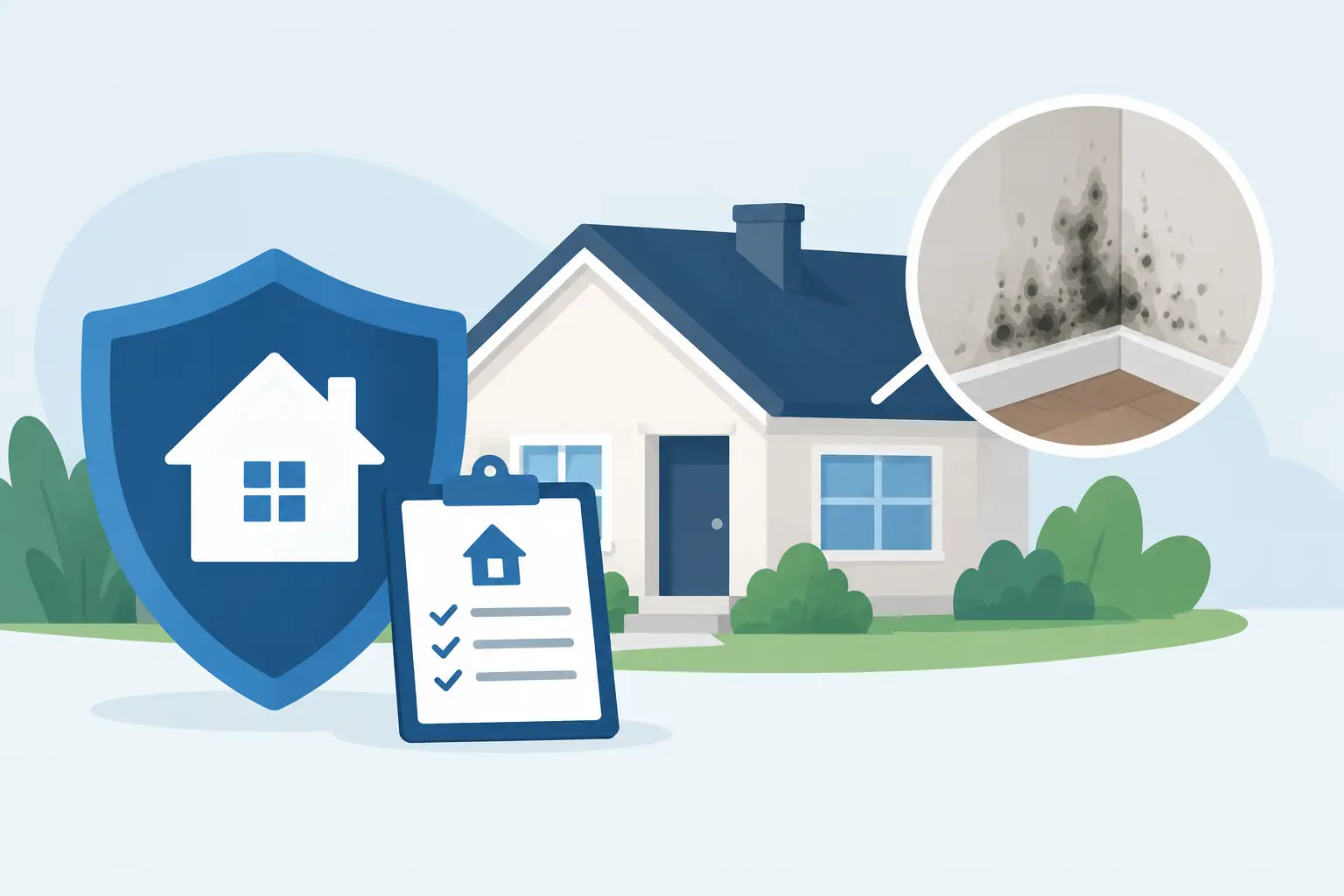
A small brown stain beneath a bathroom fan or along a finished basement wall can become a major insurance question fast. Does insurance cover mold damage? Sometimes, but coverage usually depends less on the mould itself and more on the event that caused moisture to build up – and how quickly the problem was addressed.
For Toronto and GTA property owners, the distinction matters. An insured burst pipe that causes hidden moisture may lead to a covered claim. Long-term seepage behind a wall, poor ventilation, or a neglected roof leak may not. The right response protects more than the property. It can also protect the evidence your insurer needs to assess the claim.
Does Insurance Cover Mold Damage After Water Damage?
Most Canadian home and commercial insurance policies do not treat mould as a stand-alone covered loss. Instead, mould coverage may apply when it results directly from a sudden, accidental, insured event. Think of a pipe bursting behind a kitchen wall, an appliance supply line failing, or water entering after insured storm damage.
If that water damage is covered, the policy may also cover reasonable mould remediation needed to return the affected area to a safe condition. This can include containment, removal of contaminated drywall or insulation, cleaning, drying, and repairs. Coverage limits, deductibles, and policy wording still apply.
The key question is usually: what caused the moisture, and was the damage sudden or gradual? Insurers often investigate the source carefully. Mould discovered weeks after a flood does not automatically mean the claim will be denied, but delays, incomplete drying, or a pre-existing moisture issue can complicate it.
Sudden and Accidental Events That May Be Covered
Coverage is more likely when mould follows an event your policy already insures. Examples can include a sudden plumbing failure, an overflowing appliance, accidental water discharge from a heating or fire-protection system, or storm damage that allows water into the building.
Sewer backup is a separate category in many policies. If you purchased sewer backup coverage and a backup causes contaminated water and subsequent mould growth, remediation may be included up to the applicable limit. Without that endorsement, the water loss itself may be excluded, which can affect mould-related costs as well.
Condo owners should also review their unit-owner policy and their corporation’s coverage. The corporation may be responsible for some common elements, while the unit owner may need coverage for improvements, contents, deductibles, and damage within the unit. Responsibility is not always the same as insurance coverage.
When Mould Damage Is Commonly Excluded
Insurance is designed for unexpected losses, not routine maintenance. That is why insurers commonly exclude mould tied to gradual deterioration, repeated leaks, humidity, or known problems that were not corrected.
A slow pinhole leak under a sink that has soaked cabinetry for months is a common example. So is attic mould caused by inadequate ventilation or bathroom fans venting into the attic. Foundation seepage, condensation around windows, and moisture caused by poor maintenance can also fall outside standard coverage.
Policies differ, and some contain limited mould endorsements or sublimits. A sublimit means the policy may cover only a set dollar amount for mould testing, remediation, or repairs even when the original water event is covered. Commercial policies can have different exclusions and endorsements again, particularly for older buildings, rental properties, and businesses with specialized equipment or inventory.
Do not assume a denial or approval based on a general rule. Read the policy’s water damage, mould, seepage, exclusions, and additional-coverage sections, then ask your broker or insurer how the wording applies to the actual loss.
Why Fast Drying Matters to Your Claim
Mould can begin developing when materials stay wet for 24 to 48 hours. Drywall, insulation, carpet backing, engineered wood, and contents can hold moisture long after standing water is gone. A floor that feels dry is not proof that the subfloor, wall cavity, or framing is dry.
Fast mitigation shows that you took reasonable steps to prevent further damage. It also helps limit the scope of demolition and reconstruction. In a covered loss, insurers generally expect policyholders to protect the property from additional harm where it is safe to do so.
That does not mean you should tear out walls before the loss is documented. Photograph visible damage, stop the water source if possible, and notify the insurer promptly. Then arrange professional extraction, moisture inspection, structural drying, and documentation. A qualified restoration team can record moisture readings, affected materials, drying equipment placement, and the scope of work – details that can be valuable during a claim.
What to Do When You Find Mould After a Leak or Flood
Treat visible mould as a sign that moisture is still present or was not fully resolved. Scrubbing a small surface patch may improve its appearance, but it will not fix wet drywall, a leaking pipe, or hidden contamination behind baseboards.
Take these steps in order:
- Stop the source safely. Shut off water to a leaking fixture or appliance if you can do so safely. For sewage, major flooding, or suspected electrical hazards, keep clear of the area.
- Document before cleanup. Take clear photos and video of water, staining, damaged contents, and visible mould. Keep invoices, receipts, and communication with your insurer.
- Report the loss promptly. Contact your insurer or broker, describe when the event occurred, and ask about claim instructions, emergency mitigation, and any preferred-vendor requirements.
- Avoid spreading contamination. Do not run fans through a visibly mouldy area, disturb large growth, or move contaminated items through clean parts of the property without containment.
- Arrange a professional assessment. Restoration technicians can locate hidden moisture, establish containment where required, dry the structure, remove affected materials, and prepare the area for repair.
For small, isolated surface mould on a non-porous surface, careful cleaning may be appropriate. The situation changes when growth covers a larger area, follows sewage or floodwater, affects porous materials, or involves occupants with respiratory sensitivities. Those conditions call for trained remediation rather than a do-it-yourself approach.
What a Proper Mould Remediation Scope Should Include
A credible remediation plan starts with finding and correcting the moisture source. Removing visible mould without fixing the leak or humidity issue invites regrowth.
The work may include moisture mapping, containment barriers, HEPA-filtered air control, removal of unsalvageable porous materials, detailed cleaning, drying verification, and reconstruction of removed finishes. In some cases, air or surface testing may help establish conditions before or after work. Testing is not necessary for every project, but it can be useful for complex, disputed, or health-sensitive situations.
For a claim-related loss, ask for clear documentation of the cause, affected areas, moisture conditions, mitigation actions, and recommended repairs. Avoid contractors who promise insurance coverage before reviewing the policy or who suggest hiding a long-standing issue. A proper scope should be based on conditions in the building, not on guesswork.
How CPR24 Restoration Handles Insurance-Related Mould Damage
At CPR24 Restoration, we regularly assess mould discovered after water damage in homes, condominiums, rental properties, and commercial buildings throughout Toronto and the GTA. Our technicians investigate the affected area and moisture conditions before establishing the remediation scope. Depending on site conditions, the work may include 6-mil poly containment, HEPA air filtration, removal of affected materials, HEPA vacuuming, antimicrobial treatment, structural drying, and moisture monitoring. Our IICRC-certified technicians can also provide photographs, moisture documentation, reports, and detailed estimates when required for an insurance claim. Coverage remains subject to the individual policy and insurer, but clear documentation helps establish the conditions observed and restoration work required.
Need Help With Mould After Water Damage?
If mould appears after a burst pipe, appliance leak, basement flood, sewer backup, or other water damage event, identifying the moisture source should be the first priority. CPR24 Restoration provides mould remediation and water damage restoration throughout Toronto and the GTA for residential and commercial properties.
Our IICRC-certified technicians can inspect affected materials, identify moisture conditions, establish containment where required, remove mould-affected materials, complete HEPA cleaning and antimicrobial treatment, and prepare the affected area for reconstruction. CPR24 can also provide photographs, reports, moisture documentation, and estimates when required for insurance claims. Whether mould remediation is covered ultimately depends on the cause of loss and the terms of the applicable insurance policy.