When water damage affects multiple areas of a home, such as water damage in Oakville, the visible water is often only part of the problem. Moisture can travel through ceilings, walls, floors, and hidden spaces. A proper inspection and professional water damage restoration are essential.
CPR24 Restoration recently completed an extensive residential water damage restoration project in Oakville, Ontario, where water had affected multiple finished areas of the property. The damage involved ceilings, walls, hardwood flooring, carpeted areas, trim and other building materials.
Our restoration team assessed the affected areas. We used thermal imaging and moisture detection tools. These helped identify how far the water had spread.
We set up containment and we removed damaged materials. We then prepared the property for proper structural drying and restoration.
This Oakville water damage project shows why quick action after water loss matters. This is vital when moisture spreads beyond the visible area.
Initial Water Damage Inspection in Oakville
The first step in a professional water damage restoration project in Oakville is to find how far the moisture has spread.
Depending on the building’s construction, it can move through ceiling cavities. It can travel along framing members.
It can spread behind drywall. Also it can pass beneath flooring. It can enter adjoining rooms.
At this property, there were visible signs of water intrusion in several areas.
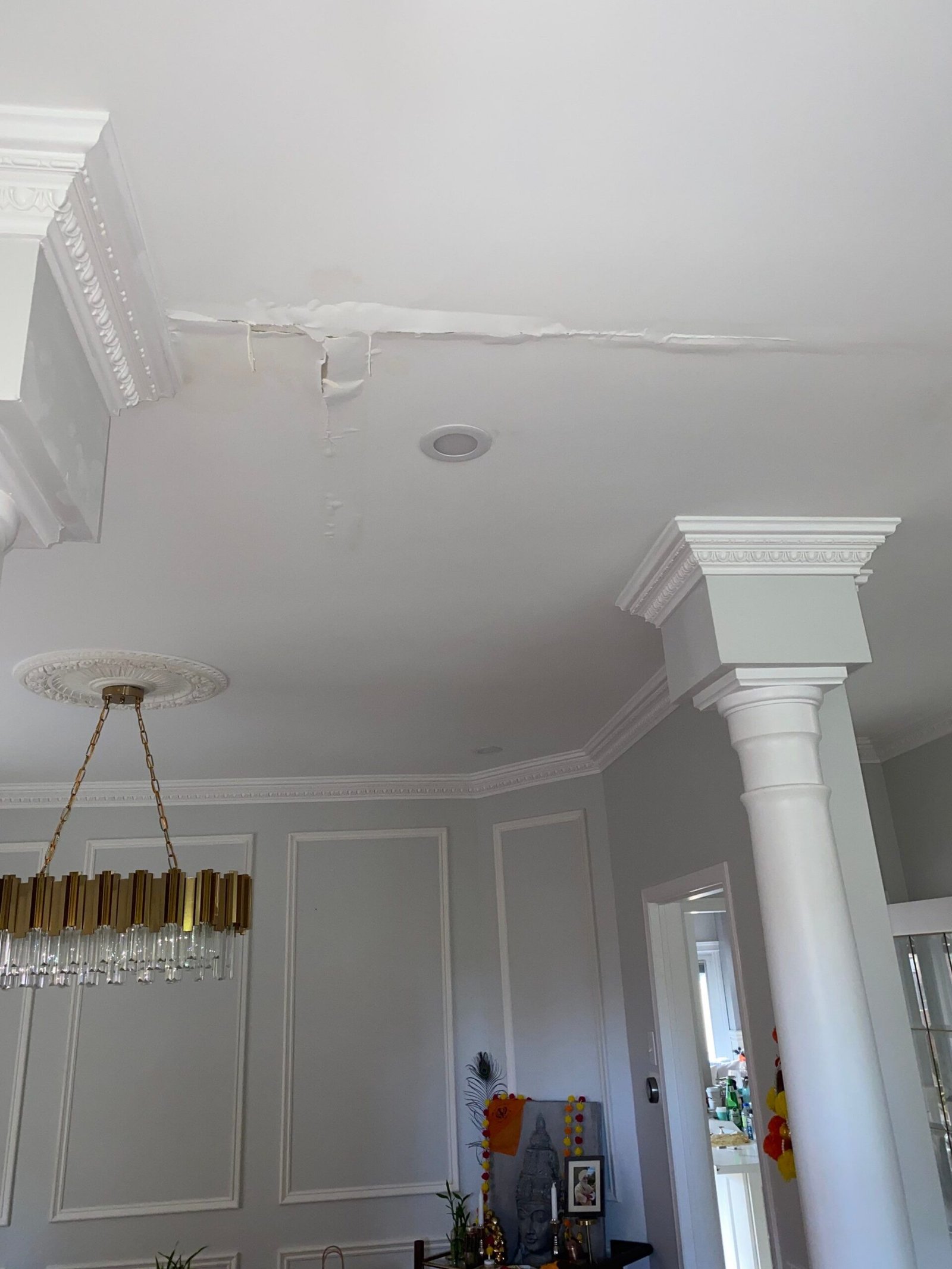
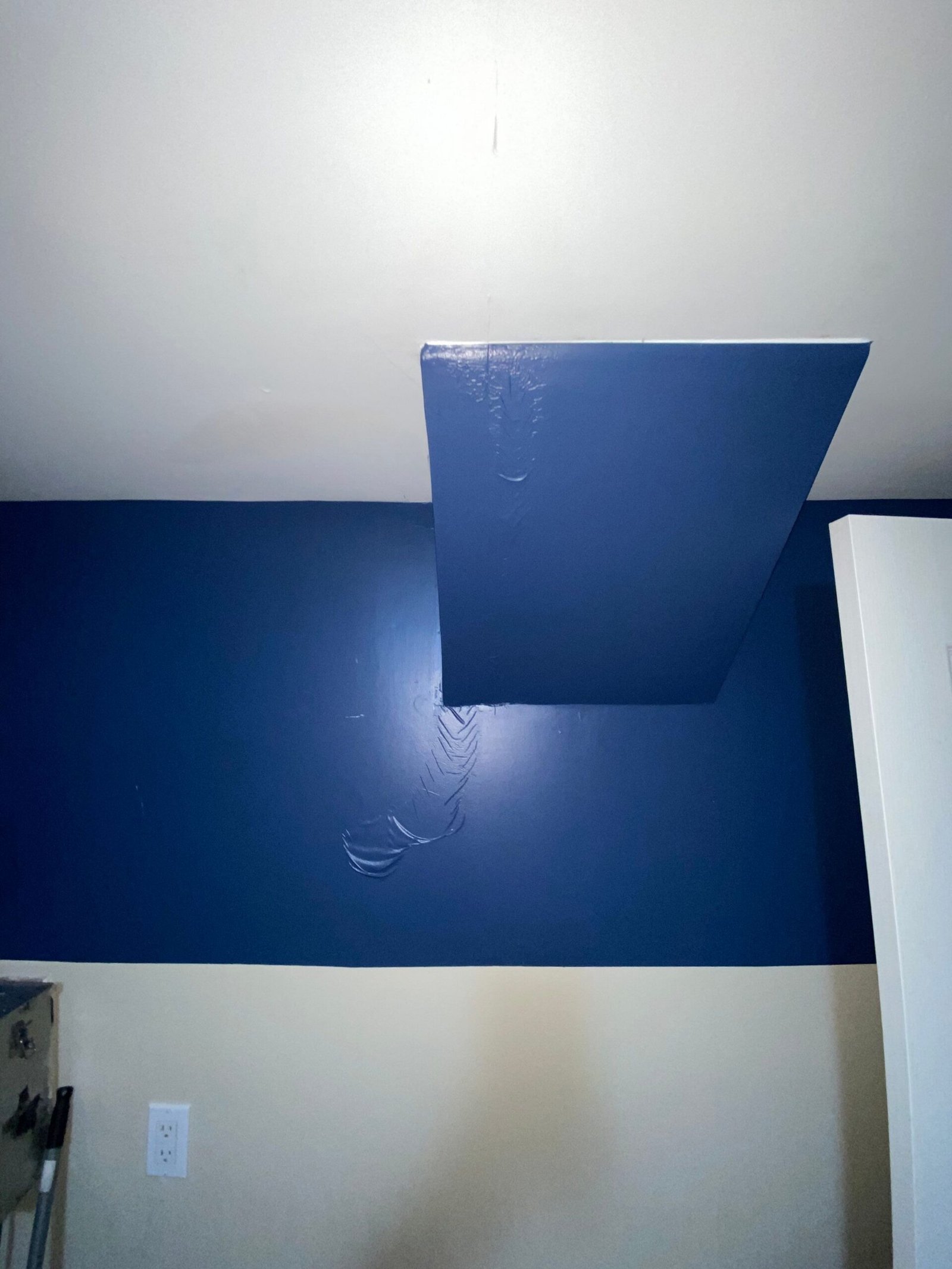
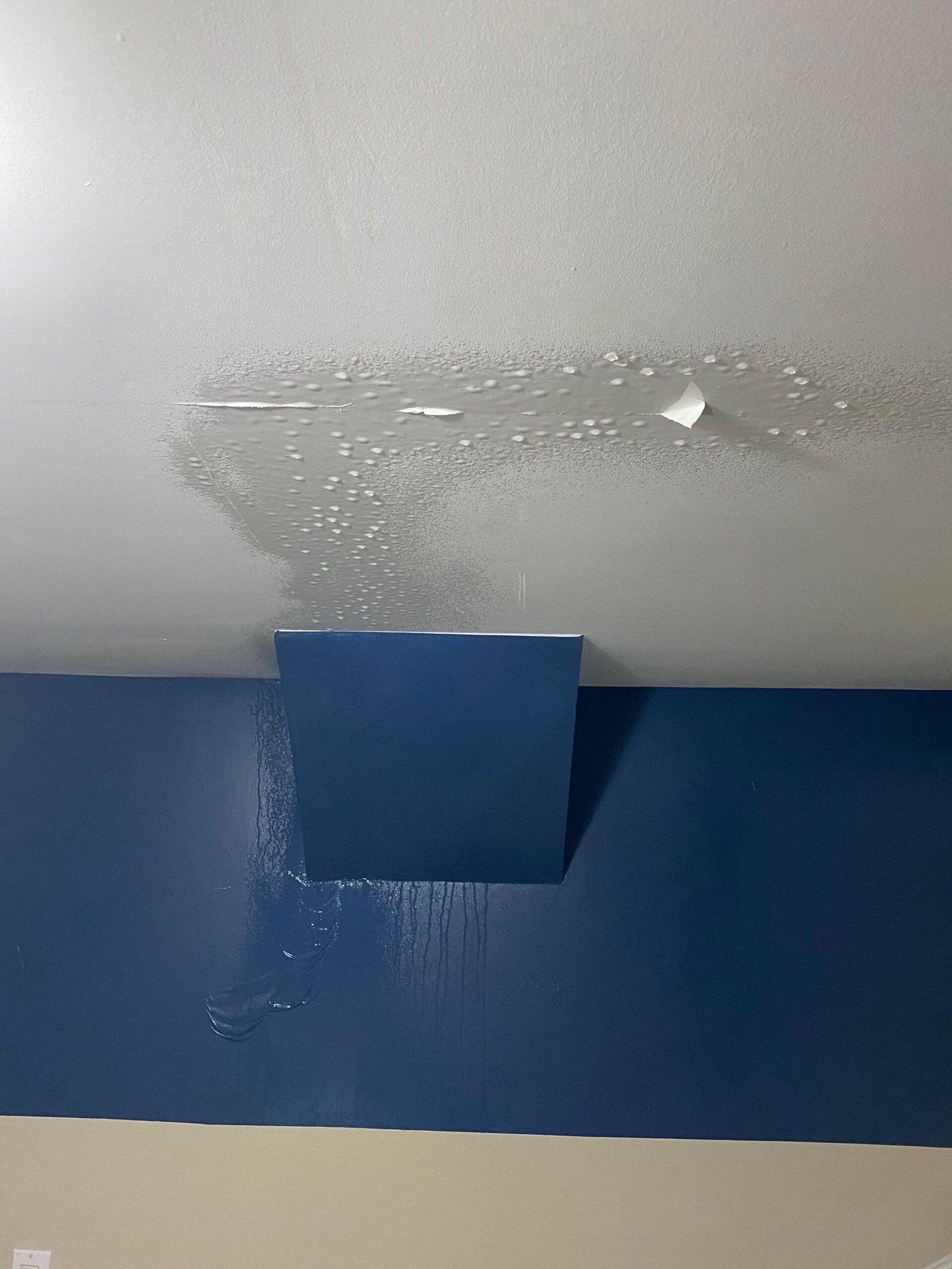
Water staining and moisture were visible across sections of the ceiling. In some locations, the drywall finish had begun bubbling and deteriorating from exposure to moisture. Other areas showed staining along ceiling and wall transitions.
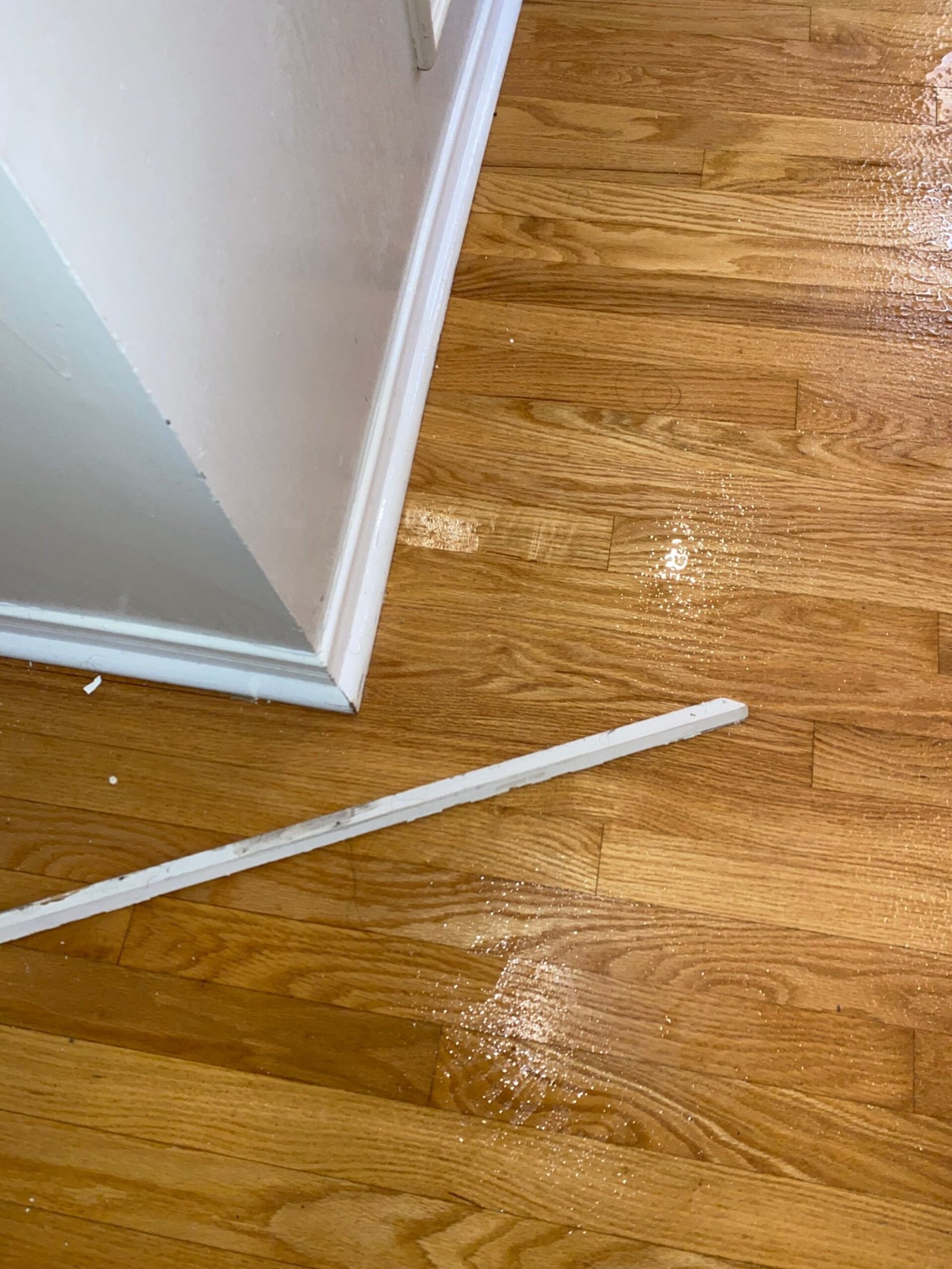
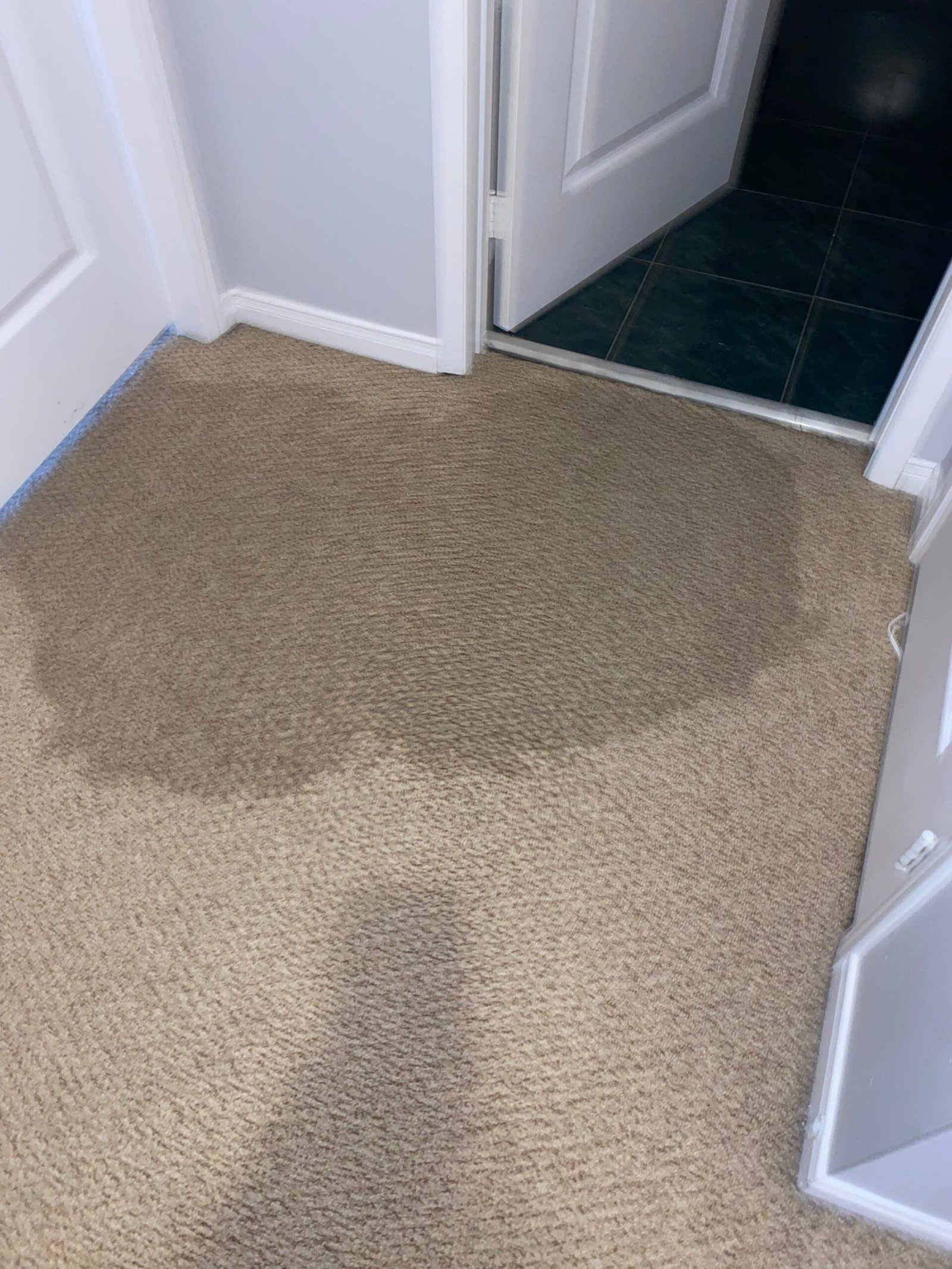
The project photos also document water present on finished hardwood flooring and moisture affecting carpeted areas.
Because visible damage cannot show the full extent of water loss, our technicians did more moisture checks.
They did these checks before and during the restoration process.
Thermal Imaging and Moisture Detection
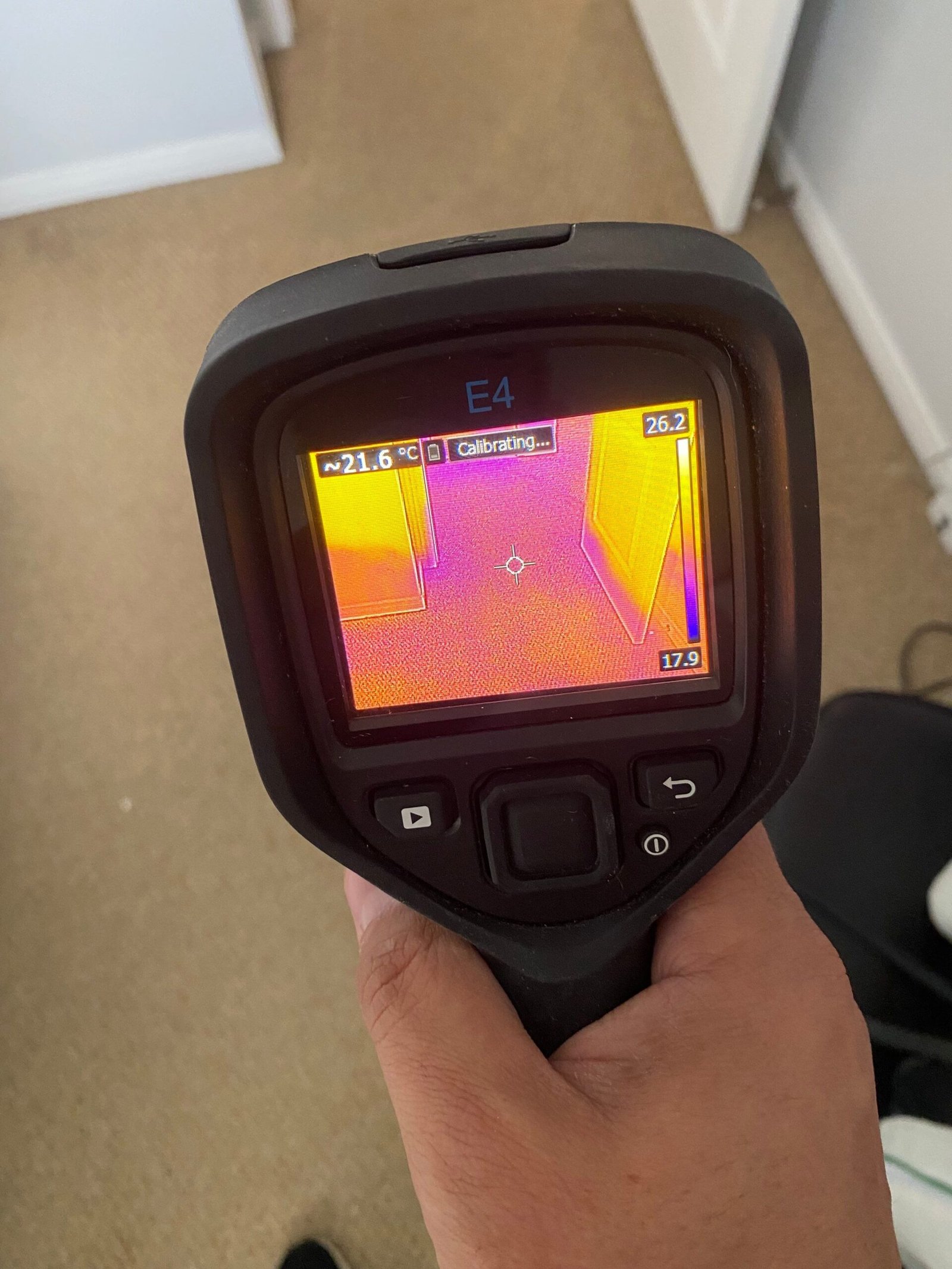
As part of the Oakville water damage inspection, we used thermal imaging to spot temperature differences on building surfaces.
The thermal camera helped our restoration technicians check areas where moisture may have moved past visible water stains.
Evaluate the findings together with the physical inspection and moisture readings.
For this Oakville property, the inspection included ceilings, walls, flooring transitions, and rooms near the visibly affected areas.
This process helped our team identify areas that needed more review. It also showed which materials we needed to handle during emergency restoration.
Water Damage to the Ceilings
One of the most noticeable areas of damage involved the ceilings.
The property photos show water stains across finished ceilings, including around architectural features and decorative mouldings. In certain sections, moisture had caused the painted drywall surface to blister and separate.
Once water substantially affects drywall, simply letting the visible surface dry may not be sufficient.
Moisture can remain on the backside of the drywall, within insulation or inside the ceiling cavity. Depending on the severity and type of water loss, you may need to open or remove materials. This helps inspectors check hidden areas and dry them properly.
During this Oakville water damage cleanup, we opened parts of the affected ceiling. We removed damaged drywall where needed.
Opening the ceiling also gave access to the framing and hidden areas above.
This helped the restoration team keep assessing the extent of the loss.
Extensive Controlled Demolition
Once the affected materials had been identified, controlled demolition was carried out.
This was a substantial water damage in Oakville project rather than a minor cosmetic repair.
Workers also opened the lower sections of the walls in affected areas where necessary.
Removing water-damaged materials serves several purposes.
It lets technicians reach hidden wet areas. It removes materials that you cannot restore. Also it improves airflow to structural parts. It helps prepare the building for effective drying.
The goal is to find the affected area and remove materials as needed to properly address the water damage.
At this Oakville property, the demolition work removed damaged drywall and finishing materials. It also removed flooring and trim in parts of the home.
Hardwood Flooring Removal
The water loss also affected finished hardwood flooring.
Water damage to hardwood can be complicated. Moisture can move between boards. It can also seep into materials under the finished surface.
Even when the top of a hardwood floor begins to look dry, moisture may remain within the flooring system or subfloor.
As the mitigation progressed, the crew removed substantial portions of the affected hardwood flooring from the damaged area.
The crew carefully demolished the flooring and collected it for disposal.
After you remove the damaged flooring, you can inspect and dry the underlying floor assembly as required.
This is an important part of professional water damage restoration in Oakville. Trapped moisture under a new finished floor can cause more damage. It can also lead to microbial growth.
Carpet and Underpad Removal
Carpeted areas of the property were also affected by the water migration.
The photographs show visible darkened areas in the carpet near an adjoining tiled room, consistent with moisture exposure.
When carpet and underpad show severe damage, several factors determine the restoration approach. These include the water source, time of exposure, material condition, and the ability to dry and restore them properly.
During this project, we removed affected carpet and underlying materials from the required areas.
The crew consolidated the removed carpet and underpad as part of the demolition and debris-removal process.
This exposed the floor beneath the carpet, allowing further inspection and drying.
Wall, Baseboard and Trim Removal
Water can wick upward through porous building materials and become trapped behind baseboards and decorative wall finishes.
At this Oakville property, we opened portions of the walls where required to access affected cavities.
Workers also removed baseboards and other trim components from the affected sections.
The home contained detailed architectural finishes, including decorative wall mouldings, substantial crown moulding and decorative columns. This made careful demolition especially important.
Rather than treating the property as a simple demolition site, the restoration process had to decide what could stay. It also had to remove damaged materials to properly fix the water damage.
The photographs show sections where workers removed the lower drywall while the upper decorative finishes remained in place.
This type of selective demolition can reduce unneeded reconstruction. It still allows proper access to the affected building assembly.
Containment and Protection of Unaffected Areas
A major water damage restoration project can generate significant dust and debris during demolition.
To reduce migration into unaffected portions of the home, we established containment around the work area.
The project photos show a temporary barrier across a doorway. It uses polyethylene sheeting and a controlled zipper-style entry.
Containment helps separate the active restoration area from adjacent areas of the property.
The demolition crew also protected any contents and furniture remaining near the work area during demolition.
These measures matter most when workers remove substantial amounts of drywall, flooring, trim, and other building materials.
Debris Removal and Site Cleanup
Water damage demolition can produce a surprisingly large quantity of debris.
At this Oakville property, crews removed flooring, drywall, and other damaged materials. This work created a large amount of construction debris.
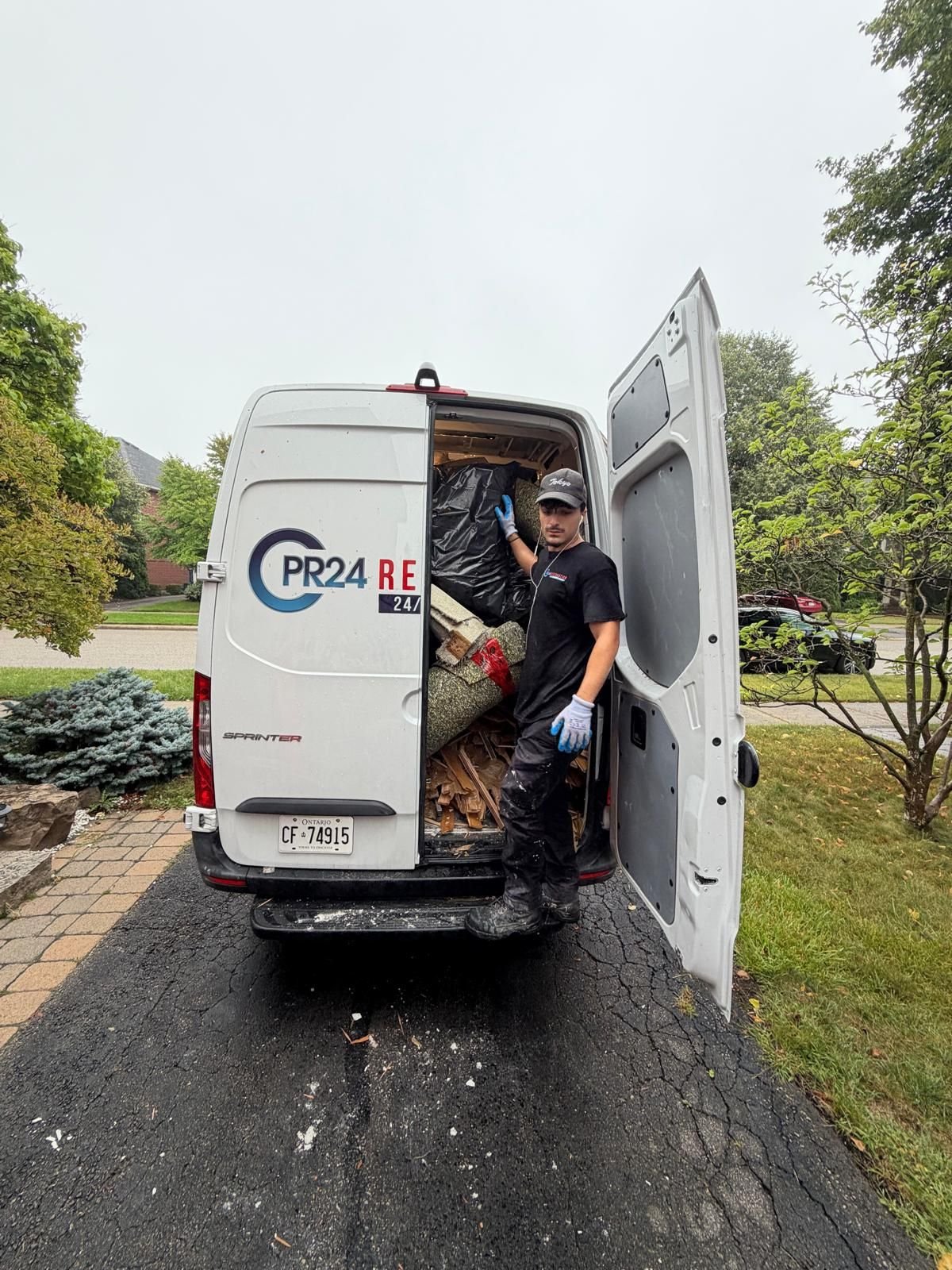
The project photographs document workers collecting the removed hardwood and trim inside the property before disposal. Additional photographs show the debris loaded into a CPR24 Restoration service vehicle for removal from the site.
Keeping the work area organized and removing demolition debris is an important part of the restoration process.
Once technicians remove damaged materials, they can more easily reach the remaining structural materials for cleaning, inspection, and drying.
Structural Drying After Water Damage
Demolition is only one part of a water damage restoration project.
After we remove the affected materials, we must evaluate and dry the remaining structure before we begin reconstruction.
Professional water damage restoration often uses commercial air movers, dehumidifiers, and air filters.
It also includes ongoing moisture monitoring, based on the conditions found at the property.
The purpose of structural drying is to remove extra moisture from building materials. It also helps return the area to a proper dry condition.
Check moisture levels during the drying process. Do not rely only on how a material looks or feels.
A wall, ceiling or subfloor can appear dry on the surface while still retaining moisture internally.
That is why professional moisture detection is an important part of both the initial assessment and the drying process.
Why Fast Water Damage Cleanup Matters
When homeowners experience a leak or flood, delaying restoration can allow water to continue migrating through the building.
Drywall, insulation, wood flooring, carpet, underpad, trim and other porous materials can absorb moisture.
Over time, prolonged moisture exposure can contribute to swelling, staining, deterioration, odours and conditions that may support microbial growth.
Quick action can help limit secondary damage.
For major home water damage, the process often starts by stopping the water source when possible.
Next, document the affected areas and identify how far the moisture has spread.
From there, we can extract water, perform selective demolition, dry the area, and monitor conditions at the property.
Water Damage Restoration and Insurance Documentation
Water damage claims often require detailed documentation of the loss and restoration work.
When required, we can also prepare estimates for the restoration and repair work associated with the loss.
For insurance water damage claims, good records can help you explain why you removed certain materials. They also show what work you did during the mitigation process.
Our team regularly works on residential water damage projects where homeowners are communicating with insurance adjusters and require supporting documentation for their claim.
The coverage for any loss depends on the homeowner’s policy and insurer. Clear restoration records can make the technical scope easier to understand.
Preparing the Oakville Property for Reconstruction
Once we remove the damaged materials and the structure dries to safe levels, repairs and rebuilding can begin.
Depending on the size of the loss, reconstruction may include replacing drywall. It may also include taping and finishing, priming and painting. Reconstruction may also include reinstalling trim and decorative mouldings. It may include replacing flooring and completing other needed finish repairs.
For a property with detailed architectural features like this Oakville home, rebuilding needs extra care. It must match the existing finishes and restore the look of the affected areas.
The goal of emergency water damage work is to reduce the damage.
It should make the property safe and stable.
It should prepare the property for the next stage of restoration.
Challenges of This Oakville Water Damage Project
Several aspects made this project more involved than a small localized leak.
The water spread into many building materials and finished areas.
It did not stay in one easy-to-reach place.
The property also contained hardwood flooring, carpet, decorative columns, extensive crown moulding and detailed wall trim. These finishes required a more selective demolition approach.
In addition, moisture extended beyond surfaces we could evaluate visually. We used thermal imaging and moisture investigation to assess areas beyond the obvious staining.
The amount of flooring and building material removed also required substantial debris handling and site cleanup.
Together, these conditions show why major home water damage needs a full moisture pathway review.
Do not just repair the first visible stain.
The Importance of Professional Water Damage Restoration in Oakville
Every water damage situation is different.
A small appliance leak may affect only one area of flooring. A larger plumbing failure or water intrusion can spread through many rooms and levels.
Professional water damage restoration in Oakville means finding where the water went. It also includes identifying damaged materials.
The team removes items that it cannot restore. They dry the remaining structure. They also document each step.
At CPR24 Restoration, our approach to water damage projects can include:
- Emergency water damage assessment and cleanup
- Thermal imaging and moisture detection
- Water extraction where required
- Controlled demolition of affected materials
- Drywall and ceiling removal
- Hardwood, laminate, carpet and underpad removal
- Baseboard and trim removal
- Containment and work-area protection
- Commercial air movers and dehumidification
- HEPA air filtration where appropriate
- Structural drying and moisture monitoring
- Debris removal and disposal
- Photo documentation and restoration estimates
- Insurance-related documentation
- Repair and reconstruction services
The specific scope is determined by the conditions found at each property.
Need Water Damage Restoration in Oakville?
If your home or business has had a flood, plumbing leak, ceiling leak, burst pipe, or other water intrusion, act fast.
Quickly addressing moisture can help stop damage from spreading.
CPR24 Restoration provides water damage restoration in Oakville and across the Greater Toronto Area.
Services include emergency water cleanup, moisture inspections, structural drying, controlled demolition, and reconstruction.
Whether you see water on the floor or suspect moisture behind the walls, get a professional inspection. It can help. It can determine how much area it affects, including areas beneath floors or through ceilings.
Our team can assess the damage using professional moisture-detection equipment. We document the affected materials. We then develop a restoration scope based on the conditions found at the property.
This Oakville project shows how far water can spread. It also shows why full restoration takes more than drying visible water.
From the first water damage inspection in Oakville to the final rebuild prep, CPR24 Restoration follows a documented process. We find all affected areas and restore the property through demolition, moisture checks, drying, and preparation for reconstruction.